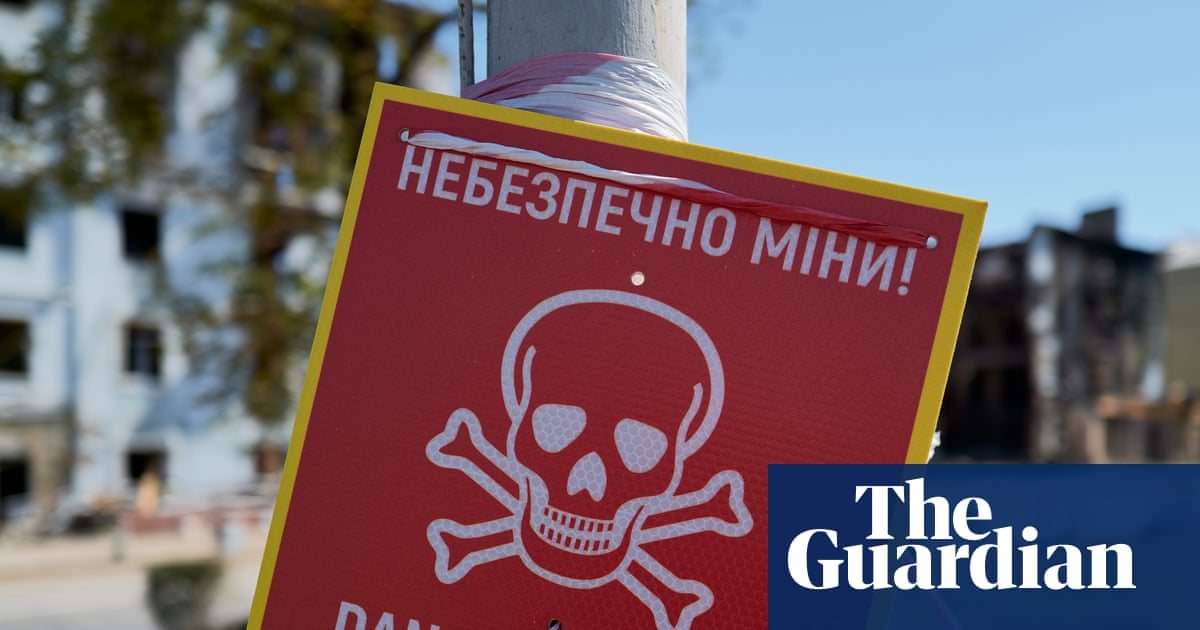
Unexploded devices delivered by Russian bombardments litter the landscape, killing hundreds of people and forcing residents to avoid roads, parks and forests
I
n north-east Ukraine, less than 50km from the Russian border, lies the city of Shostka. In the first months of the full-scale invasion it was blockaded, and ever since has faced constant shelling and drone strikes from the Russian army.
But if and when the attacks stop, there will be an invisible danger that will linger for much longer: unexploded devices. Ukraine is now one of the most heavily mined countries in the world, with about a quarter of its territory – an area larger than England – contaminated with explosives.
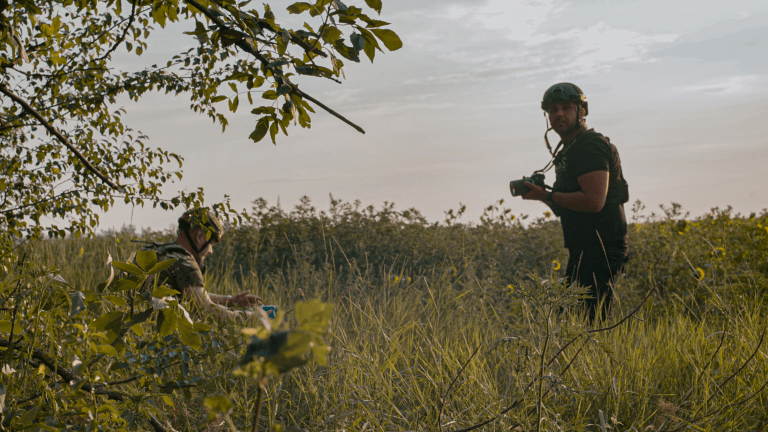
Even before Russia began increasing the scale of its bombardments this summer, Shostka and the wider Sumy region had been accumulating large numbers of unexploded mines and other ordnance. In Sumy that means roads villagers once trusted can no longer be used, parks and forests have become fraught with danger, and fields that once fed communities must be abandoned.