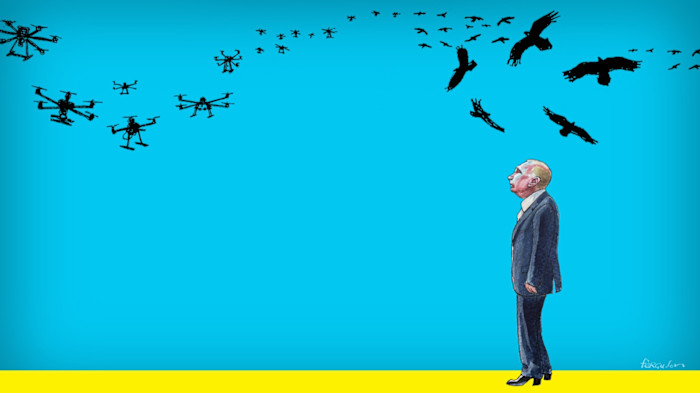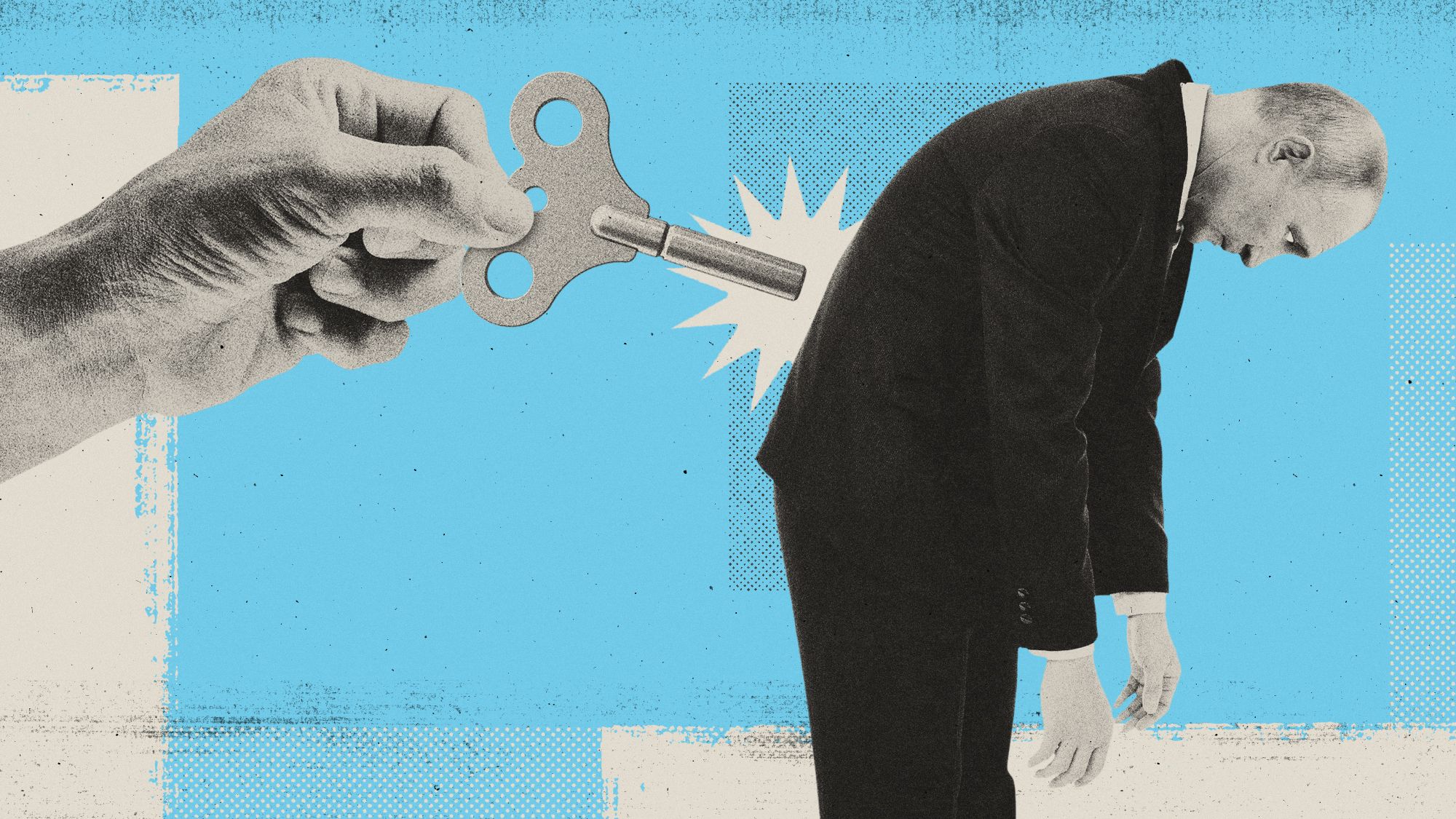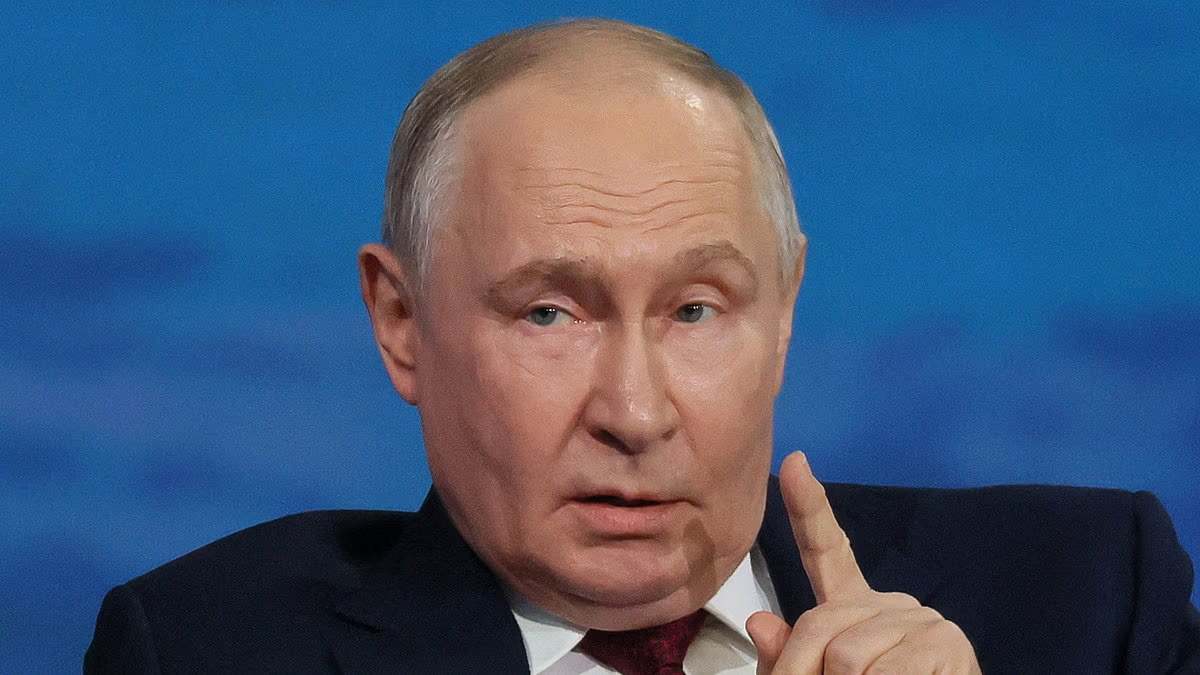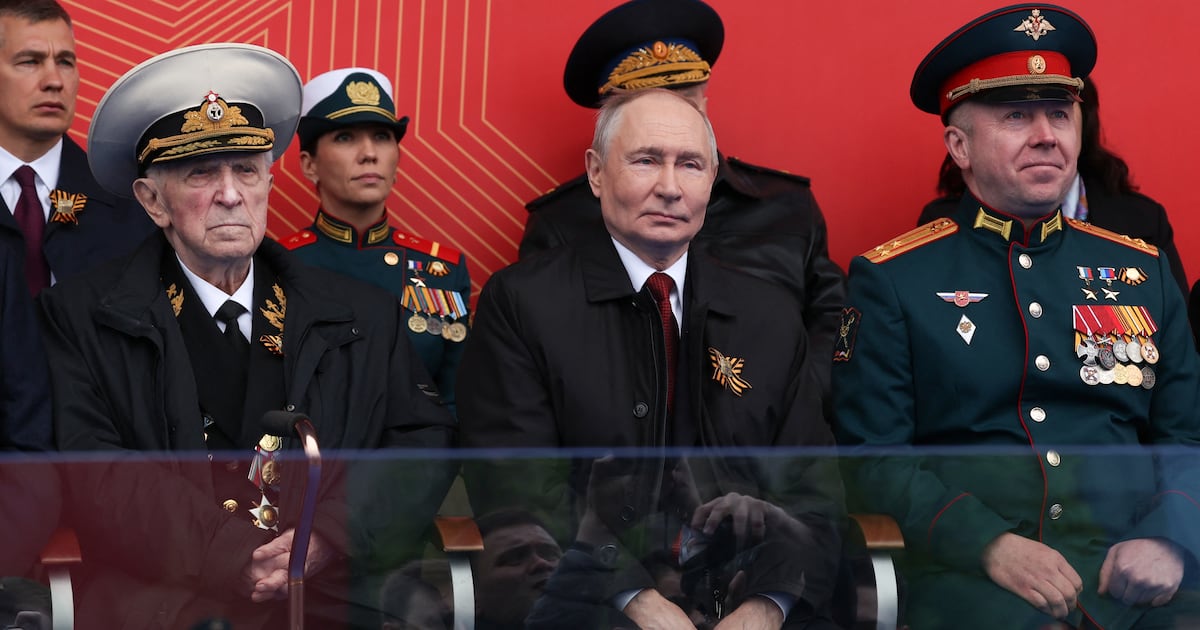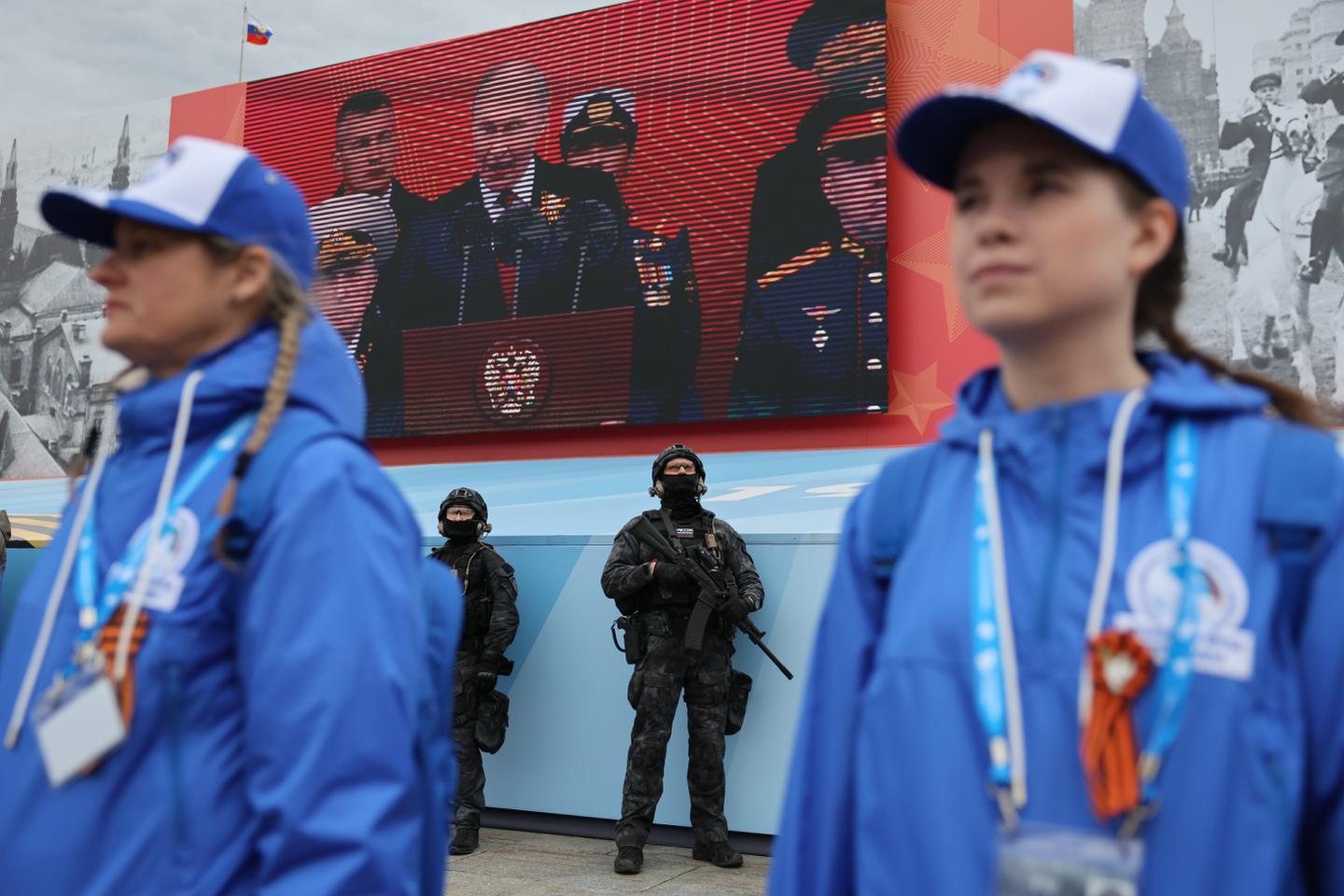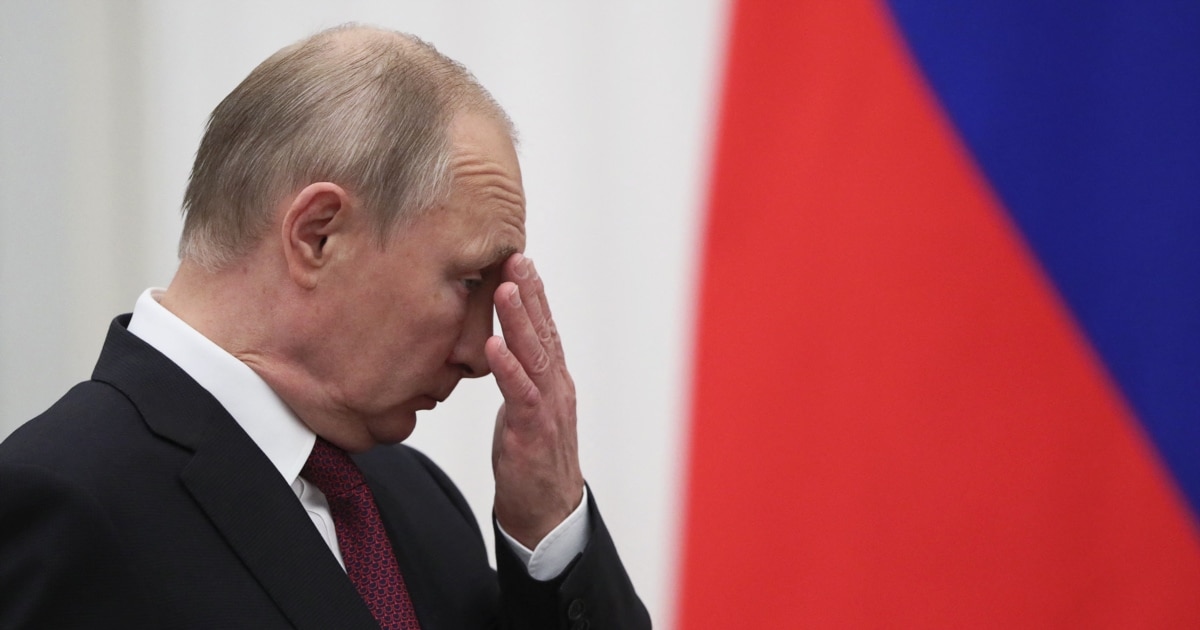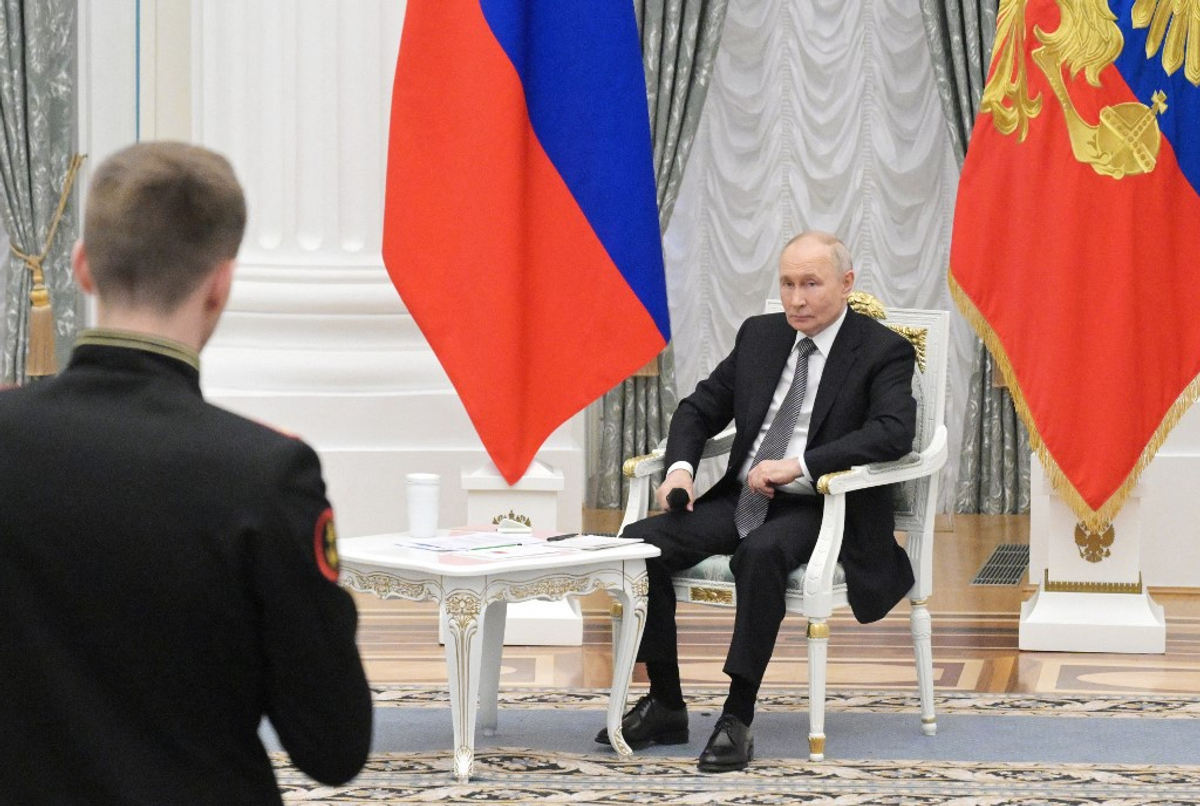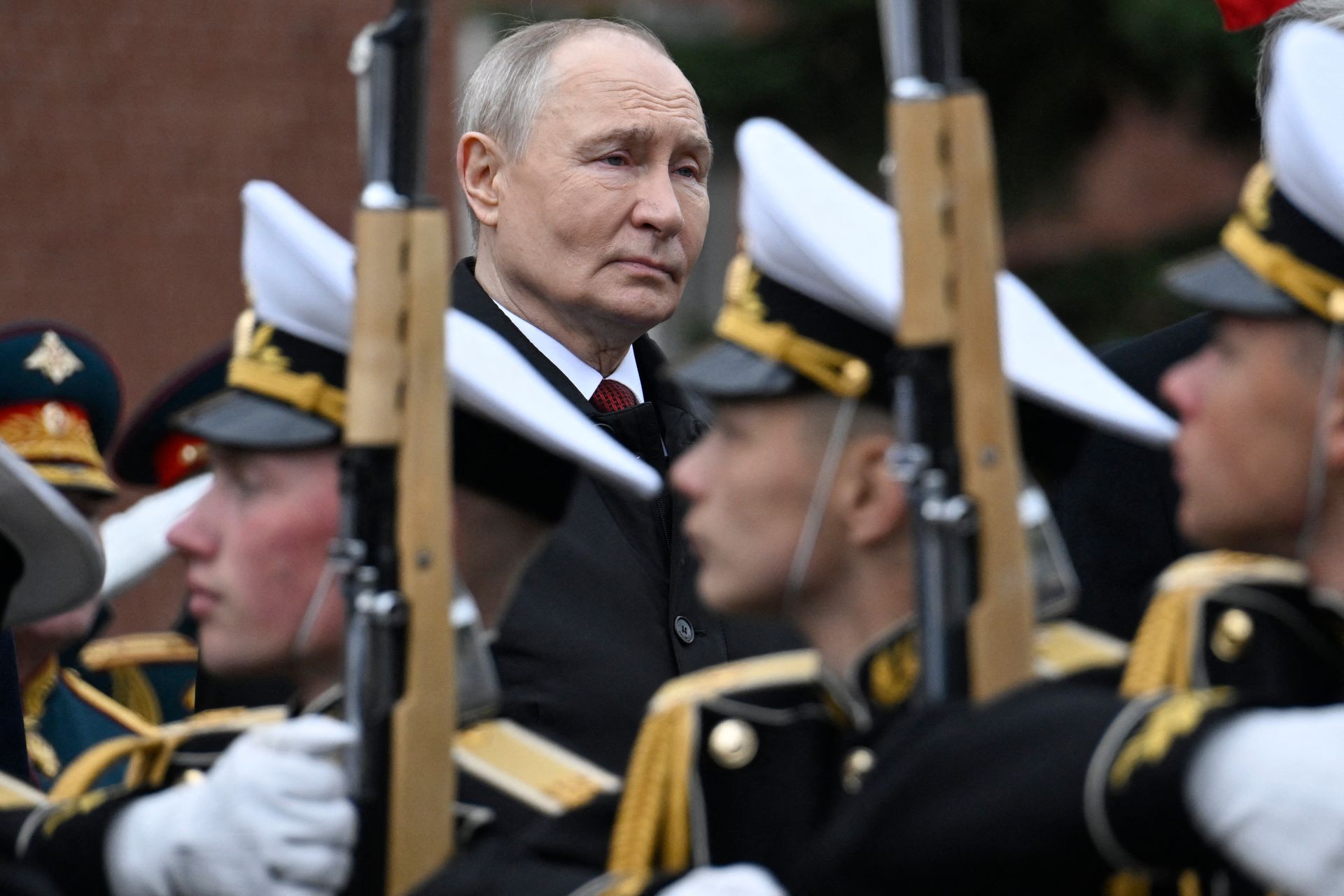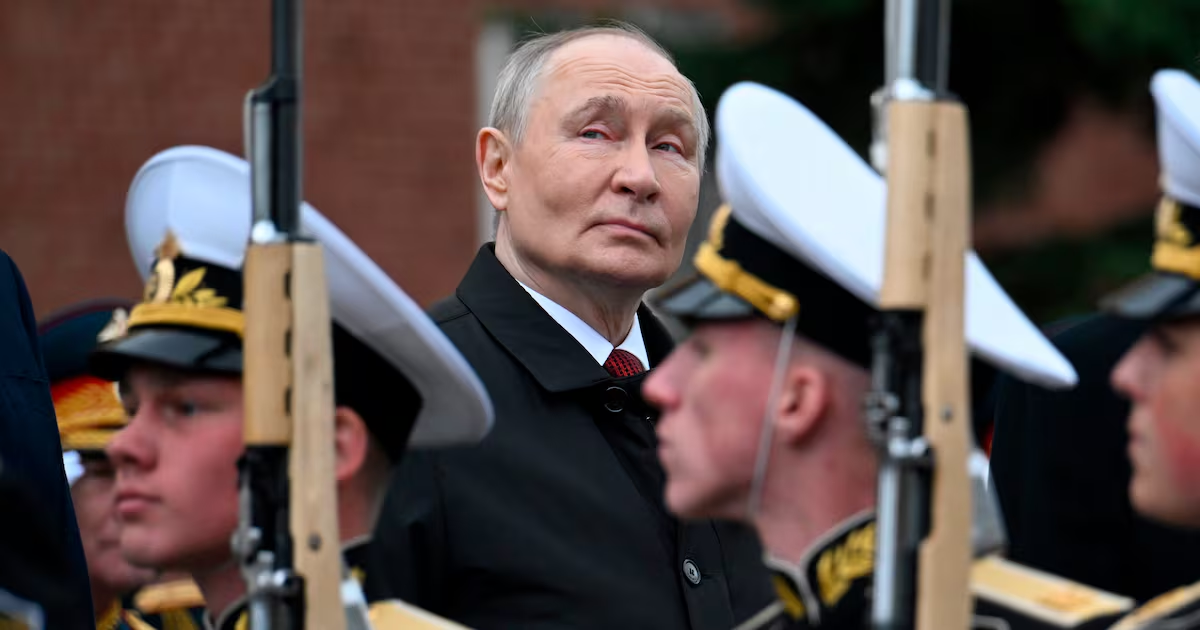
Did Victory Day signal defeat? The symbolism of the scaled-down military parade held in Moscow last month was stark. The Kremlin decided not to risk the customary display of tanks and heavy equipment on Red Square for fear of strikes by Ukrainian drones. The decision illustrated that Vladimir Putin’s “special military operation” had not only failed to defeat Ukraine. The Russian army was now at risk in Moscow itself.Unable to deliver victory after four years of all-out war, the Kremlin had sought to at least insulate Moscow and Saint Petersburg from the consequences. But the war has now reached the Russian capital. Security concerns have led to frequent closures of Moscow’s main airports and shutdowns of mobile internet. Generals have been assassinated on the streets of the capital. Fuel prices are rising across Russia because of successful Ukrainian attacks on Russian oil refineries.For Russia, as a whole, the costs of the conflict have been staggering and tragic. Anne Keast-Butler, the head of Britain’s GCHQ intelligence agency, said recently that almost 500,000 Russians have been killed in the conflict – and many more have been grievously wounded. That is an obvious threat to the future of a country whose population was already declining before the war.If a glorious victory was just around the corner, those costs might seem bearable. But Russia has now been fighting in Ukraine for longer than the Soviet Union fought Germany in the second World War. It has still failed to conquer the whole of the Donbas and, in April, the Russians actually lost territory.This dire situation is now producing visible signs of dissent within the Russian elite, including some openly questioning the war. One much-discussed piece appeared recently in the establishment publication Russia in Global Affairs. The article argued that the goal of eliminating the pro-western government in Kyiv was “fundamentally unattainable” since it would require the occupation of the whole of Ukraine. It suggested instead that a negotiated peace would be in Russia’s interests.Russian history suggests Putin should be worried – not just about the progress of the war but about his own position. Russian military setbacks have often led to radical changes of political direction in Moscow. Defeat in the Russo-Japanese War in 1905 contributed to popular unrest and moves towards a constitutional monarchy. Failure in the first World War formed the backdrop to the Russian Revolution. The removal of Nikita Khrushchev as leader of the Soviet Union in 1964 was closely related to his perceived failure in the Cuban Missile Crisis. The endless Afghanistan war was an important part of the malaise that led to the collapse of the Soviet Union.Those precedents suggest failure in Ukraine could easily lead to the downfall of Putin, who is now 73 years old. But identifying the precise mechanism for his removal is much harder.Public protests or conventional politics seem unlikely to succeed. There were big anti-Putin protests in Moscow in 2011-12, 2019 and 2021, which were met with mass arrests and violence. Charismatic opposition leaders tend to end up dead or in exile; Boris Nemtsov was assassinated near the Kremlin in 2015. Alexei Navalny died in prison in 2024 – almost certainly murdered. There are elections for the Russian Duma in September, but the result is not in doubt.[ Ukraine’s ramped-up drone power is transforming its fortunes against RussiaOpens in new window ]Men with guns have a better chance of toppling Putin than unarmed civilians. The 2023 uprising led by Yevgeny Prigozhin, the founder of the Wagner group, was the closest Putin has come to losing power since he became president of Russia in December 1999. But the mutiny failed and Prigozhin died in a not-very-mysterious plane crash shortly afterwards. Since then, Putin has ensured he has tight control over all armed forces in the country.Nonetheless, a split within the Russian elite still seems the most likely way of getting rid of Putin. This requires a critical mass of people who agree the war is going badly and that Russia needs it to end. These people would also understand that negotiating a peace with Ukraine – and a rapprochement with Europe – would be much easier if there were a new face and fresh thinking in the Kremlin. Indeed, European governments should now be doing their utmost to get that message across in elite circles in Russia.Translating elite discontent into an effective move to get rid of Putin is, however, no easy matter. It would probably require somebody near the top of the current system, with loyal troops behind him. But, as Alexander Gabuev of the Carnegie Russia Eurasia Center points out, the current elite “are all handpicked loyalists, beneficiaries of the current confrontation, with tons of kompromat on them as a deterrent, not on speaking terms with each other enough to conspire [and] all on western sanctions lists for many years”. Under the circumstances, sticking with Putin may still seem like the safer option.It is certainly tempting for exiles and outsiders to allow their judgment of Putin’s future to be swayed by wishful thinking. The obstacles to his removal remain formidable.And yet it is increasingly clear that Putin has put his country on an unsustainable course in Ukraine. To borrow a phrase that is popular in financial markets – if something cannot go on forever, it will stop.Copyright The Financial Times Limited 2026
Vladimir Putin could pay a personal price for failure in Ukraine
History informs us that military defeat often leads to radical political change in Moscow
TL;DRAI
Putin's military operation has failed after four years, with 500,000+ Russian casualties and mounting elite dissent over war costs. Escalating geopolitical instability threatens IT supply chains, cloud governance, and vendor relationships across Europe.
888 words~4 min read