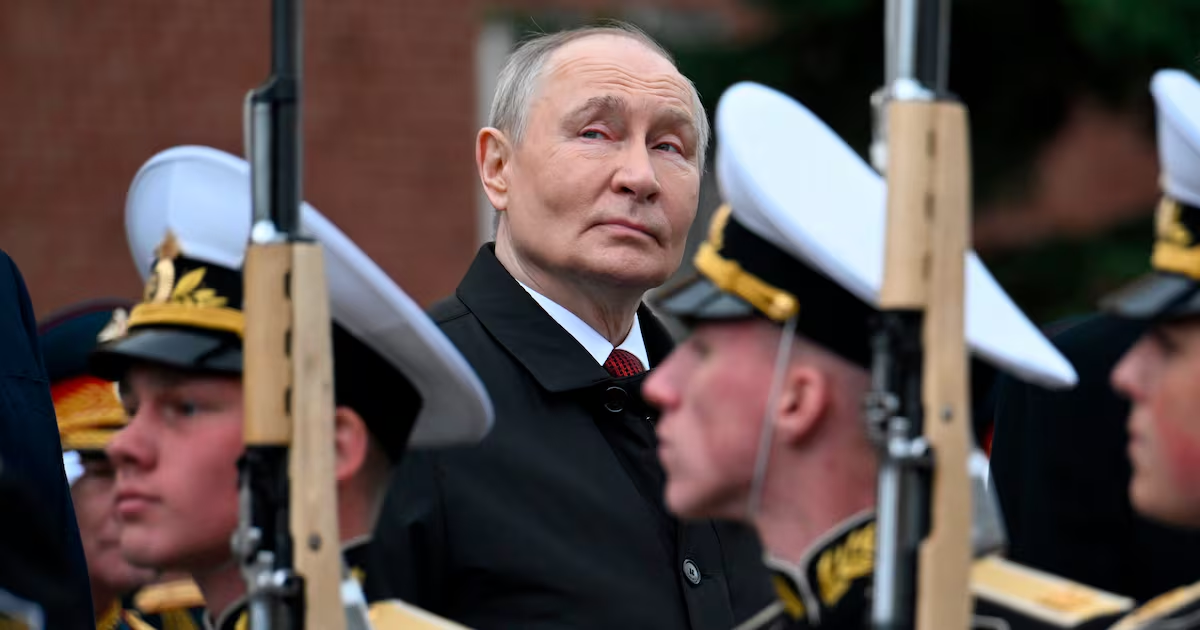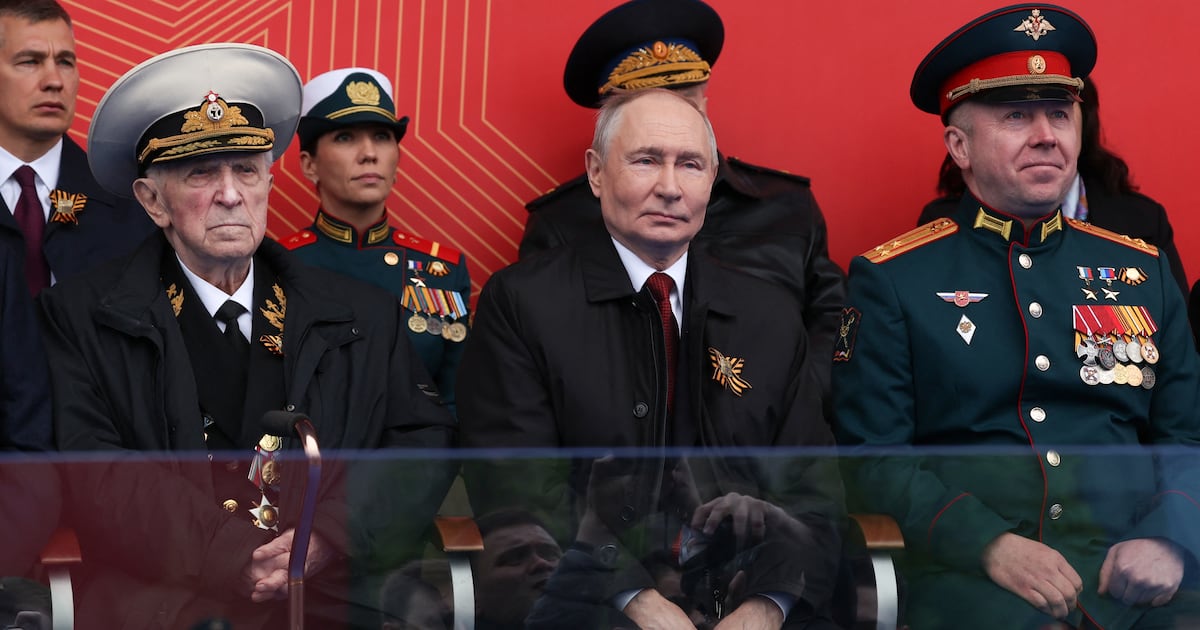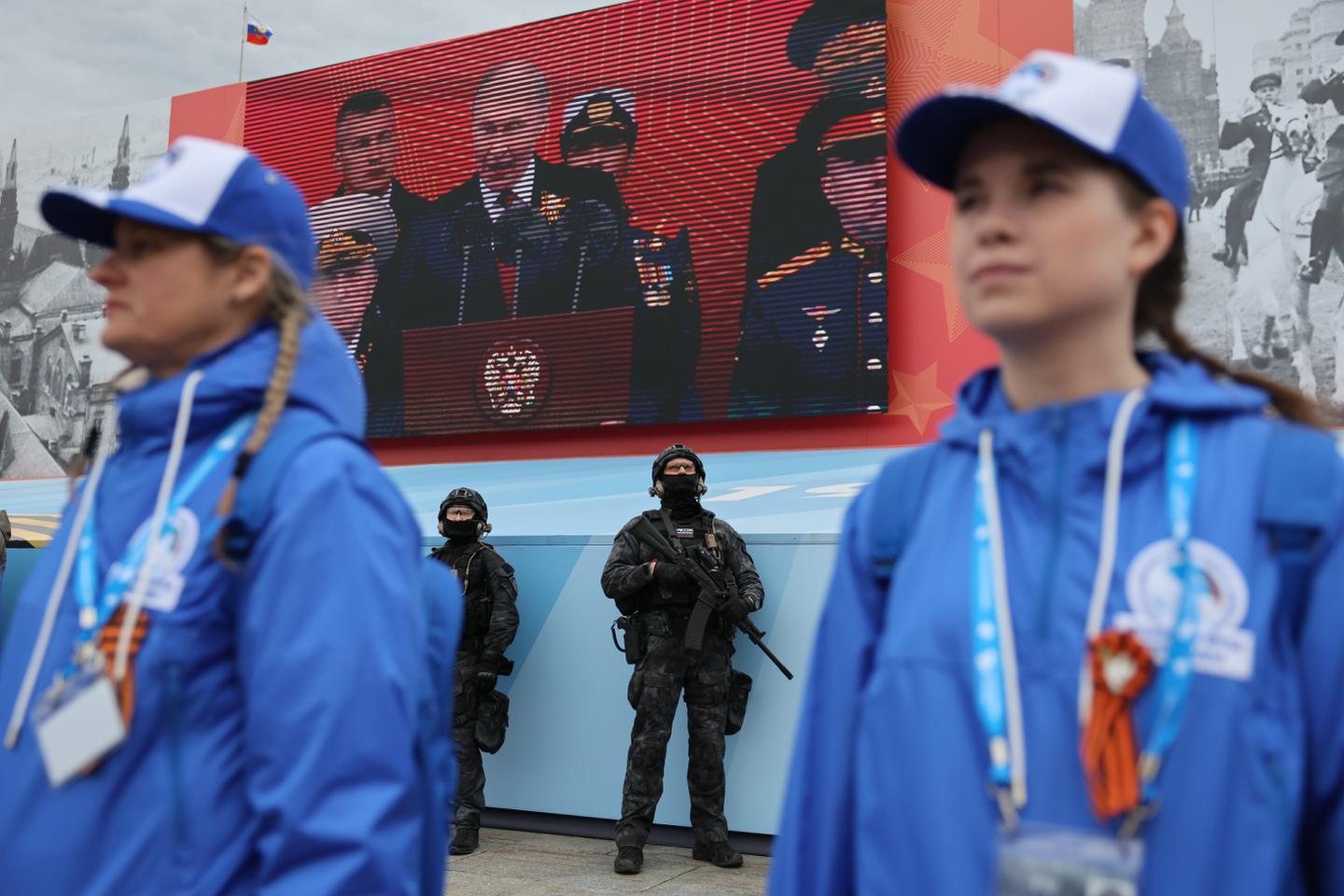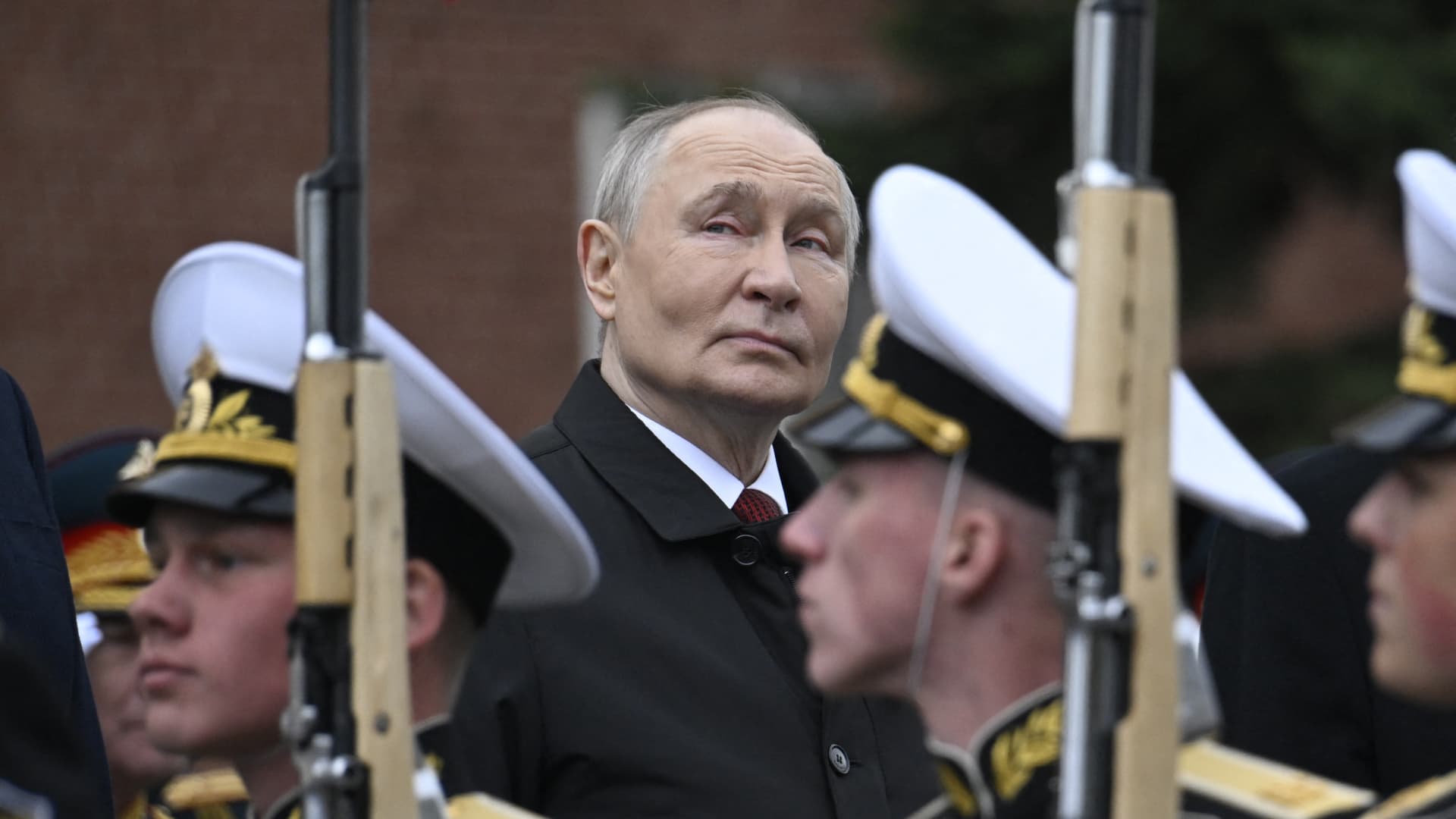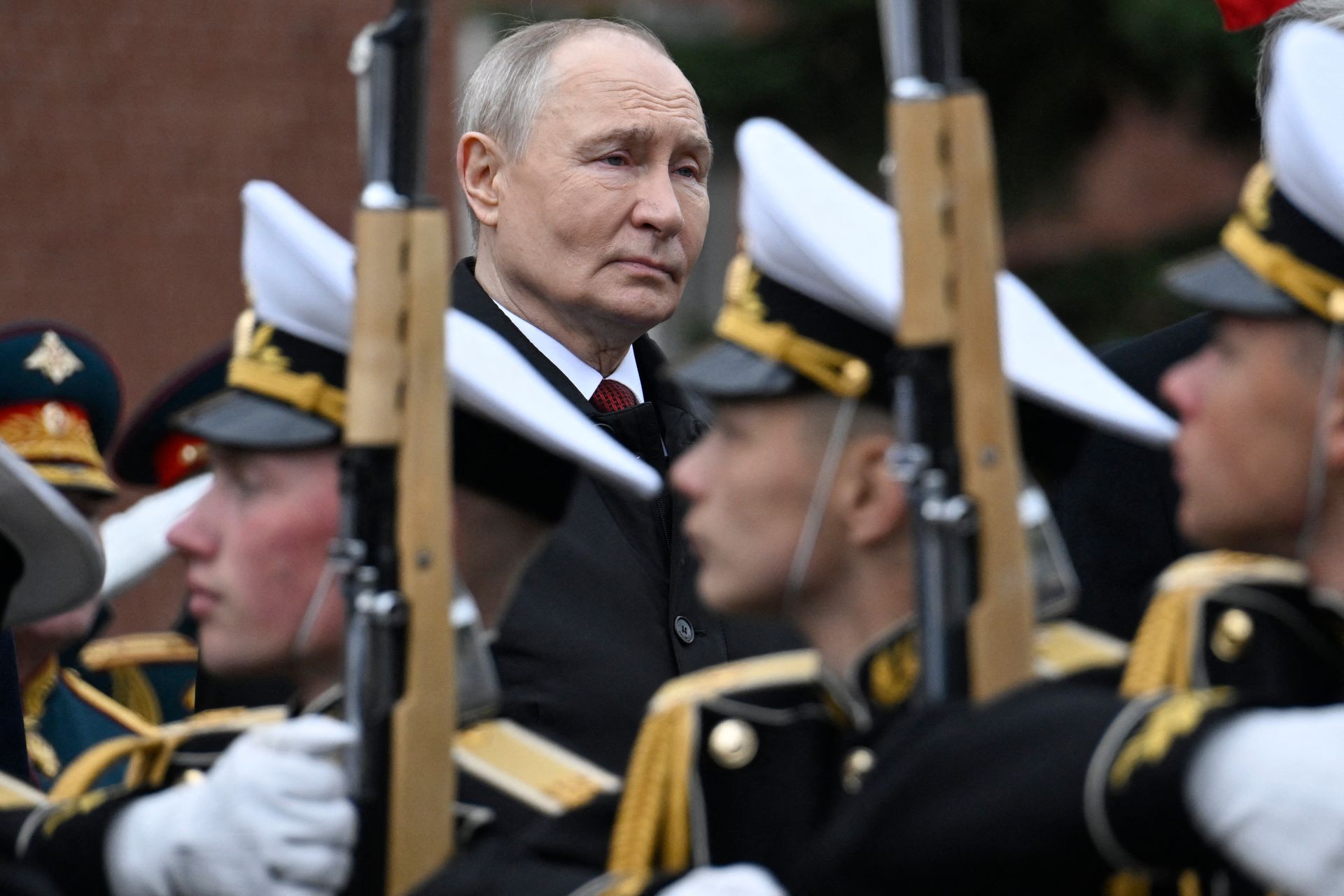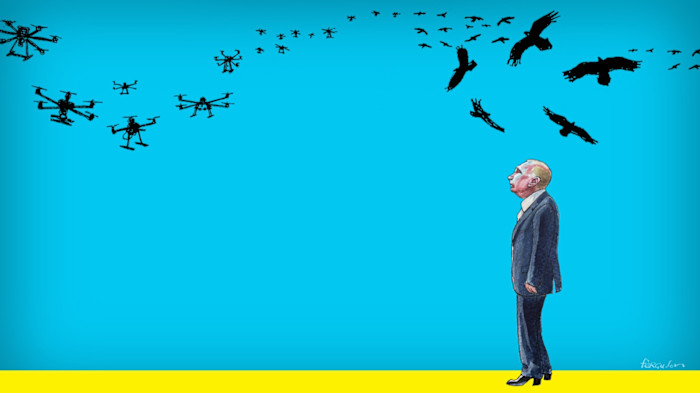
Did Victory Day signal defeat? The symbolism of the scaled-down military parade held in Moscow on May 9 was stark. The Kremlin decided not to risk the customary display of tanks and heavy equipment on Red Square for fear of strikes by Ukrainian drones. The decision illustrated that Vladimir Putin’s “special military operation” had not only failed to defeat Ukraine. The Russian army was now at risk in Moscow itself.
Unable to deliver victory after four years of all-out war, the Kremlin had sought to at least insulate Moscow and Saint Petersburg from the consequences. But the war has now reached the Russian capital. Security concerns have led to frequent closures of Moscow’s main airports and shutdowns of mobile internet. Generals have been assassinated on the streets of the capital. Fuel prices are rising across Russia because of successful Ukrainian attacks on Russian oil refineries.
For Russia, as a whole, the costs of the conflict have been staggering and tragic. Anne Keast-Butler, the head of Britain’s GCHQ intelligence agency, said recently that almost 500,000 Russians have been killed in the conflict — and many more have been grievously wounded. That is an obvious threat to the future of a country whose population was already declining before the war.