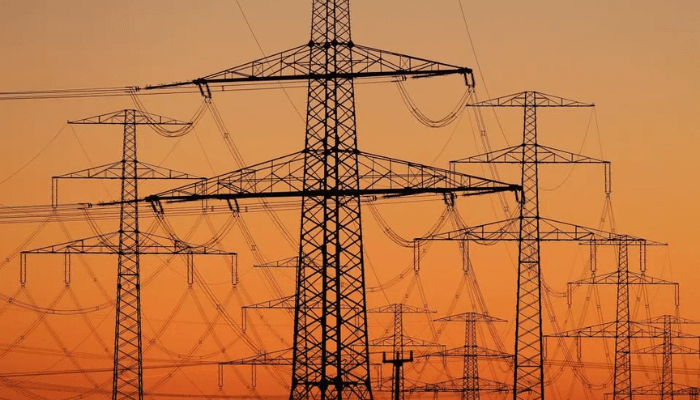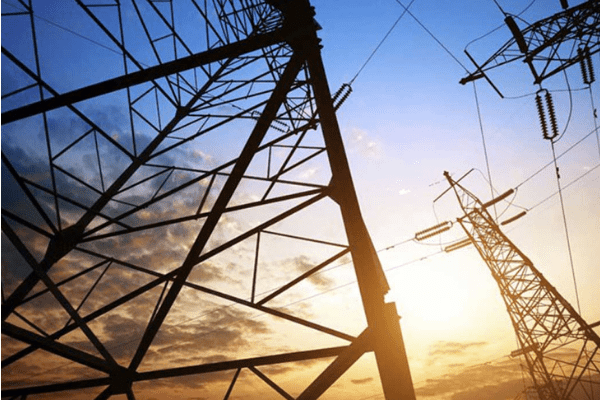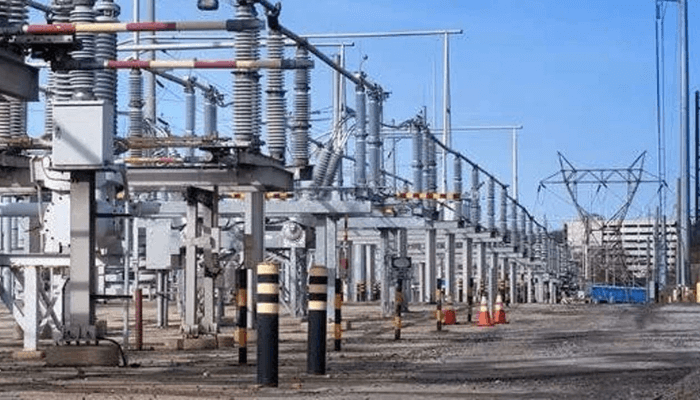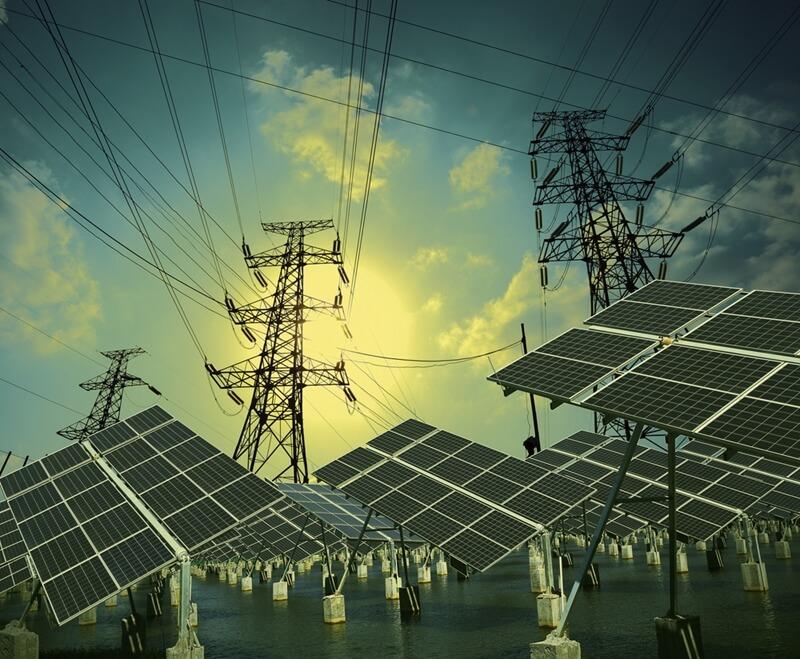
The story of electricity in Nigeria is usually told in the language of shortages. We speak of megawatts generated, transmission constraints, tariff disputes, and periodic grid collapses. We analyse regulatory reforms and debate subsidies and gas supply. Yet this familiar conversation misses one of the most consequential developments in modern Nigeria: the emergence of a vast, largely invisible electricity system operating beyond the formal state.
For millions of Nigerians, the national grid is not just an unreliable utility; but almost an irrelevance. Across the informal settlements that ring Lagos, Port Harcourt, Kano, Onitsha, Benin City, Kaduna, Ibadan and dozens of rapidly expanding urban centres, an alternative energy order has quietly taken root. It possesses its own infrastructure, rules, enforcers, and beneficiaries. It is not supervised by regulators; yet it powers homes, shops, phone-charging businesses, barbershops and neighbourhood economies. It is what might be called the phantom grid.
The existence of this shadow system reveals a truth that extends far beyond electricity. It exposes one of the defining features of the contemporary Nigerian state: where public capacity retreats, alternative authorities emerge.