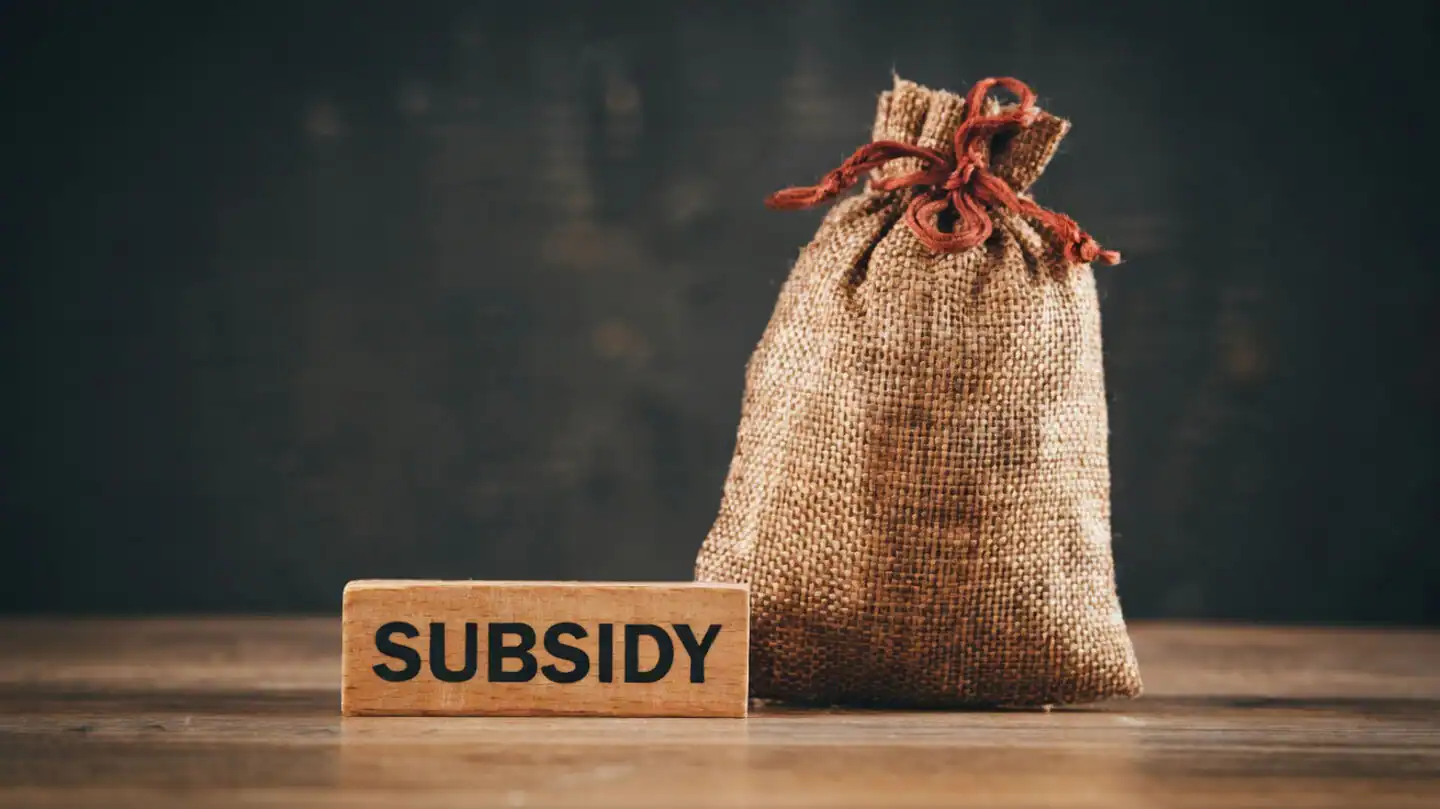
Chinese firms receive three to eight times more government subsidies than their global competitors, fuelling nearly 60 per cent of their overseas market share gains in recent years, according to a global intergovernmental report.The findings have kept Chinese companies, which now increase their presence through trade and greenfield investments, on the radar following a series of high-profile trade tensions in major Western nations, despite strong disagreement from China’s business community.The report, published on Monday, is based on the Organisation for Economic Co-operation and Development (OECD)’s MAGIC (Manufacturing Groups and Industrial Corporations) database which tracks subsidies received by 525 of the largest manufacturing groups globally between 2005 and 2024, across 15 key industrial sectors.Subsidies across the monitored sectors reached US$108 billion in 2024, the second highest since 2005, and represent 1.3 per cent of the firms’ sales revenue, it said.On average across the period covered, Chinese firms received industrial subsidies – grants, income-tax concessions and below-market borrowings – that amounted to nearly 2.5 per cent of their annual revenue. North American firms came in a distant second, at 0.9 per cent of their annual revenue with Europe coming in at below 0.5 per cent.OECD said in the report that subsidies received by Chinese firms were the main driver behind their overseas expansion: almost 60 per cent of Chinese firms’ global market share gains between 2005 and 2023 could be attributed to subsidies, compared to the global average of 22 per cent.“In almost all regions industrial subsidies were higher in 2024 than on average over the period covered by the database. That said, the difference between subsidies received by Chinese firms and firms elsewhere remained higher in 2024,” the report said.
China’s overseas expansion fuelled by huge government subsidies: OECD report
Chinese commerce chamber argued the OECD had followed international measuring standards, unfairly targeted China’s state-led financial model.
279 words~1 min read