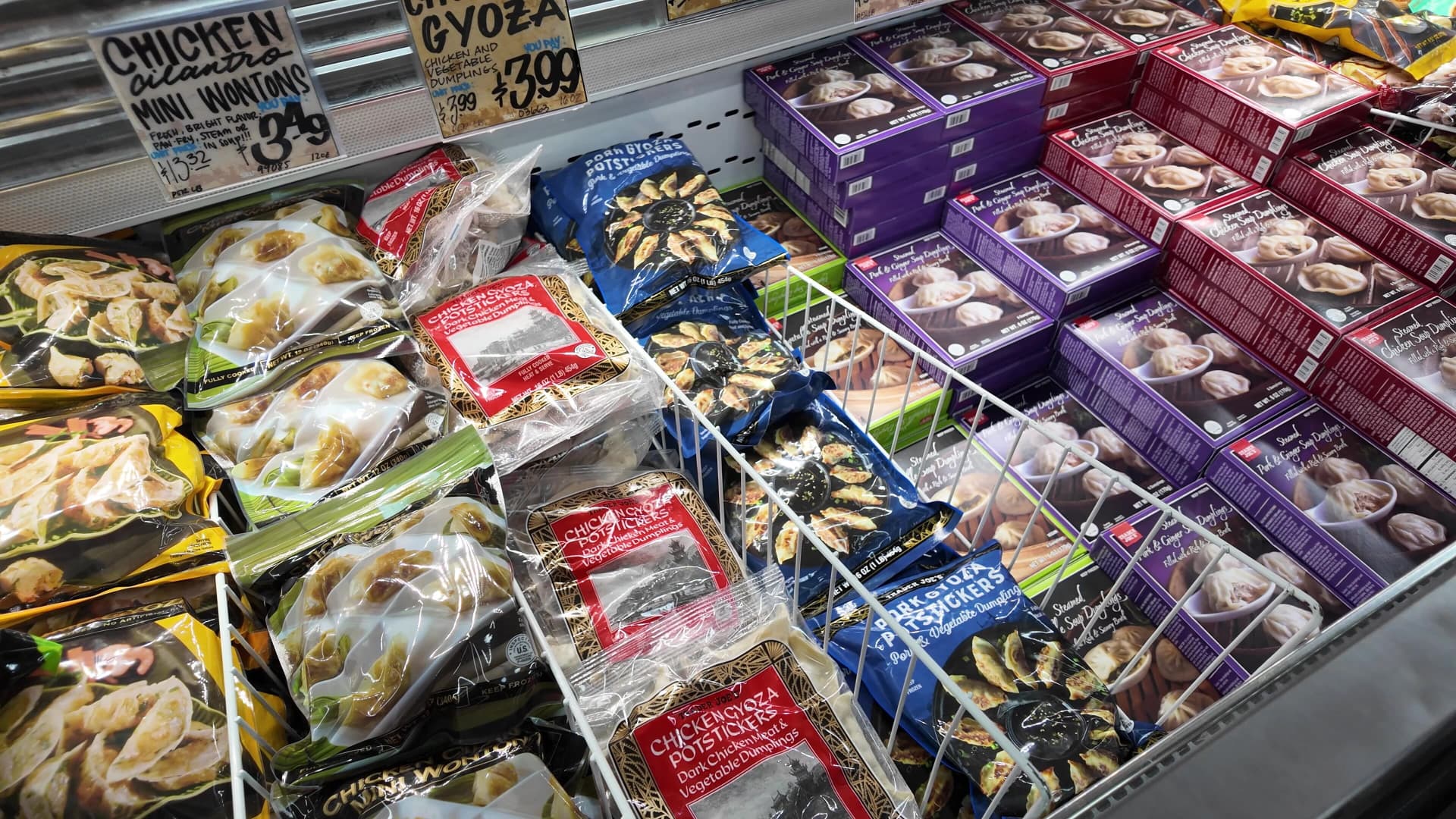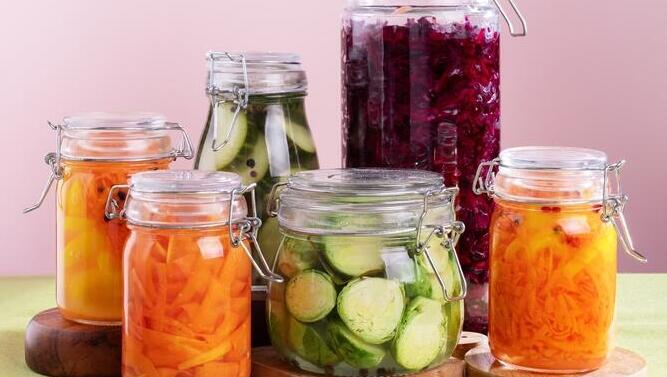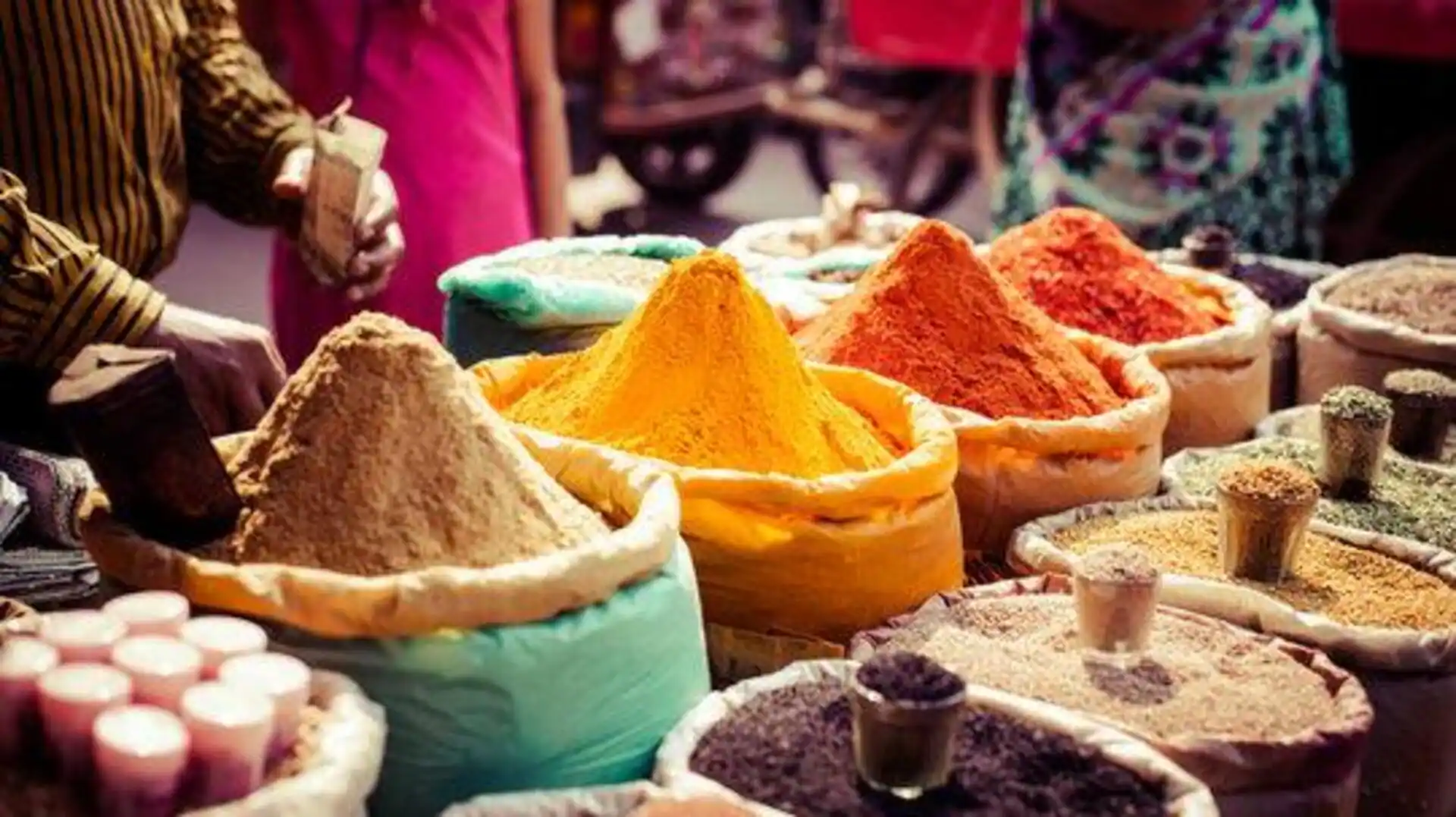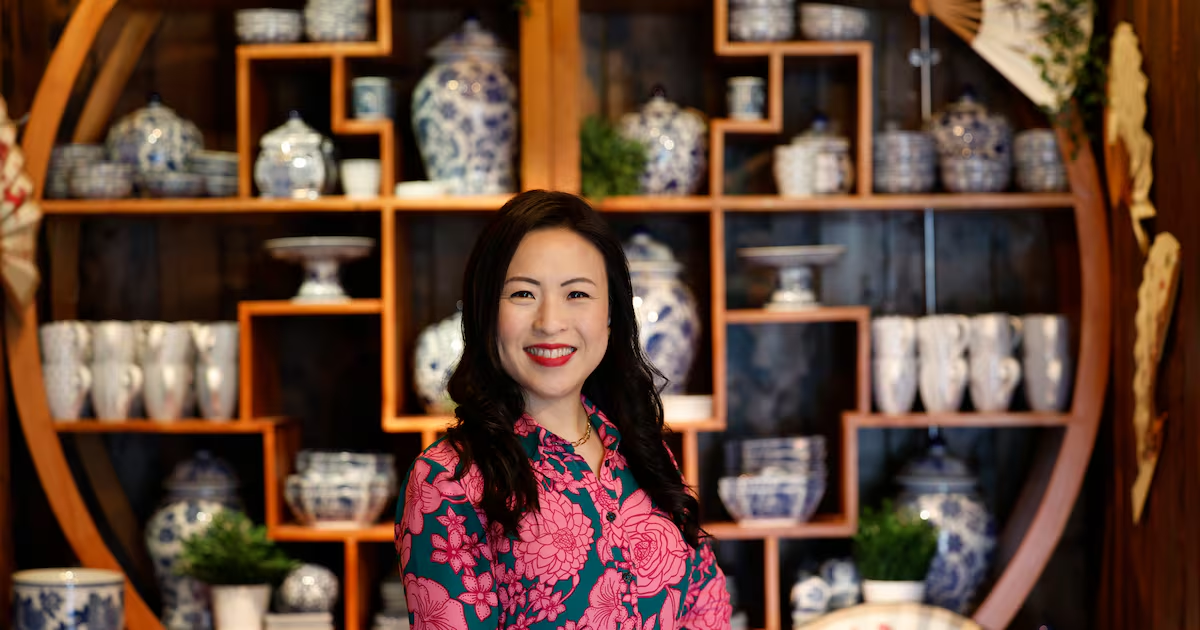
As the profile of the Irish population has changed and been enriched, so has the range of foods on offer on the average Irish shopping street. But even though it’s now possible to buy ingredients from multiple countries and cultures in most towns, it might not be immediately obvious to all how to approach their use. For the novices, there are some simple tips to keep in mind next time you walk through the doors of your local international grocery shop. Eva Pau, the operations director of Asia Market, a family business established by Pau’s father in Drury Street in Dublin in 1981, says both the business, and Ireland’s appetite for Asian ingredients, have grown over the last 40-plus years. As well as the Drury Street location, Asia Market now runs an extensive online store, along with a combined retail store and cash and carry facility in the old Tayto factory in Ballymount, Dublin 12.The Ballymount location is like an Ikea of Asian grocery stores. With ample parking, a Korean fried chicken food truck and a treasure chest of ingredients and cooking utensils, you could happily spend a whole day there. The entrance foyer is lined with ceramic bowls for ramen soups, intricately designed chopsticks, Japanese bento boxes and tea sets with bamboo handled pots and ceramic cups. Bright red and gold lanterns hang over a freezer aisle filled with frozen goodies, premade Japanese gyoza dumplings, spring rolls, seafood and meats. There are also shelves laden with sauces from China, Japan, Thailand, Malaysia, Korea and the Philippines, as well as European and western ingredients. Reams of fresh produce are also on offer, including exotic fungi and Asian vegetables grown by a Chinese woman and her Irish husband in north Dublin. It can be hard to know where to start.“Sometimes you might buy something and go, ‘well, I’ve used the miso paste in this recipe’, but then you’ve bought a tub of it, so what do you do with the rest of it if you don’t use that recipe?” says Pau. Eva Pau says it's easy to build familiarity with what you like and expand your pantry staples. Photograph: Nick Bradshaw/The Irish Times She suggests tasting your individual ingredients as you cook, so that you can build familiarity with what you like and expand your pantry staples. For example, she says you could start by figuring out your preferred type of soy sauce. “Light soy is for the saltiness, so it gives a more salty flavour and then the dark soy is used for giving more colour. It is not as salty, but a little bit sweeter. For instance, the ratio that you would usually use if you’re cooking something is two tablespoons of light soy to about one tablespoon of the dark soy,” the chef and television presenter says. “You can use it in marinades. You can use it when stir frying, in fried rice, and then eventually it will just become a normal pantry ingredient. “There’s also kecap manis, which is an Indonesian sweet soy sauce. It tastes a bit like a kind of molasses. It’s very thick and deep and can be used for both cooking and marinating.” Other staples for Pau include oyster sauce, which she suggests you can add to butter and garlic to create a rich umami sauce for pasta, and Chinese black vinegar, which she thinks “is quite similar to a balsamic vinegar”. “It’s not really sharp, but it’s slightly sweet. I use it a lot in making a salad.”Fresh kimchi is really popular. It’s really healthy and it can be used in many different things— Eva Pau, Asia MarketAnother suggested ingredient is kimchi, a Korean side dish consisting of salted and fermented vegetables. “Fresh kimchi is really popular. It’s really healthy and it can be used in many different things. You put it into your fried rice and make kimchi fried rice. You can do a savoury pancake, like kimchi pancakes, and then if you’re having a meal, like noodles or something, you can add a little bit of kimchi on the side as well.”[ Mongoose review: This new Dublin 8 spot is now my favourite restaurantOpens in new window ]It’s also worth knowing what kimchi actually means.“When people refer to kimchi, they just think of cabbage kimchi but kimchi is a way of pickling or fermenting,” she says, adding that Asia Supermarket sells spinach and radish kimchi. Also in Dublin, Eurasia was founded in 2010 and has three outlets – one in Talbot Street, one in Fonthill retail park in Lucan and a convenience store in Adamstown. All locations offer ingredients from South Asia, a region of more than two billion people which includes India, Pakistan, Sri Lanka and Bangladesh. In the fluorescent-lit Talbot Street shop, patrons wander through aisles of 20kg sacks of rice, bags of spices, boxes of fresh herbs and produce along with pickles, chutneys and piles of pulses. Wide range of spices at Eurasia Supermarket on Talbot Street, Dublin. Photograph: Dara Mac Dónaill/The Irish Times Fahim with frozen naan bread in Eurasia Supermarket, Talbot Street, Dublin. Photograph: Dara Mac Dónaill/The Irish Times Large bags of rice at Eurasia Supermarket, Talbot Street, Dublin. Photograph: Dara Mac Dónaill/The Irish Times Mitu Kaur Puri, the senior manager for the Eurasia supermarket group, says its offering caters for every cuisine. “We are an ethnic store so we cater for everyone, worldwide food,” she says.Puri believes that the spices, which are generally available in larger quantities and often at a cheaper price than in mainstream Irish supermarkets, might offer a good jumping off point, with both common spices like black peppercorn, or high-end luxury offerings such as saffron available. Puri suggests cooks could vary already familiar spices and swap black peppercorns for fresh green ones for a peppercorn sauce with “enhanced flavour”. Another beginner-friendly option suggested by Puri is frozen samosas; a triangular pastry with a savoury filling (often potato and pea but there are meat fillings too) which can be oven-baked, air-fried or fried in oil. An easy ingredient to try, she says, are the shop’s frozen breads, which can be cooked in the pan straight from frozen on a high heat with no oil. A lot of the snacks are made out of lentils, chickpea flour, sprouted lentils and lotus plants, so they are a lot healthier as well— Mitu Kaur Puri, Eurasia supermarket“We have so many breads; naan breads, parathas and kulchas,” she says.Naan is a leavened bread with a light and fluffy texture that uses dairy in the dough. Parathas are flatbreads made with wheat flour and are folded and rolled with ghee, a clarified butter. Kulchas make use of refined wheat flour and are often stuffed with vegetables or meat. If all this cooking sounds like too much effort, fear not as Puri says the store has more than 150 varieties of salty snacks, which are not dissimilar to the beloved Irish favourite, crisps. “A lot of the snacks are made out of lentils, chickpea flour, sprouted lentils and lotus plants, so they are a lot healthier as well,” says Puri. “You can get different flavours – spicy ones to mellow ones and tomatoey ones – but they’re a big hit. We call them Namkeen. So it’s like only a crisp, it’s for munchies." Ina Nicolaiciuc, head of marketing at Polonez, says that “rather than focusing on one country, the business stocks more than 7,000 products from countries including Poland, Romania, Moldova, Bulgaria, Lithuania and beyond”.At its flagship store in the Ilac centre in Dublin 1, Polonez customers can peruse fresh produce, smoked cheeses, sour creams, a large selection of pickled foods as well as the frozen desserts section.Polonez store in the Ilac Centre in Dublin city centre. Photograph: Dara Mac Dónaill/The Irish Times Selection of meat at Polonez in the Ilac Centre. Photograph: Dara Mac Dónaill/The Irish Times There’s also a long and well-stocked butcher counter running the length of the back of the shop with everything from chicken thighs to pheasant, and for beer aficionados a selection of Eastern European lagers. Nicolaiciuc says the shop’s range of pickles – which includes cucumbers, cabbage and beetroot – are eaten not just for the health benefits of fermented foods, but their “comforting, familiar flavours”. Another gut health hero stocked by Polonez is kefir, a fermented yoghurt drink which Nicolaiciuc says Eastern Europeans enjoyed “long before it appeared in wellness blogs”. Other popular items she suggests customers consider are Moldovan plăcintă pies filled with cottage cheese, Polish pierogi served with sour cream, and Ukrainian piroshki with potato or sour cherry fillings that only need reheating.The best of Lithuania at Polonez, Ilac Centre. Photograph: Dara Mac Dónaill/The Irish Times For the pierogi, she says “the classic way to prepare them is to boil them in salted water until they float to the surface, then lightly pan-fry them in butter for a golden finish. They are usually served with sour cream, fried onions or crispy bacon”.Nicolaiciuc says “the frozen cake section at Polonez often surprises first-time visitors”, with frozen sweet treats such as honey cake, Napoleon cake (which is also known as mille-feuille), the hazelnutty Kiev cake and chocolatey Black Prince cake. “Mothers and grandmothers still bake elaborate homemade cakes,” Nicolaiciuc says, adding that “these cakes are closely connected to childhood memories”, but the frozen dessert section offers a hassle-free alternative.Tips and tricks for experimenting with your grocery shop: Chiller instinctFrozen foods can offer a great way to experiment without being committed to eating everything in one go; you can try a single dumpling instead of having to eat 30 in a short window. Stick to what you know – sort ofFind different spins on ingredients you already like – if you know you like mushrooms on toast, why not try a fancy version with king oyster mushrooms? Try ingredients as you cookIf you buy a specific ingredient for a specific recipe, taste as you cook with it, to see if it could work in something else. It may join the ranks of your pantry before you know it. Heat and eatReady-made items such as pierogi, samosas and dumplings offer an eejit-proof cooking option.
How to shop at an international grocery store: the best sauces, dumplings and pickles
Tips and tricks from the businesses bringing east Asian, south Asian and eastern European ingredients to Ireland
1,693 words~8 min read