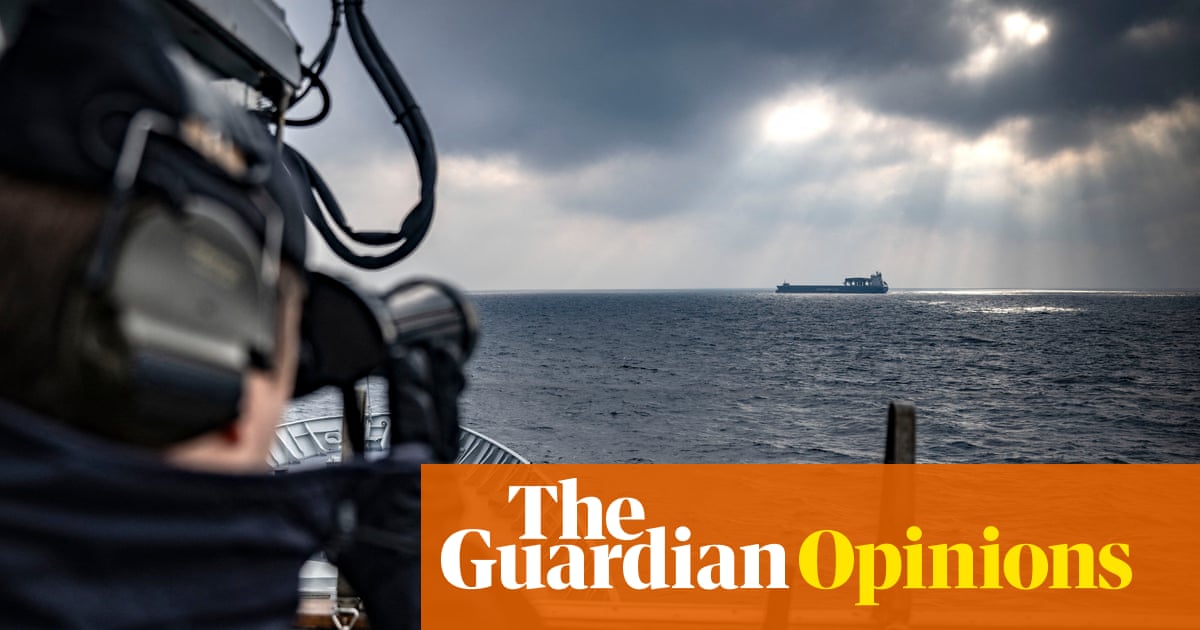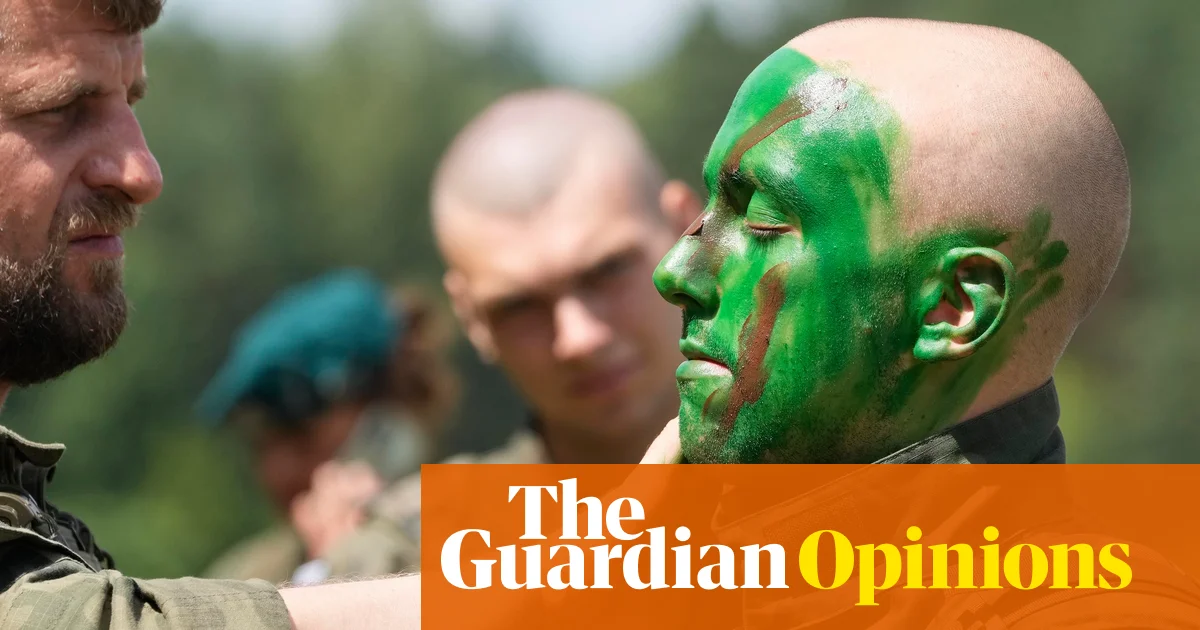
Wars, these days, target digital infrastructure as well as military installations. The very fact that large chunks of daily life can be knocked out without a single shot being fired is the reason Russia seems interested in doing exactly that. It is, for example, already dangerously interfering with aviation and shipping around the Baltic Sea.Imagine the impact of larger, more successful cyber-attacks on our modern lives. Ordinary citizens would have to survive without texting, banking apps, public transportation and most modern office work. The government, though, would need to keep operating. In an offline world, the logistics of running a country would require many people. Some of these people, Sweden suggests, could ride motorcycles.Sweden’s Volunteer Motorcycle Corps (FMCK), an auxiliary defence organisation, is training civilians as volunteer motorcycle couriers. In a crisis, these bikers would ferry crucial items between government offices and whoever else might need to receive them. (Drones, which adversaries can relatively easily tamper with, would hardly be safe enough for the delivery of crucial items in war.)The idea is catching on. More than 250 couriers have already completed the course, and more are in training. Across Sweden, ordinary citizens are contributing their skills – from radio communications to dog training – to other auxiliary defence organisations which provide practical support to the armed forces but don’t involve combat. Other Swedes have joined the Home Guard, a part-time organisation that looks after homeland defence. Joining the Home Guard has become so popular that the force has far more applicants than openings. Sweden has also launched a pioneering civil defence force encompassing people in professions that are indispensable during severe crises.Just like Sweden, other countries in the Nordic-Baltic region are showing us that national defence is as much about people as it is about weaponry. Beyond traditional Home Guards, more innovative outfits are also allowing citizens to volunteer for their nations’ defence. Estonian IT professionals can join the country’s cyberdefence unit, while the country’s teenagers are being trained in practical survival skills. Children and adults in Lithuania are learning to build and operate drones. And in Poland, the government has launched a programme called W Gotowości (“Always Ready”) in which an astounding 400,000 citizens receive training in basic military skills, survival, first aid and cybersecurity hygiene.A volunteer of Estonia’s Women’s Defence Organisation, 2022. Photograph: Kyri Evangelou/The GuardianAlthough enthusiasm varies, national defence is becoming a popular movement, and that’s a good thing, because defence is not the exclusive realm of professional soldiers. The UK doesn’t have similar citizen participation – yet. Nor do countries such as Italy and Spain. But even in the middle of Europe, where threats feel more distant, sentiments are starting to shift. In Germany, only 30% of people aged 18 to 28 support the introduction of mandatory military service, and only 14% of them say they would serve – but four out of five Germans support a mandatory year of service across society. And sign-ups for the Technisches Hilfswerk – the hybrid government agency and volunteer organisation that deploys during crises – are rising.For the past few years, the conversation among Nato member states has been focused on how much money they are investing in the military. At last year’s Nato summit in The Hague, they all promised to increase their commitments from 2% of GDP to 5%. Ministries of defence across Europe have placed enormous orders, including lots of large ones in the United States. (US weaponry is good, and European governments feel that buying American will help them score points with Donald Trump.) As difficult as it is to find the money for all these weapons, it’s often more straightforward than drumming up defence’s other crucial ingredient: people. Soldiers suited to each aspect of modern warfare have to be recruited – and entirely new ways of engagement have to be created for civilians.While making sophisticated weaponry requires time, people – potential soldiers and civilian helpers alike – are available straight away, and the countries that best harness this phenomenal resource are the ones that will best be able to defend themselves.Some European countries are fortunate to already have such commitment from their population. Yet others could foster it. Yes, top-performing nations such as Sweden and Estonia may be relatively small, but citizens’ willingness to fight is priceless. Yes, the threat from Russia is considerable. Yes, they’re smaller than Russia. But they have citizens who are willing to stand up for their country even when the odds are not in their favour. That’s worth even more than lots of whiz-bang weaponry.What’s more, defence that involves citizen volunteers is the way to build national security in a democracy. Defence is not about an exalted and separate warrior caste; it’s about everyone doing what they can to keep their country safe. Not every nation will be able to train citizens as volunteer motorcycle couriers for the government, but every country can create ways for its citizens to get involved. Countries outside the Nordic-Baltic region could start by keeping their citizens updated about the threats their countries face: these are often less obvious than the ones facing northernmost Europe, but they’re just as serious.What most nations can learn from the Baltic region is that a considerable number of citizens are willing to pitch in. They just need tangible opportunities to do so.
Weapons are one thing, but if war breaks out, Europe’s best resource is its people | Elisabeth Braw
In Scandinavia and the Baltic region, citizens are signing up to do their bit as non-combatants. Other Nato allies should take heed, says Elisabeth Braw of the Atlantic Council
884 words~4 min read