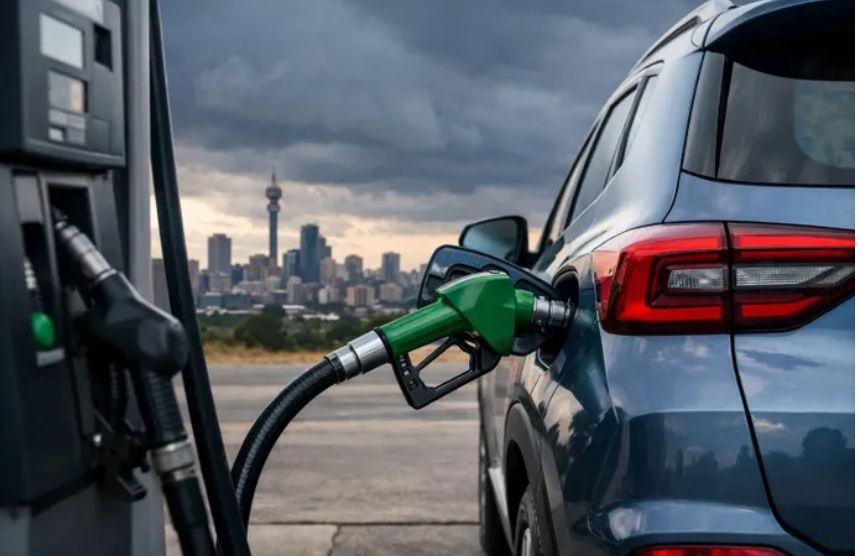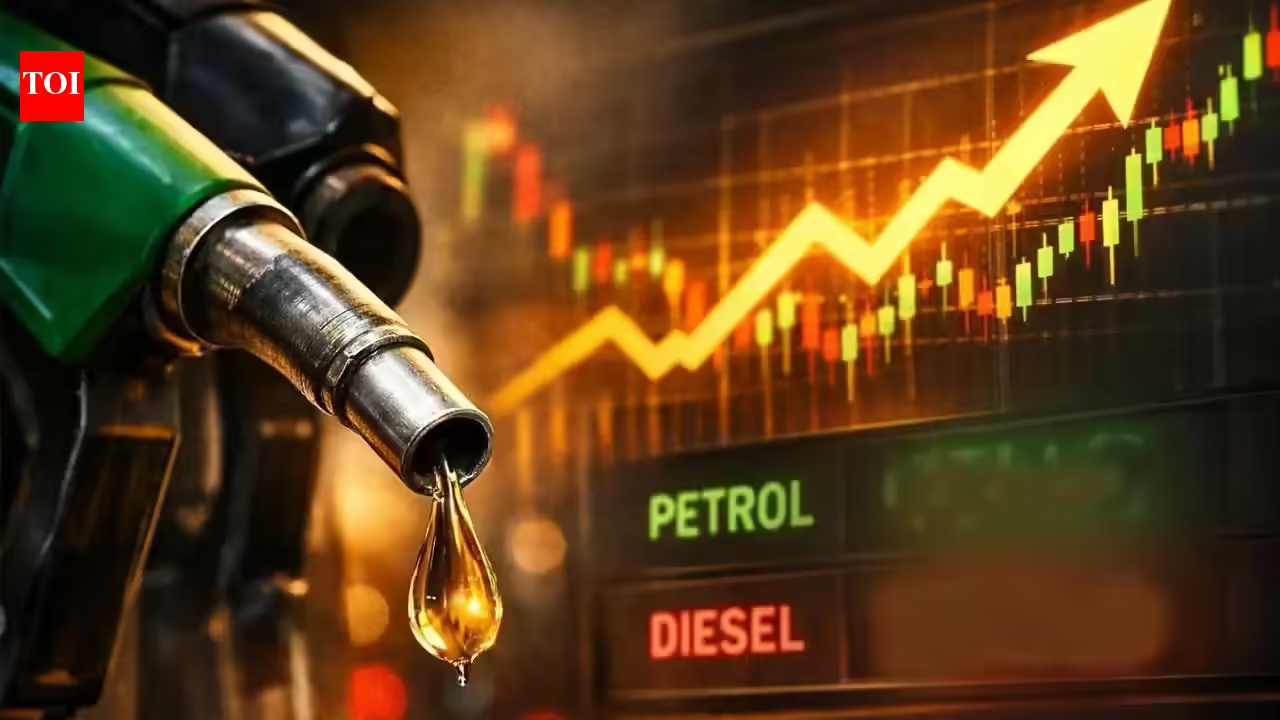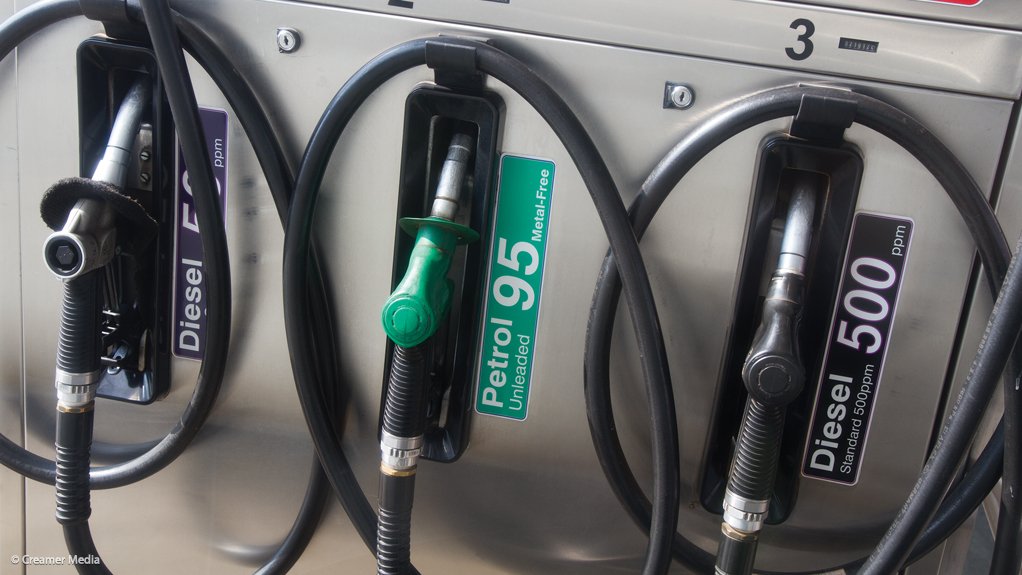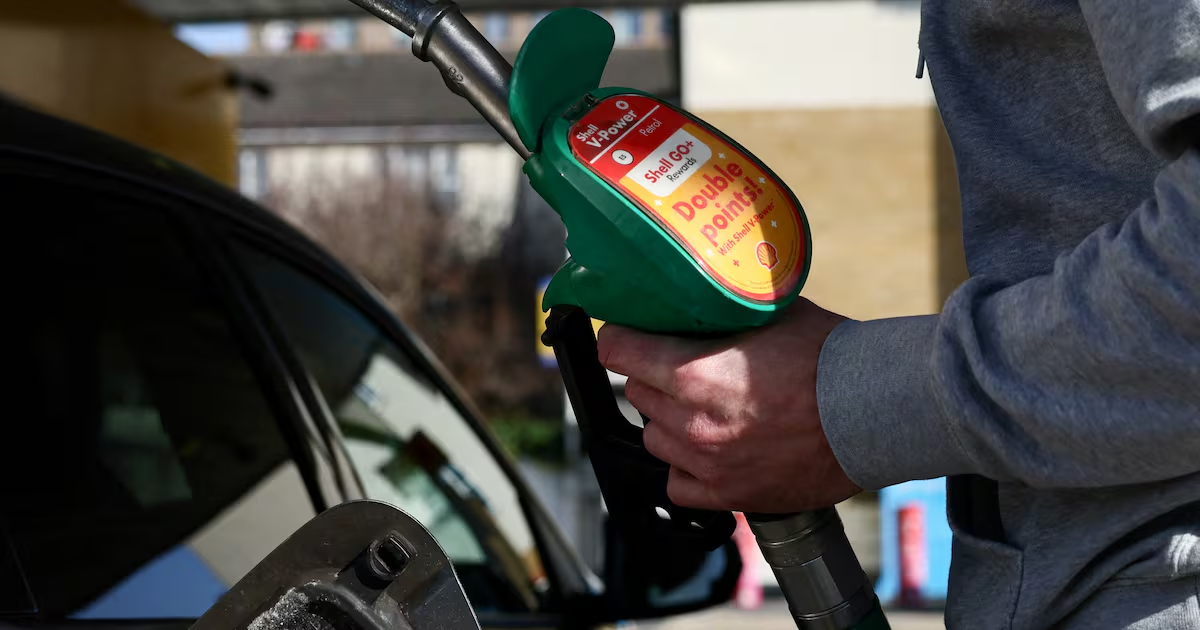
More pain lies in store for struggling households from Wednesday when the price of petrol rises sharply and the general fuel levy relief is halved.This will cause ripple effects throughout the economy. The price of petrol will increase by R1.43/l for both 93 octane and 95 octane, but the price of diesel will fall sharply by R3.24/l for 0.5% sulphur and by R2.61/l for 0.005% sulphur. The decline in the diesel price will have a positive impact on industry.The R17.2bn relief provided by the government, initially for April and May and then extended until end-June, was in the form of a R3 reduction in the general fuel levy to R1.10 and for diesel, initially from R3.93 to R0.93 and then to zero in May. According to mineral & petroleum resources minister Gwede Mantashe, the general fuel levy relief for June is reduced by R1.50/l and by R1.96/l for diesel. This will increase the general fuel levy for petrol from R1.10/l to R2.60/l and increase the general fuel levy for diesel from R0/l to R1.96/l until end-June. The main contributing factor to the petrol price rise, Mantashe said in a statement, is the price of crude oil, which has soared due to the blockage of the Strait of Hormuz by Iran in response to bombardments by the US and Israel. (Brandan Reynolds) While the US and Iran are still negotiating a peace deal and while incorrect news that one has been reached has seen the price of crude oil drop slightly, it will probably take longer for the oil market to settle. The hike in the oil price has contributed to higher inflation and to the decision by the Reserve Bank’s monetary policy committee last week to raise the repo rate to 7%. Consumer prices rose 4% in April, up from 3.1% the previous month, mainly due to higher energy costs. After falling by 8.7% in March, fuel prices increased 11.4%, which Reserve Bank governor Lesetja Kganyago said was the largest jump in fuel inflation yet. Bureau for Economic Research (BER) chief economist Lisette IJssel de Schepper emphasised the importance of the diesel price decrease for industry. She said the BER has calculated that the fuel cost for the economy was about R45bn more in quarter two than what would have been paid if prices had remained at the same level as in quarter one. About 70% of this came from diesel. If the diesel price had not been lowered, that number would be even higher.She added that the changes were in line with BER expectations for inflation to come out at 4.2% for the year.Oxford Economics Africa senior economist Jee-A van der Linde said the petrol price increase came amid intense price pressures spreading throughout the economy. While the reduction in the diesel price is welcome and will help the transport sector and industry in particular, its effect will not be substantial in the context of these rising pressures.The average Brent crude oil price increased from $101 to $104.59 last month. However, the prices of middle distillates (diesel and paraffin) decreased due to lower seasonal demand as the northern hemisphere moves into summer. The rand strengthened over the period. The rand appreciated on average against the US dollar (from R16.65 to R16.52) during the period under review compared with the previous one. This led to slightly lower contributions to the basic fuel prices of petrol, diesel and illuminating paraffin by 12.07 c/l, 14.81 c/l and 14.55 c/l, respectively. The wholesale price of illuminating paraffin will decrease by R5.96/l, and the maximum retail price of LP gas will decrease by 17c/kg and by 20c/kg in the Western Cape.
Petrol price shock looms as fuel levy relief is cut
Higher petrol costs and reduced levy relief put fresh inflation pressure on households
607 words~3 min read