Get the latest news and updates from Dawn
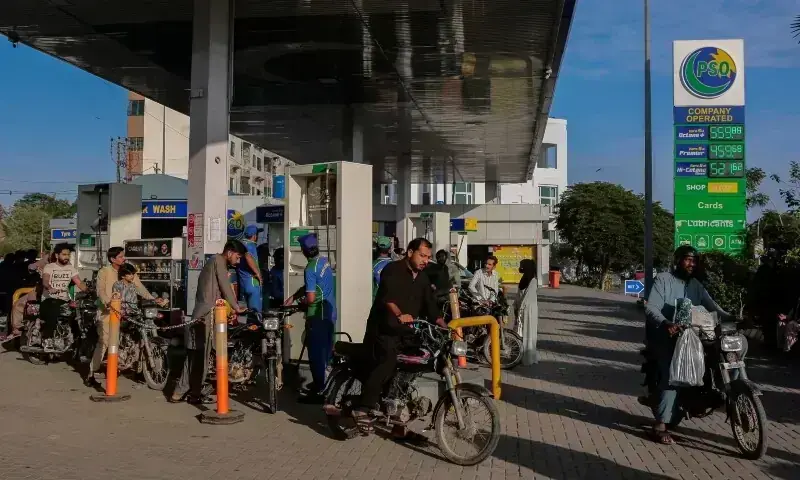
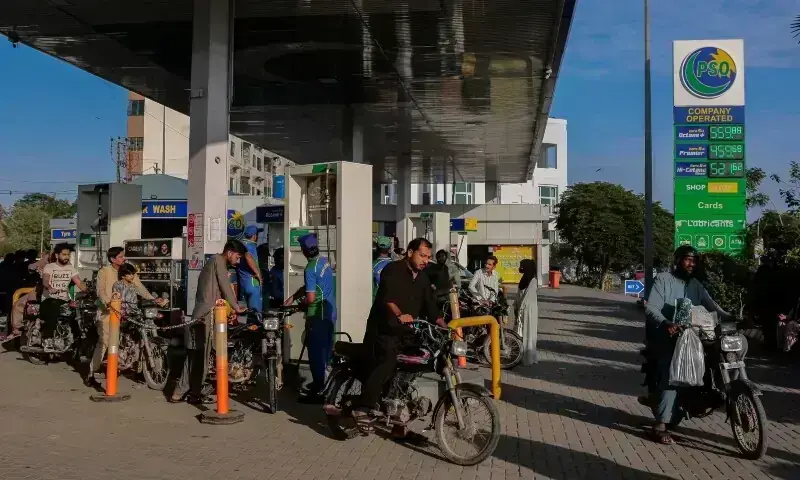
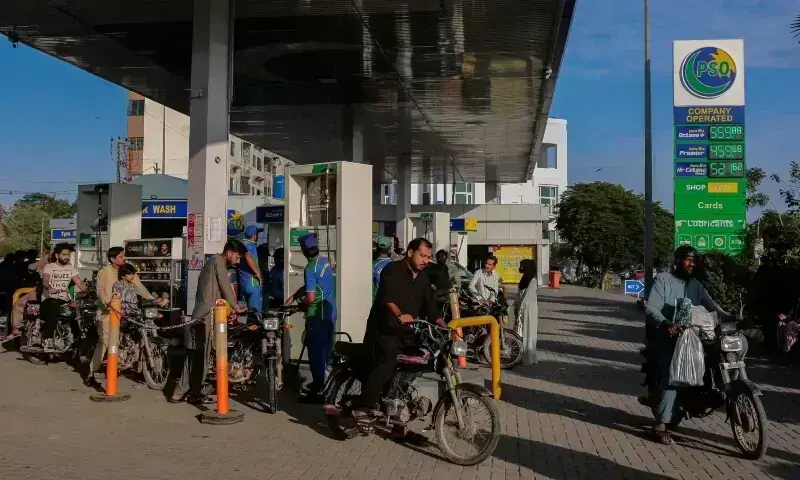
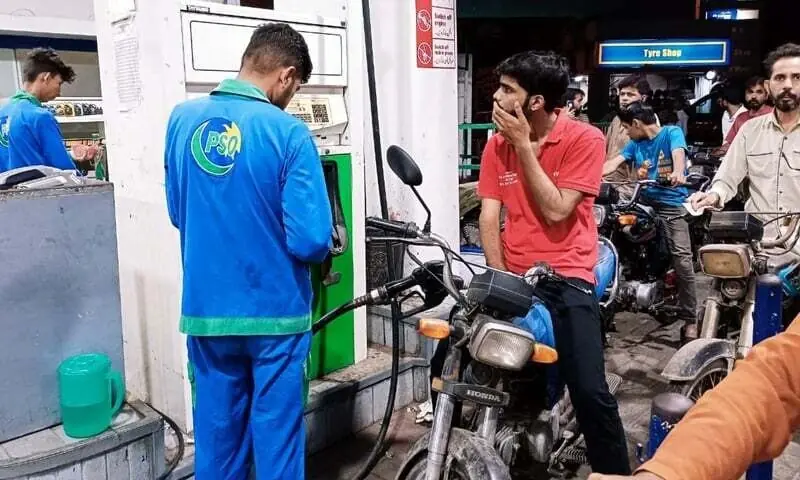
The federal government recently announced a Rs22 per litre reduction in petrol and high-speed diesel prices. The decision lowered petrol prices from above Rs403 per litre to approximately Rs381.78 per litre and was presented as a measure to provide relief to consumers facing persistent economic pressures. Yet the public response was far from enthusiastic.
Instead of celebrations, many citizens reacted with scepticism. Others questioned whether the reduction would make any meaningful difference in their lives. The reason is simple: while petrol may have become cheaper than it was a few weeks ago, life itself remains expensive.
Petrol still costs nearly Rs382 per litre, plus the prices of food, electricity, gas, medicines, transportation, and housing remain elevated. Consequently, many households do not perceive the reduction as a visible improvement.
Public sentiment is also shaped by recent memory. Before regional tensions involving Iran disrupted global energy markets, petrol prices in Pakistan were substantially lower. Earlier this year, consumers were paying nearly Rs250-270 per litre. The subsequent surge in international oil prices pushed domestic fuel prices above Rs400 per litre. Although recent reductions have lowered prices somewhat, consumers naturally compare current rates with pre-crisis levels rather than with the record highs of recent weeks.