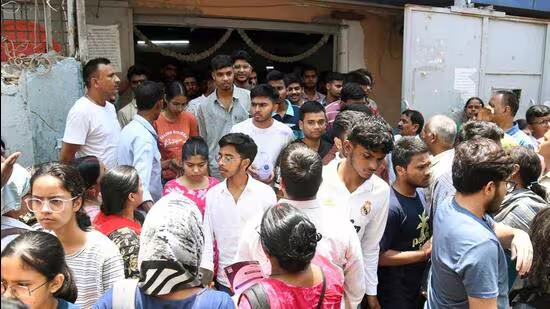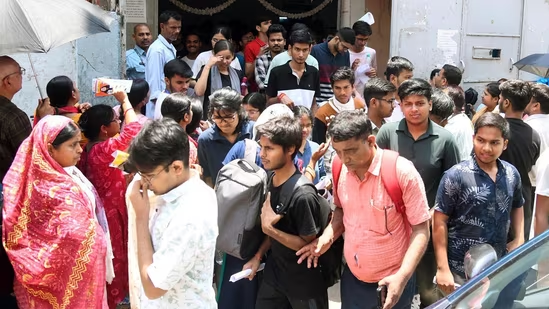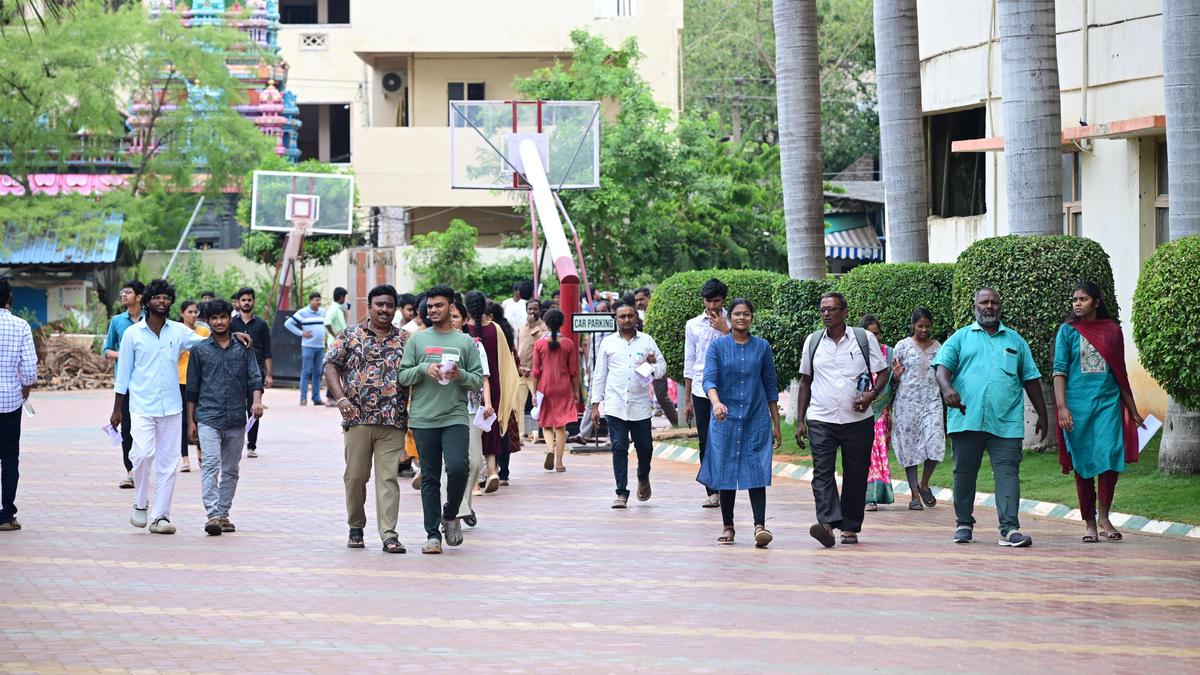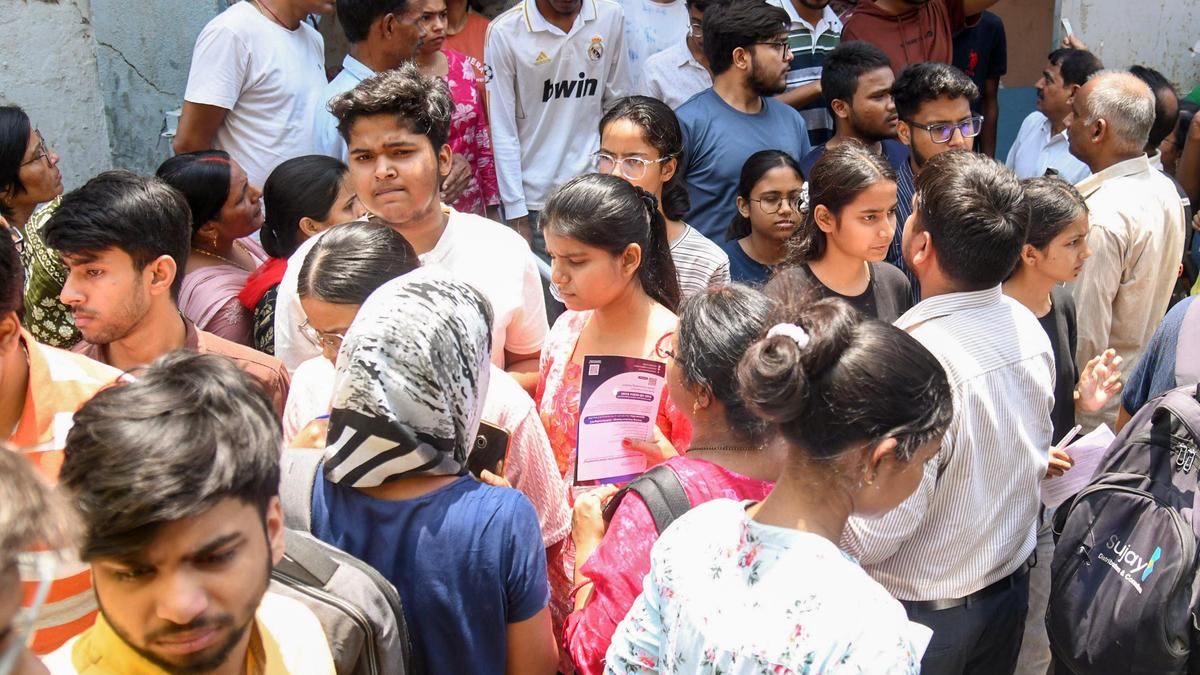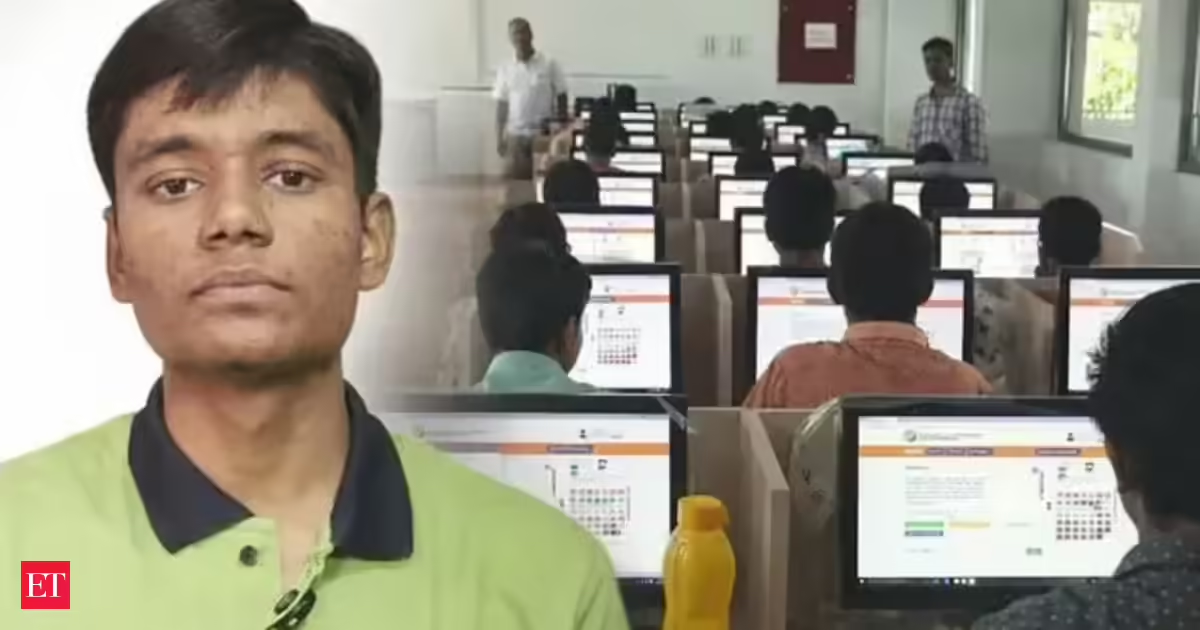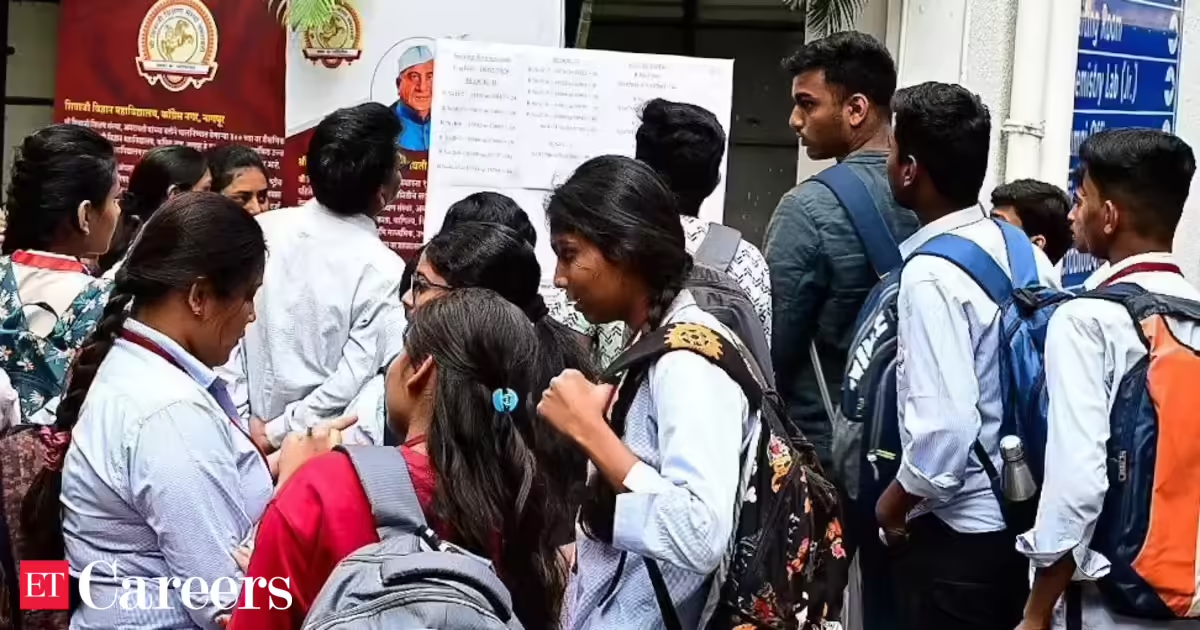
A total of 56,880 candidates have qualified in the Joint Entrance Examination (JEE) Advanced-2026, a 4.6% jump from last year, with Shubham Kumar from Bihar topping the exam that is required to enter the premier Indian Institutes of Technology (IITs).Of the top 10 qualifiers, five are from the IIT Delhi zone, three from Madras, and two from the Bombay zone. (Santosh Kumar/ HT)The qualified candidates will now compete for 18,951 undergraduate engineering (BTech) seats across 23 IITs. This means only about one in three qualified candidates will secure an IIT seat through the Joint Seat Allocation Authority (JoSAA) counselling.46,773- men and 10,107-womenAccording to the results declared by IIT Roorkee, which conducted the test this year, 46,773 of the qualified candidates are men and 10,107 women — the highest number of women to have qualified for the examination.Also read | JEE-Advanced 2026: 5,552 candidates from IIT Kanpur zone crack exam, three in top 100Kumar, a resident of Gaya who wrote the exam in the IIT Delhi zone, ranked first, scoring 330 out of a maximum of 360. Arohi Deshpande, who hails from Pune and also wrote the test in the IIT Delhi zone, topped among female candidates with a score of 280, ranking 16th on the Common Rank List (CRL).The CRL is the overall merit list prepared on the basis of candidates’ total marks, irrespective of their category.“I am very excited"Kumar attributed his success to hard work and the mentorship of his teachers. “I am very excited. I give credit to my hard work and to the contributions of my teachers and fellow students,” Kumar said.Also read | JEE Advanced 2026: Quartet from Chandigarh makes it top 100Jatin Chahar of Jhunjhunu in Rajasthan, who stayed away from his family in Sikar to prepare, ranked third, scoring 319. He said the struggle of living apart from his parents paid off. “Offline study material, in-person doubt-clearing sessions with mentors, and group study formed part of my routine and laid the foundation for my success,” he said.Delhi’s Darsh Sikka, who ranked 10th with a score of 311, said he worked hard for two years to secure an IIT seat. A graduate of DPS RK Puram, Sikka said he had known since his early teens that math would be central to whatever career he chose.“I joined a coaching institute in Class 11 and followed the usual strategy adopted by serious aspirants — consistent study and multiple mock tests,” said the 17-year-old.The director of IIT Roorkee, Kamal Kishore Pant, congratulated the candidates and encouraged them to take part in the counselling and seat-allocation process. “I extend my heartfelt congratulations to all candidates who have qualified JEE (Advanced) 2026. This achievement is a testament to their dedication, perseverance, and academic excellence. All qualified candidates are encouraged to participate in the JoSAA 2026 counselling and seat-allocation process, irrespective of their Class 12 (or equivalent) marks,” he said.Under the counselling eligibility rules for IITs, candidates must either secure at least 75% aggregate marks in Class 12 (65% for SC, ST and PwD candidates) or be among the top 20 percentile successful candidates in their respective school boards.Of the 187,389 candidates registered for the entrance test, 179,694 appeared in the JEE Advanced held on May 17 across about 221 cities in India.In the zone-wise results — the 23 IITs are divided into seven zones, each coordinated by a specific institute to organise and manage JEE Advanced and related administrative tasks across the country — the most candidates, 14,294, qualified from the IIT Madras zone, while the Guwahati zone accounted for the fewest successful candidates, 2,883.Of the top 10 qualifiers, five are from the IIT Delhi zone, three from Madras, and two from the Bombay zone.
JEE Advanced 2026 results declared: 56,880 qualify for admissions; 4.6% rise from last year
The qualified candidates will now compete for 18,951 undergraduate engineering (BTech) seats across 23 IITs. | India News
615 words~3 min read