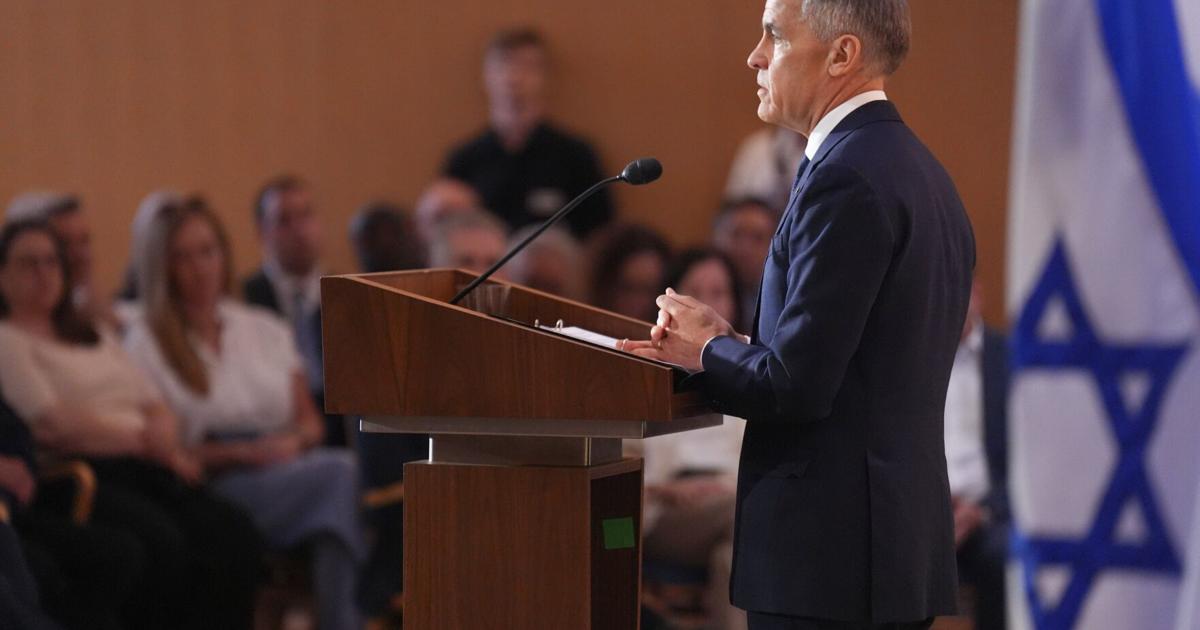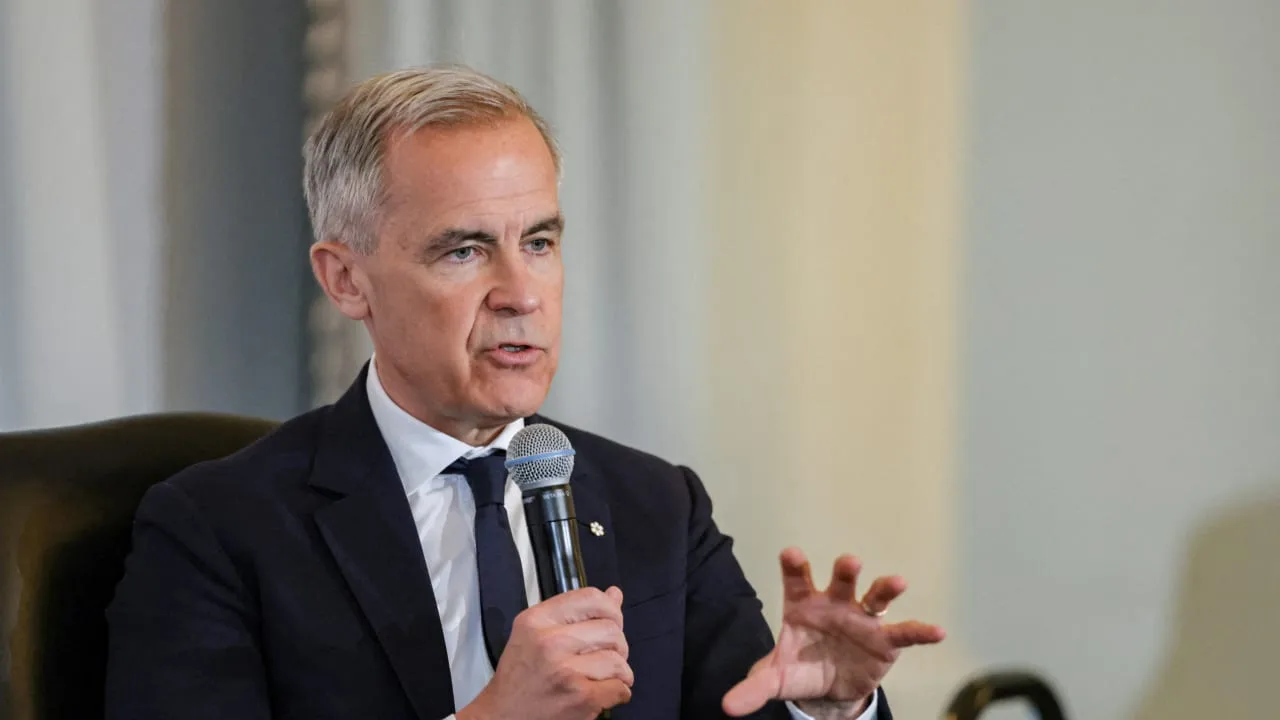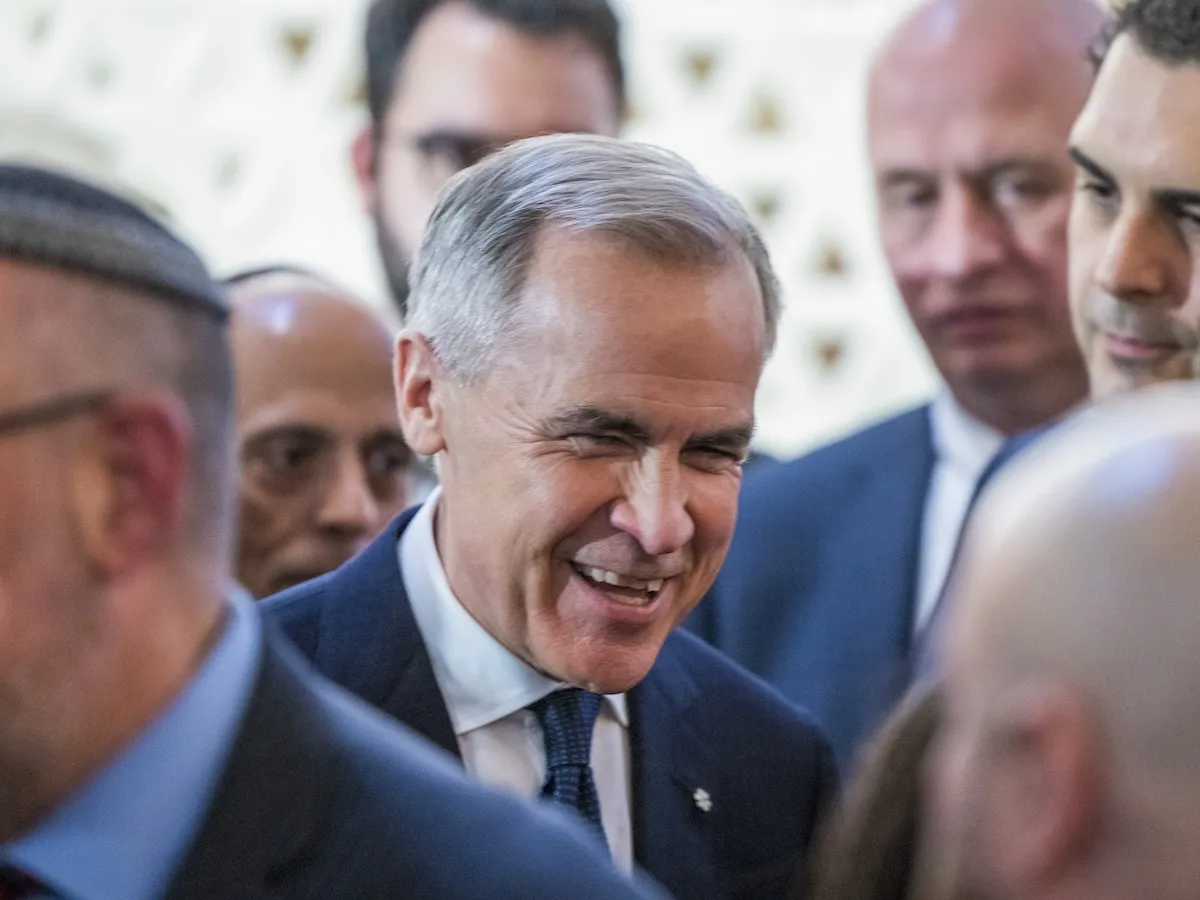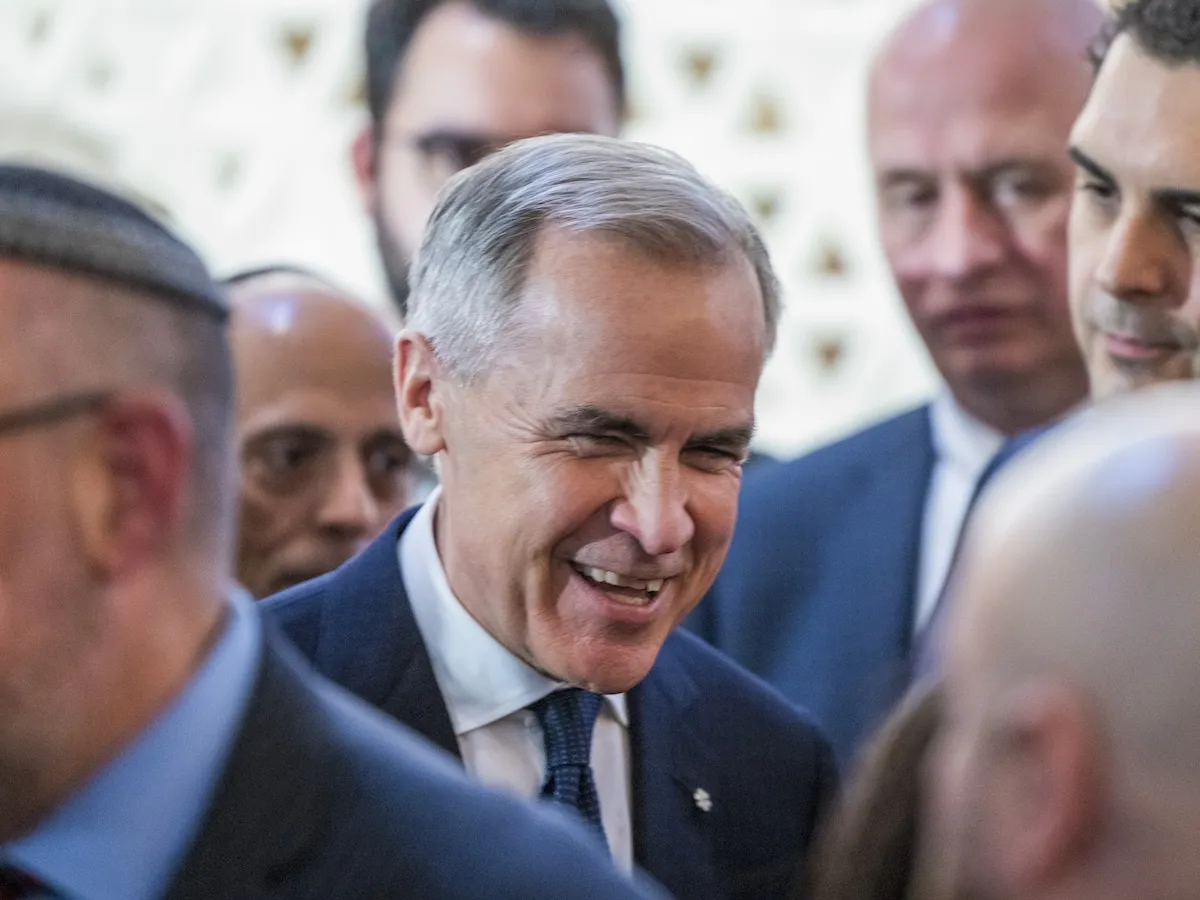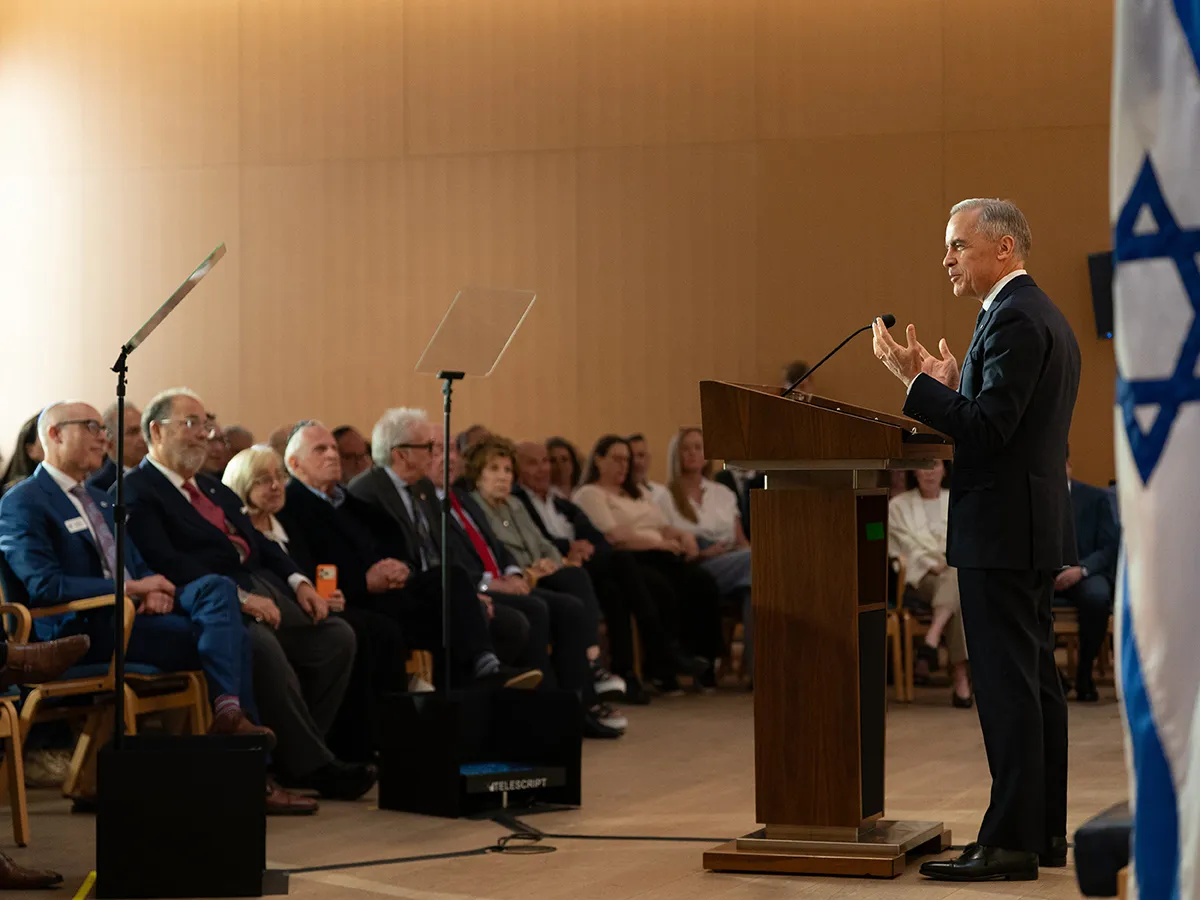
Skip to Content Subscribe Our Offers My Account Manage My Subscriptions FAQ Newsletters Canada Canadian True Crime Canadian Politics Health World Israel & Middle East Financial Post NP Comment Longreads Puzzmo Diversions Comics NP News Quiz New York Times Crossword Horoscopes Life Eating & Drinking Style Sponsored Play for Ontario Travel Travel Canada Travel USA Travel International Cruises Travel Essentials Culture Books Celebrity Movies Music Theatre Television Business Essentials Advice Lives Told Tails Told Shopping Buy Canadian Home Living Outdoor Living Tech Style & Beauty Kitchen & Dining Personal Care Entertainment & Hobbies Gift Guide Travel Guide Deals Savings National Post Store More Sports Hockey Baseball Basketball Football Soccer Golf Tennis Driving Vehicle Research Reviews News Gear Guide Obituaries Place an Obituary Place an In Memoriam Classifieds Place an Ad Celebrations Working Business Ads Archives Healthing Epaper Manage Print Subscription Profile Settings My Subscriptions Saved Articles My Offers Newsletters Customer Service FAQ Newsletters Canada World Financial Post NP Comment Longreads Puzzmo Diversions Life Shopping Epaper Manage Print Subscription HomeNewsCanadaCanadian PoliticsIsrael & Middle EastHow the synagogue audience reacted to Mark Carney’s 'covenant' speech on antisemitismThe strongest reaction at Toronto’s Holy Blossom Temple was to what Prime Minister Mark Carney left unsaid in his speech on antisemitismLast updated 2 minutes ago You can save this article by registering for free here. Or sign-in if you have an account.Prime Minister Mark Carney speaks against antisemitism in front of members of the Jewish community and law enforcement leaders at Holy Blossom Temple in Toronto on Monday, June 1, 2026. Photo by Peter Power/PostmediaWith its quotations from the prophets Isaiah and Amos, the philosophers Aristotle and Charles Taylor, and the Nobel Laureate Holocaust survivor Elie Wiesel, Prime Minister Mark Carney’s landmark speech on antisemitism aimed for some of the most rousing oratory of his premiership, as he urged all Canadians to engage with this challenge that should not be for Jews alone.Enjoy the latest local, national and international news.Exclusive articles by Conrad Black, Barbara Kay and others. Plus, special edition NP Platformed and First Reading newsletters and virtual events.Unlimited online access to National Post.National Post ePaper, an electronic replica of the print edition to view on any device, share and comment on.Daily puzzles including the New York Times Crossword.Support local journalism.Enjoy the latest local, national and international news.Exclusive articles by Conrad Black, Barbara Kay and others. Plus, special edition NP Platformed and First Reading newsletters and virtual events.Unlimited online access to National Post.National Post ePaper, an electronic replica of the print edition to view on any device, share and comment on.Daily puzzles including the New York Times Crossword.Support local journalism.Create an account or sign in to continue with your reading experience.Access articles from across Canada with one account.Share your thoughts and join the conversation in the comments.Enjoy additional articles per month.Get email updates from your favourite authors.Create an account or sign in to continue with your reading experience.Access articles from across Canada with one accountShare your thoughts and join the conversation in the commentsEnjoy additional articles per monthGet email updates from your favourite authorsSign In or Create an AccountorBut the strongest reaction in the audience at Toronto’s Holy Blossom Temple, the oldest synagogue in Canada, was to what the prime minister left unsaid.Columnist Jesse Kline keeps you up to date with what’s happening in Israel and the effects of antisemitism on life here in Canada. Friday mornings.By signing up you consent to receive the above newsletter from Postmedia Network Inc.A welcome email is on its way. If you don't see it, please check your junk folder.The next issue of Channel Israel will soon be in your inbox.We encountered an issue signing you up. Please try again“He did not use the word ‘Zionism’ once and he could have,” said Mark Sandler, a prominent criminal lawyer and a former national chair of B’nai Brith League for Human Rights.“I welcomed the fact that he said that no member of the Jewish community should be held collectively responsible for what happens elsewhere in the world. Having said that, I was disappointed because the contemporary antisemitism that we’re experiencing is so often tied to anti-Zionism,” Sandler said. “We need explicit references to the fact that antisemitism embraces anti-Zionism, the demonization and delegitimization of those of us who believe that Israel has a right to exist as a Jewish state. And if that is not front and centre in the fight against antisemitism, we’re going to fail.”“That was the overwhelming reaction in the room,” said Steven Pinkus, vice president of Mainstreet Research, a polling firm. He was encouraged, though, by both the content of the speech and for what it says about the priorities of this Liberal government. “I am so tired, angered, at hearing from the Jewish community that the man is an antisemite, and he clearly put that to rest.”This speech on Monday evening was hotly anticipated, both for the seriousness of the matter and the fact it could have been given with similar urgency months ago.“We are listening carefully for your clear commitment to confront antisemitism wherever it festers,” said Yael Splansky, Holy Blossom’s senior rabbi, in welcoming remarks. She said antisemitism is “not a Jewish problem” just as people of colour alone cannot solve racism and women alone cannot solve misogyny. “Only government can govern,” she said. But her congregants often feel they are forced, as Jewish Canadians, into the impossible choice to “relinquish one identity or the other…. We do not want to live in fortresses.”Pinkus said the ranks of the ministers alongside Carney were encouraging. They included Vince Gasparro, Danielle Martin, Anthony Housefather, Gary Anandasangaree and Leslie Church. Evan Solomon gave welcoming and closing remarks. Marc Miller was announced as chair of the new Ministerial Advisory Council on Rights, Equality and Inclusion.“The antisemitic voices in the Liberal caucus have been silenced,” Pinkus said. “I see it reflected in who’s around him and who he’s listening to.”“It’s not a performance. This is who he is. It’s what he believes,” said Barry Campbell, a former Liberal MP in the 1990s in this midtown Toronto riding.Campbell, who is Jewish, said he appreciated that Carney issued a challenge to all Canadians to see that antisemitism is not an exclusively Jewish problem. He said Carney captured the unease for Jewish Canadians about living their faith and identity freely and with confidence.“This needs to be a country where people can live openly and authentically. He captured that. Jews have been hesitant about being visibly Jewish,” Campbell said. So he found it powerful and correct that Carney’s speech called on Canadians to recognize that “Canada’s civic compact is failing Jewish Canadians,” and that if this “covenant” fails for one community, it fails for all.Carney’s speech used the word “covenant” nine times. For example, Carney said the deeper work that Canadians must now shoulder “is the renewal of the Canadian covenant itself,” the same covenant Canada failed to honour, for example, when in 1939 it turned away the MS St. Louis, a ship carrying nearly 1,000 Jewish refugees fleeing genocide in Europe. That word “covenant” is an especially powerful one in the Jewish context, meaning an agreement with God.“I’m sure it wasn’t chosen accidentally,” Campbell said.Michael Diamond, a philanthropist and prominent advocate in Toronto’s Jewish community, said he expected a five out of ten speech but got a seven out of ten. Prime Minister Mark Carney meets with audience members after speaking against antisemitism at Holy Blossom Temple synagogue in Toronto on Monday, June 1, 2026. Photo by Ernest Doroszuk/PostmediaCarney spent time and cares, he said. His understanding is full and complete. “I believed what he had to say and he owned what he had to say,” Diamond said. Carney articulated the theory, and now it is the responsibility of Canadians to enliven it, to ensure Canadian Jews are not held responsible for the decisions of a foreign government even though they have an allegiance to the country.“We don’t attack Russian Canadians,” Diamond said as a comparison.“He did not say ‘Being a Zionist is not racist,’” Diamond said, echoing the common criticism. “That would have been another layer in the foundation he built. But (the speech) lays the foundation for what we want, which is equal treatment no matter what happens elsewhere in the world.”“I feel tepid toward it … tentative,” said Leslie Wolfe, a labour education consultant with the Canadian Jewish Labour Committee. “I think there is good intention but I just don’t know what in practicality will come from the announcement of what is basically a new committee.”She expressed skepticism about a federal government “identities committee” whose first order of business is to learn about antisemitism.“How much more learning needs to be done,” she said. “I feel impatient for something to be done.”Our website is the place for the latest breaking news, exclusive scoops, longreads and provocative commentary. Please bookmark nationalpost.com and sign up for our daily newsletter, Posted, here. Join the Conversation This website uses cookies to personalize your content (including ads), and allows us to analyze our traffic. Read more about cookies here. By continuing to use our site, you agree to our Terms of Use and Privacy Policy.
How the synagogue audience reacted to Mark Carney’s 'covenant' speech on antisemitism
The strongest reaction at Toronto’s Holy Blossom Temple was to what Prime Minister Mark Carney left unsaid in his speech on antisemitism.
TL;DRAI
PM Carney's June 1 antisemitism speech at Toronto's Holy Blossom Temple omitted explicit references to anti-Zionism, disappointing the Jewish community. Jewish leaders argue contemporary antisemitism cannot be effectively addressed without explicitly confronting anti-Zionist delegitimization of Israel.
1,520 words~7 min read