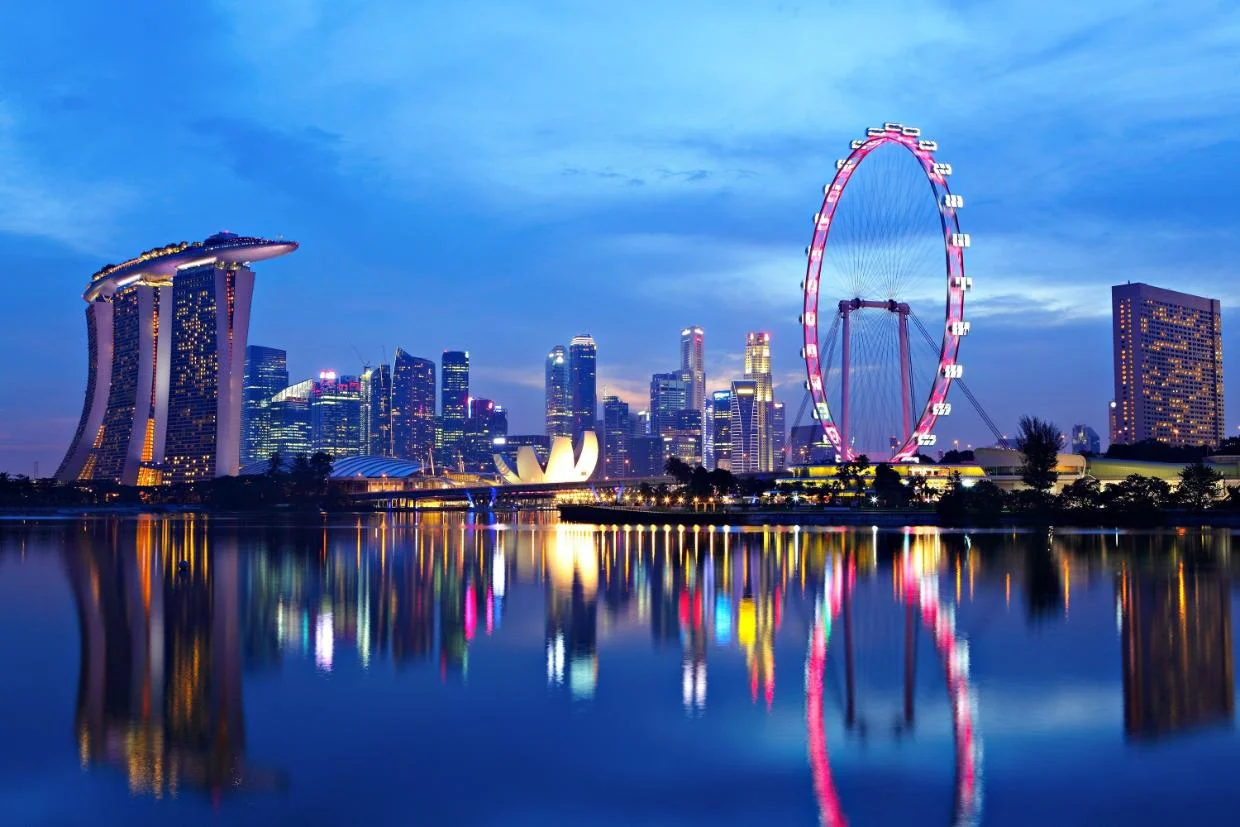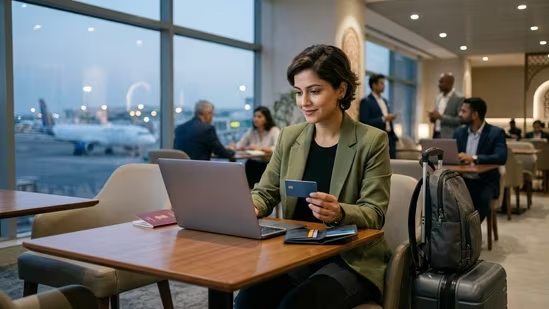
Indian travellers are showing stronger intent to increase international travel spending, but continue to face difficulty in understanding the actual cost of spending abroad, according to Wise’s Passport & Paisa: India Travel Money Report 2026. Based on a survey of over 1,000 Indian international travellers, nearly 78% plan to raise overseas travel spending following the reduction in Tax Collected at Source (TCS) on foreign travel expenses, as per the report. However, it adds that managing travel budgets remains the biggest concern, ahead of visa processing delays, flight disruptions and language barriers. According to Wise report, 38% of Indians still prefer exchanging cash before travelling, making it the most widely used method for managing foreign currency. International debit and credit cards are used next, while digital multi-currency accounts account for just 9% of usage.Forex costs emerge as key pain pointAccording to the findings, hidden exchange rate markups, lack of pricing transparency and difficulty in comparing forex rates across providers remain major challenges for travellers. The report states that while travellers are aware of currency conversion charges, many cannot clearly see how much cost is embedded in the exchange rate.It adds that even small markups can significantly affect travel budgets, especially as nearly half of Indian travellers spend under ₹1 lakh per international trip. Zero forex markup is identified as the most preferred cost-related feature across age groups.Card acceptance matters more than rewards Global acceptance is the most important factor for Indians when choosing a travel card, ahead of rewards, lounge access and other lifestyle benefits. Travellers prioritise certainty of card usage abroad over additional features.As per the report, there are also generational differences in payment behaviour. Gen Z relies more on cash, while Gen X shows higher adoption of cards. Millennials prefer a mixed approach, using both cash and digital payments.Cash still leads in overseas spending Despite India’s shift towards digital payments domestically, cash remains the most commonly used method for international travel. According to the report, 38% of respondents exchange currency before departure, reflecting continued reliance on cash outside India.Southeast Asia remains top travel destinationSoutheast Asia remains preferred destination for Indian travellers at 34%, followed by Europe at 15% and the Middle East at 14%. Thailand, Bali and Singapore remain key destinations, while Japan and South Korea are increasingly popular among younger travellers. The transparency in exchange rates and ease of international payments remain key areas of concern for Indian travellers as outbound tourism continues to grow.
Indian travellers worry more about forex costs than visa queues: Report - The Economic Times
Indian travellers are set to spend more overseas following a tax reduction. However, managing travel budgets is their biggest worry. Many still exchange cash before trips. Hidden foreign exchange costs and unclear pricing are major concerns. Card reliability is more important than rewards. Southeast Asia remains the top travel destination.
407 words~2 min read