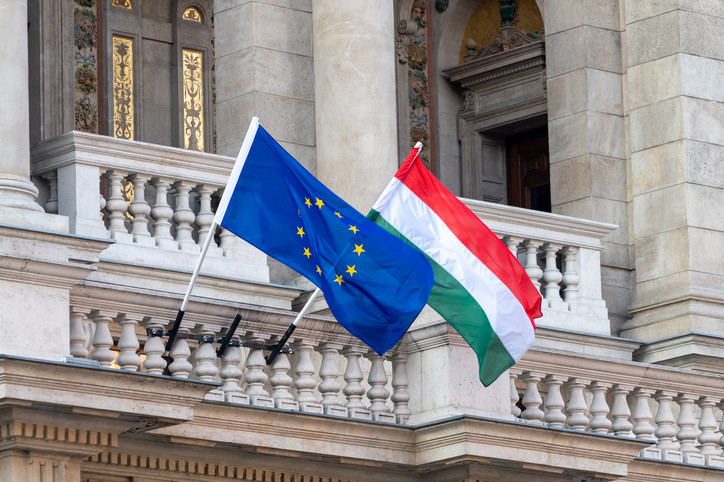
Hungarian academics have mostly welcomed the country’s commitment to phasing out a controversial governance model to regain access to European Union funding but warn that its impact on academic freedom will depend on how the changes are implemented.
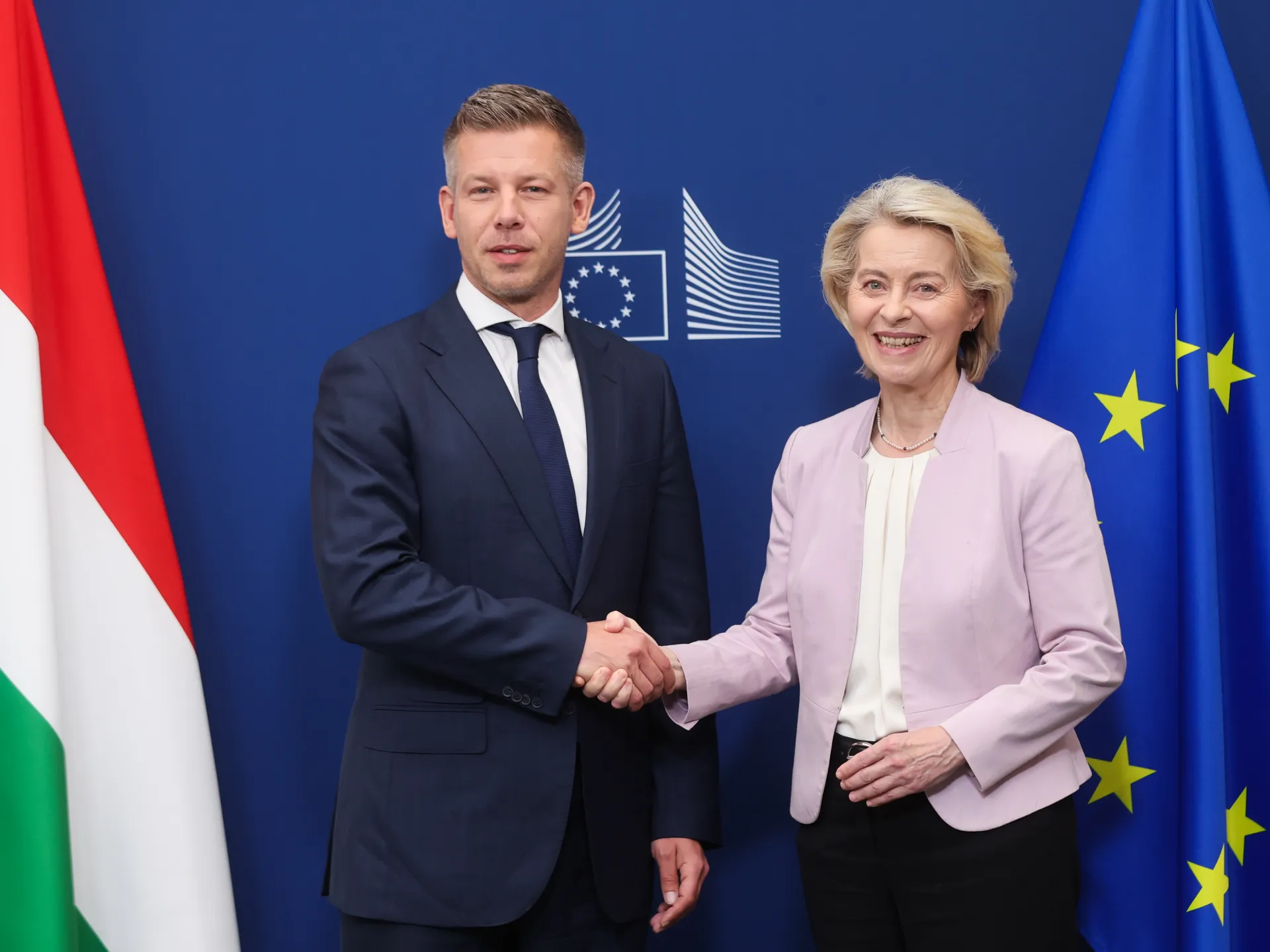
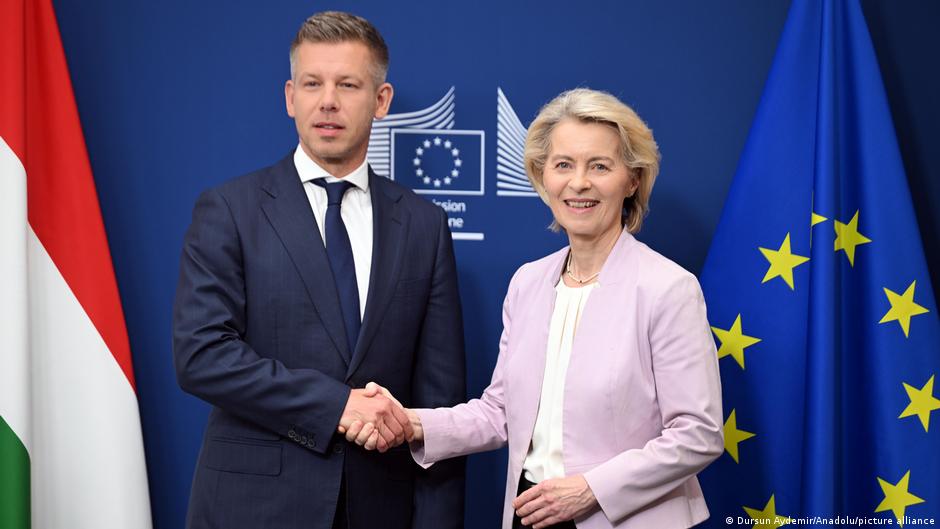
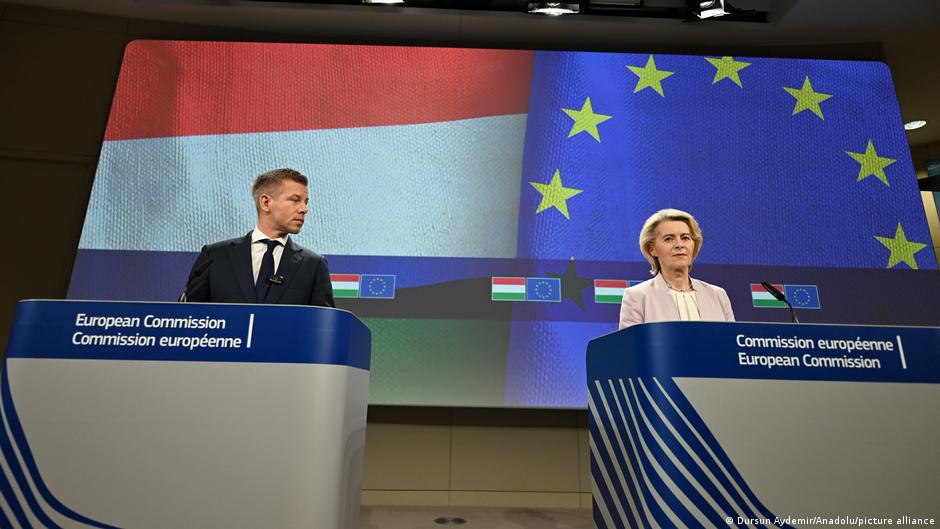
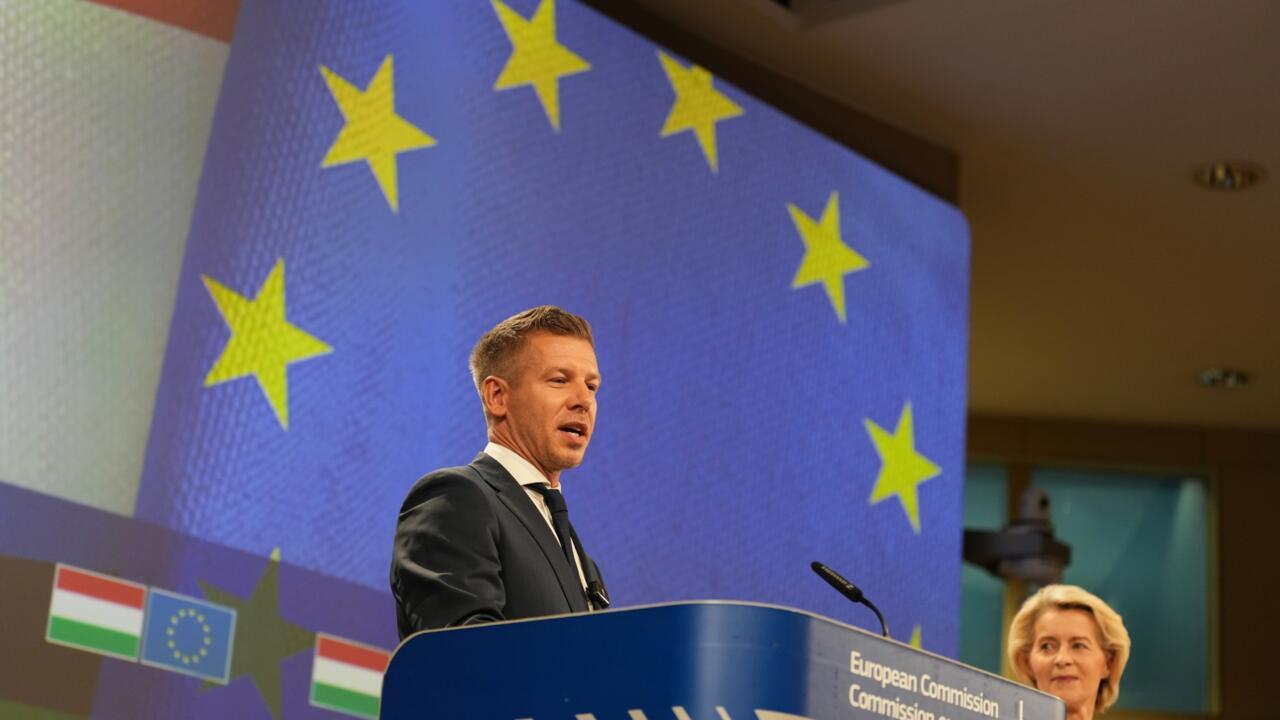
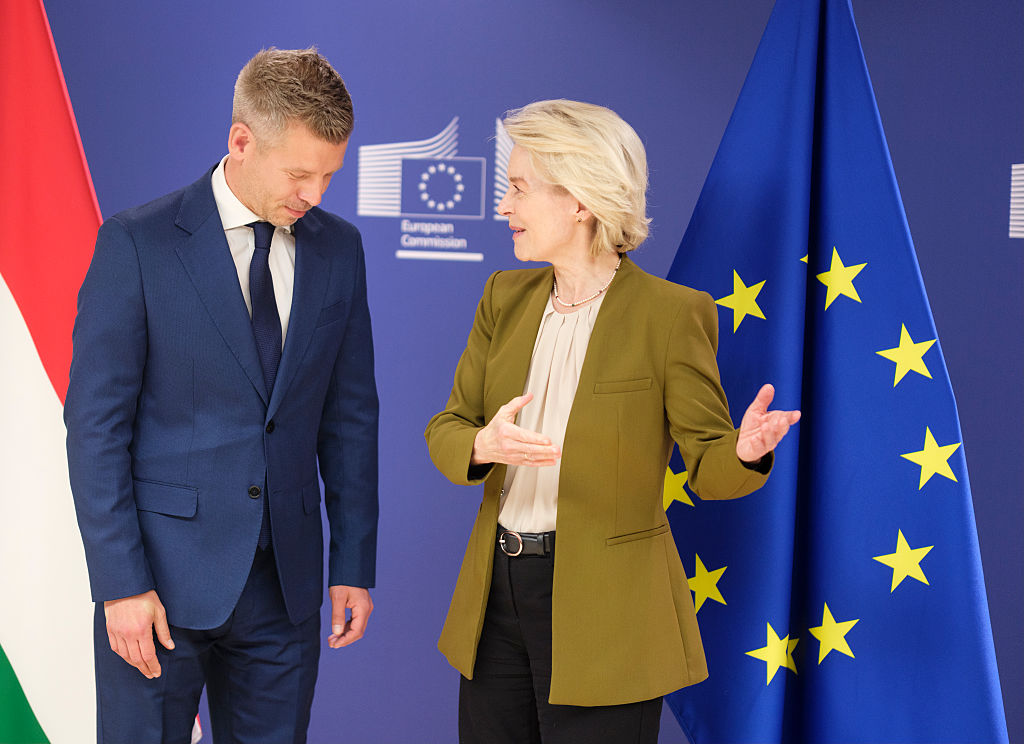
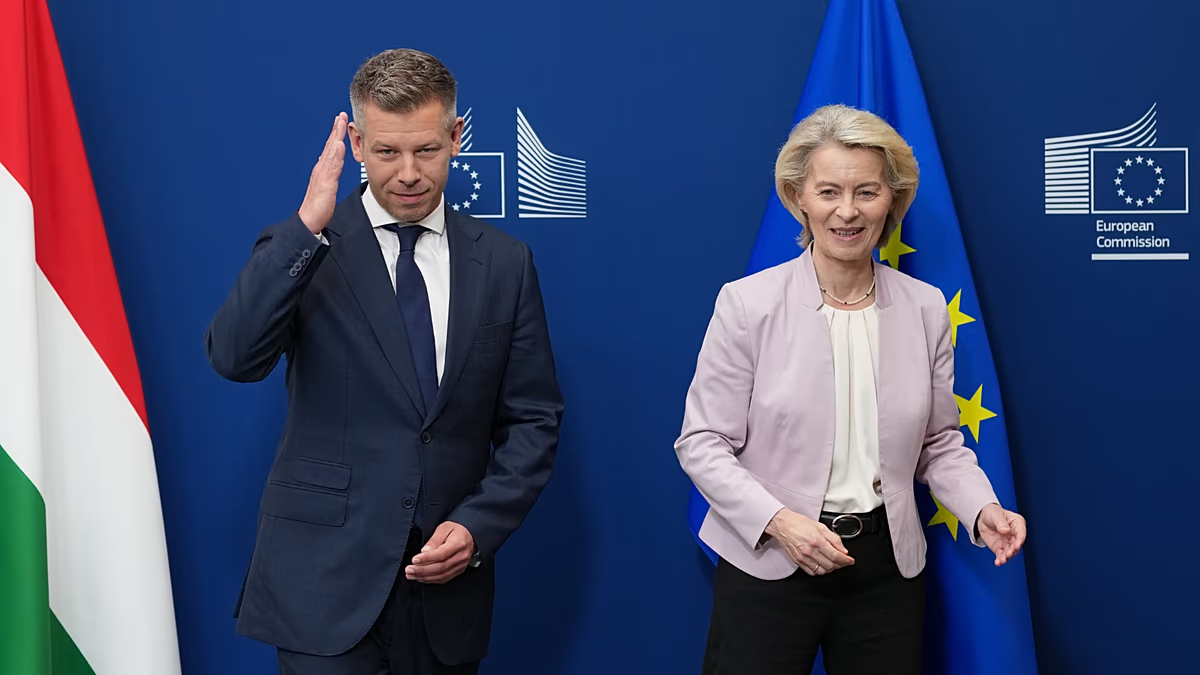
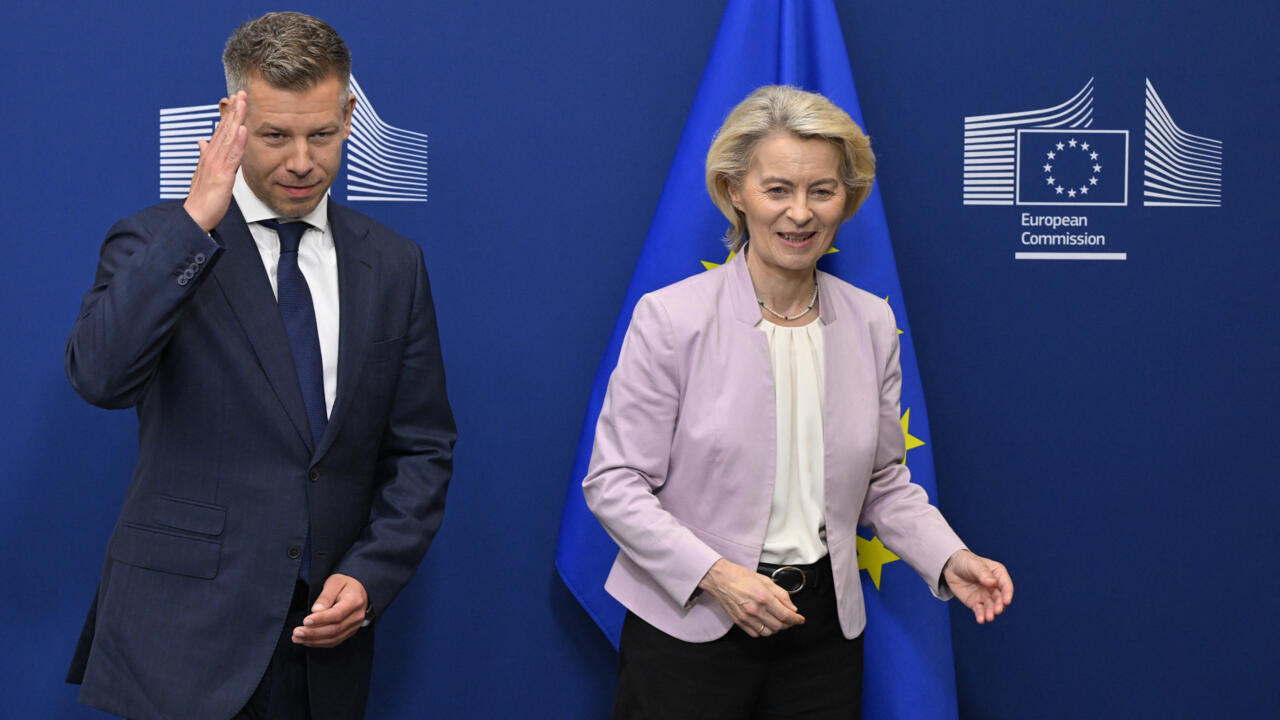
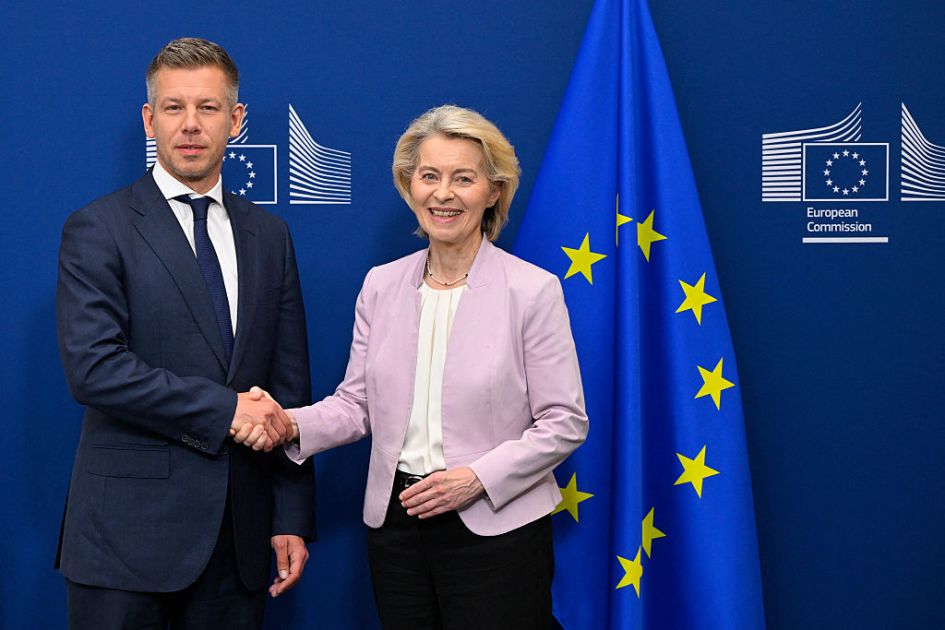
The European Commission said on 29 May that it had reached a “historic agreement” with the country’s new prime minister, Peter Magyar, to unblock €16.4 billion (£14.1 billion) in recovery and cohesion funds that were frozen under his predecessor, Viktor Orbán, after concerns over democratic backsliding.
The deal follows commitments by Hungary to a series of reforms, including “gradually phasing out” public interest trusts (PITs), private foundations created by Orbán that oversee many public institutions in the country, including universities.
But the release of the funds is subject to Hungary completing the agreed reforms. “We haven’t agreed to disburse the funds. We’ve agreed on a list of commitments which, if completed by August 31, will trigger the payment of those funds,” a senior commission official told Politico.
The commission also said Hungarian students could return to the Erasmus student exchange programme as early as “the next academic year”.