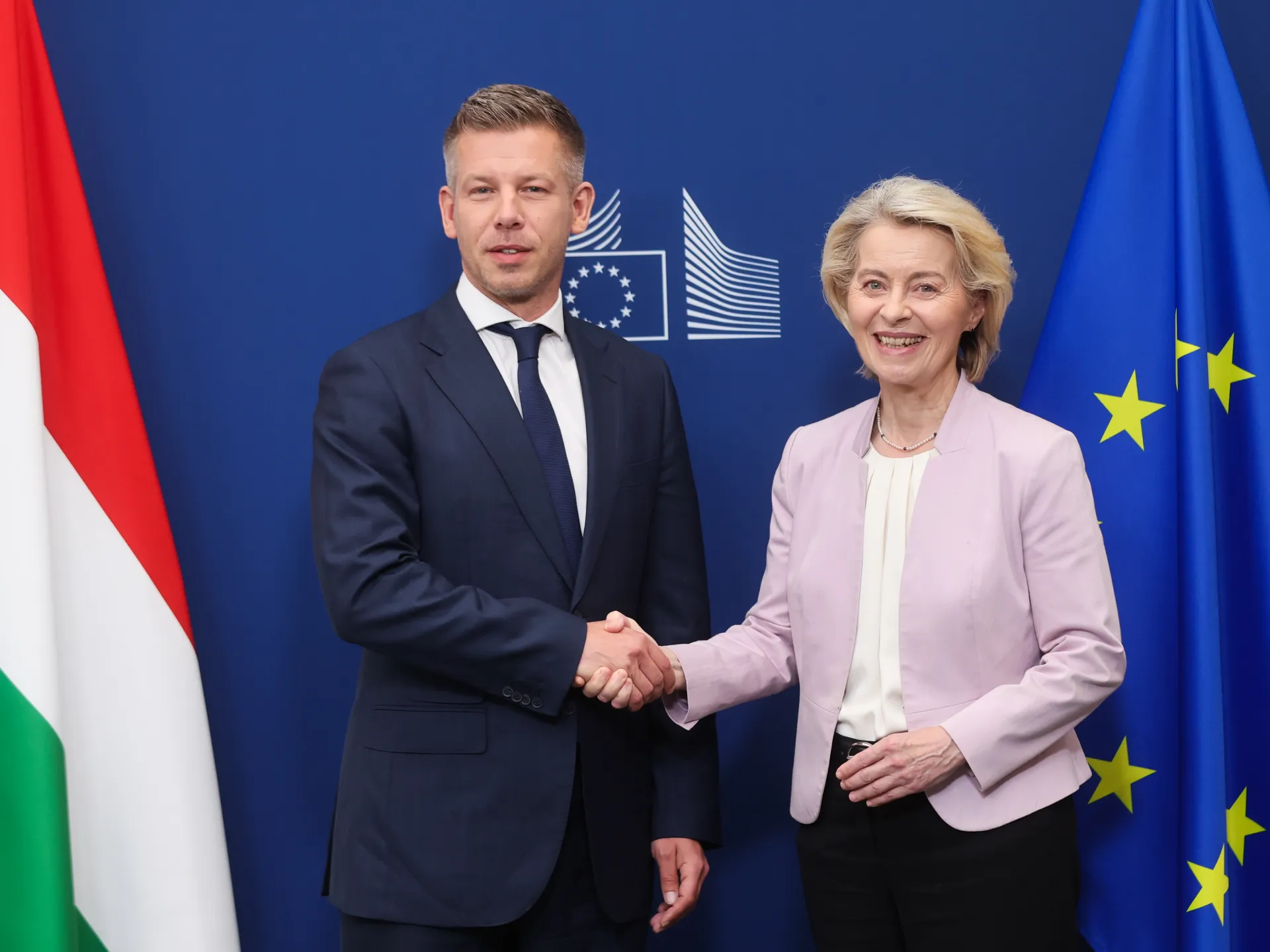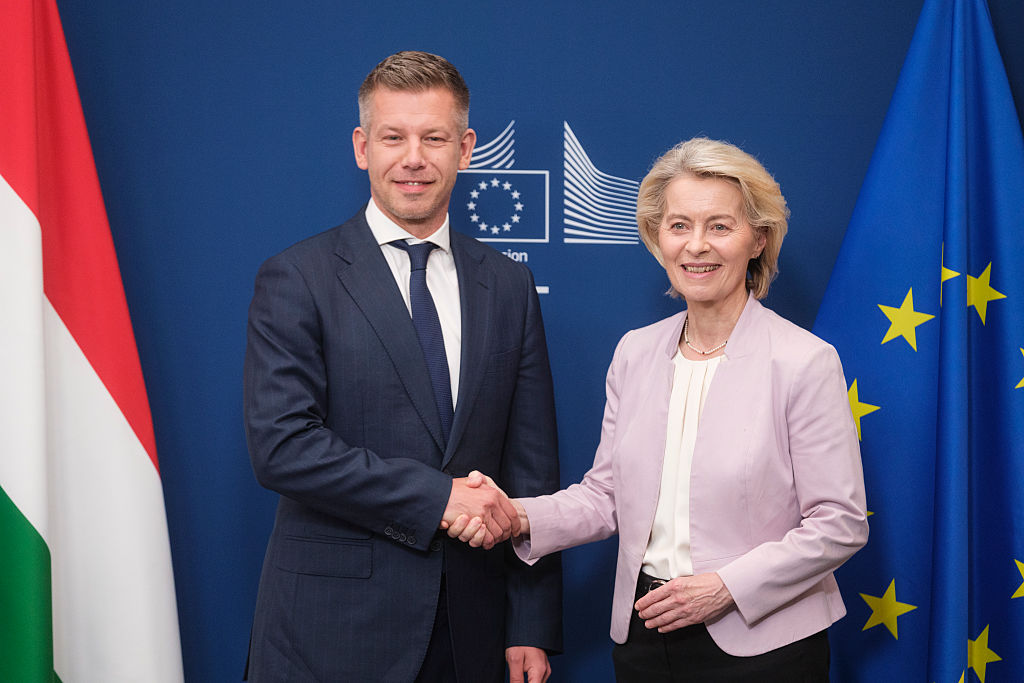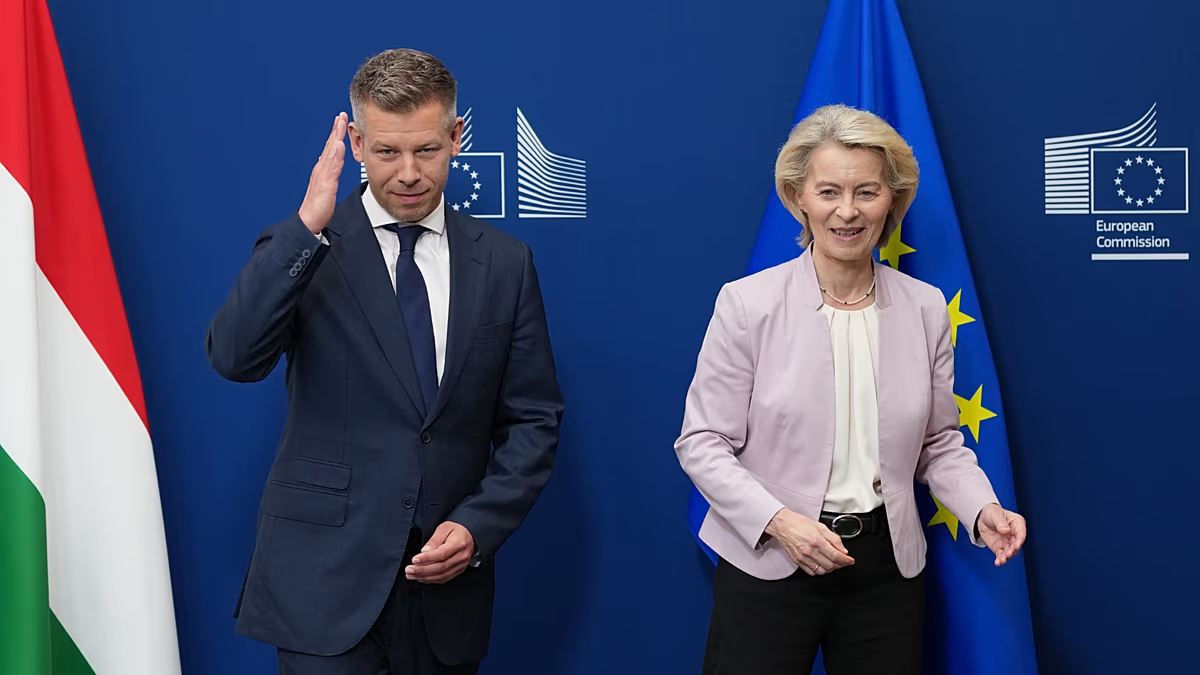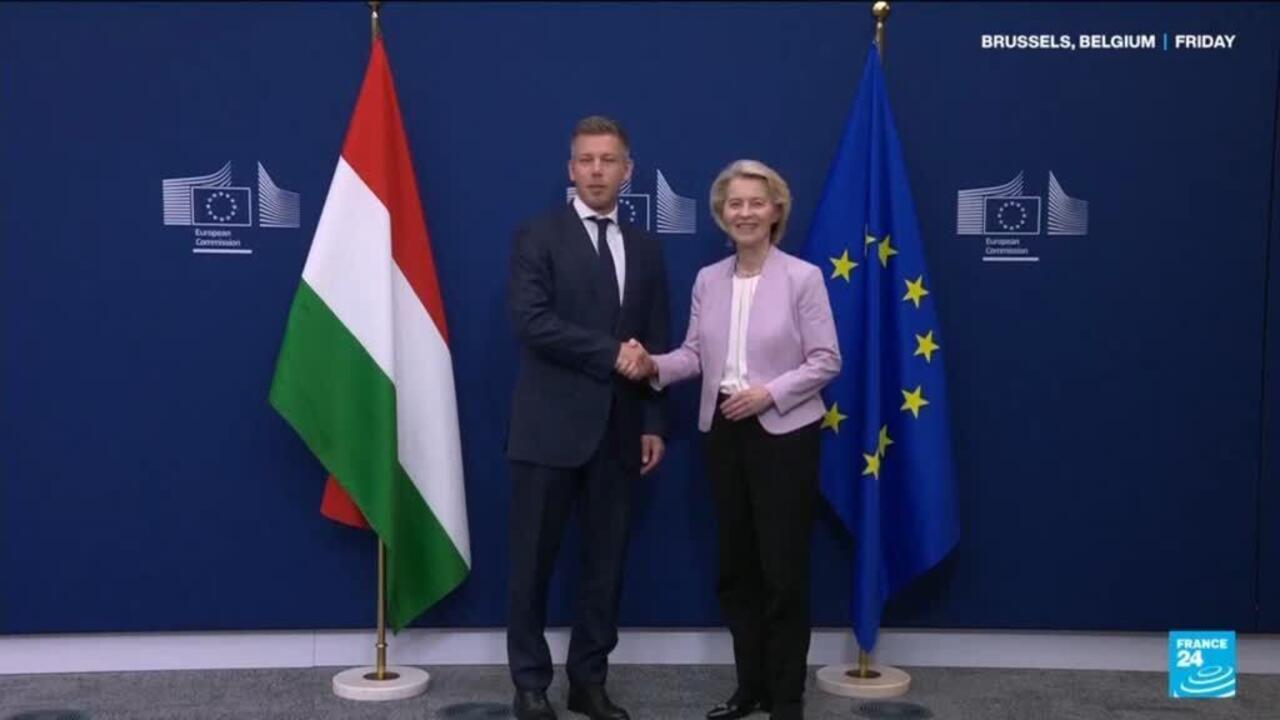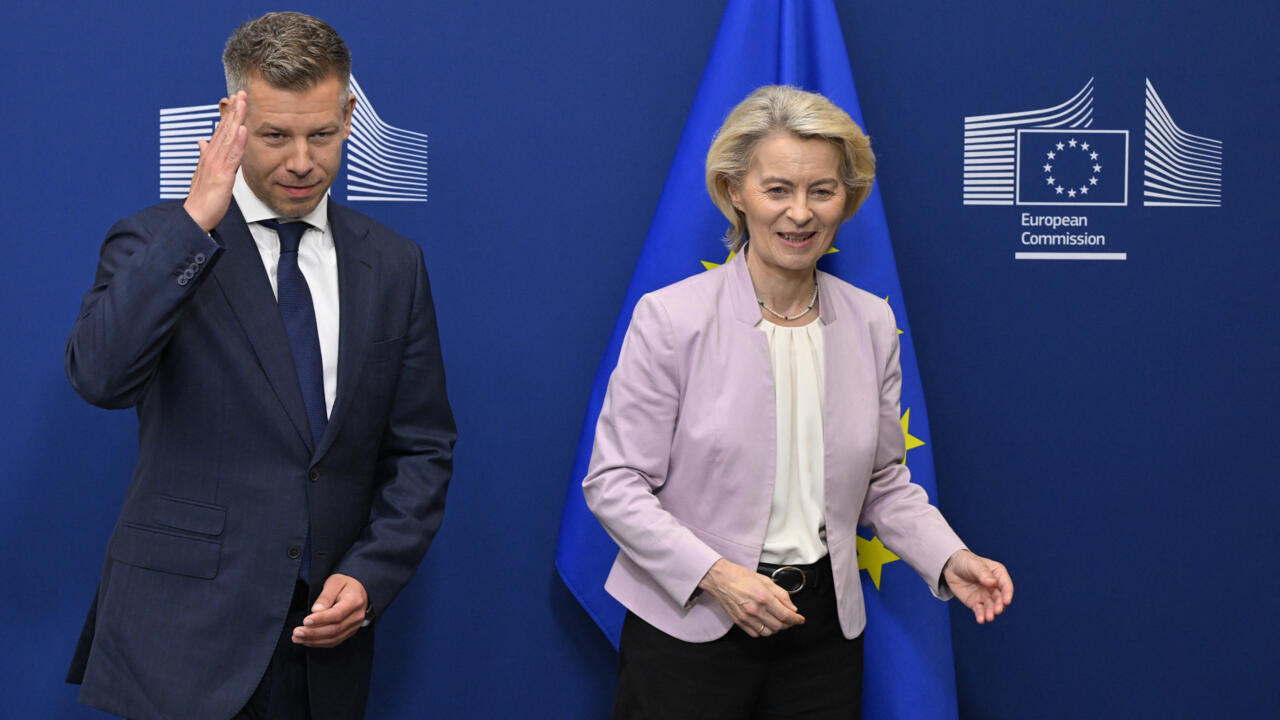
European Commission President Ursula von der Leyen said on Friday the European Union would unlock more than €16 billion in funding for Hungary, as she praised early progress on reforms under the country's new leadership.
Issued on: 29/05/2026 - 17:40
2 min Reading time
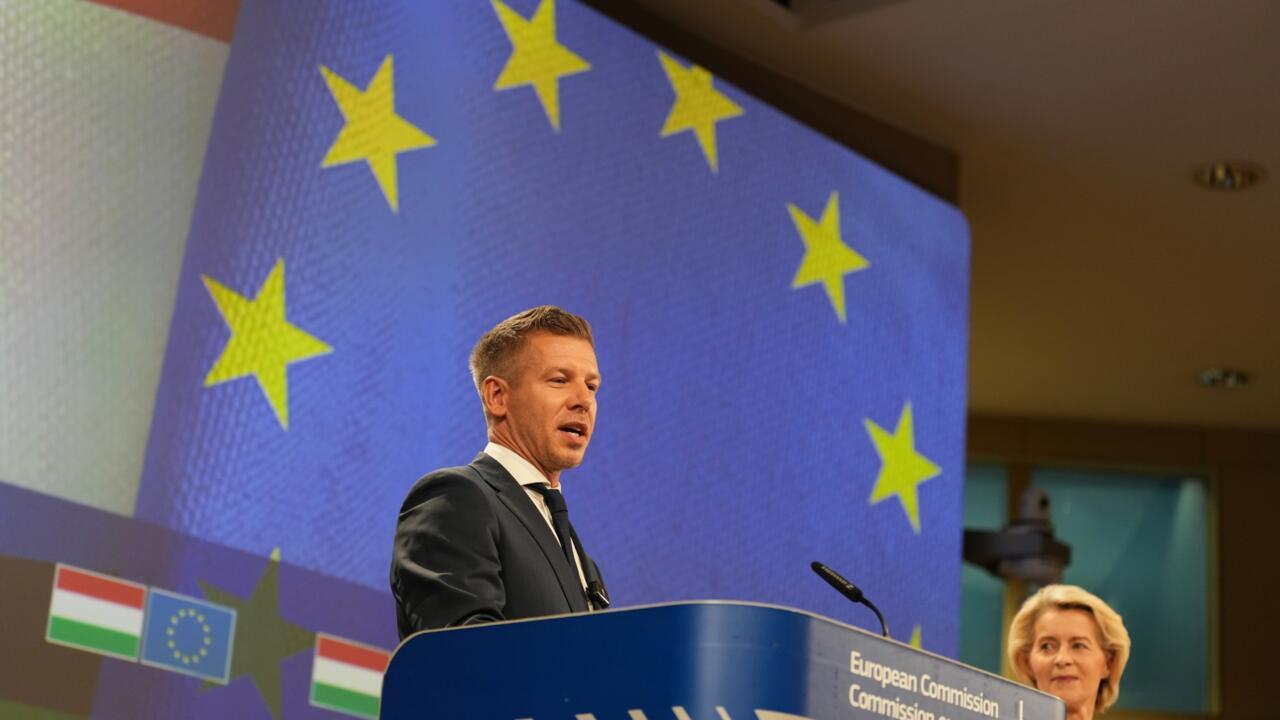
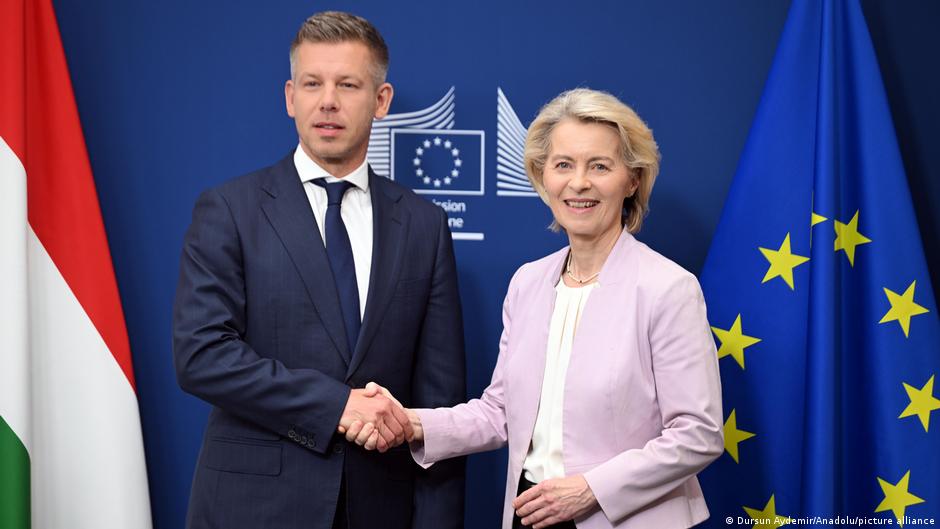
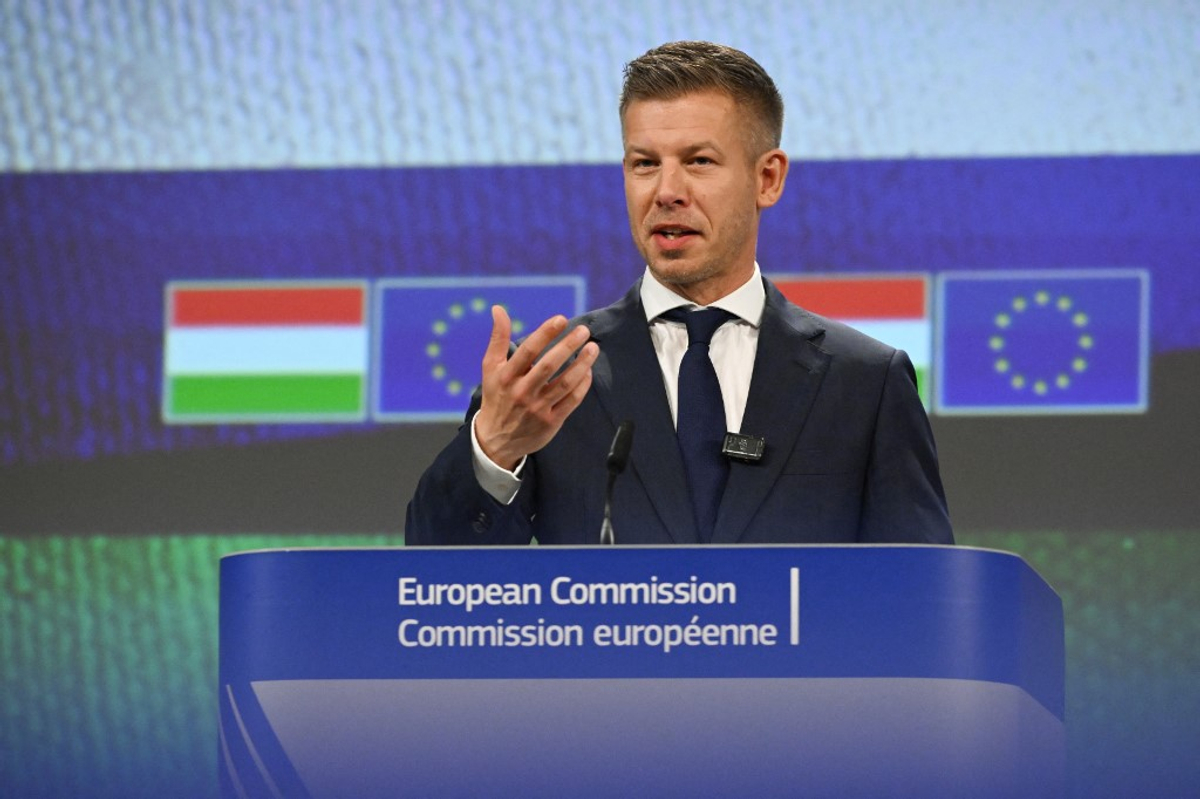
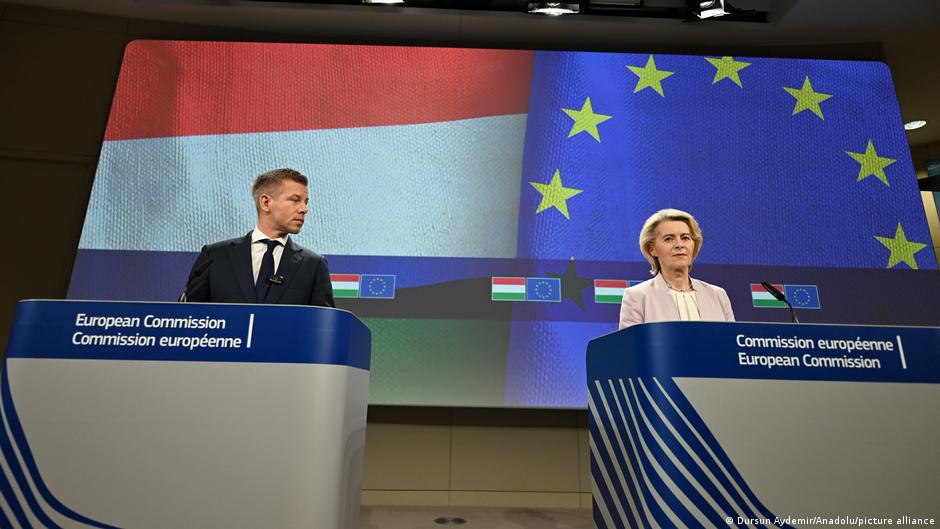
Von der Leyen announced the release of funds that had been frozen under the divisive rule of former prime minister Viktor Orban, following talks with his pro-Europe successor Peter Magyar in Brussels. "We can already feel a strong wind of change across Hungary," von der Leyen told a press conference, calling the agreement reached on Friday a "historic breakthrough". "In only a few weeks, you have driven forward long overdue reforms," she told the conservative leader. The announcement is a big win for Magyar, who defeated longtime nationalist leader Orban in an election in April, and has been eager to show progress in securing the much needed funds. Hungary police say 'no grounds' to ban Budapest Pride parade The EU froze around €18 billion in funds earmarked for Budapest because of democratic backsliding, corruption and the treatment of LGBTQ issues under Orban's rule. The money could help Magyar revive Hungary's flagging economy and generate goodwill, as Brussels seeks to push ahead with issues previously blocked by Budapest, such as EU membership talks with Ukraine. "We fought for each cent," Magyar said, celebrating what he described as a "historic day". 'Subject to reforms' The bulk of the frozen funds – just over €10 billion of the total – are from the EU's Covid-19 recovery fund. Hungary had until the end of August to present a new plan to secure them. Their release was "subject to the reforms that are being adopted" and the implementation of a series of investments that have been agreed on, von der Leyen said. Until now, Magyar has mostly announced reforms rather than fully implementing them. The clearest confirmed steps are institutional and anti-corruption measures: he has pledged to create an independent anti-abuse office, restore judicial independence, join the European Public Prosecutor’s Office, and work to unfreeze EU funds by tackling corruption. One symbolic early act was the new parliamentary leadership ordering the EU flag to be raised again on the parliament building, after an absence of 12 years. Magyar said Hungary will be able to pass all the laws needed for the EU to release the funds.