Railways: Fragmented approach
| Photo Credit:
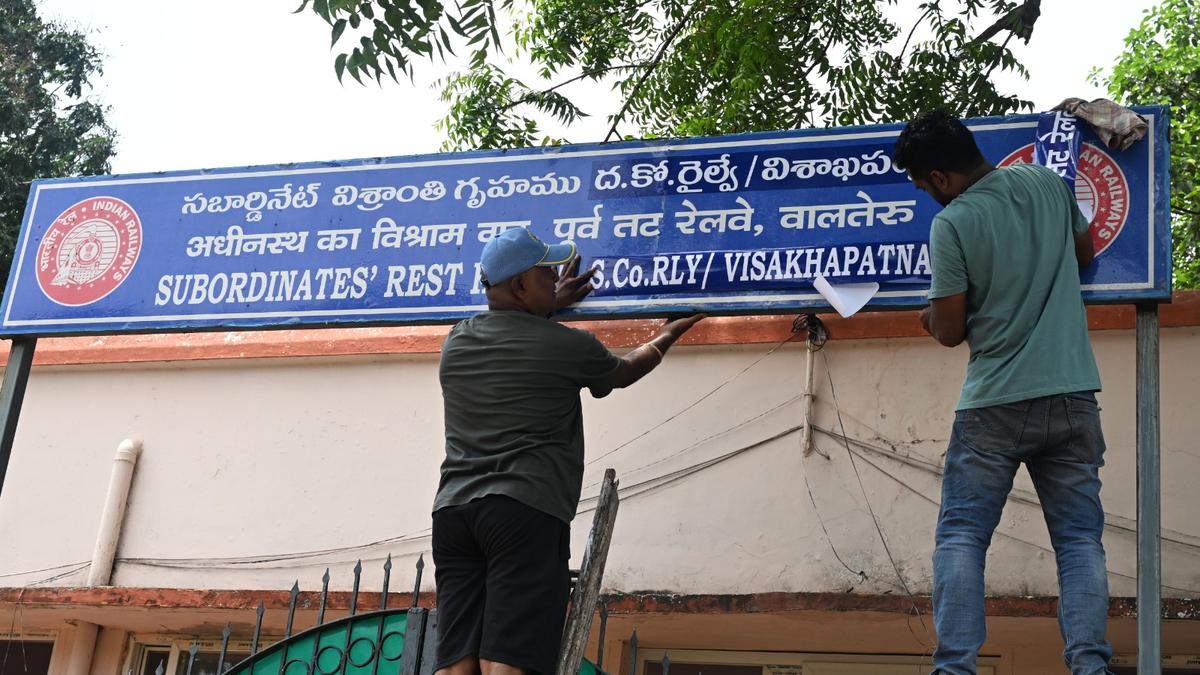
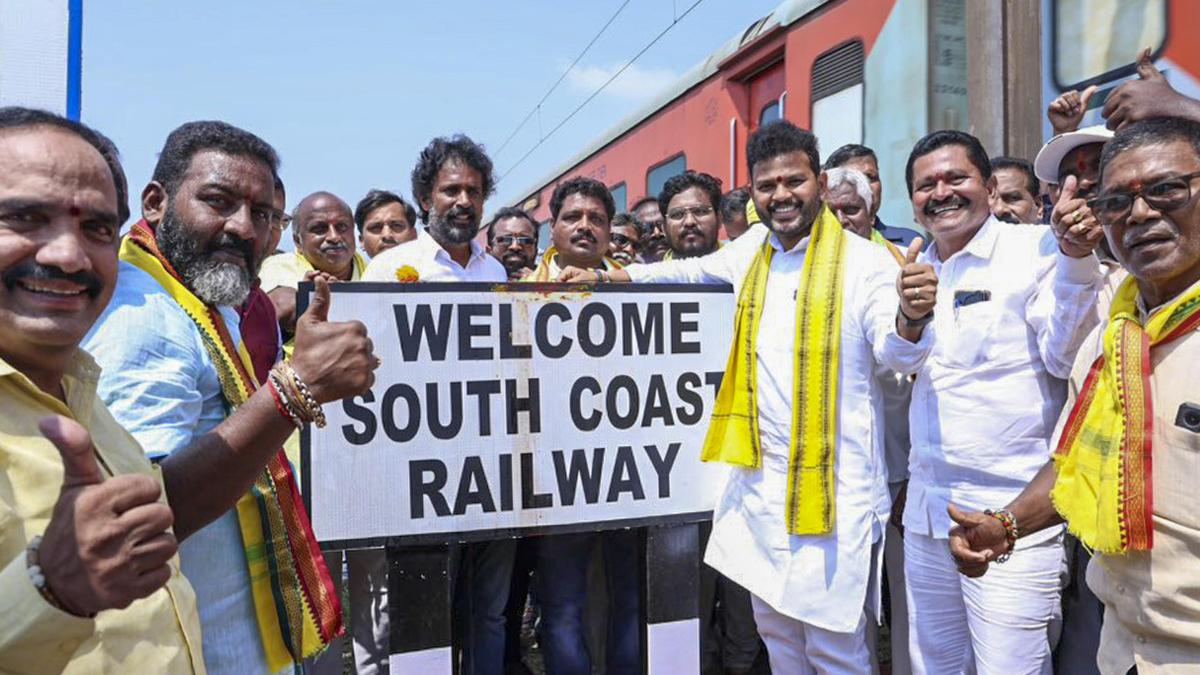
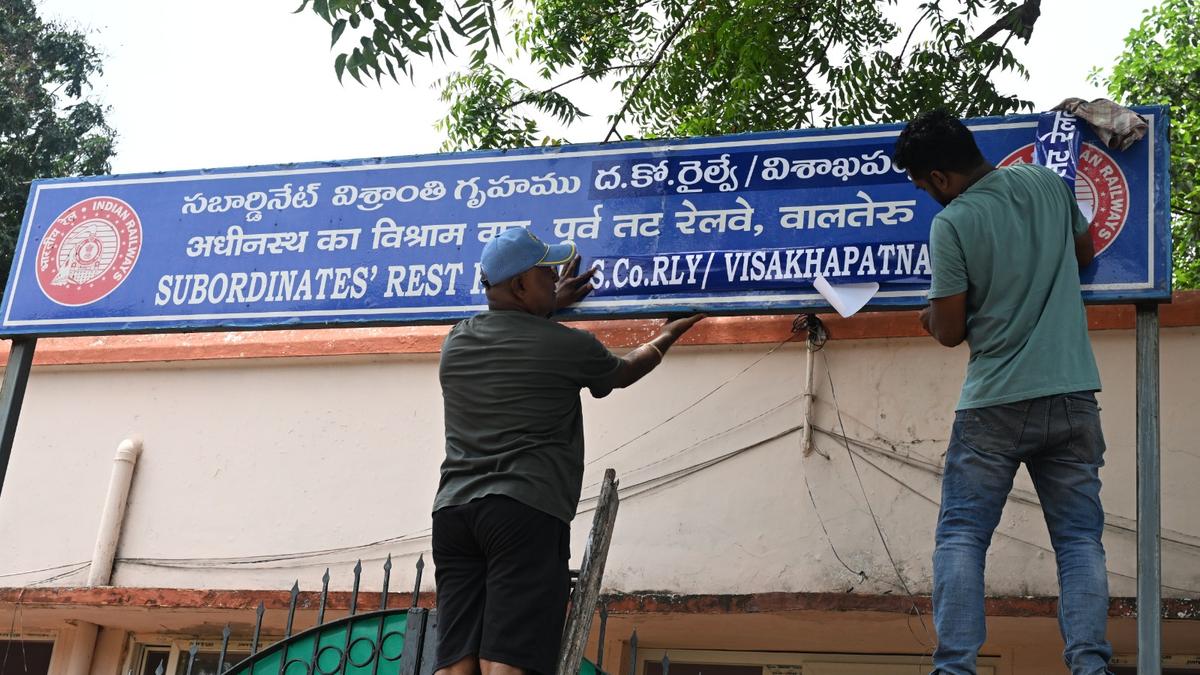
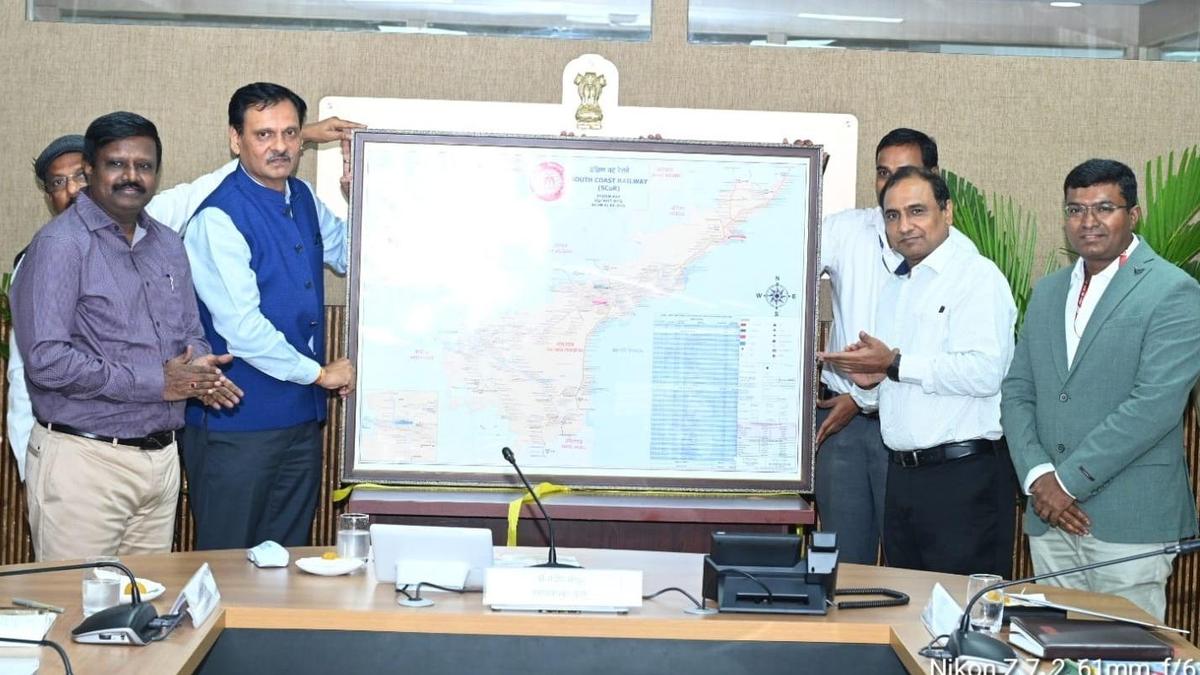
On June 1, a cosmetic change took effect as the emblem of Indian Railways (IR) expanded from 17 stars to 18, marking the operationalisation of the South Coast Railway headquartered in Visakhapatnam. Yet this additional star is less a symbol of progress than an indictment of a growing trend: the systematic fragmentation of a national asset under the guise of decentralisation.Dividing a transporter mandated to run long-distance passenger and freight trains across India into territorially fragmented entities shaped by political boundaries defies operational logic. IR is not merely a public enterprise; it is an arm of the Central Government whose raison d’être is seamless national transportation. That pan-India character is now steadily yielding to hyper-regionalism.Post-Independence railway reorganisation was intentionally designed around a few large zones to preserve operational unity, economies of scale, and cohesive national coordination. For decades until the late 1990s, a lean zonal structure served effectively, barring the creation of South Central Railway by carving it out of Southern and Central Railways.The first departure from this philosophy came in the late 1990s when politics overtook operational wisdom and the government approved seven new zones despite concerns that the move would strain railway finances through new headquarters, administrative behemoths, control centres and expanded bureaucracies. By 2003, the number of zones rose to 16, setting a dangerous precedent: zonal headquarters became political trophies.Zones galoreUP received an additional zone in North Central Railway at Allahabad; Bihar got Hajipur; Odisha Bhubaneswar; Rajasthan Jaipur; MP Jabalpur; Chhattisgarh Bilaspur; and Karnataka Hubli. Later, Kolkata Metro became the 17th zone and the new Visakhapatnam headquarters now marks the 18th. Today, only two major states, Gujarat and Kerala, remain without zonal headquarters. Given the prevailing political climate, demands for further fragmentation appear only a matter of time.Proponents of smaller zones argue that limited geographical span allows closer monitoring of operations, faster maintenance and emergency responses and stronger local economic and transport development. More zones create more senior administrative posts and the 1996 expansion accelerated promotions for railway executives, perhaps including my own advancement which otherwise may not have materialised, but executive promotions cannot become a benchmark for national policy. The operational backbone of IR lies in its divisions, not zones. Divisions handle train operations, safety, crew management, traffic control, and emergencies. Zonal headquarters form an intermediate coordinating layer beneath the Railway Board. In an era of real-time digital monitoring, advanced analytics, and modern communication systems, the need for proliferating intermediate headquarters has diminished. Empowered divisions can well focus on local aspirations. IR’s ability to transport millions of passengers and tonnes of freight depends on infrastructure and operational efficiency, not the number of administrative stars on its emblem.Bureaucratic layersMore zones do not generate additional track capacity, better punctuality, improved safety, or higher freight earnings. They merely multiply boundaries and bureaucracy. Indeed, fewer zones often ensure better coordination. When existing geographies are repeatedly sliced without any corresponding expansion of the physical network, the system suffers severe diseconomies of scale. Freight movement, the financial lifeline of IR, demands seamless long-distance operations. Artificial zonal boundaries create additional interchange points, inter-zonal disputes, delays, and bureaucratic hurdles.Both zonal and Board executives increasingly eschew their policy-level roles in long-term technological and logistical strategy and tend to duplicate the functions of field executives. Every new zone also multiplies General Managers, Departmental Heads, secretariat staff, vehicles, and ceremonial activity. Field officers increasingly spend valuable time on headquarters inspections, presentations, and protocol rather than operational supervision and safety.Perhaps the gravest fallout is the rise of regionalism within what was once a deeply integrated national institution. As zones increasingly align with political boundaries, they become vulnerable to state-level pressures. Managers and engineers who once mastered cross-country logistics are gradually reduced to custodians of regional sentiments.More hurdlesFragmentation creates roadblocks, inflates establishment costs, and undermines ease of doing business. The political temptation to create more zones remains irresistible because each headquarters becomes a feather in a leader’s cap. That mindset is precisely how an interconnected national network dies by a thousand cuts.If smaller administrative units are needed for better operational monitoring, the answer lies in empowering divisions, not multiplying zones. Empowerment means giving divisions clearly defined targets, adequate resources, and accountability, not merely delegation of operational and financial powers.With its passenger and freight revenues consistently showing weak growth, the time has come to halt this expansionary impulse. We need rational consolidation of existing zones, removal of redundant bureaucratic layers, stronger divisional autonomy, and restoration of IR to what it was always meant to be: a unified, efficient, pan-India economic engine.Time will tell whether further fragmentation emerges in the form of a West Coast Railway (Gujarat) and a Southern Most Railway (Kerala), or whether operational efficiency and profitability finally take precedence over this costly red herring of endless reorganisation.The writer is an Independent Consultant and retired GM of ICFPublished on June 2, 2026