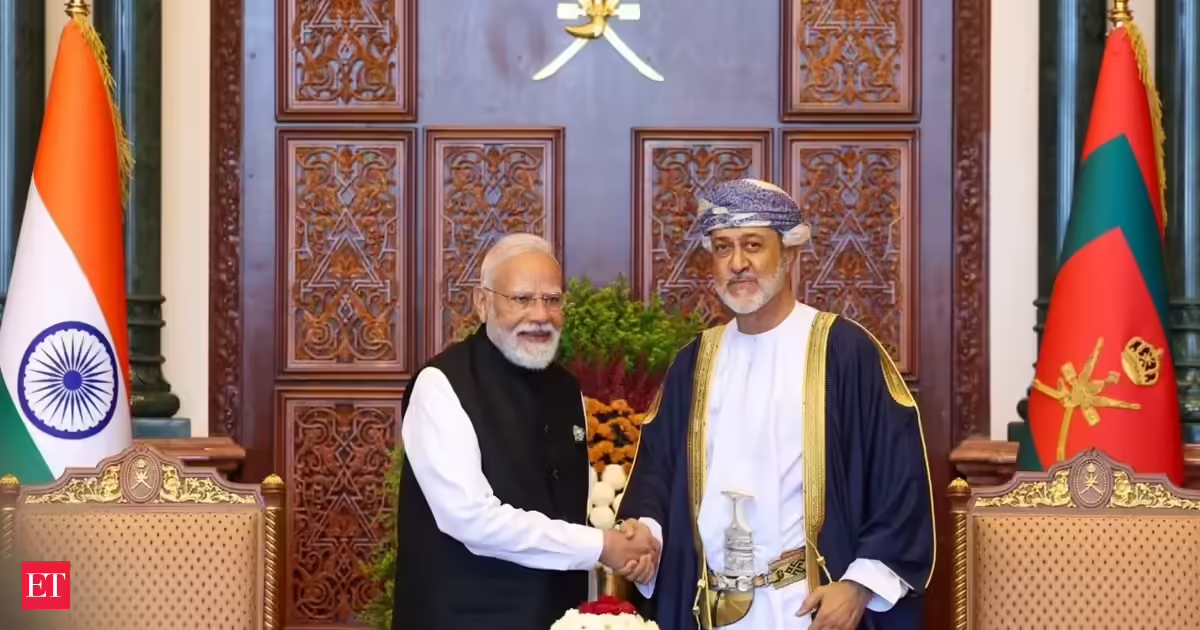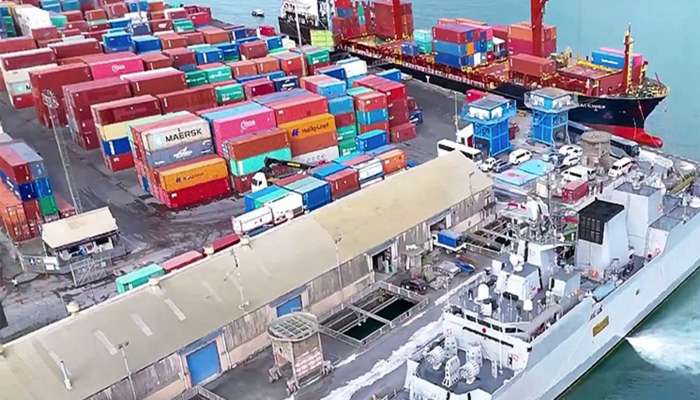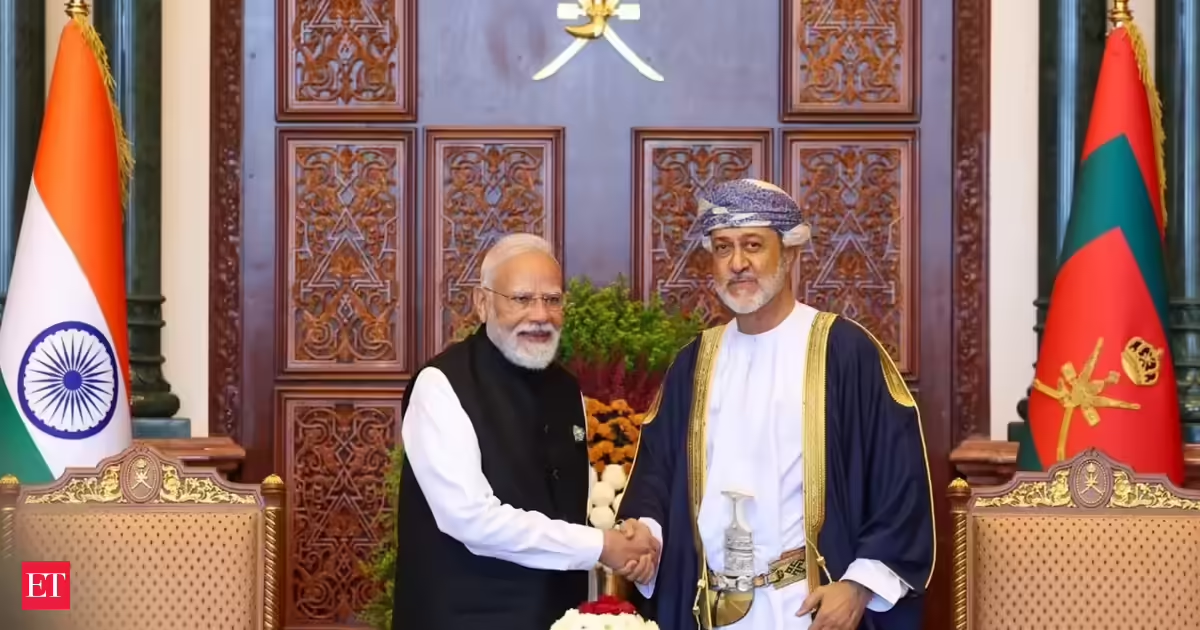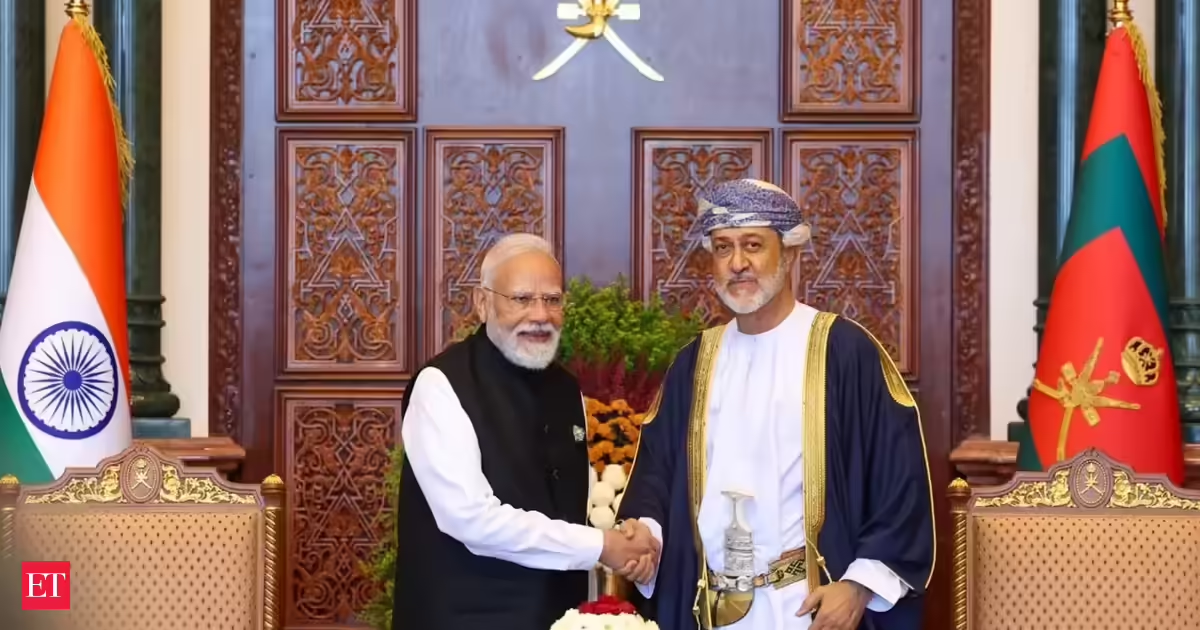
With provisions allowing up to 100 per cent foreign direct investment in several areas, Indian firms will gain greater opportunities to expand their presence in Oman
| Photo Credit:
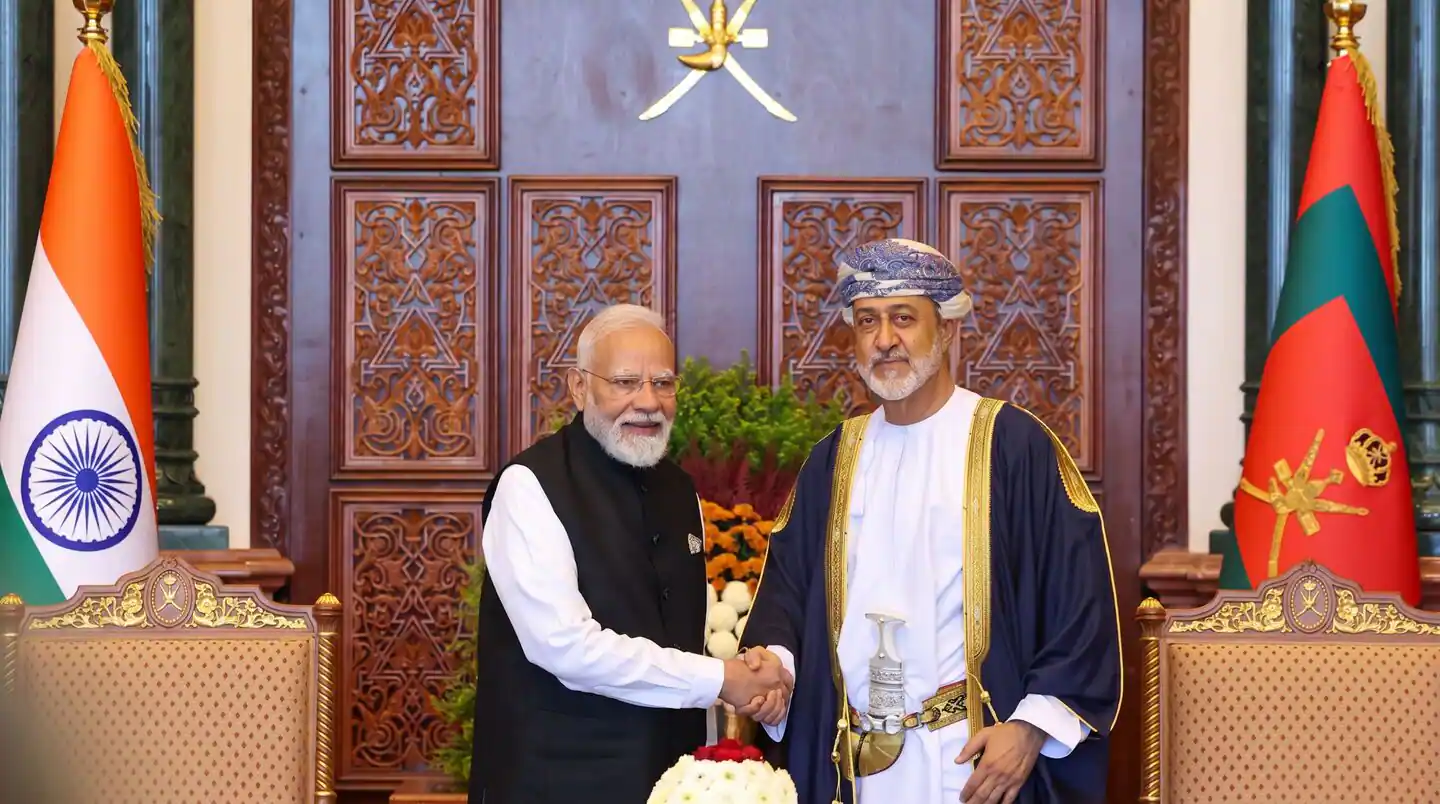
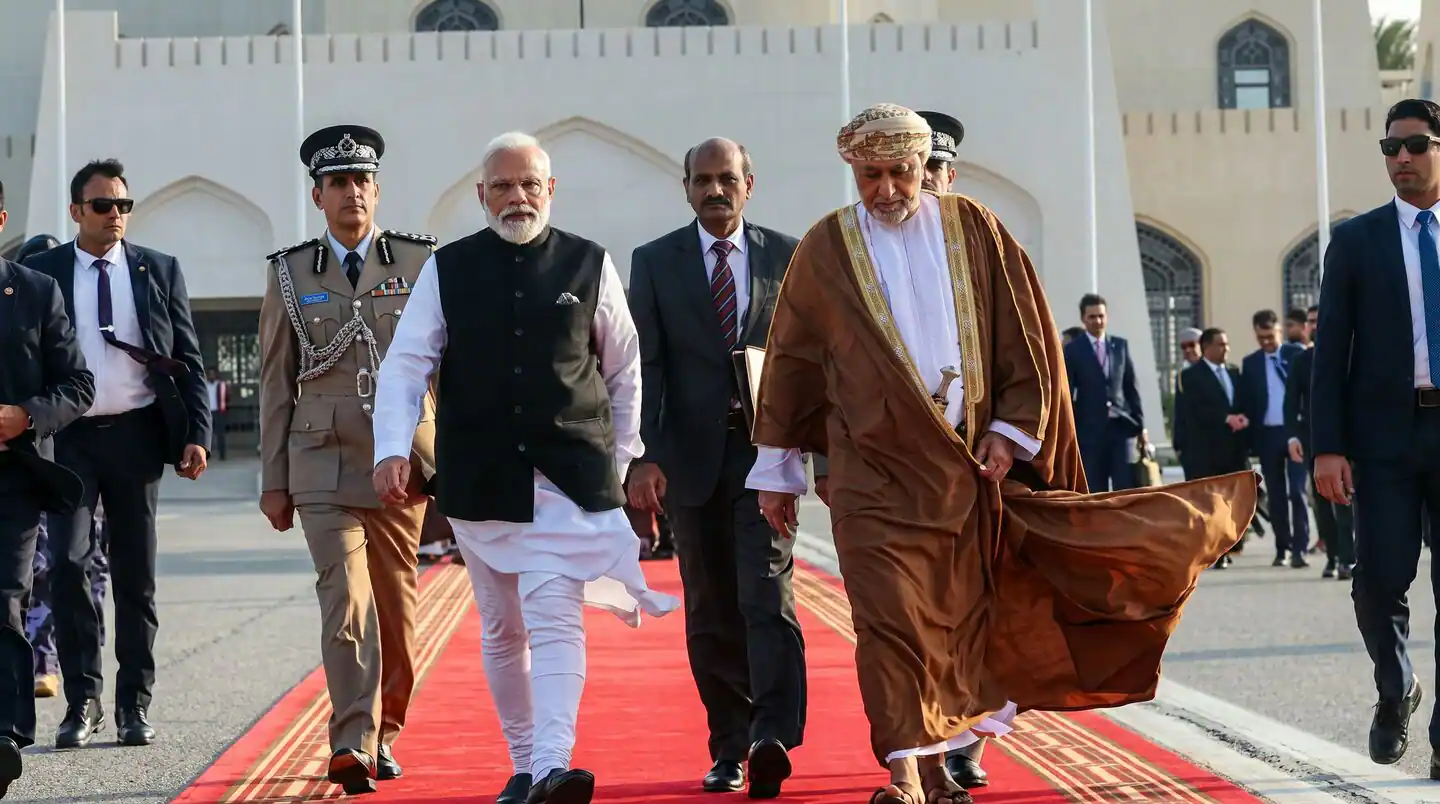
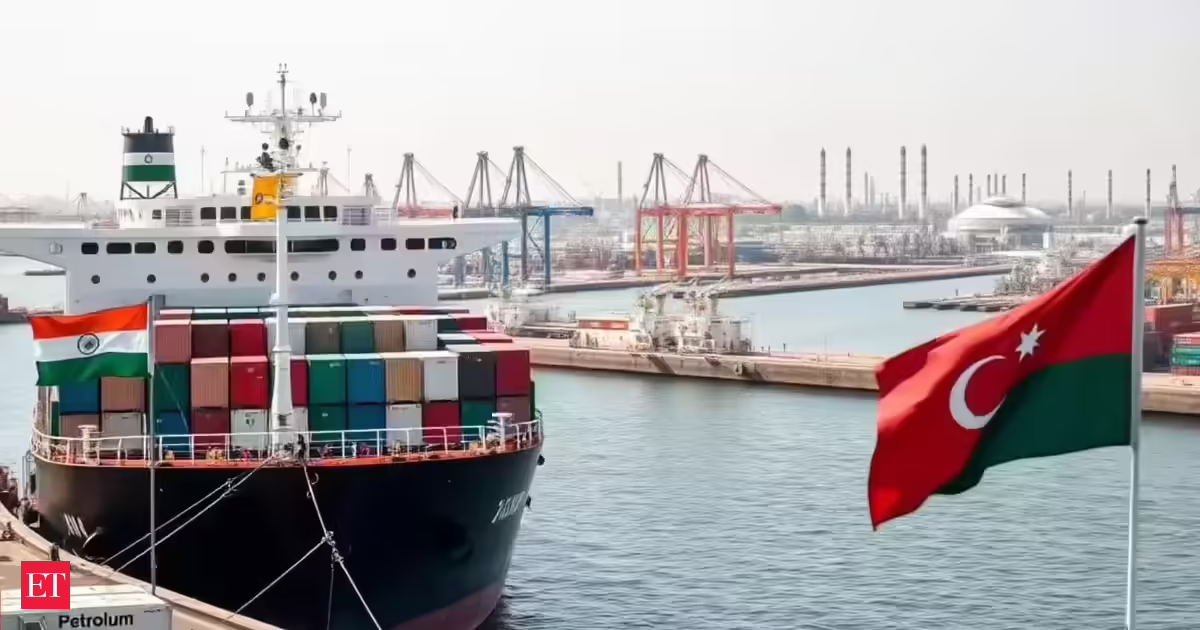
The commercial ties between India and Oman echo across centuries, a shared history carried on the sails of ancient dhows and sustained through generations of cultural exchange. The India-Oman Comprehensive Economic Partnership Agreement (CEPA) will further strengthen this civilizational bond. At a moment when global trade is navigating geopolitical rivalries, supply-chain disruptions and growing protectionism, the agreement reflects India’s determination to deepen economic integration with trusted partners. Following the landmark pact with the UAE in 2022, the CEPA firmly anchors India’s growing economic engagement with the Gulf.Bilateral trade has steadily expanded, reaching $11.18 billion in FY 2025-26, while services trade stood at $863 million in 2024. Economic ties have diversified beyond traditional commodities to include engineering goods, pharmaceuticals, and IT services. Yet significant untapped potential remains. By covering trade in goods and services, investment, professional mobility, and regulatory cooperation, the CEPA creates a comprehensive framework for a more resilient, synchronised and broad-based economic partnership.A gateway for export growthThe CEPA provides duty-free market access for Indian exports across 98.08 per cent of Oman’s tariff lines. Prior to the agreement, only around 15 per cent of India’s exports entered Oman duty-free under the Most Favoured Nation regime, while the remainder faced duties of up to 5 per cent. Under the CEPA, 99.38 per cent of India’s current export volumes now enjoy duty-free entry.For Indian exporters, the gains are significant. Demand will be driven by Oman’s investments in infrastructure, logistics, and industrial diversification under Oman’s Vision 2040. Engineering goods exports, valued at $875.83 million in FY 2024-25, are projected to rise to between $1.3 billion and $1.6 billion by 2030. The textile and apparel sector will also gain a significant edge over regional competitors through zero-duty access, helping revitalise labour-intensive clusters such as Tirupur, Surat, Ludhiana, and Coimbatore, while generating employment.Opportunities are far reaching and diverse. Oman’s import-dependent pharmaceutical market presents strong prospects for Indian firms. Faster regulatory approvals, recognition of quality certifications, and duty-free access for key products will reduce compliance costs and improve market penetration. Agricultural and food-processing exports, including rice, processed foods, spices, and confectionery, will benefit too.Opening marketsConsistent with India’s recent trade agreements, the CEPA follows a balanced and calibrated approach. While India is opening markets to strengthen competitiveness and integrate into global value chains, it continues to protect sensitive sectors. Key agricultural products such as dairy and cereals, along with industries including rubber, textiles and footwear, remain safeguarded. This approach combines external market access with protection against domestic vulnerabilities.India has committed to liberalising over 77 per cent of its tariff lines, covering nearly 95 per cent of imports from Oman. This grants a competitive advantage to Oman’s core exports, particularly industrial inputs such as methanol and anhydrous ammonia. Oman secures preferential market access across a broad range of metals and alloys, allowing our countries to capitalise lower production costs.For sectors where India maintains defensive interests, Oman has been granted access through Tariff Rate Quotas (TRQs). This mechanism allows preferential exports of products such as dates, marble, and selected downstream petrochemicals within specified volume limits. This carefully crafted integration strengthens competitiveness while supporting vulnerable sectors during transition.Trade, talent and trustCEPA offers Indian service providers binding commitments across sectors where India enjoys clear strengths, including IT, professional services and construction. With provisions allowing up to 100 per cent foreign direct investment in several areas, Indian firms will gain greater opportunities to expand their presence in Oman.The agreement is also a breakthrough for talent. By raising the Intra-Corporate Transferee ceiling to 50 per cent, Indian firms now have the flexibility to seamlessly deploy specialised staff and deepen their entrenched market presence. Furthermore, for the first time in any FTA, Oman has established a dedicated mobility regime for independent professionals. As global demographic shifts cause factory labour shortages and modern manufacturing increasingly partners with AI and robotics, this provision sets a powerful global precedent for Indian talent.The CEPA also includes a dedicated healthcare annex that facilitates the integration of traditional systems such as Ayurveda into mainstream healthcare while streamlining licensing procedures for medical professionals. To top it off, a mandated Social Security Agreement negotiation will prospectively protect the Indian diaspora from the burden of dual contributions.Regional value chainsThe India-Oman CEPA goes beyond tariffs by addressing non-tariff barriers through regulatory cooperation, harmonised standards and conformity assessment procedures. It reflects the high standards increasingly associated with India’s modern trade agreements and addresses many of the behind-the-border obstacles that impede commerce.India is laying the foundations for a more integrated regional trade architecture. Collectively, India’s FTA partners now account for nearly 67 per cent of global GDP and around 75 per cent of global imports in goods and services. Oman occupies a unique geographic position at the crossroads of the Gulf, East Africa, and the wider Indian Ocean region. Omani logistics and industrial hubs such as Sohar, Duqm and Salalah can integrate value chains that combine Indian manufacturing expertise and talent with the wider Middle East and Africa. The result is a partnership built for regional connectivity and growth.Trade agreements succeed when they create confidence, for businesses to invest, for workers to acquire new skills and for economies to build enduring partnerships. CEPA achieves precisely that. Transforming a centuries-old relationship into a strategic economic partnership designed for the realities of the twenty-first century.The writer is Union Commerce Secretary. Views are personalPublished on June 2, 2026