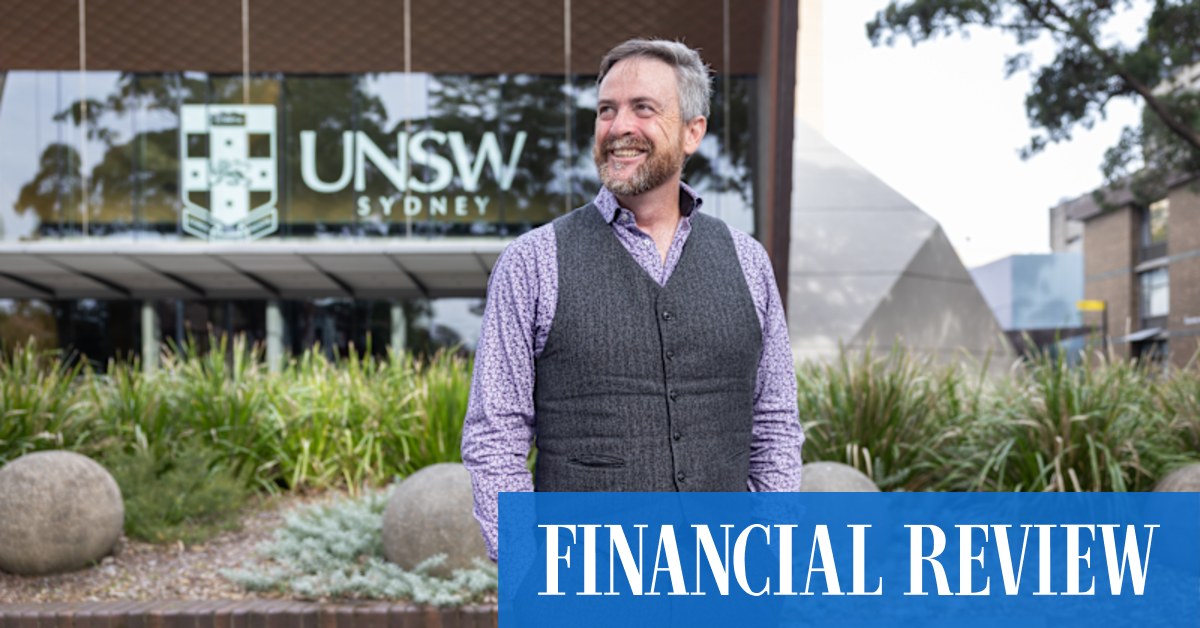
“This means we need to transform ourselves as a university to be AI-first, to integrate AI right across our curriculum as well as provide profession-specific AI skills training to our graduates.”AI integration in learningLa Trobe’s founding mission is to support people from less advantaged backgrounds – underserved, first-in-family and low-socioeconomic status learners. Ensuring their success means preparing them to be future-focused.La Trobe University vice chancellor Professor Theo Farrell.
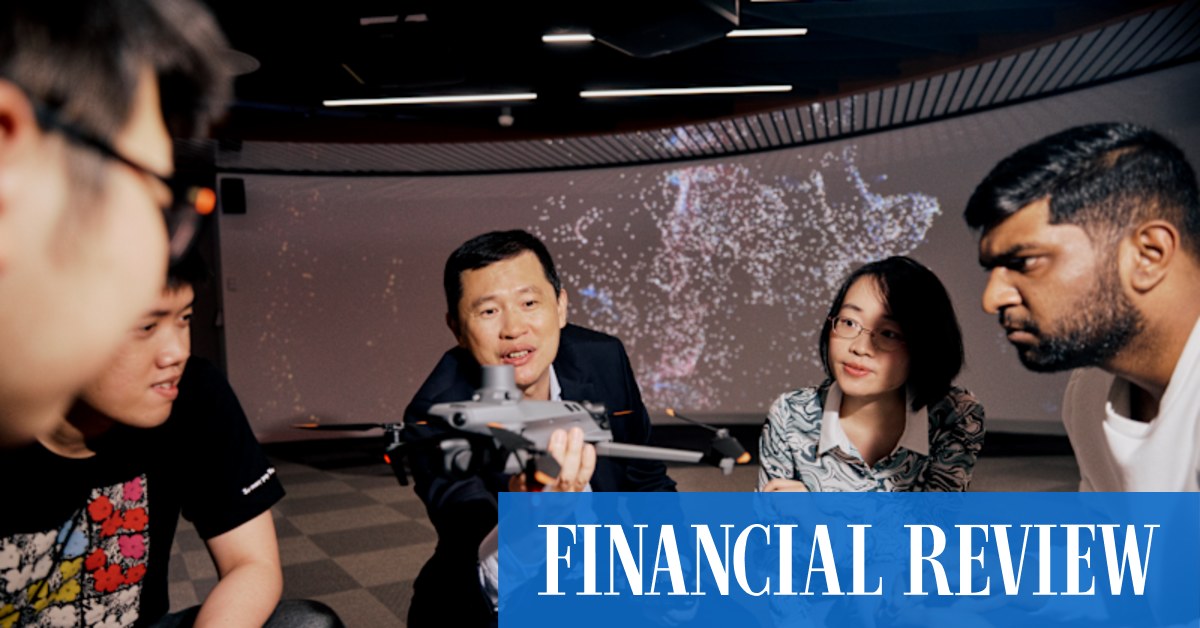
While Australia’s next generation of graduates faces the prospect of AI-driven job displacement, Farrell expects a larger-scale job transformation as the technology creates new job roles.“Throughout history, we’ve experienced disruption at the moments when technology drives large-scale transformation, but you tend to see more jobs created than lost,” he says.“The economy as a whole continues to grow during technological transformation, and it’s our job to ensure that our graduates are ready to thrive in the AI age.”La Trobe’s recent appointment of Australia’s first pro vice chancellor (Artificial Intelligence) signals the university’s decisive shift from experimentation to full institutional deployment. It is embedding AI responsibly and at scale across learning and teaching, research and professional services.The La Trobe AI Institute is a university-wide platform that unifies AI activity across research, education and industry. The institute provides a front door to La Trobe’s capabilities, such as the Australian Centre for Artificial Intelligence in Medical Innovation (ACAMI).ACAMI is the world’s first university innovation centre specialising in the application of AI to accelerate the discovery and development of immunotherapies, vaccines and medical innovation – powered by Australia’s first Nvidia DGX H200 supercomputer deployment at a university. La Trobe’s industry collaborators include Microsoft, OpenAI, Cisco, NextDC and CyberCX, creating one of the most industry-connected tech ecosystems in the country’s higher-education sector.In recognition of its AI initiatives, the university won the sustainability category of the 2026 AFR AI Awards, for its smart irrigation platform for sustainable agriculture, led by Professor Wei Xiang in partnership with the Queensland agtech company Aglantis.Professor Wei Xiang (left, centre) who led development of the university’s AI-enabled smart irrigation platform for sustainable agriculture in partnership with Queensland agtech company Aglantis.