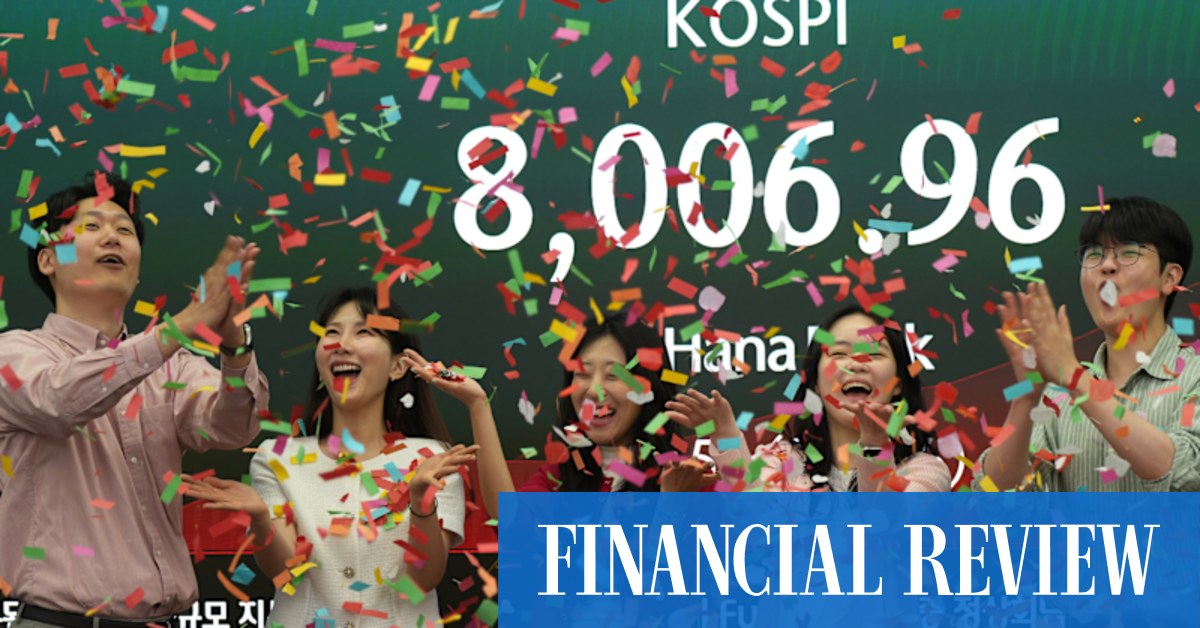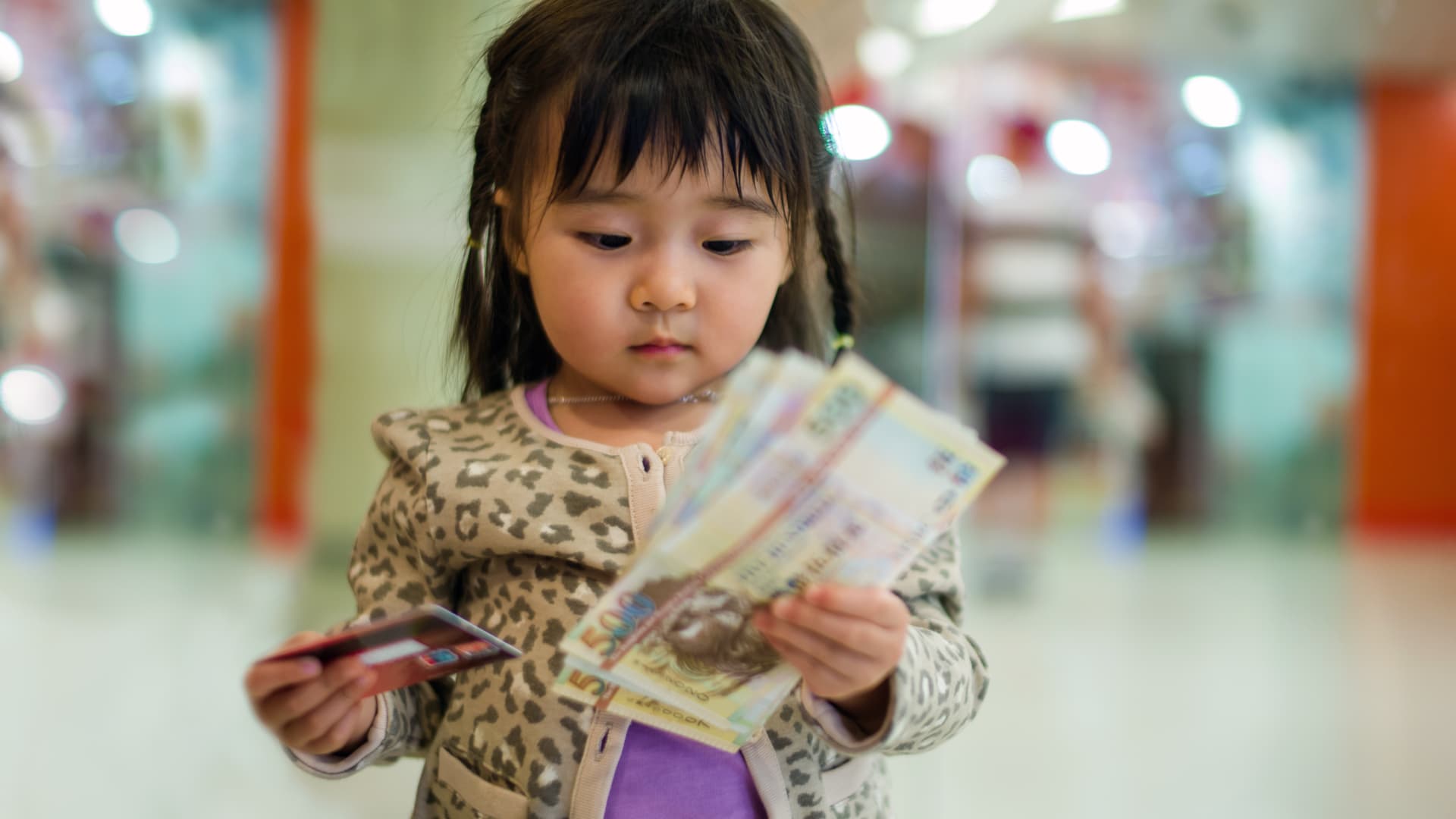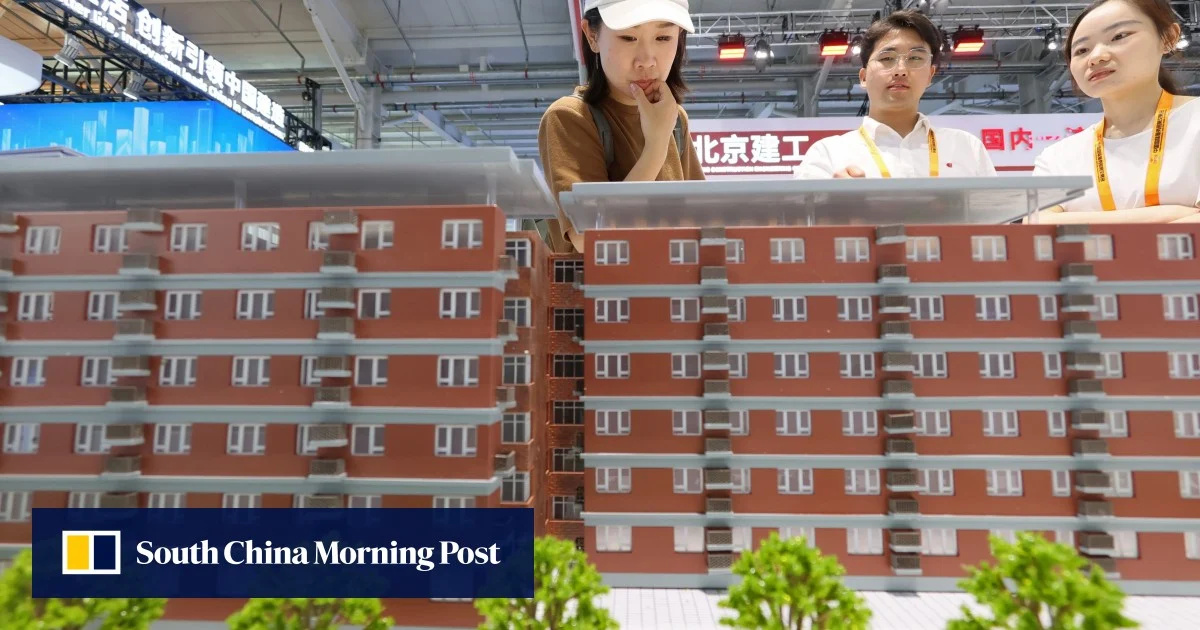
As his eight-year-old son blew out the candles on his birthday cake in February, Choi Nam-joon gave him a present he hopes will keep growing long after the party ends: three shares of Samsung Electronics.The shares, worth a total of about 500,000 won (US$332) at the time, were added to the boy’s brokerage account, part of a plan the 42-year-old South Korean office worker sees as the most realistic way to help his son build wealth.Choi’s family cannot afford to buy a home in one of Seoul’s most sought-after districts. Nor does he want to buy a cheaper property outside the capital, which he believes is exposed to long-term decline.“I try to get my son interested in the stock market by doing this together,” Choi said. “It’s a way to help your child build assets through the magic of compounding, while also saving on tax.”Across East Asia, parents and grandparents are beginning to rethink what kind of wealth is most worth passing on.For decades, property and savings were the dominant answer, especially in China. But as populations age and confidence in real estate weakens, more families are seeking to diversify their wealth beyond property and savings, turning to stocks, funds and insurance products for long-term asset building and inheritance planning.In South Korea, that shift is already visible in children’s brokerage accounts. Shinhan Securities reported a 272 per cent year-on-year increase in accounts held by underage clients in the first quarter of 2026. Samsung Electronics was the most actively traded stock among minor investors, it said.
Why are Asia’s families eyeing liquid assets to secure their children’s wealth?
More of the continent’s parents are providing share portfolios and other assets for their offspring as confidence in property begins to wane.
TL;DRAI
South Korean minors' accounts surged 272% in Q1 2026, Samsung leading trades, as families shift from real estate to liquid assets. Aging demographics and declining property confidence across East Asia are reshaping inheritance, driving capital market adoption.
255 words~1 min read