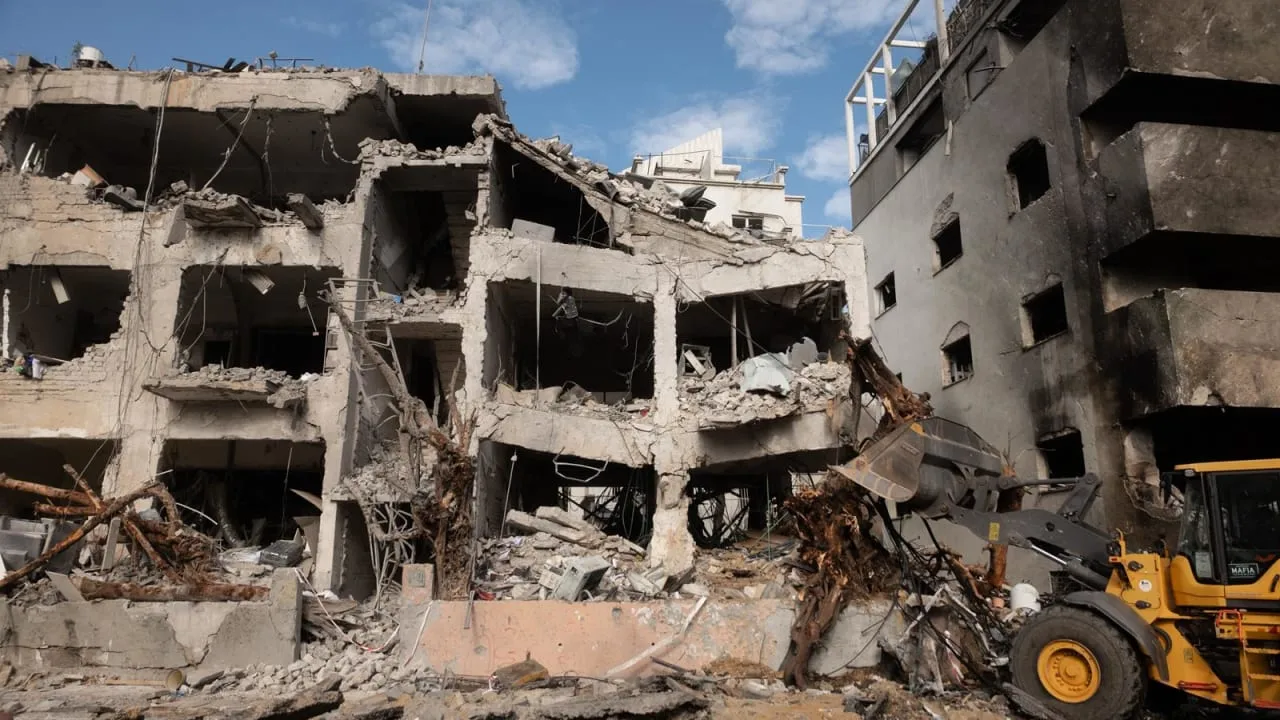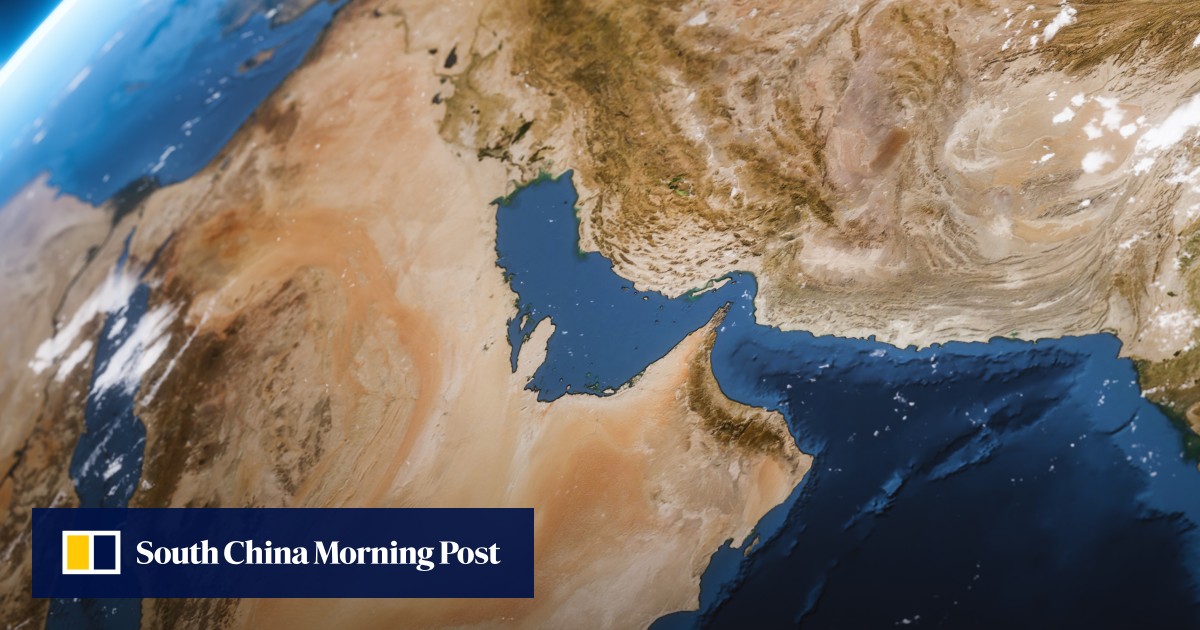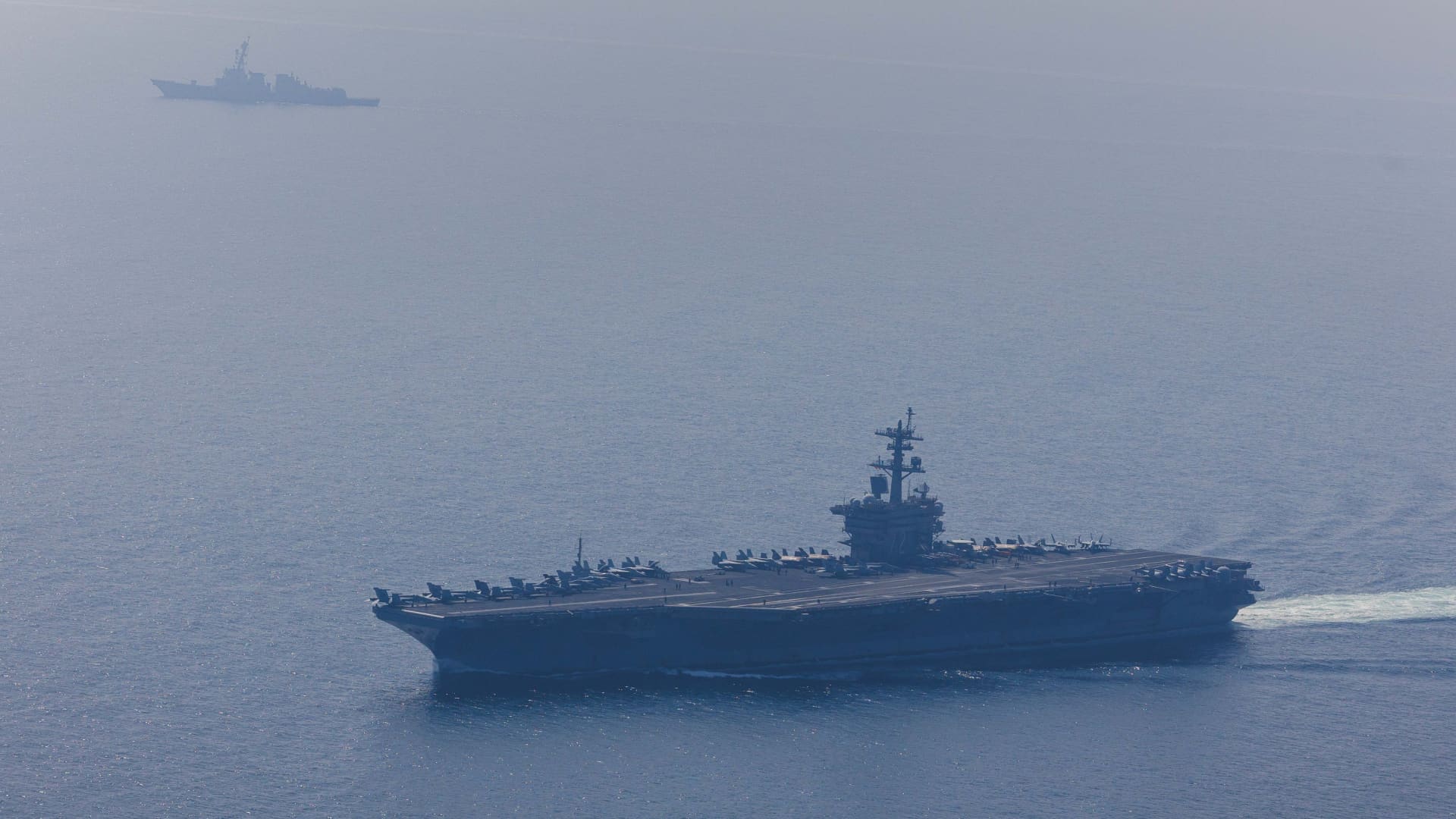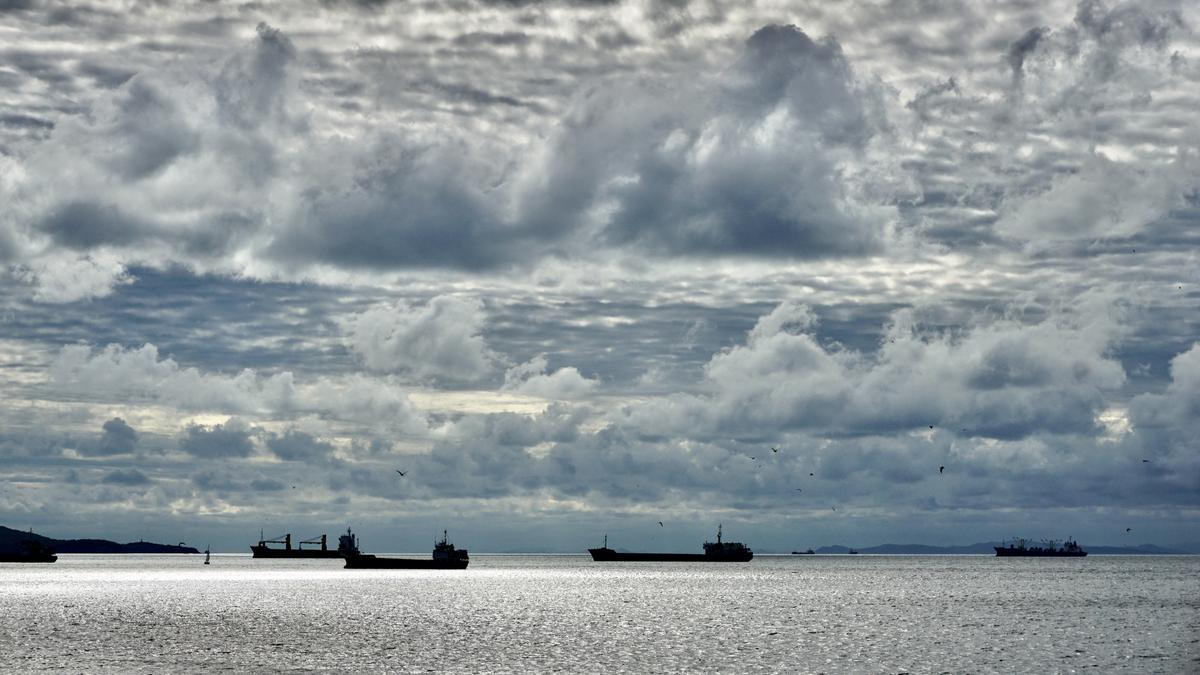
The ongoing war in Iran has shattered many myths and brought to light realities that expose the structural vulnerabilities of the existing world order. Iran, which was no match for the combined military might and technological superiority of Israel and the United States, has not only withstood the military onslaught but has also retaliated in ways that were neither expected nor planned for. Nearly three months into the conflict, although a fragile ceasefire is holding, there appears to be no immediate solution to end the war or achieve the politico-military objectives that Israel and the U.S. set at its outset. While Iran has suffered major losses to its leadership, infrastructure and military assets, the American military has also incurred unprecedented losses.Lessons from the Iran conflictA recent U.S. Congressional Research Service report has noted that 42 U.S. aircraft have been lost or damaged so far during “Operation Epic Fury” — the war with Iran — which includes fifth generation stealth fighters such as the F-35. Plus, the ability to intercept Iranian missiles and drones has been severely degraded as more than half the total inventory of Patriot, Tomahawk and Terminal High Altitude Area Defense (THAAD) missiles have been expended. With more than 240 American targets reportedly hit by Iran, the conflict has shattered the myth that military superiority alone will guarantee an outright victory. Several of the asymmetric tactics employed by Iran have caught the U.S. and Israel on the back foot.Another reality check underscored by this war is the critical importance of global choke points and how their blockade can severely disrupt the global economy. Iran, by imposing a blockade on the Strait of Hormuz early in the conflict, has virtually brought the global economy to its knees. Nearly 20 million barrels of crude oil, accounting for about a third of global oil supplies, pass through this narrow sea passage every day. India is among the countries most affected, as it imports nearly 88% of its crude oil requirements, amounting to about 1.8 billion barrels annually. While the world grapples with the blockade and works to diversify its energy sources, one thing is clear: there is an urgent need to explore and develop alternative connectivity options beyond existing trade routes, particularly maritime routes. New routes and corridors must be developed that avoid the two ‘C’s — conflict zones and choke points.However, this realisation is neither new nor have countries been idle in pursuing solutions. Transnational connectivity projects such as the International North-South Transport Corridor (INSTC) and the Belt and Road Initiative (BRI) were conceived precisely for this purpose. The INSTC was designed to bypass the Suez Canal choke point, while the overland component of the BRI across Asia and Europe seeks to reduce dependence on both the Malacca Strait and the Suez Canal. Another major connectivity project is the India-Middle East-Europe Economic Corridor (IMEC). Unlike the other initiatives, IMEC traverses parts of West Asia, a region that has been significantly affected by the current conflict.The IMEC frameworkWhat is IMEC? The IMEC is a transformative and ambitious connectivity initiative that was officially announced at the G-20 Summit in New Delhi in September 2023. It seeks to connect India with Europe across the Arabian Peninsula, bypassing the traditional choke point of the Suez Canal. The project envisions a multimodal economic corridor integrating railways, ports, highways, energy networks and digital infrastructure to enhance trade, investment and connectivity. Unlike conventional transport corridors, IMEC is conceived as a holistic and multidimensional infrastructure project encompassing sea routes, rail networks, pipelines, undersea high-speed data links, green hydrogen corridors and transnational energy transmission grids.The proposed structure has three distinct sections. The eastern section links India with West Asia through sealinks to the United Arab Emirates (UAE). The central section consists of an overland route across West Asia, traversing the UAE, Saudi Arabia, Jordan and Israel, and culminating at the port of Haifa on Israel’s Mediterranean coast. The western leg of the corridor is sea-based, connecting Haifa to various European ports, beyond which the continent’s extensive transportation network takes over.What has happened due to the war? Soon after IMEC was announced, the war in Gaza broke out on October 7, 2023, placing the project on the back burner. Major areas of the originally envisioned corridor, particularly those involving Israel and the port of Haifa, were directly affected by the conflict.Soon after the Iran-Israel ‘12-Day War’ in June 2025, there was a concerted effort to move the project forward. However, the ongoing conflict involving Iran has once again thrown a spanner into its execution. Key ports in the UAE, particularly Jebel Ali and Fujairah, have been repeatedly targeted by Iran, while disruptions in the Strait of Hormuz have exposed the geographical vulnerabilities of these ports.Another critical fault line exposed by the war is the deep faultlines and divergence in the positions adopted by Saudi Arabia and the UAE in the war. Both countries are key partners in IMEC, and any adversarial posture between them could prove to be a major setback for the corridor, whose success depends on smooth coordination and seamless connectivity across the region. The UAE’s April 2026 announcement that it was opting out of the global oil grouping, the Organization of the Petroleum Exporting Countries (OPEC) and reports of its growing strategic coordination with Israel, including the deployment of Israeli defence systems such as the Iron Beam, risk widening differences between Riyadh and Abu Dhabi. Such developments are unlikely to augur well for either regional stability or the future of IMEC.Navigating the challengesThe war in Iran has highlighted two important issues for both West Asia and IMEC. First, there is an urgent need for projects such as IMEC that can bypass conflict zones and choke points. However, for such initiatives to succeed, they must also navigate the region’s geopolitical complexities, including the rapidly evolving dynamics among key partners such as Saudi Arabia and the UAE.To address the first challenge, IMEC must evolve into a broader and more flexible framework while keeping open the possibility of reverting to the originally envisioned alignment once the conflict subsides. To this end, the option of developing key ports in Oman — such as Salalah, Duqm and Muscat — as eastern entry points could be explored, as they are located well away from the conflict-prone Strait of Hormuz. Similarly, on the western end, until the port of Haifa becomes a secure transit hub, a western spur passing through Egypt and terminating at one of its major Mediterranean ports could offer a viable alternative. Egypt already possesses the logistics ecosystem required to support IMEC, including the Suez Canal Economic Zone, six operational ports and four industrial zones specialising in green hydrogen, liquefied natural gas, shipbuilding and other future-oriented sectors.To address the second challenge, countries such as India, which enjoy close relations and the trust of both Saudi Arabia and the UAE, will have to navigate a delicate but critical diplomatic terrain. European countries such as Italy and France, which are positioning themselves as key champions of IMEC in Europe, will also need to play an active role. The growing recognition of IMEC’s strategic importance was evident during Prime Minister Narendra Modi’s visit to Europe in May 2026. While elevating their bilateral ties to a Special Strategic Partnership, India and Italy reaffirmed their commitment to cooperate on IMEC, recognising its transformative potential to reshape and promote global trade, connectivity and prosperity.The bottom line is clear. The war in Iran has underscored the need for transnational connectivity projects such as IMEC that can bypass conflict zones and strategic choke points. However, for such initiatives to succeed, they must overcome the geopolitical complexities in West Asia.Rajeev Agarwal is a retired colonel, a Senior Research Consultant at CRF, Delhi, and the author of ‘Between Tehran and Tel Aviv – Gaza’s Story of Unending War’
IMEC is caught between commerce and geopolitics
The war in Iran has underscored the need for transnational connectivity projects such as IMEC that can bypass conflict zones and strategic choke points
1,297 words~6 min read