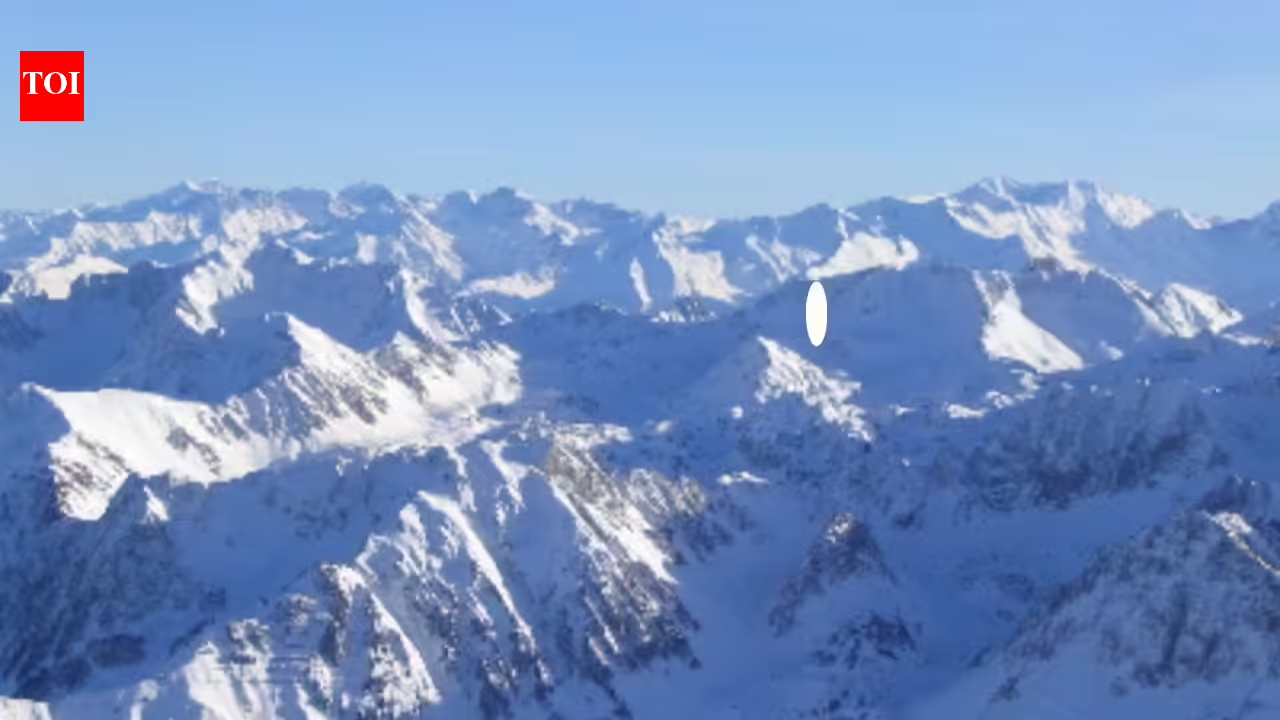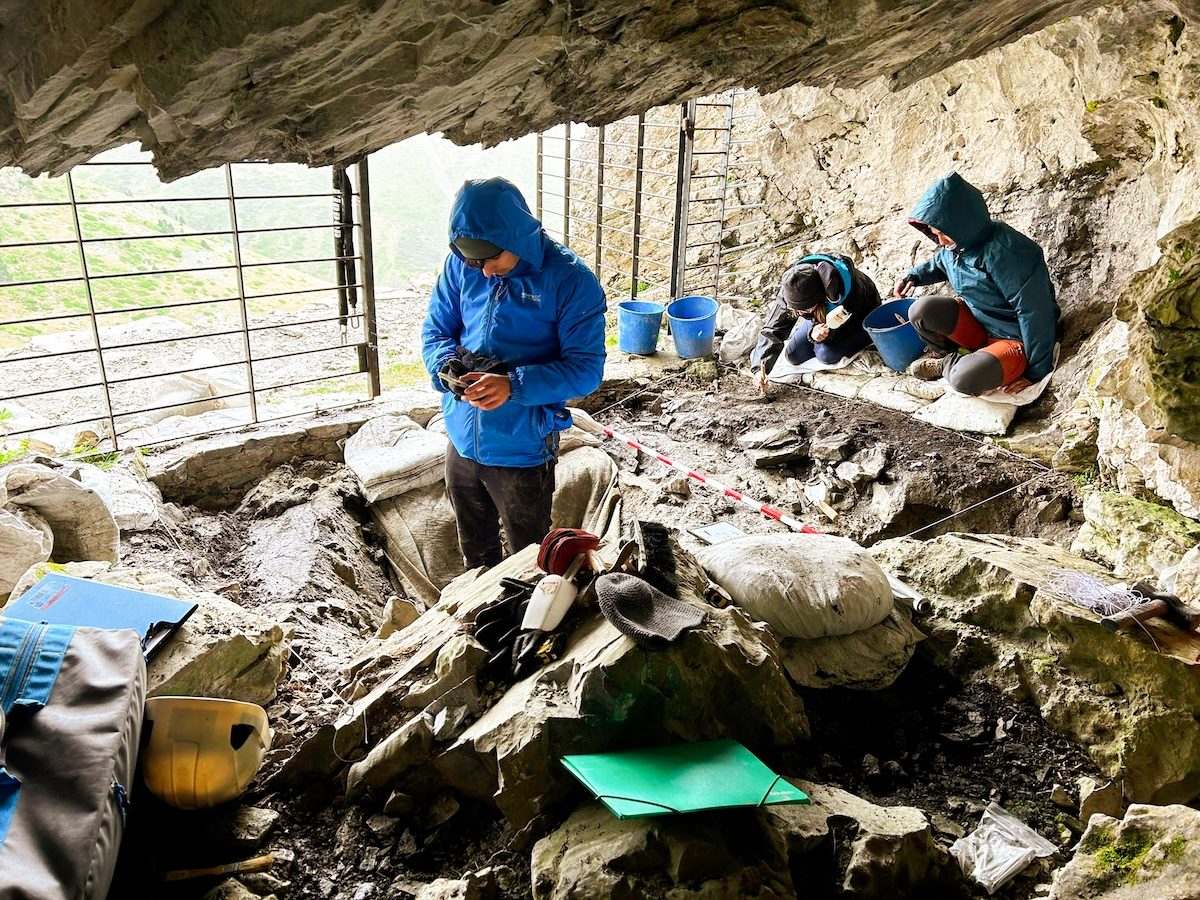
A mysterious ancient settlement has been discovered surprisingly high in the Pyrenean mountains in Spain.
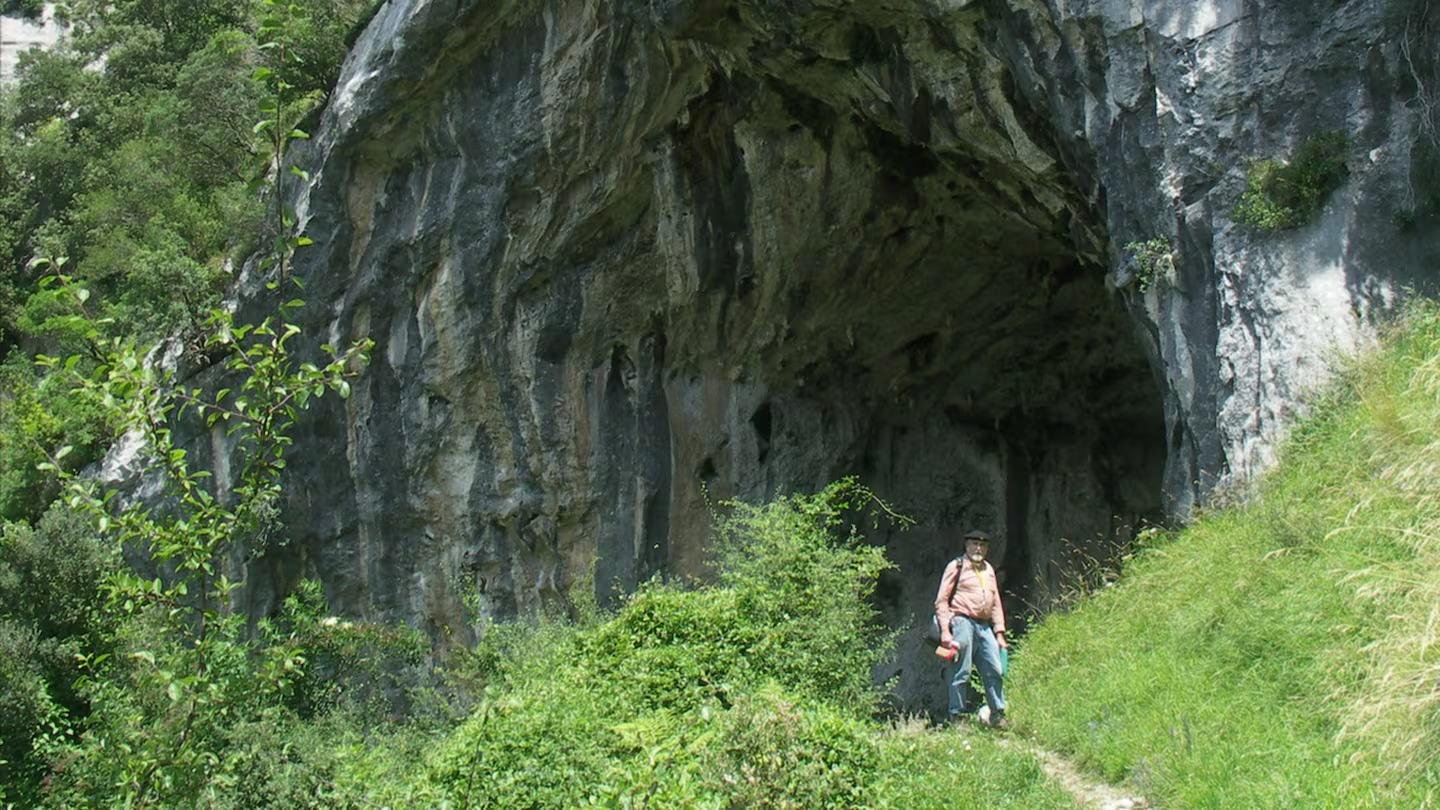
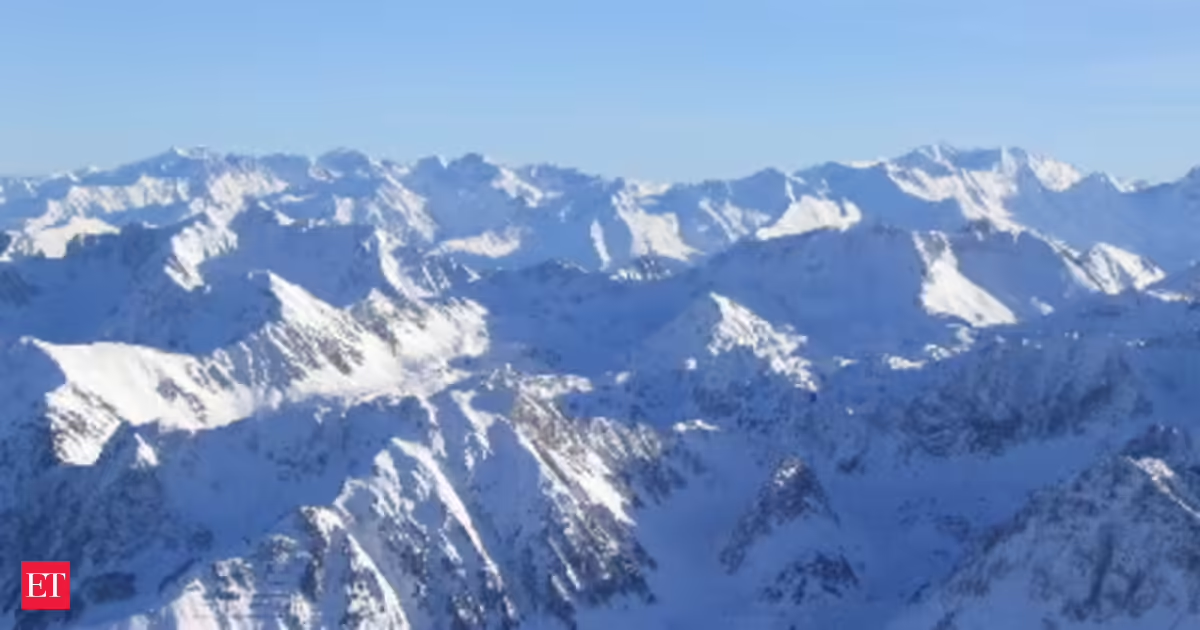
Documented in a new study, the prehistoric cave known as Cova 338 sits 2,235m (7,333ft) above sea level, in the Núria Valley – making it the highest altitude dwelling of its kind to date in this area.
For decades, archaeologists have thought that areas above 2,000m (6,562ft) were only used by people passing through. But the new discovery suggests that, over the course of 5,000 years (between the 5th and 1st millennia BC), multiple populations actually occupied the caves here for long periods of time.
What’s strange about this, however, is that the occupation wasn’t continuous. In fact, archaeological dating suggests there were periods of abandonment before people returned – evidence, the researchers claim, that the periods of occupation were pre-planned.
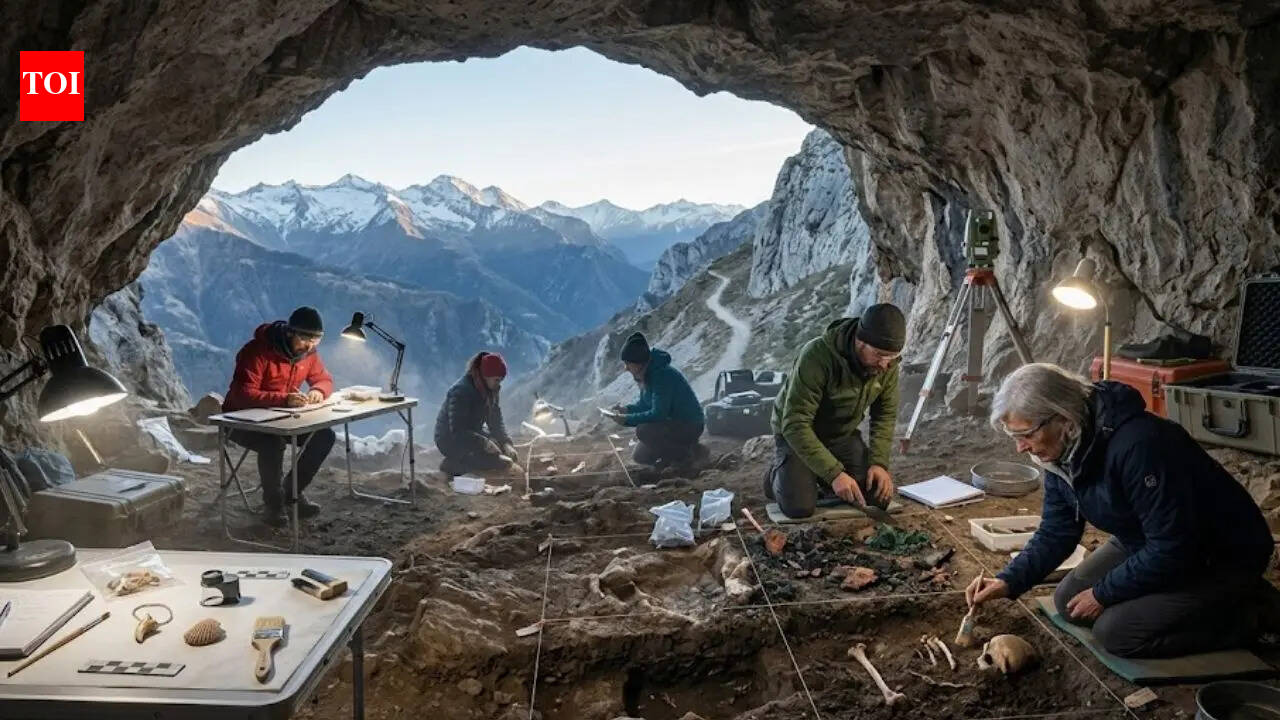
Excavations of the cave took place between 2021 and 2023, led by scientists at the Universitat Autònoma de Barcelona (UAB) and the Institut Català de Paleoecologia Humana i Evolució Social (IPHES-CERCA), in Spain.