A phrase that recently gave me pause is "token factory", as Wuxi, one of China's most seasoned manufacturing cities, is preparing to give artificial intelligence something it has rarely had before: a factory address.
Not a factory that stamps metal parts, assembles circuit boards or loads containers onto trucks, but one designed to produce the measurable units consumed by large AI models — tokens.
On May 15, Honflex signed an agreement with the local government to build Jiangsu province's first Huawei Ascend 384 super-node computing cluster. On top of that infrastructure, Hongxin Electronics plans to establish a large-scale token factory in the city.
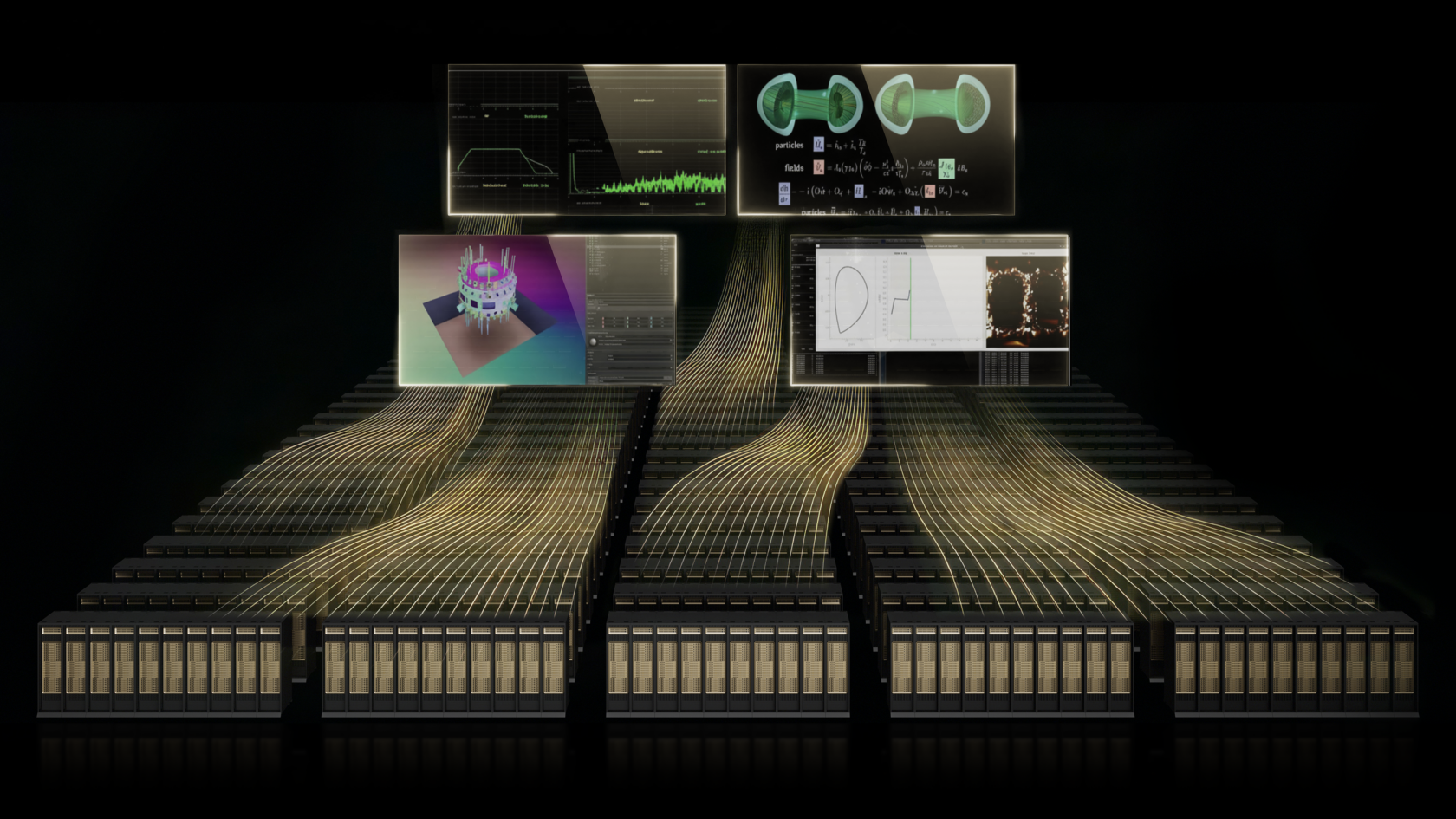
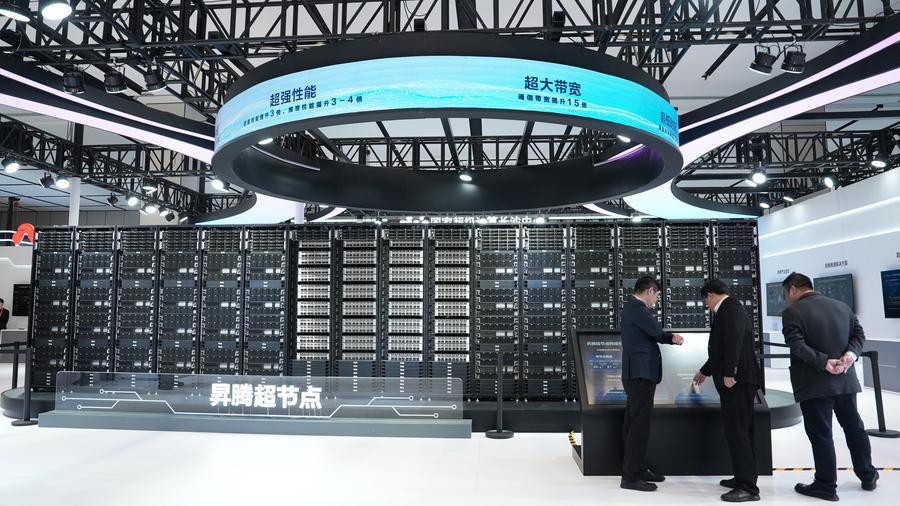
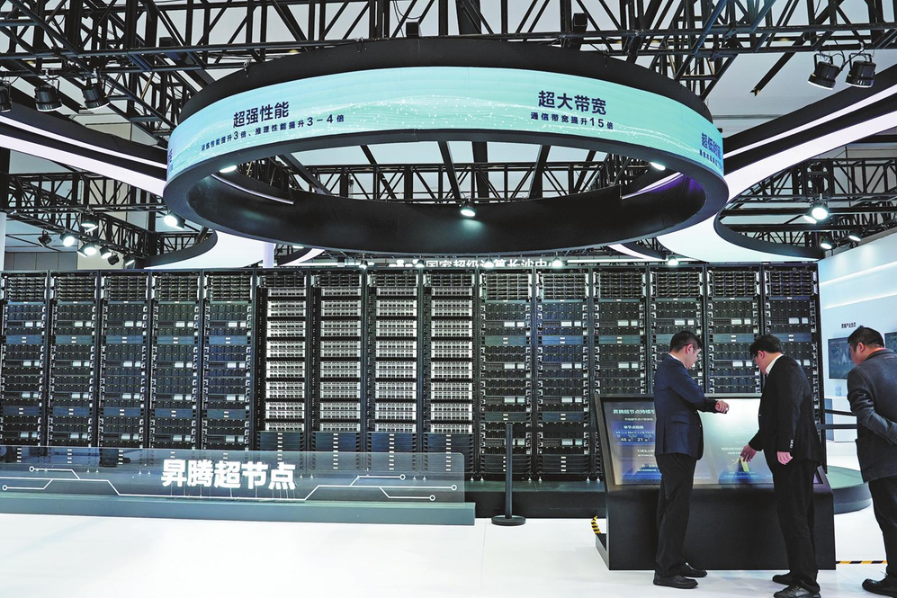
The first phase will deploy four Huawei Ascend 384 super-node servers. Each server carries 384 AI accelerator cards, and the four will be connected into one super cluster. In China's emerging market-facing token factory sector, that scale is being described as among the largest.
At first, the phrase sounds almost theatrical. But the more I followed the logic, the more industrial it became. A token is the basic unit processed by an AI model. Every chatbot reply, AI coding request, image-editing command or automated report consumes tokens.