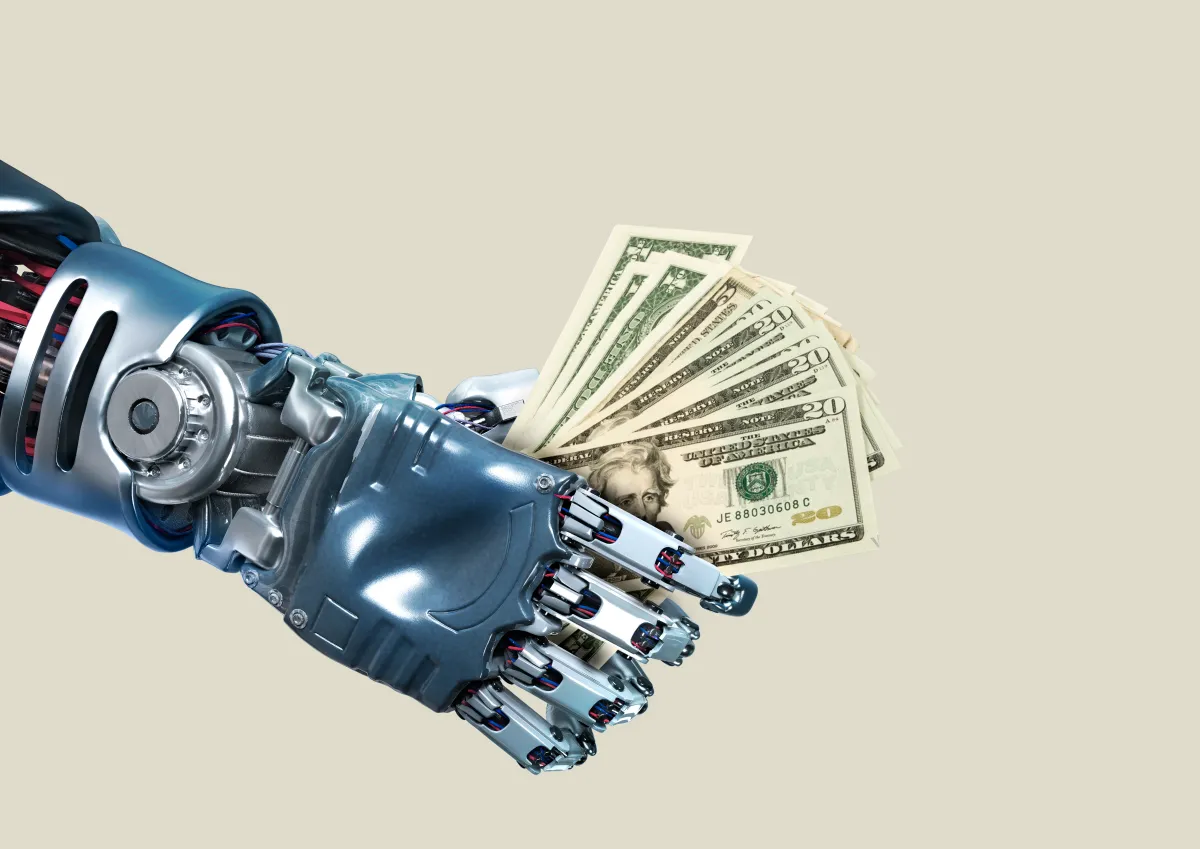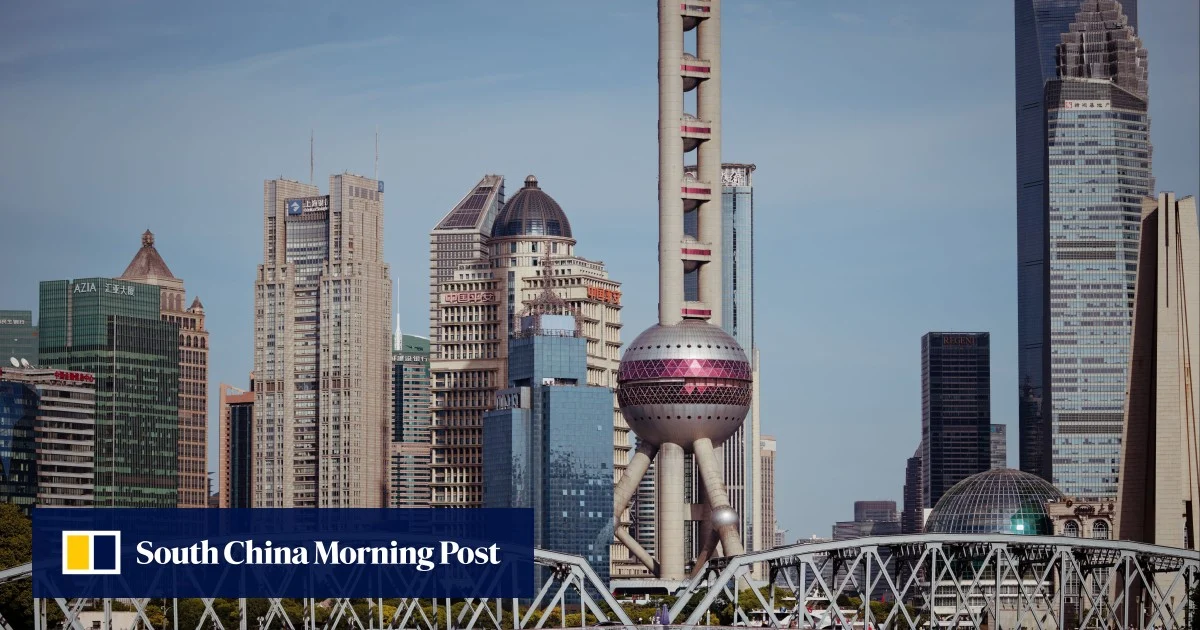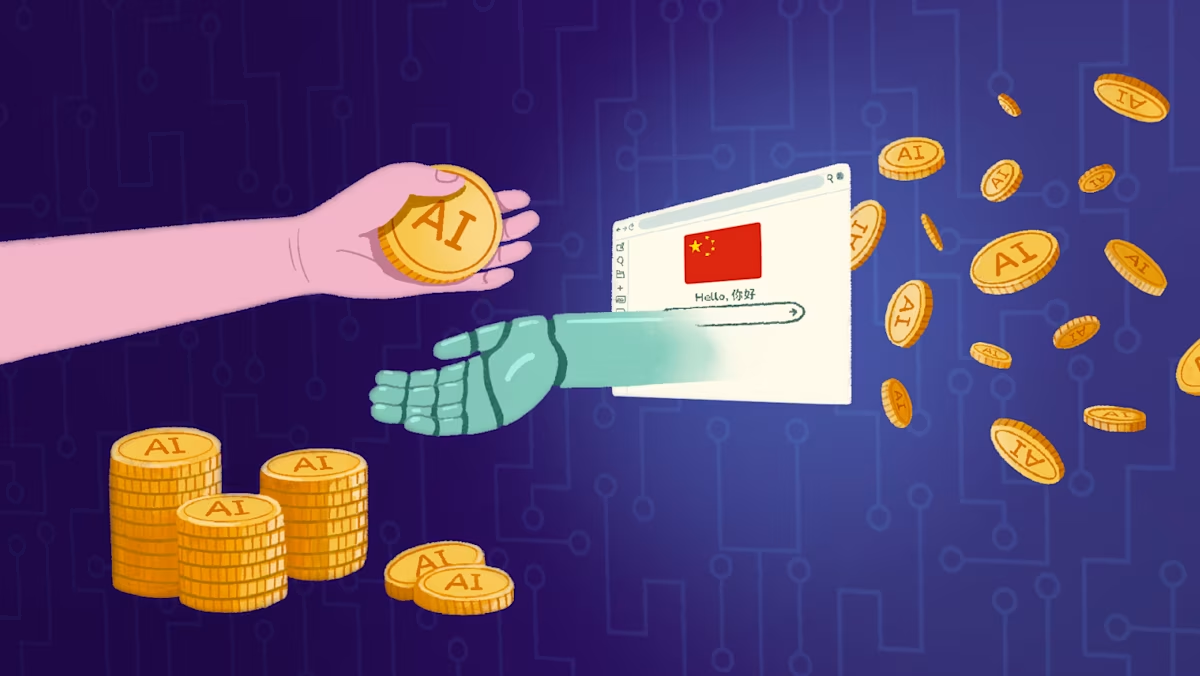
The Shanghai Futures Exchange is building something that didn’t exist a year ago: futures contracts pegged to AI tokens, the tiny units of text and data that large language models consume every time someone sends a prompt. Think of it as crop insurance, but for the digital harvest powering China’s AI economy.
By March 2026, China’s daily AI token usage had hit 140 trillion. That number is growing fast enough to make enterprise budgeting a nightmare, and SHFE apparently wants to give companies a way to lock in prices before costs spiral further.
What exactly is an AI-token future?
Every time you interact with an AI model, your input and output get broken into “tokens,” roughly equivalent to chunks of a few characters each. Providers like OpenAI, Anthropic, and China’s domestic competitors charge per token. Tokens are the metered units on your AI electricity bill.
A futures contract on AI tokens would let a company agree today to pay a fixed price for a set quantity of inference tokens delivered at a future date. If token prices spike because demand surges or chip supply tightens, the company is protected. If prices drop, they’ve overpaid, but that’s the cost of certainty.