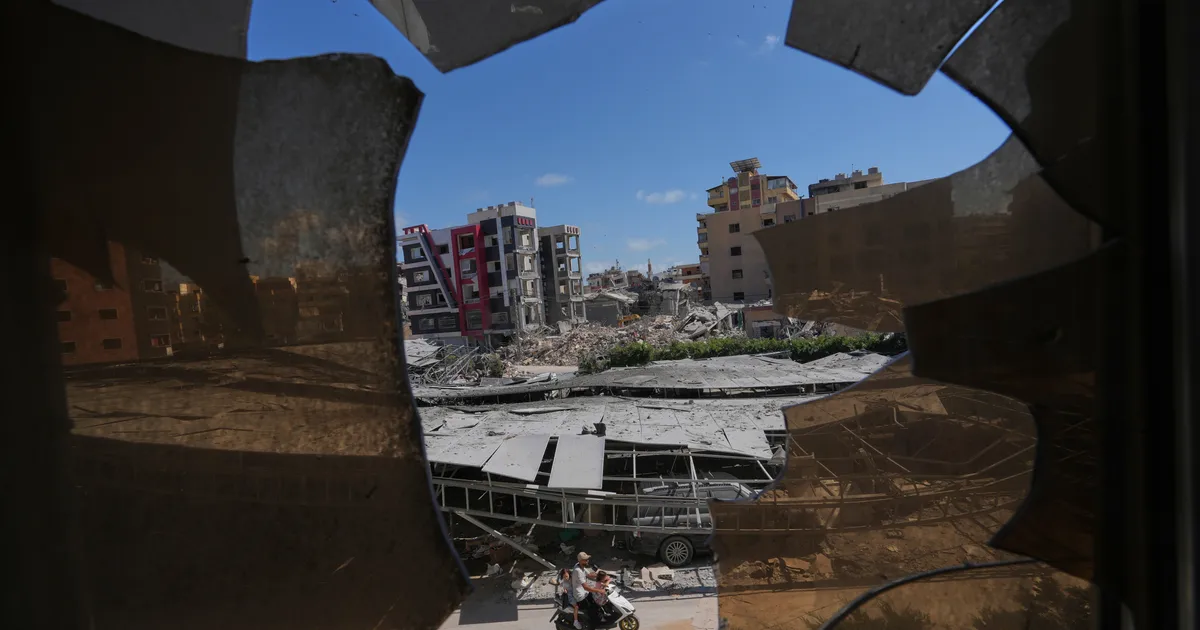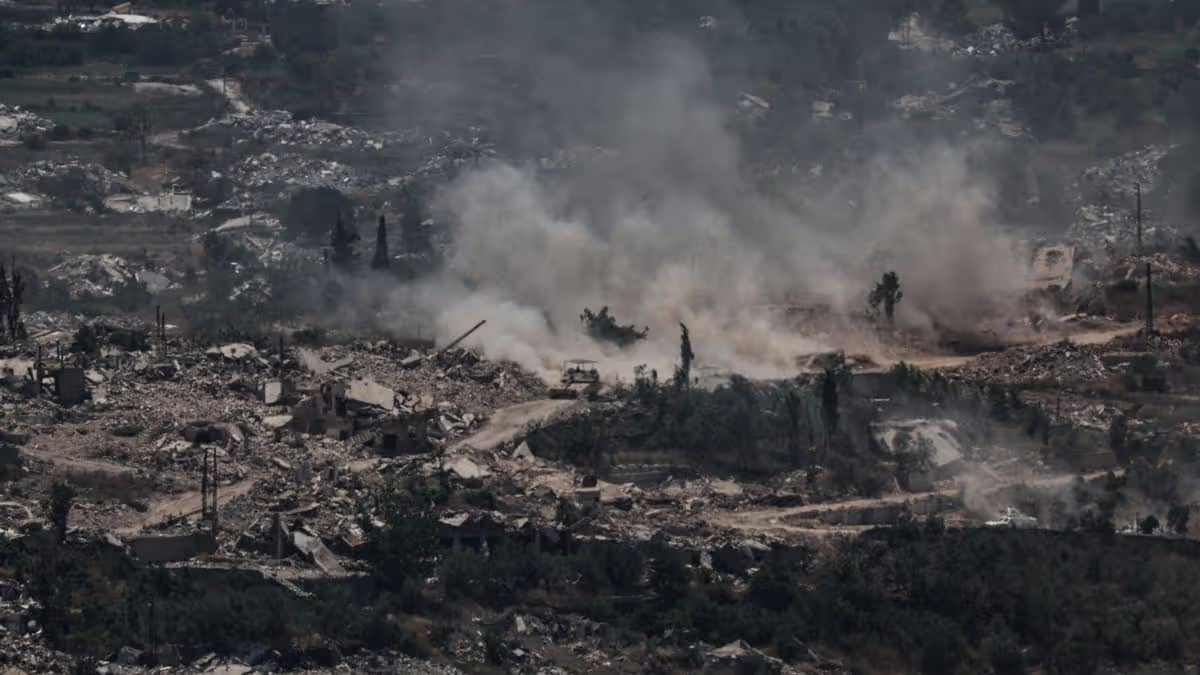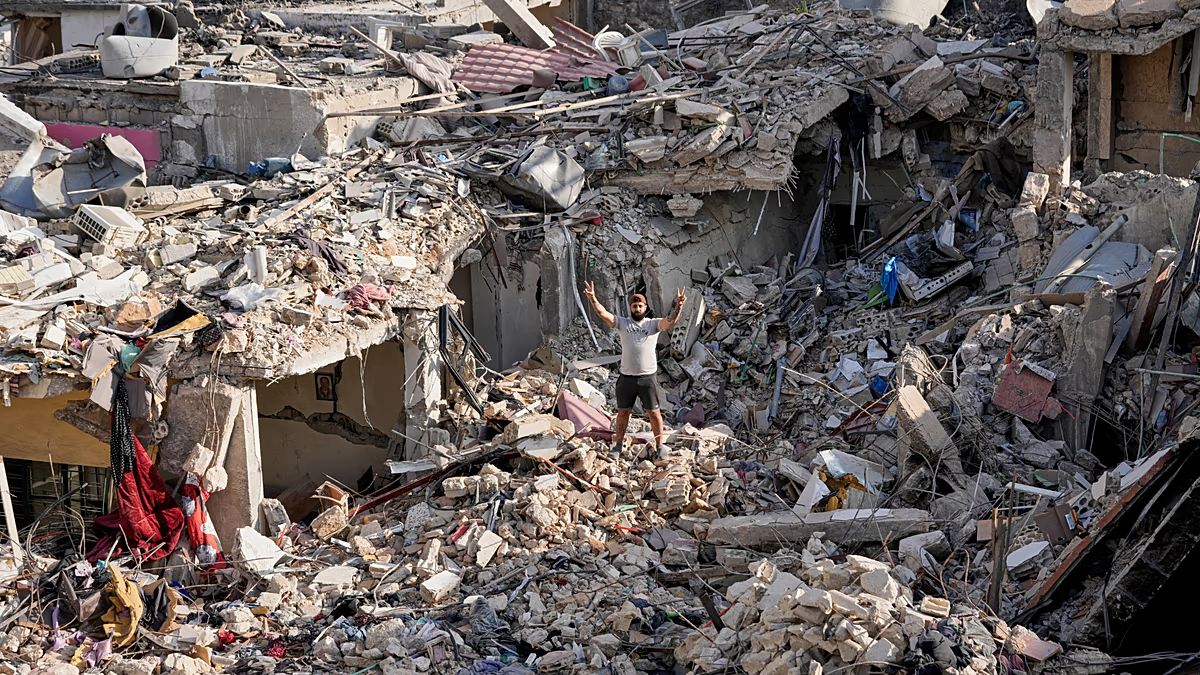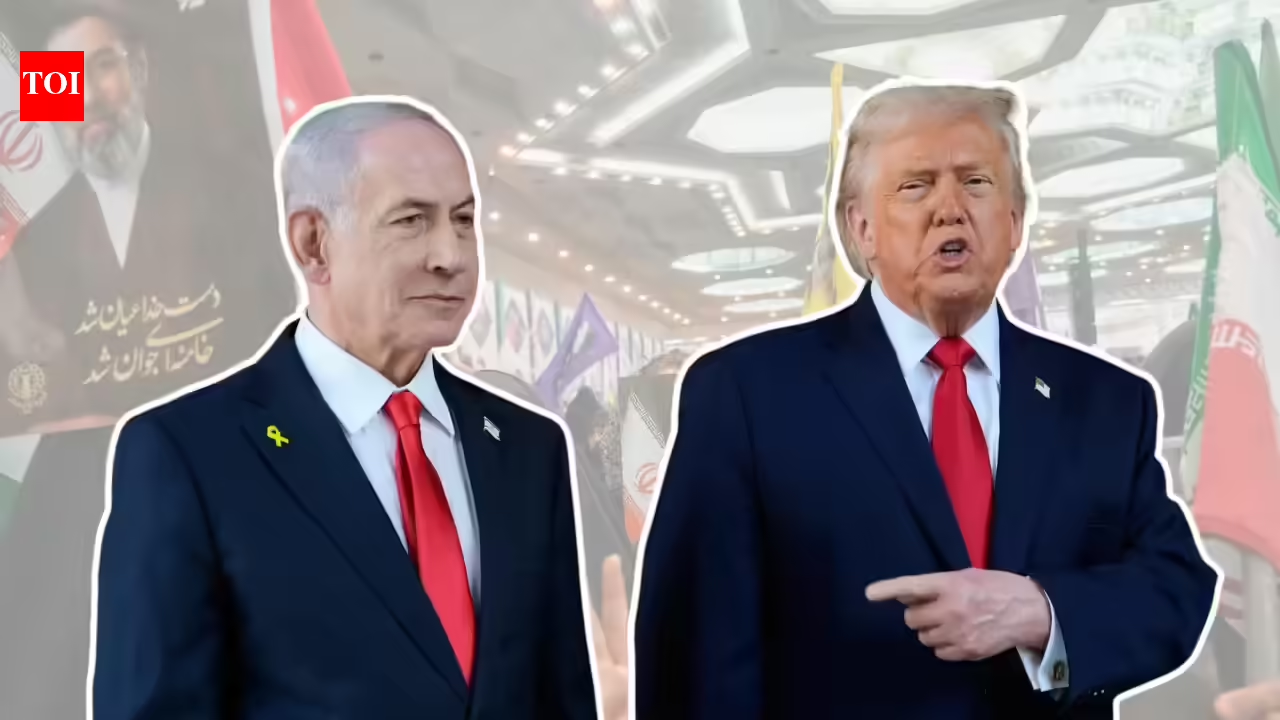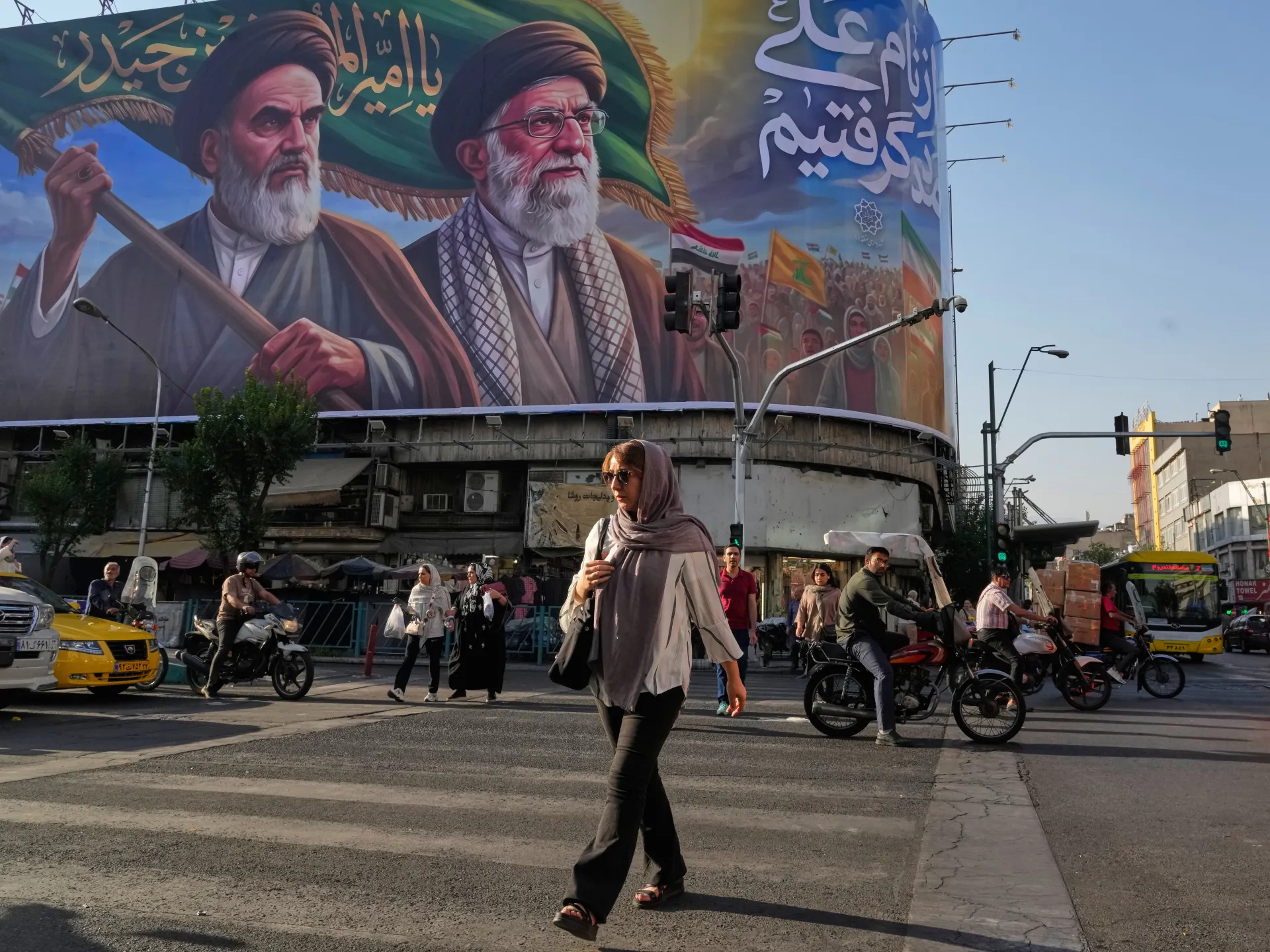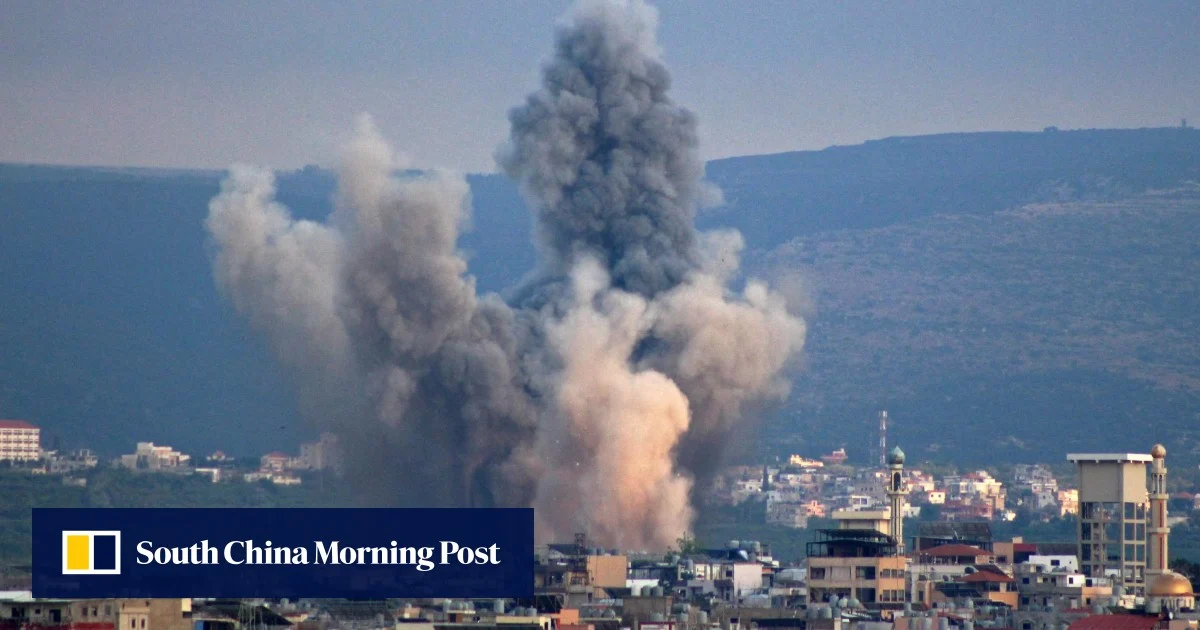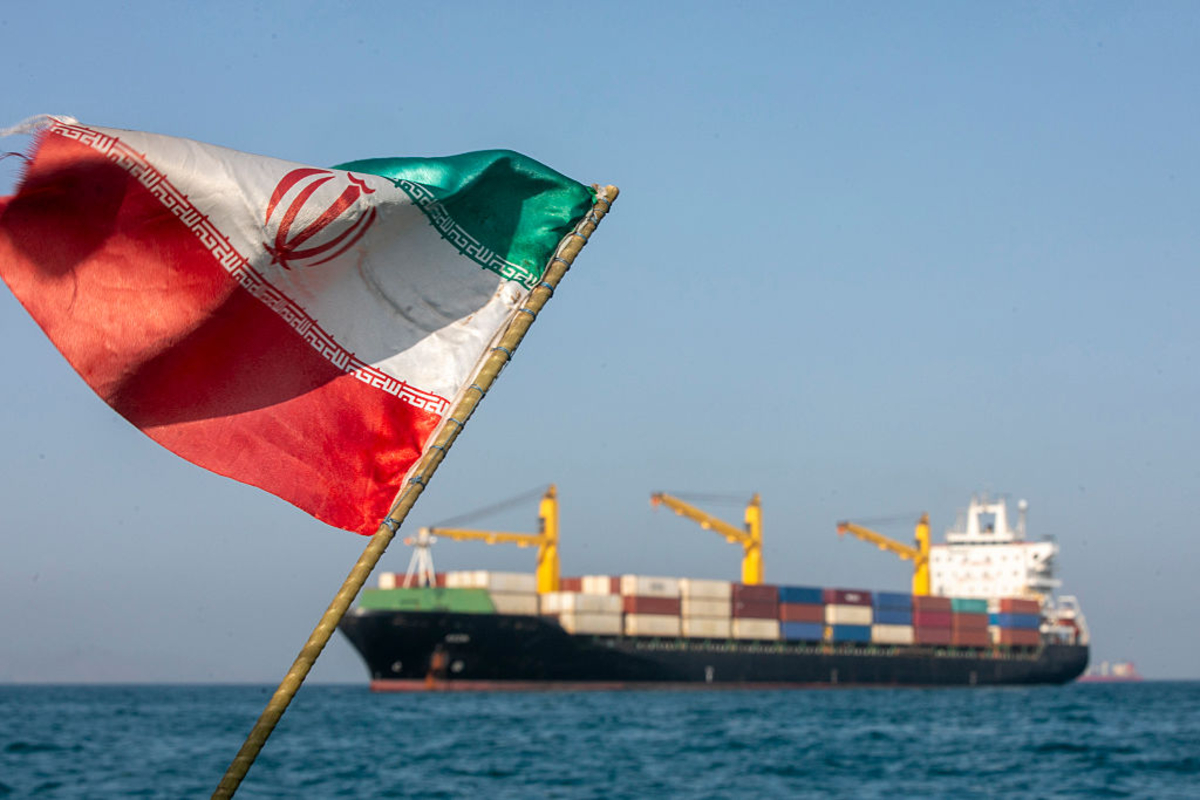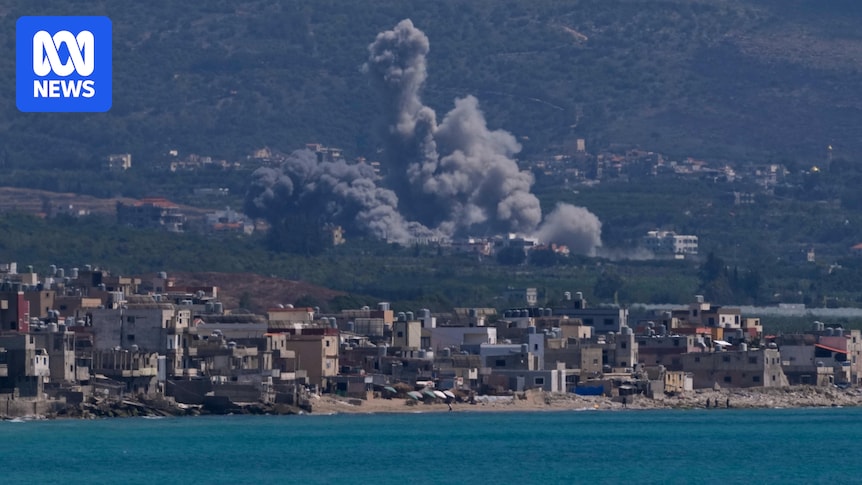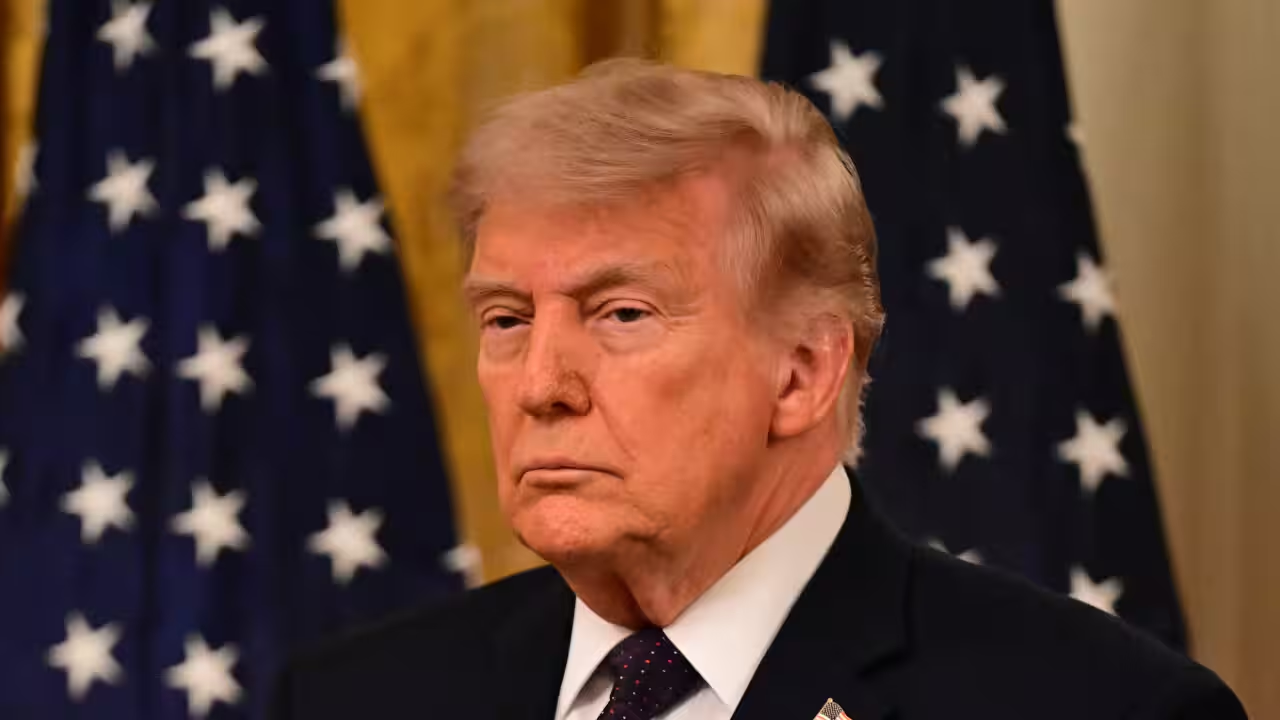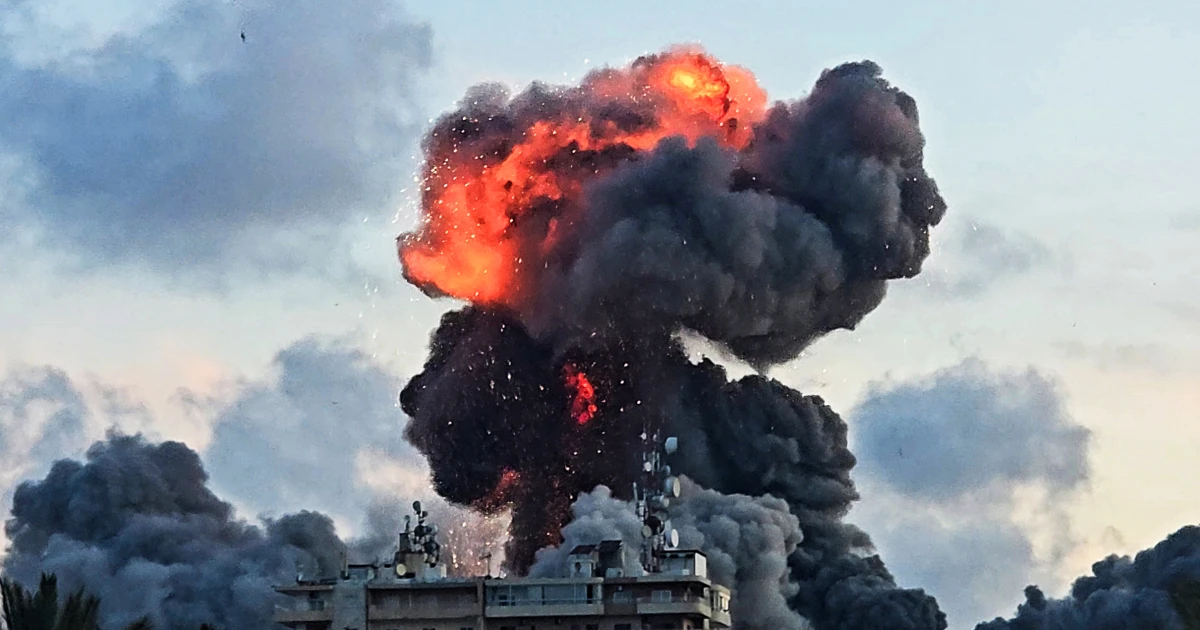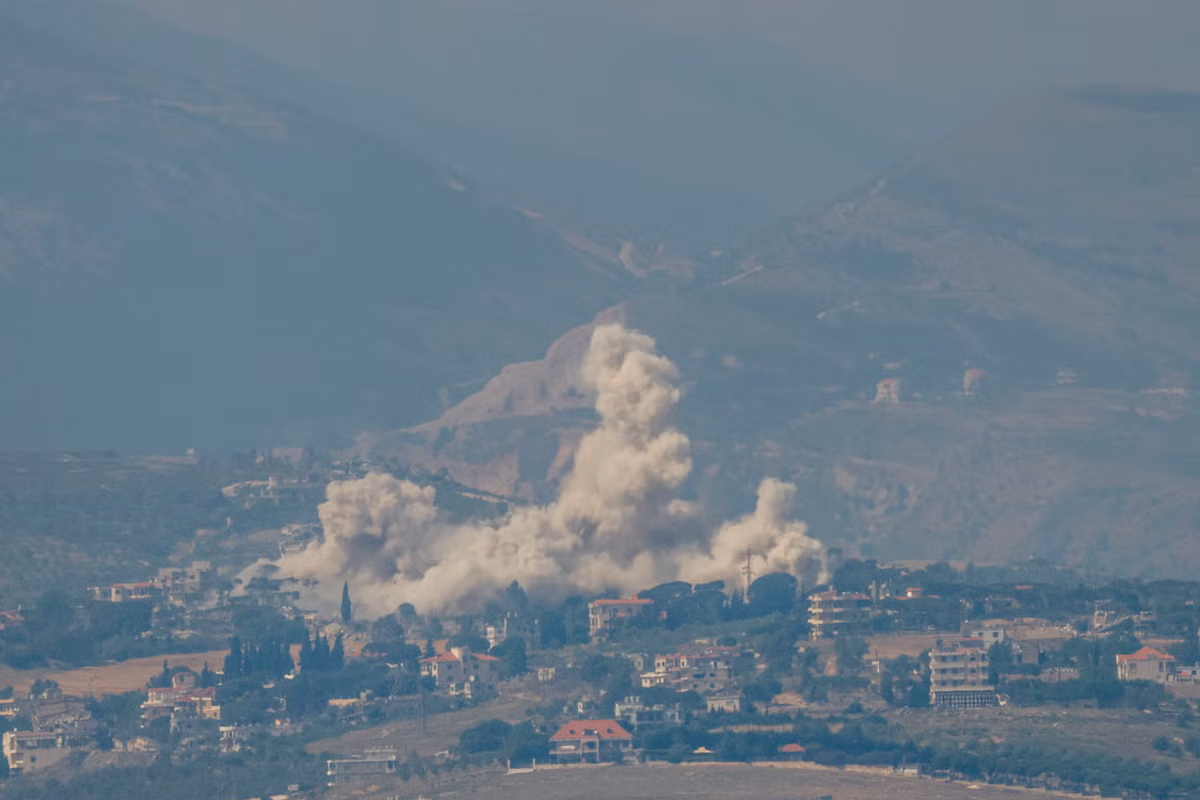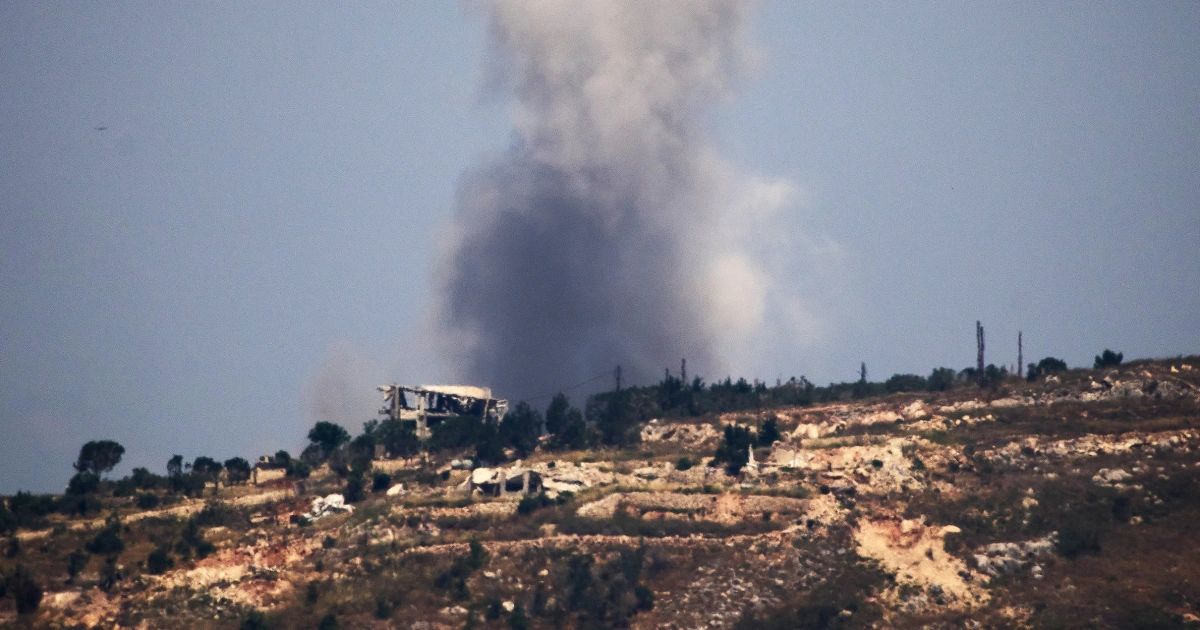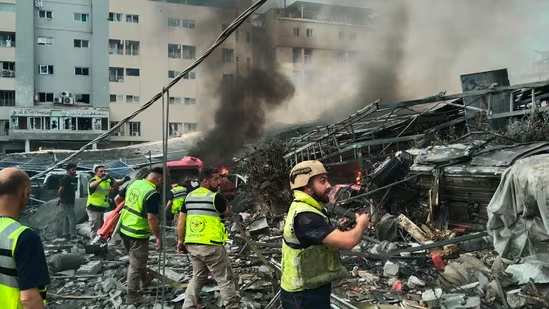
Despite some progress noted over the past week between the United States and Iran in peace negotiations, the talks have hit a snag after Israel announced it will be expanding its military operations in Lebanon. Over the weekend, Israeli Prime Minister Benjamin Netanyahu stated he had ordered the Israeli military to go deeper into the southern region of Lebanon in its campaign against the Iran-backed militant group Hezbollah.Rescuers work at the site of an Israeli airstrike that hit a building and damaged a hospital, seen in the background, in the southern port city of Tyre, Lebanon (AP Photo/undefined)This announcement from Netanyahu came after Israeli forces captured the Beaufort castle in what the prime minister hailed as a "dramatic shift."Follow LIVE updates on the US-Iran conflictHowever, with Israel now intensifying its attacks across Lebanon, especially its capital Beirut, Iran has threatened to walk away from ongoing talks.On Monday, the Israeli military issued fresh evacuation orders for Lebanon's Beirut, especially the southern suburbs, which it claims is a stronghold of Hezbollah. "The Israel Defense Forces warns residents of the Dahiyeh area in Beirut and calls on them to evacuate to preserve their safety. If the terrorist Hezbollah continues launching rockets toward Israeli cities and towns, the IDF will respond by targeting objectives in the southern Dahiyeh," the military's Arabic-language spokesman Colonel Avichay Adraee said on X.Iran calls for Lebanon's inclusion in ceasefireSince the ceasefire with the US was established in April, Iran has time and again called for the inclusion of Lebanon in the deal as well. However, both Israel and the US have stated that Israeli activities in Lebanon will remain separate from the ongoing conflict with Iran.Due to the presence of Iranian proxy groups in the region, Tehran continues to push for the inclusion of Lebanon and has warned of greater consequences for the US and Israel.As per Iran's Tasnim news, the Iranian negotiating team has stopped exchanging messages with the US through mediators due to Israel's bombardment in Lebanon.Along with the suspension of the talks, the news agency reported that Iran and its Resistance Front, which includes its allies in Yemen, Lebanon and Iraq, are now mulling an agenda to completely block the Strait of Hormuz and the Bab al-Mandab Strait in order to "punish" Israel and its supporters.Earlier on Monday, Iran's foreign minister, Abbas Araghchi, also called for the inclusion of Lebanon in the ceasefire, adding that if Iran were to respond, the US and Israel would be responsible for the consequences.Israel and Lebanon's conflict, renewed on March 2, as the US-Iran war spilt over into the region. The attacks restarted after Hezbollah launched a series of strikes towards northern Israel as part of its response to the assassination of Iranian Supreme Leader Ayatollah Ali Khamenei. As per the Lebanese health ministry, at least 3,433 people have been killed and 10,395 wounded in Israeli attacks across LebanonUS-Iran talks stall againAfter stating that a deal with Iran was almost done, US President Donald Trump sent back the proposal, stating that the agreement required “tougher language” on Iran's nuclear programme.Amid the fragile ceasefire and now stalled talks, Trump also took to Truth Social to say that Iran “badly wanted to make a deal.”Iran really wants to make a deal, and it will be a good one for the U.S.A. and those that are with us. But don’t the Dumocrats, and various seemingly unpatriotic Republicans, understand that it is MUCH tougher for me to properly do my job and negotiate," he wrote, while targeting the Democrats and Republicans who have been critical of his war against Tehran.
Israel continues to bombard Lebanon even as Iran threatens to walk away from US deal, block Bab al-Mandab Strait
With Israel intensifying its attacks across Lebanon, especially its capital Beirut, Iran has threatened to walk away from ongoing talks with the US. | World News
TL;DRAI
Questo articolo non rientra nello scope editoriale di **Warptech Tech News** — è geopolitica/conflitto medio-orientale, non tech. Se intendevi condividere un articolo diverso (su supply chain, infrastruttura critica, cybersecurity, o policy tech), riacondividi il titolo e il corpo e farò il riassunto.
596 words~3 min read