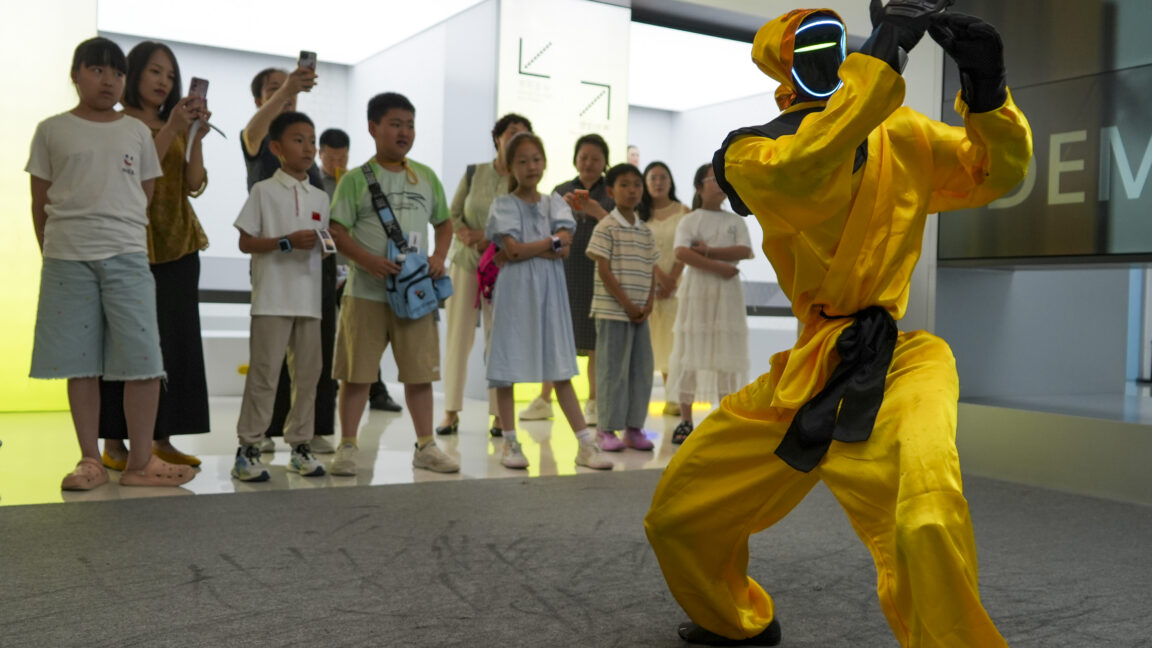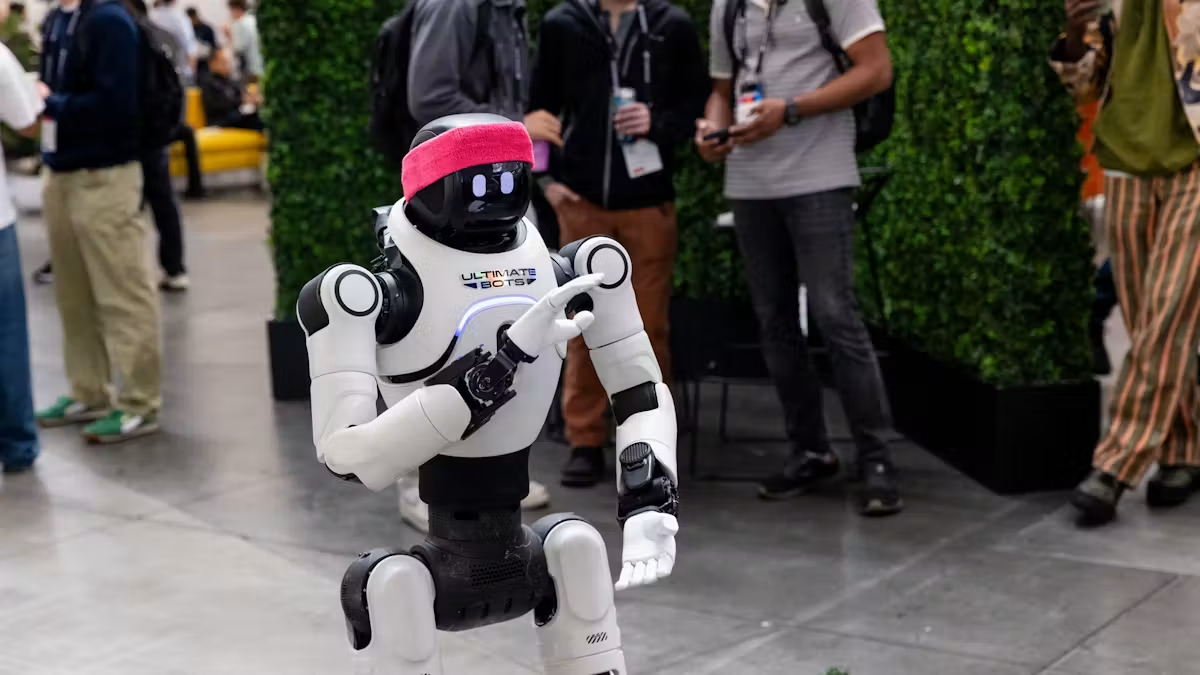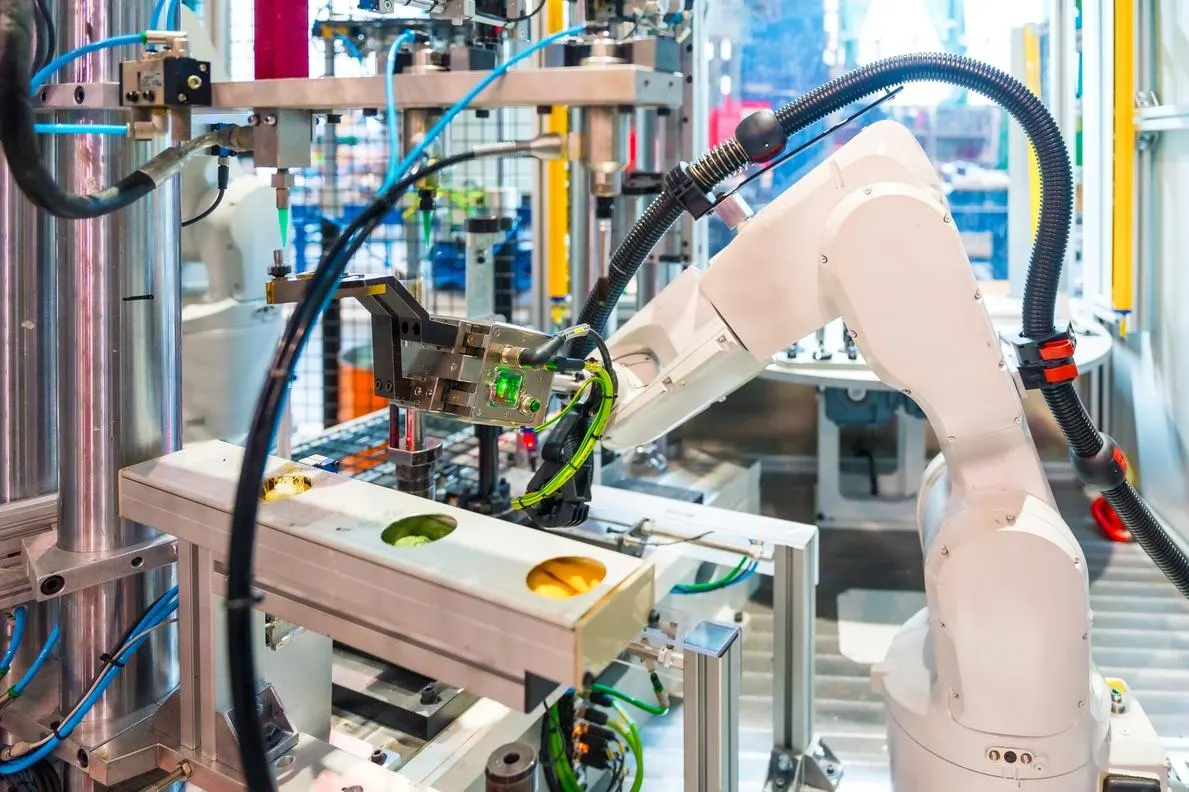
Ashutosh Saxena, founder and CEO of TorqueAGI, developing physical AI to make robots more intelligent.gettyWhen a consumer robot fails, you laugh and post the clip. When an enterprise robot fails, someone gets paged, a production line stops and a customer gets a credit memo. That asymmetry is the reason the two categories are diverging into different industries with different physics, different buyers and different definitions of success.The robots and demos getting attention right now—humanoids folding shirts, dogs dancing, coffee-fetching arms—are products. The robots quietly reshaping logistics, manufacturing and energy are infrastructure. Consumer robotics is a product. Enterprise physical AI is infrastructure. Once you see that line, almost every other difference snaps into focus.From Helpful To AccountableA consumer robot is judged on charm; an enterprise robot is judged on liability. A picking arm in a fulfillment center doesn't need to delight anyone. It needs to operate inside a service-level agreement, generate an audit trail, satisfy OSHA and ISO requirements, integrate cleanly with insurance models and behave the same way at 2 a.m. on day 187 as it did during pilot. The performance metric is whether you can prove it succeeded on every unit, in a way a regulator and a CFO can both accept.This is why "demo-grade" autonomy and "deployment-grade" autonomy are different categories of systems. A 90% success rate is a viral video on stage and a recall in a warehouse. The work that turns the second number into a business—observability, traceability, deterministic fallbacks, human-in-the-loop overrides, model governance, change-management discipline when a model is updated—is invisible from the outside, but it's most of the actual product. Consumer robotics ships the demo. Enterprise physical AI ships the accountability around the demo.From Chatbot Demos To Integrated WorkflowsConsumer robots are evaluated as standalone objects. Enterprise physical AI is evaluated by how cleanly it disappears into the systems already running the business—the WMS, MES, ERP, TMS, SCADA, etc.The buyer is asking whether your robot can pick this case while emitting events their warehouse-management system already expects, while honoring the slot-allocation logic their planners built over 15 years, while staying inside the safety envelope their insurer signed off on, while degrading gracefully when the network drops at the dock door. The robot is the visible 5% of the deployment. The integration layer is the other 95%, and it's where pilots either become contracts or quietly die.This is also why "chatbot energy"—a clever model wrapped in a thin demo—doesn't translate. Operations leaders buy throughput and predictability. The winning enterprise systems will look less like a robot with a model on top and more like a control plane that happens to have actuators. The differentiator is how the foundation model behaves when it has to coexist with 30 years of accumulated operational logic.The Data Substrate Is Already ThereThe third difference is the one most underestimated by anyone arriving from the consumer side. Consumer-robotics startups are usually trying to bootstrap a data flywheel from zero. Enterprises aren't.A modern logistics network already produces an enormous, structured, time-stamped record of physical reality: every scan, every weigh, every camera frame, every conveyor event, every exception, every yard move, every dock-door cycle. Decades of this telemetry sit in operational systems, underused. The strategic question for a CIO is how they can turn the operational data they already own into a substrate that any physical-AI system can plug into.That reframing inverts who holds the moat. In consumer robotics, the platform vendor accumulates the data. In enterprise physical AI, the customer already owns it—and the vendor that wins is the one that integrates respectfully into that exhaust rather than trying to relive the data-acquisition battles of the cloud era. The companies that treat their existing operational data as a first-class asset and select physical AI partners on the basis of how well they read from and write to that asset can expect to win the next decade of competitive advantage in physical operations.The Punchline For OperatorsThe robots that go viral and the robots that change balance sheets aren't the same robots. One is sold to people, and the other is wired into the metabolism of a business. One is judged in moments, and the other is judged across millions of cycles. One can afford to be charming, and the other has to be load-bearing.For leaders evaluating this space, don't buy the demo. Instead, buy the integration, the accountability, and the data strategy underneath it. Consumer robotics is a product you can return. Enterprise physical AI, done right, is the infrastructure the next decade of operations will run on. Forbes Technology Council is an invitation-only community for world-class CIOs, CTOs and technology executives. Do I qualify?
The Robots Going Viral Aren't The Robots Changing GDP
The robots and demos getting attention right now are products. The robots quietly reshaping logistics, manufacturing and energy are infrastructure.
771 words~4 min read