While viral videos of robots performing parkour and backflips dominate social media feeds, industry insiders suggest these acrobatic feats are misleading indicators of progress. Industry executives at the Fortune Brainstorm AI conference, held in early December in San Francisco, argued that the true revolution in robotics is not physical agility, but the ability for robots to “think” for themselves—a capability that is finally bringing them closer to conquering the mundane, yet deceptively difficult, task of, say, opening a door or climbing a set of stairs.
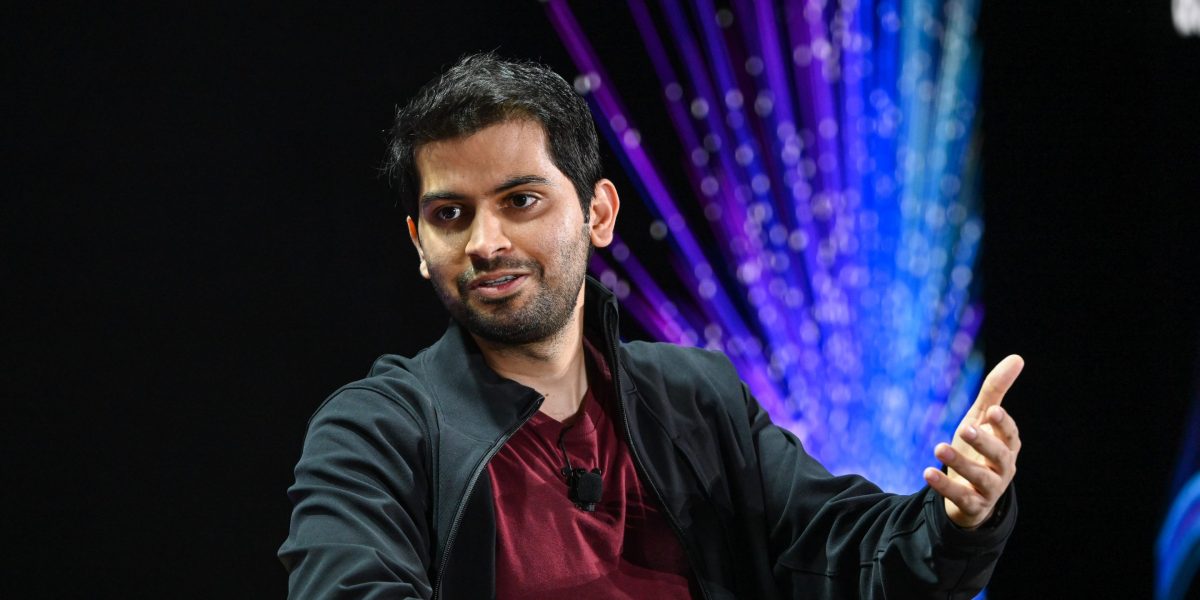
For the past 70 years, robotics relied on a specific paradigm: intelligent humans pre-programming machines with complex mathematics to execute specific tasks. This approach is now obsolete, argued Sequoia Capital partner Stephanie Zhan and Skild AI CEO Deepak Pathak, in conversation with Fortune‘s Allie Garfinkle. The industry is undergoing a massive shift where robots, much like the Large Language Models (LLMs) behind tools like ChatGPT, are learning directly from data and experience rather than following rigid code.
“The change is things in robotics used to be driven more by human intelligence,” said Pathak, noting that the new wave is defined by models that can generalize and learn. “What has now changed is that these models or these robots can now can learn from data.”