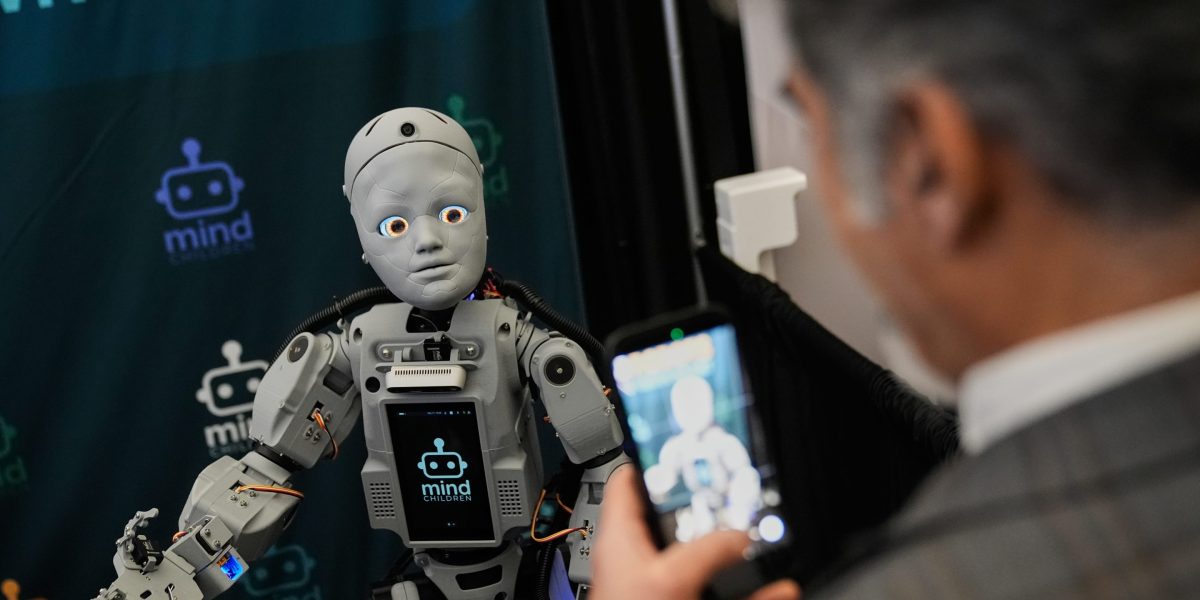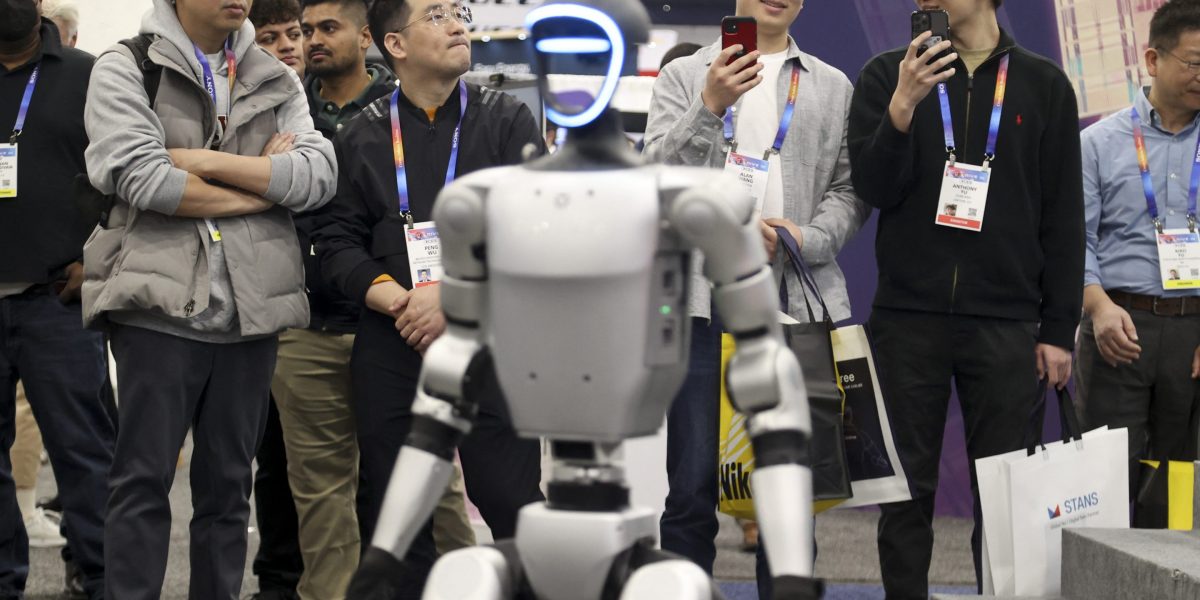
With CES 2026 upon us and some predicting that the first affordable home robot will set off a technological race to market this year, those walking the conference floor in Las Vegas this week can expect thrilling robot demos and big promises we’ve been hearing since the 1960s. The explosion of AI has thrown the humanoid home robot hype machine into full tilt, and to be fair, an AI home revolution is indeed underway.
While we’ve embraced Roombas, smart thermostats, and AI-powered security systems like Ring doorbells for years, significant issues remain, such as data availability, privacy, and social acceptance, before we achieve Jetson-era assistants who will not only fold our laundry and help us care for our children and aging parents, but be trusted to do so.
As our cars continue to gain more autonomy, it would seem the time is ripe for home robots. After all, if the AI, sensors, computing hardware, and other components required for autonomy have become powerful and safe enough for the road, why can’t they take on the home?
I’ve been around computers since receiving my Commodore 64 as a kid. Now, as an AI and robotics professor and a founder of an AI startup, I’m exploring how computer-based systems interact with our world. While we have come far, there are many technological hurdles the industry must overcome to deliver fully autonomous humanoid robots.