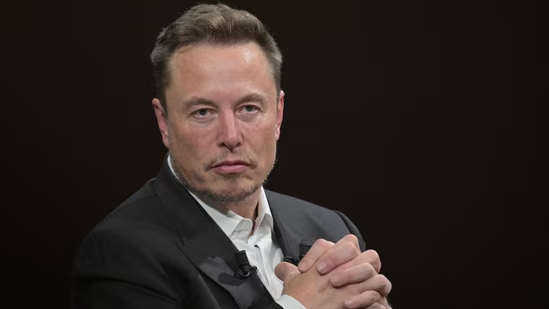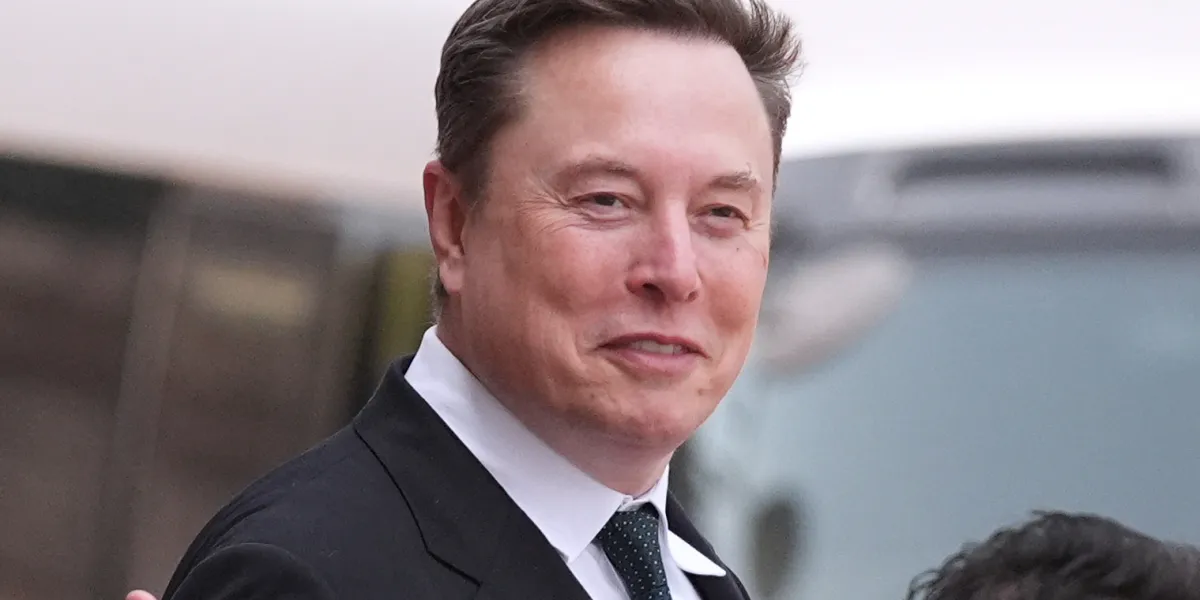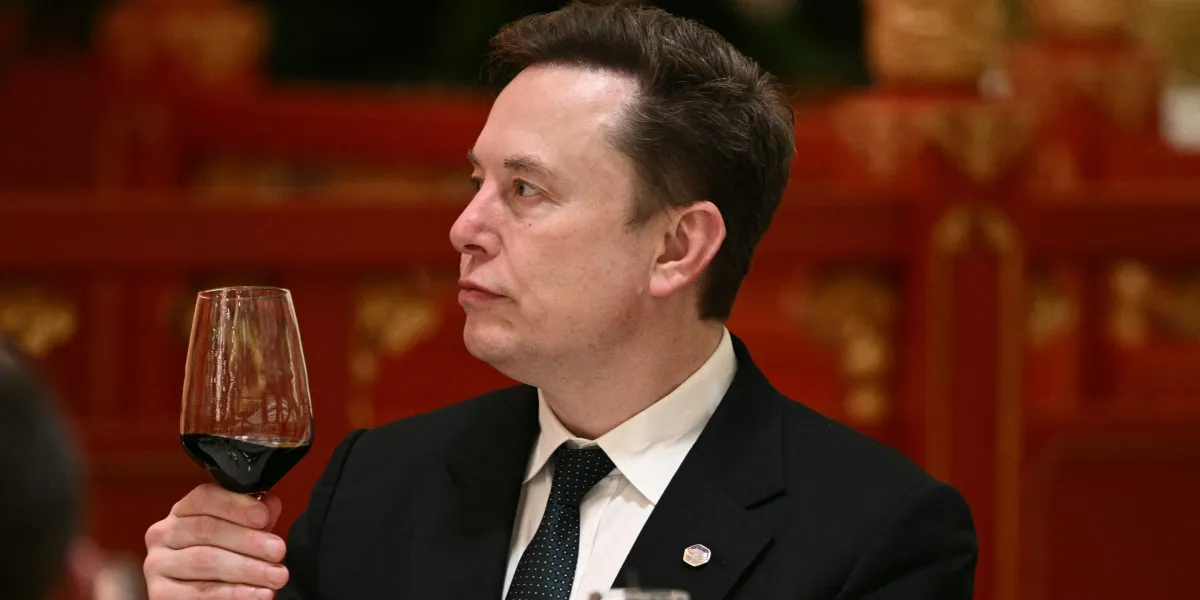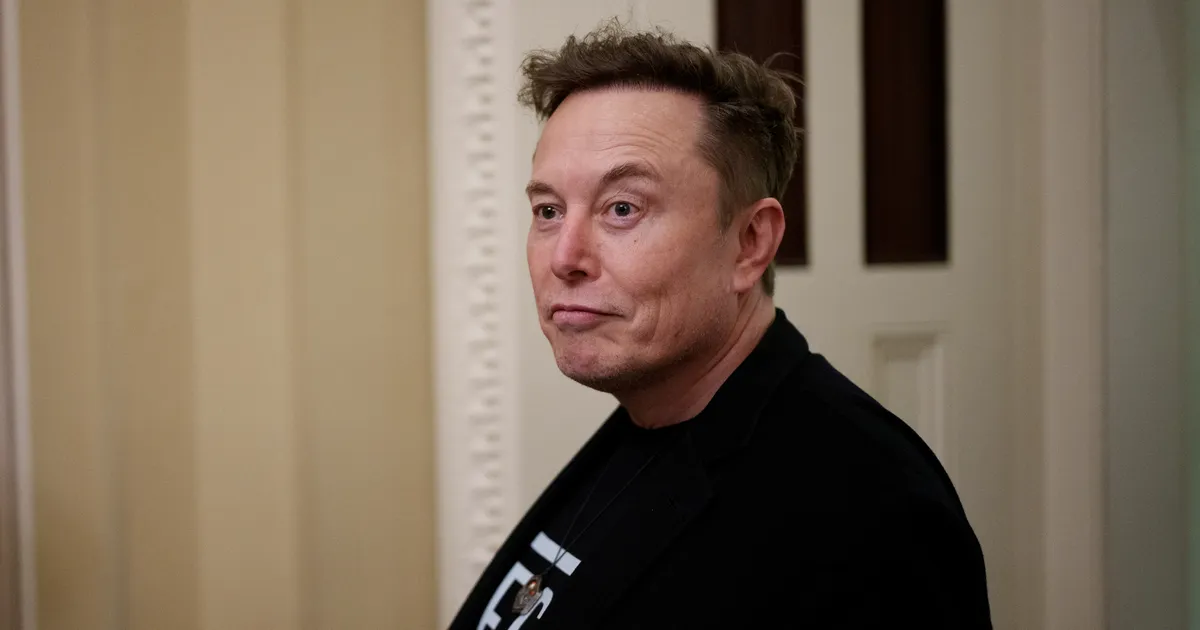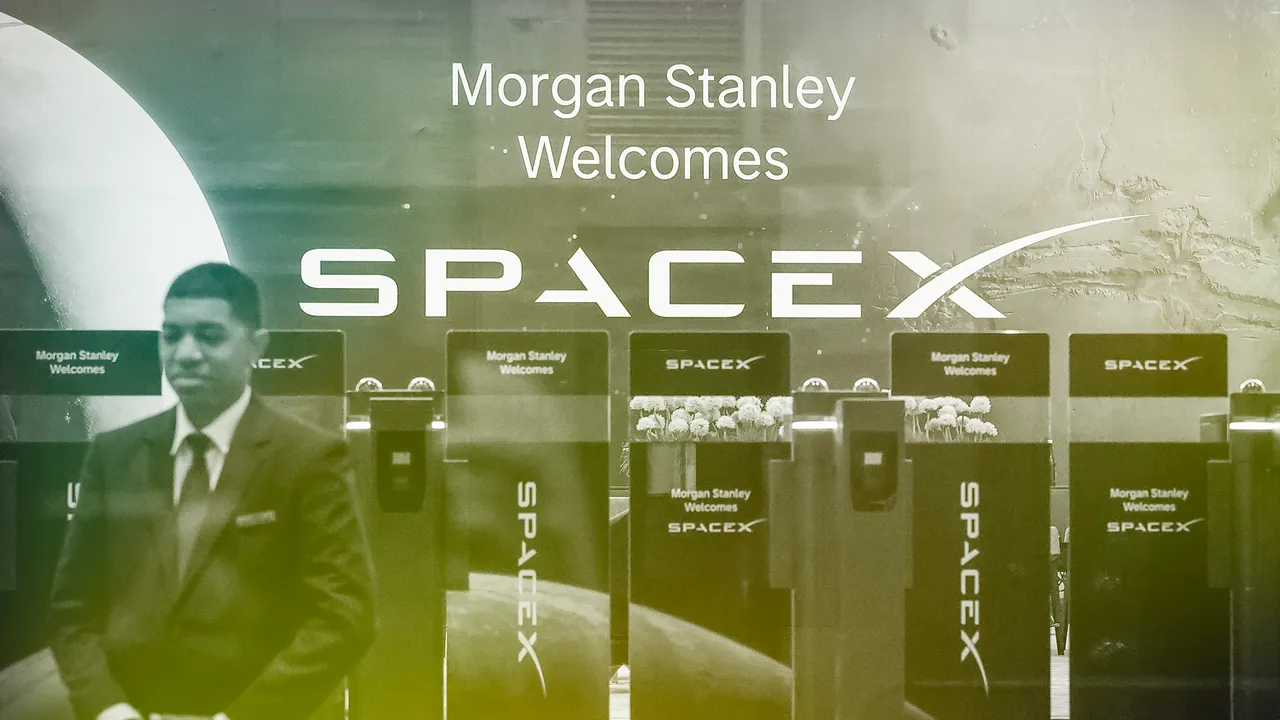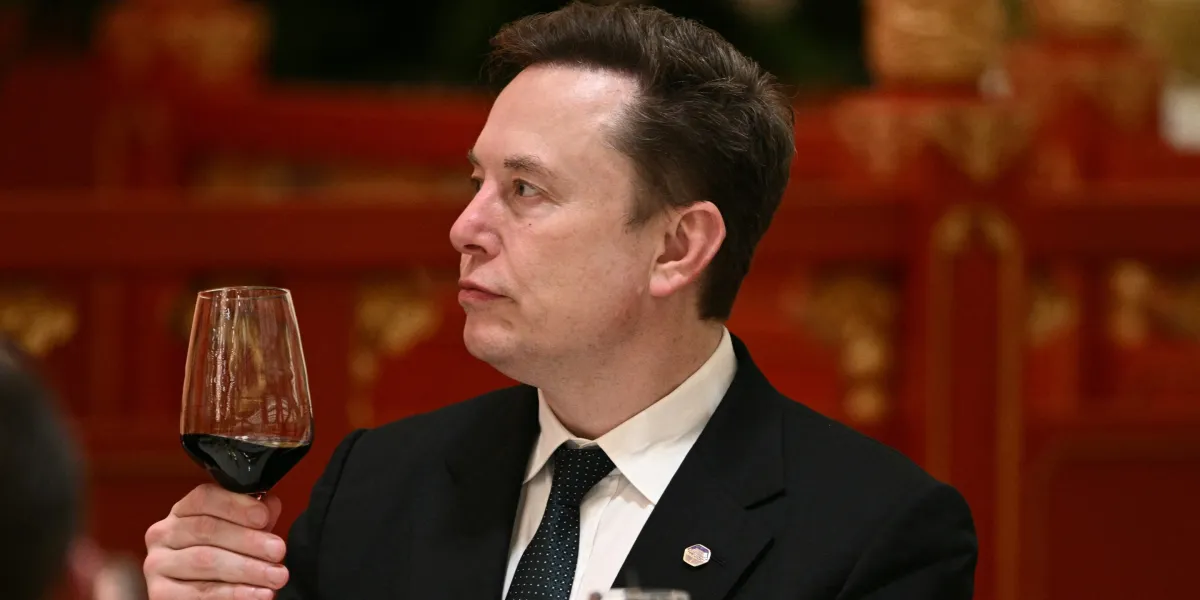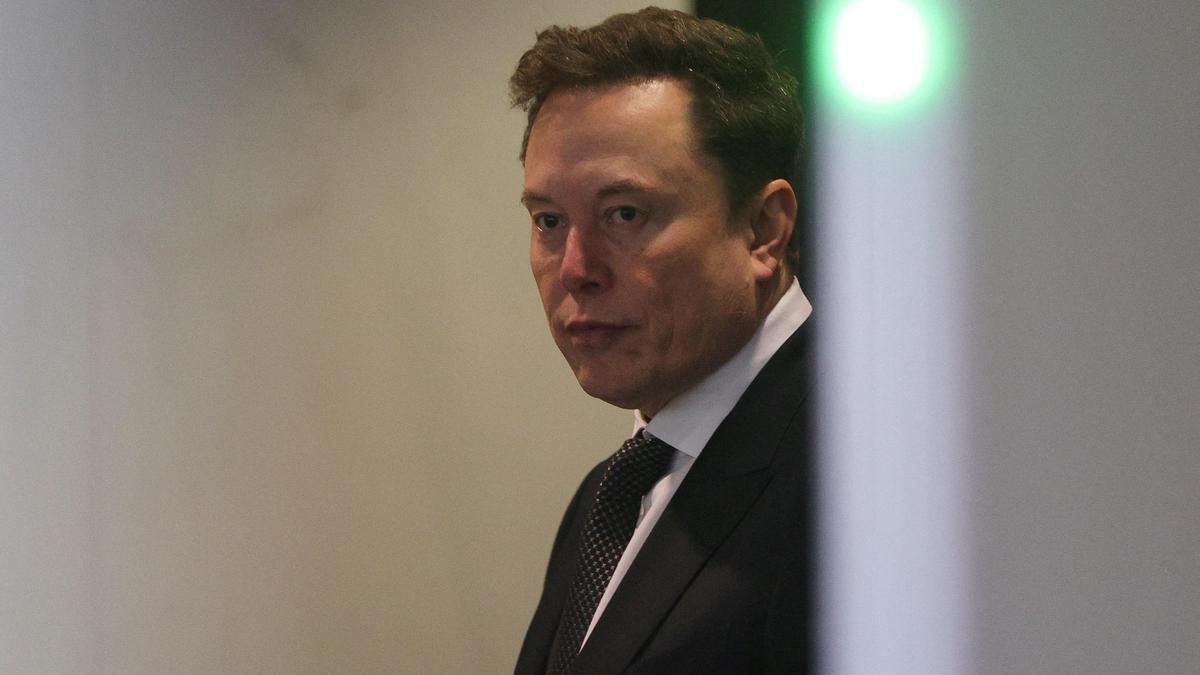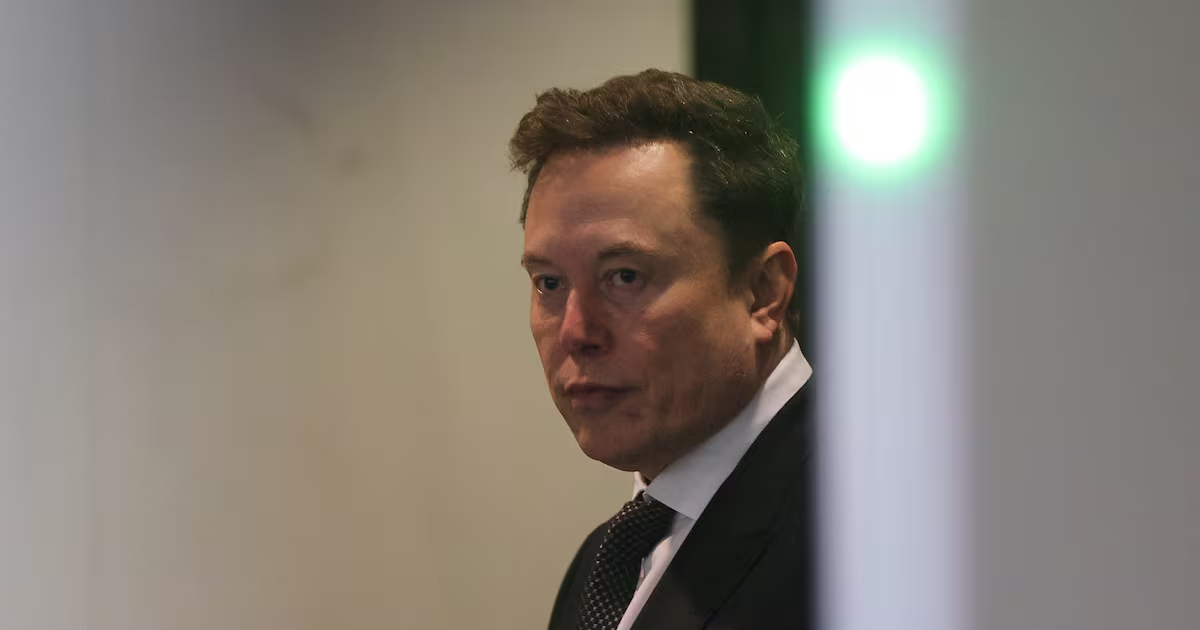
Elon Musk, already the richest person who ever lived, is at the center of the biggest share offering of all time. A valuation of $1.75 trillion at IPO would hand $75 billion to his company, SpaceX. Musk is being allocated two sets of shares, with performance-based conditions. They will materialize if SpaceX reaches a market capitalization of $7.5 trillion, and if a colony of a million people is established on Mars. The first of these is possible, the second is not.
On the face of it, you wouldn’t bet against SpaceX. By 2024, it was launching more rockets than the rest of the world combined. Its Starlink internet service generates oodles of cash. It has more than 9,600 satellites in orbit that require constant replenishment, so the market is firm. But SpaceX lost $5 billion last year and faces increasing competition.
The IPO prospectus sets out a vision for a hopeful future featuring exploration of the Moon and Mars, asteroid mining, a lunar economy, extraterrestrial data centers and using the Sun to “power a truth-seeking” AI. It says several times that SpaceX aims to create new industries on the Moon, Mars and beyond. But each of these initiatives, it admits, may not achieve commercial viability and “may ultimately be unsuccessful.”