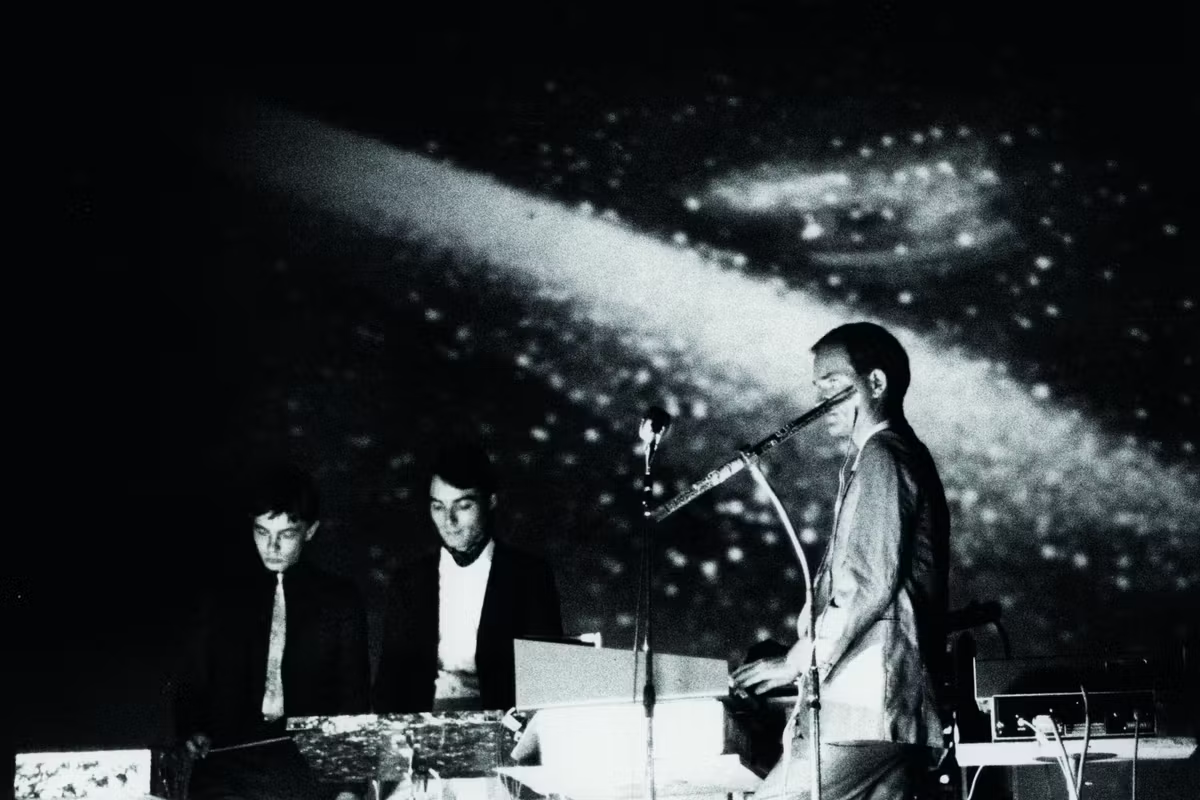
What is Kraftwerk’s purpose in 2026? It was a question I pondered during what was by any measure an immaculate display of electronica at the Brighton Centre on Saturday. The German pioneers’ astonishing work from 1974-1981 not just laid the foundations for modern music – techno, hip hop and computerised pop all owe an incalculable debt – but contended with an automated future not yet written. Their late imperial phase masterpieces – 1978’s The Man-Machine and 1981’s album Computer World – predicted a computerised world of online banking, internet dating and a symbiotic relationship between humans and robots. The former’s title track, a dark, dystopian take on how that might look, hit differently now that AI threatens to take the man out of the machine.
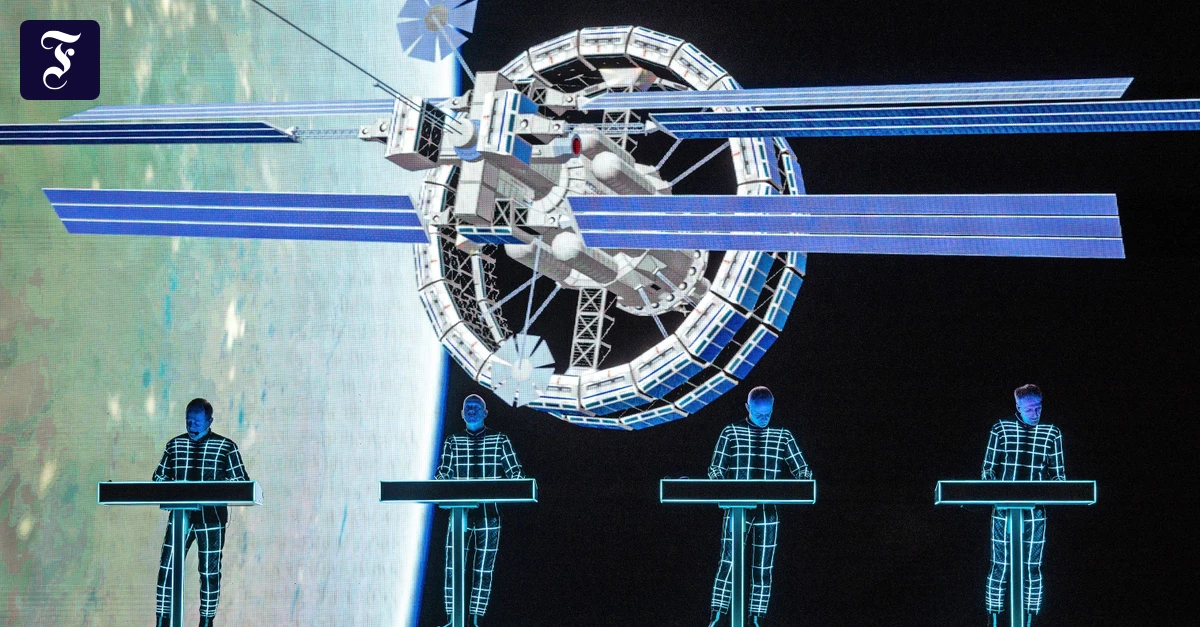
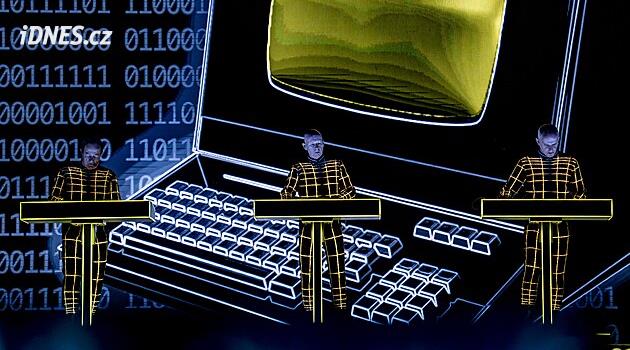
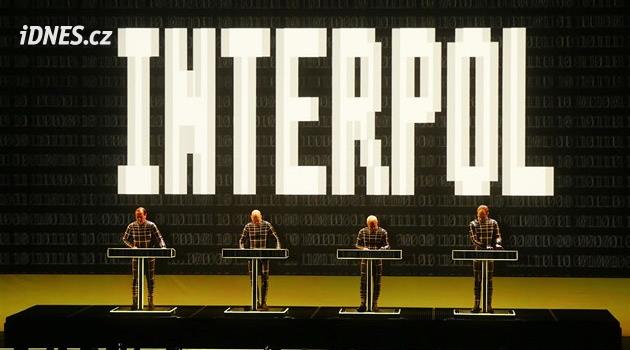
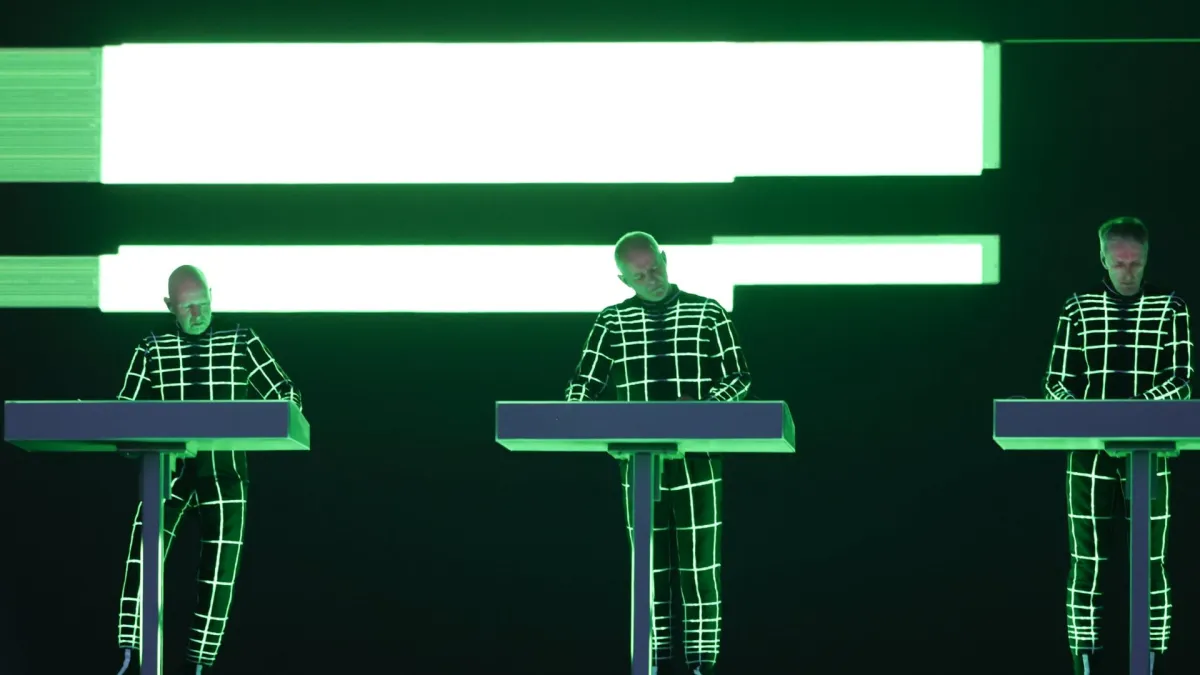
So it’s hard to reconcile that Kraftwerk are now a heritage act, which feels like the antithesis of their very essence. For the first time, we live in an age where technology has outstripped even Kraftwerk’s prescient predictions. There has been just one studio album in 40 years, 2003’s Tour de France Soundtracks; whatever band leader Ralf Hutter has been tinkering away on at the band’s legendary Dusseldorf studio-cum-HQ, Kling Klang, there was no new music aired. Bar the musicians’ updated LED jumpsuits that changed colour with the music, the show itself was essentially the same greatest hits show that Kraftwerk have been touring for over 25 years. The retro-futuristic and machine aesthetic visuals on what was dubbed Kraftwerk Multimedia, which seemed to have a clearer focus than recent tours, have been more or less identical for decades. The four members – sole founding member Hutter and three new-ish and seemingly interchangeable recruits – stand as motionless as ever as their workstations. You could say it’s a handy visual metaphor for a live show that has largely stood still.