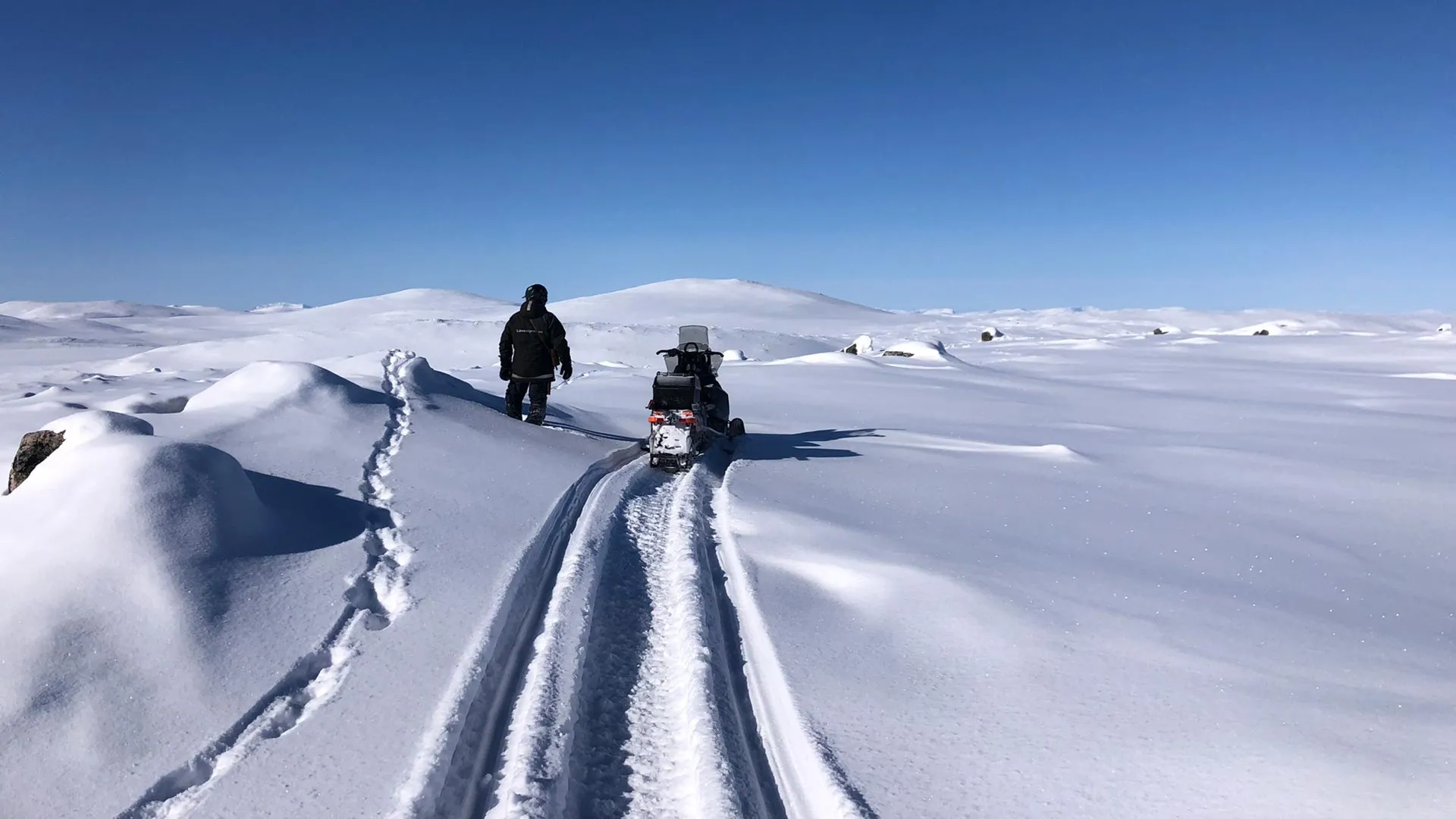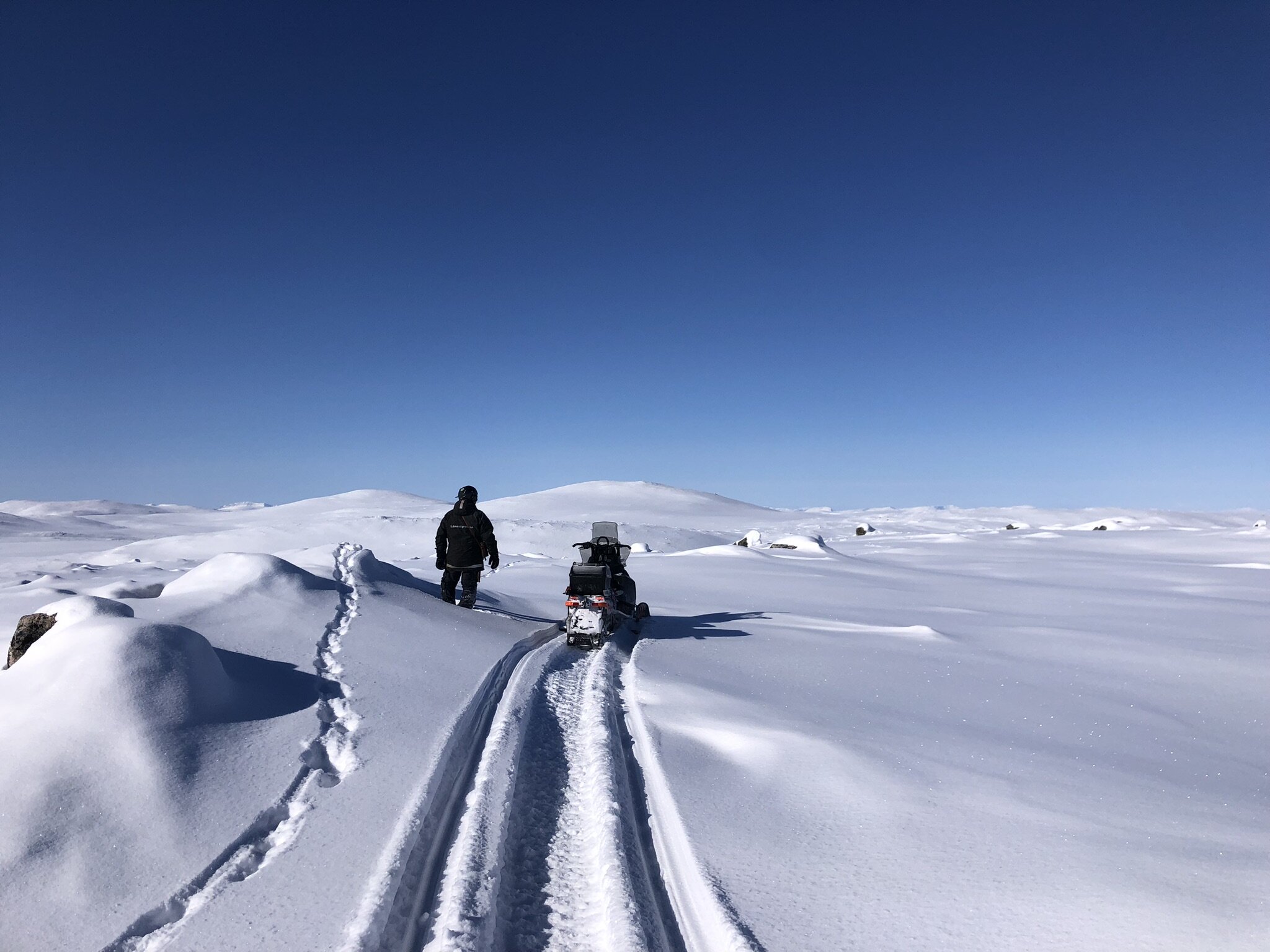
Dr. Pettersson shadowed wildlife rangers in the Arctic. Credit: University of York
A celebrated scheme for human-wildlife coexistence is now at risk of failing due to lack of long-term government investment, new research has found.
In 2015, Sweden was celebrated worldwide when a study revealed that its Conservation Performance Payment (CPP) scheme—the oldest of its kind—had successfully promoted the recovery of the endangered wolverine population.
Now, more than a decade after gaining international acclaim, the scheme designed to protect both wolverines and the Indigenous Sámi reindeer herders they share space with, is failing to sustain this success.
Research at the University of York in collaboration with the Swedish Agricultural University has shown that documented wolverine numbers have fallen significantly in its northern strongholds, with government funds frozen for the past 20 years, and communities reporting a lack of trust in the scheme.