A conservation approach once praised as a global model for helping people and predators coexist may be losing ground because of a lack of long-term government support, according to new research.
In 2015, Sweden drew international attention when researchers reported that its Conservation Performance Payment (CPP) program, the oldest initiative of its kind, had helped boost populations of the endangered wolverine.
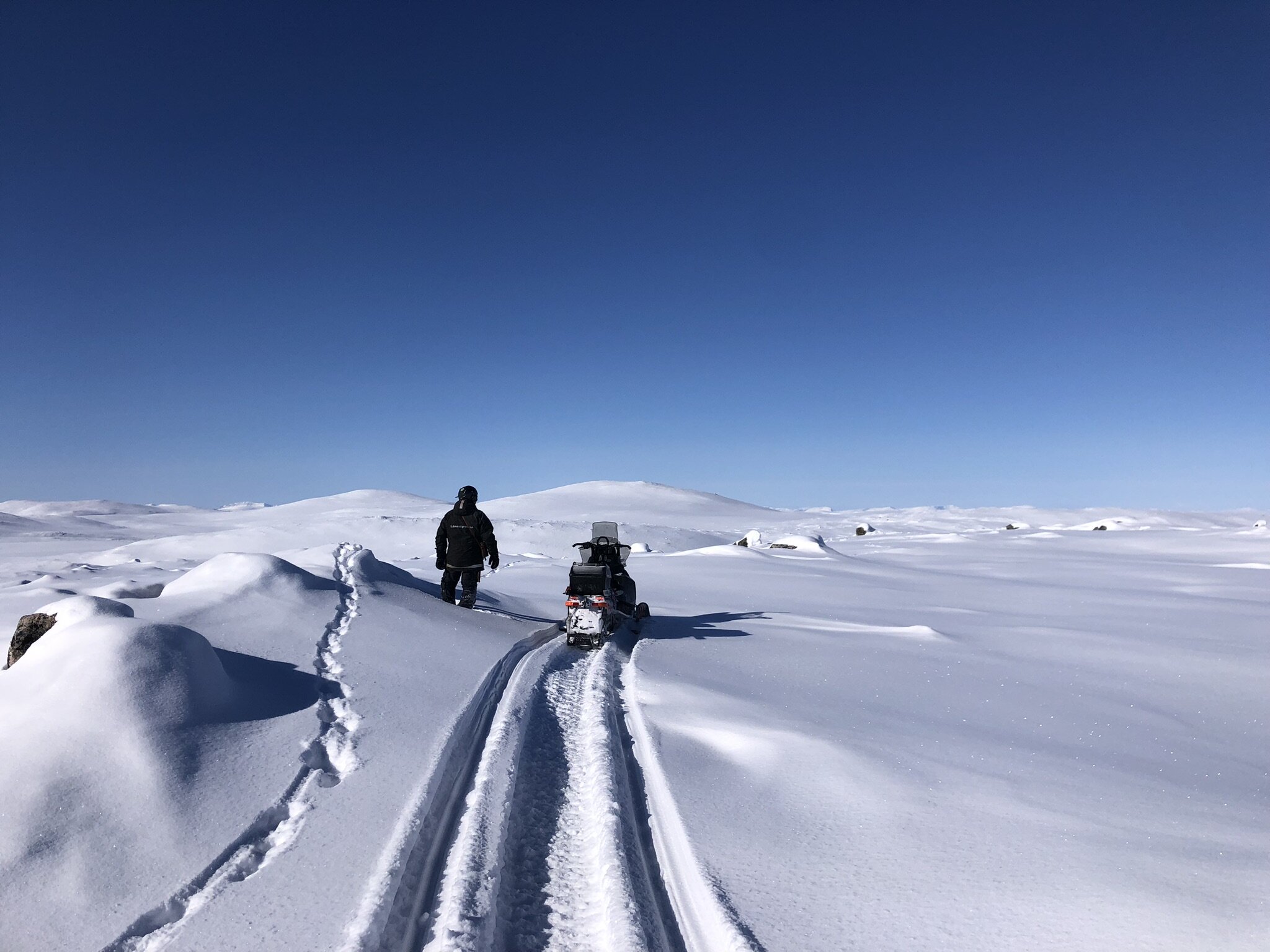
More than a decade later, however, that early success appears increasingly difficult to maintain. The program was designed to benefit both wolverines and the Indigenous Sámi reindeer herders who share the landscape with them. New findings suggest that the arrangement is under growing strain.
Researchers from the University of York and the Swedish Agricultural University found that documented wolverine numbers have dropped sharply in parts of northern Sweden where the species was once strongest. At the same time, government payments have remained unchanged for two decades, and many local communities say they no longer trust the system.
The findings, published in Conservation Letters, suggest that governments risk undermining conservation gains when they fail to address the long-term financial and social costs that wildlife recovery can place on local residents.