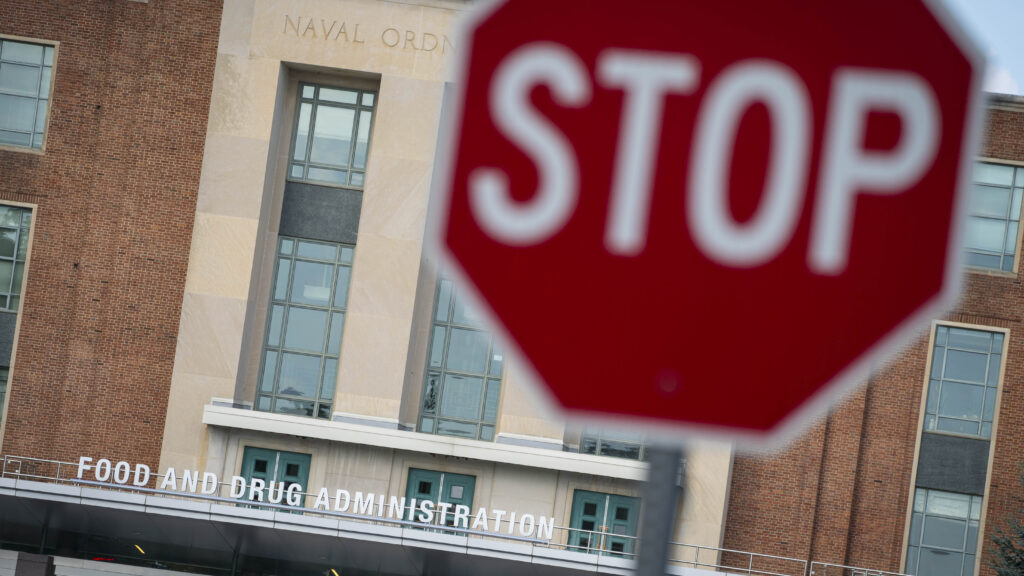
Two years ago, the Food and Drug Administration gave itself a deadline. The agency would eventually decide whether to ban electrical shock devices that have been used for decades to manage self-injurious behavior in people with intellectual disabilities and autism.
The deadline, pegged to the end of May, has now passed without a verdict, leaving disability rights activists and former recipients of these shocks worried that they will continue. The practice — dubbed a form of “torture” by United Nations officials and “punishing” by the American Academy of Pediatrics — has mostly fallen out of favor in the United States in recent decades but is still used at one institution: the Judge Rotenberg Center in Massachusetts.
Disability advocates have been trying to shut down JRC for decades, especially after a video of a resident being shocked for seven hours was shown in court in 2012. The institution offers schooling in addition to therapy, but it is mostly seen as a last resort and sought after for its use of behavioral treatments for kids and adults who have not responded to other types of therapy.
The shock therapy treatment has faced legal challenges for years. The FDA started the process to ban it in 2013 and tried to outlaw it in 2020 before a federal appeals court judge overruled the agency’s decision. The institution has 3,475 residents, with 54 residents receiving some shock treatments, according to a JRC spokesperson.