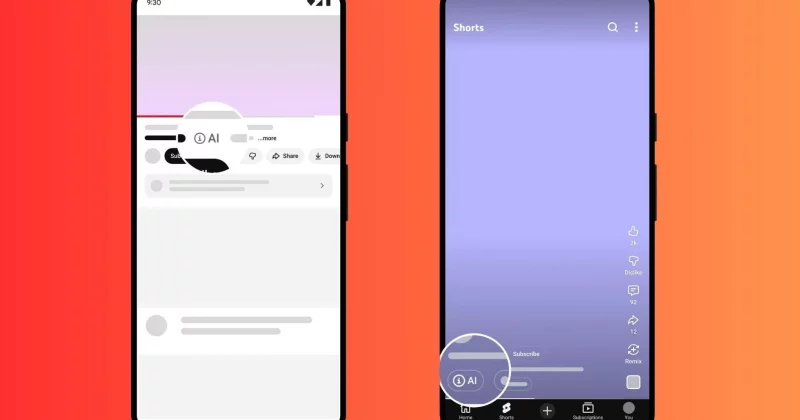
YouTube has announced it will begin automatically applying labels to realistic AI-generated videos on its platform, including cases where creators do not voluntarily disclose the use of artificial intelligence.
The new system, which uses internal detection signals, takes effect from May 2026. It marks a significant shift from the platform’s earlier policy that relied mainly on creators’ self-disclosure for realistic synthetic content.
According to the announcement, if YouTube’s systems detect “significant photorealistic AI use” in a video, it will apply the label automatically even without creator input. Creators who disagree with the labelling can update their disclosure status in YouTube Studio, though some labels, such as those on content created with YouTube’s own tools like Veo or Dream Screen, or videos carrying C2PA metadata, will be permanent.
Music industry implications
The development has particular relevance for music. Photorealistic AI-generated music videos will carry the prominent label, while stylised or animated videos will not. This creates an incentive for artists and labels experimenting with AI visuals to opt for non-photorealistic formats to avoid the label.