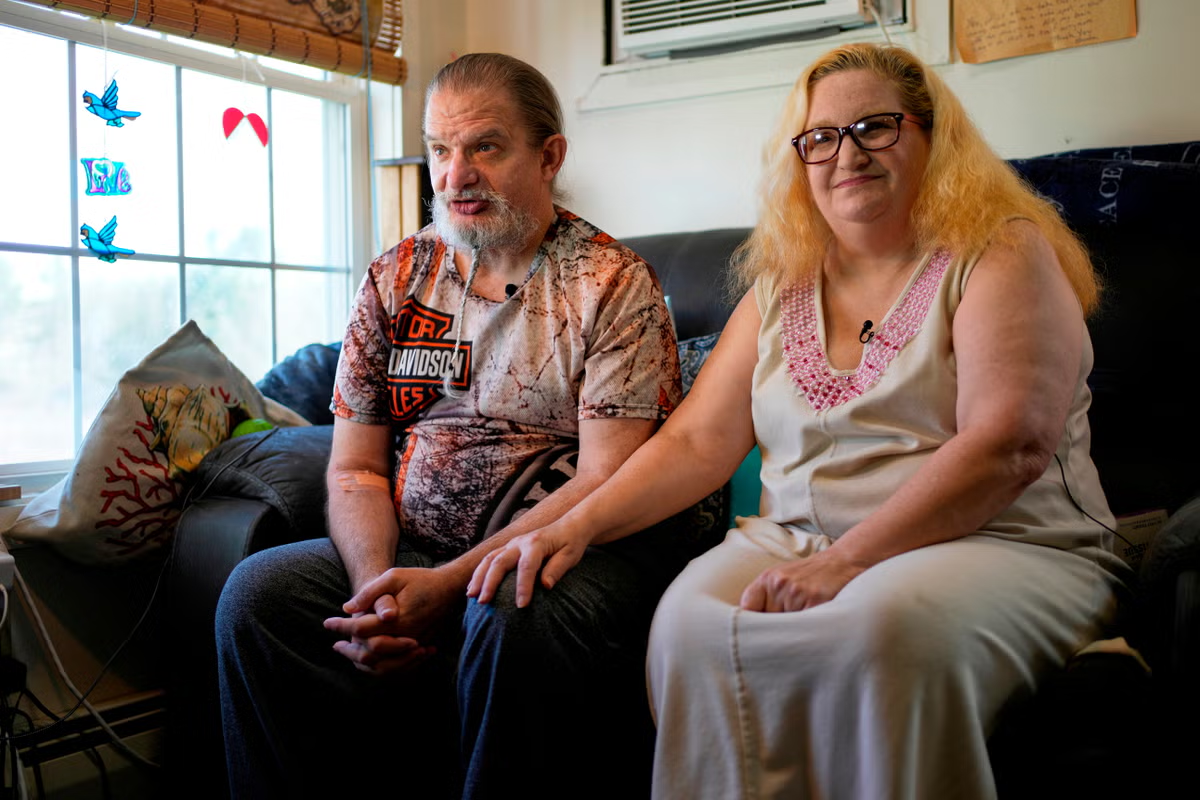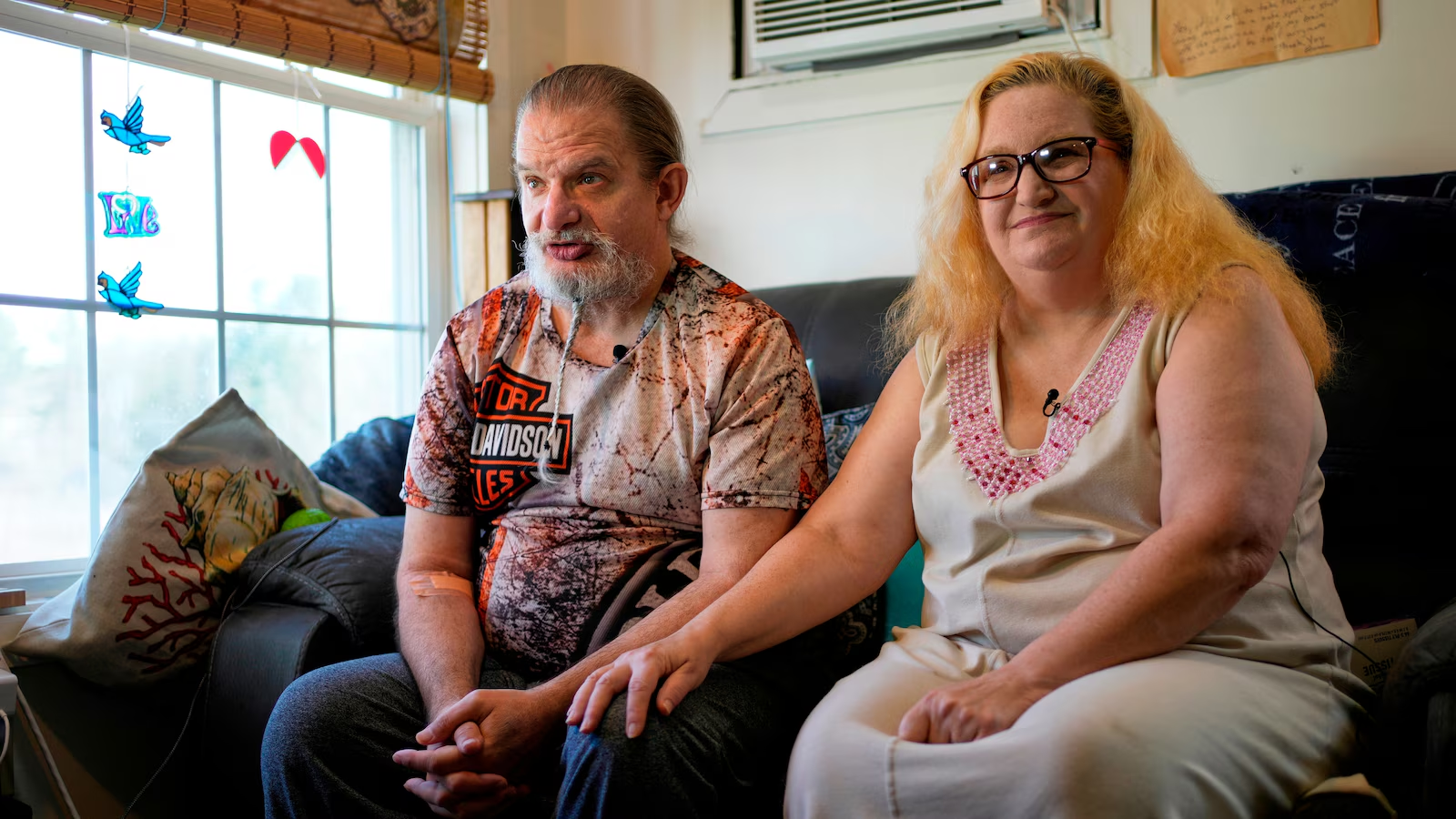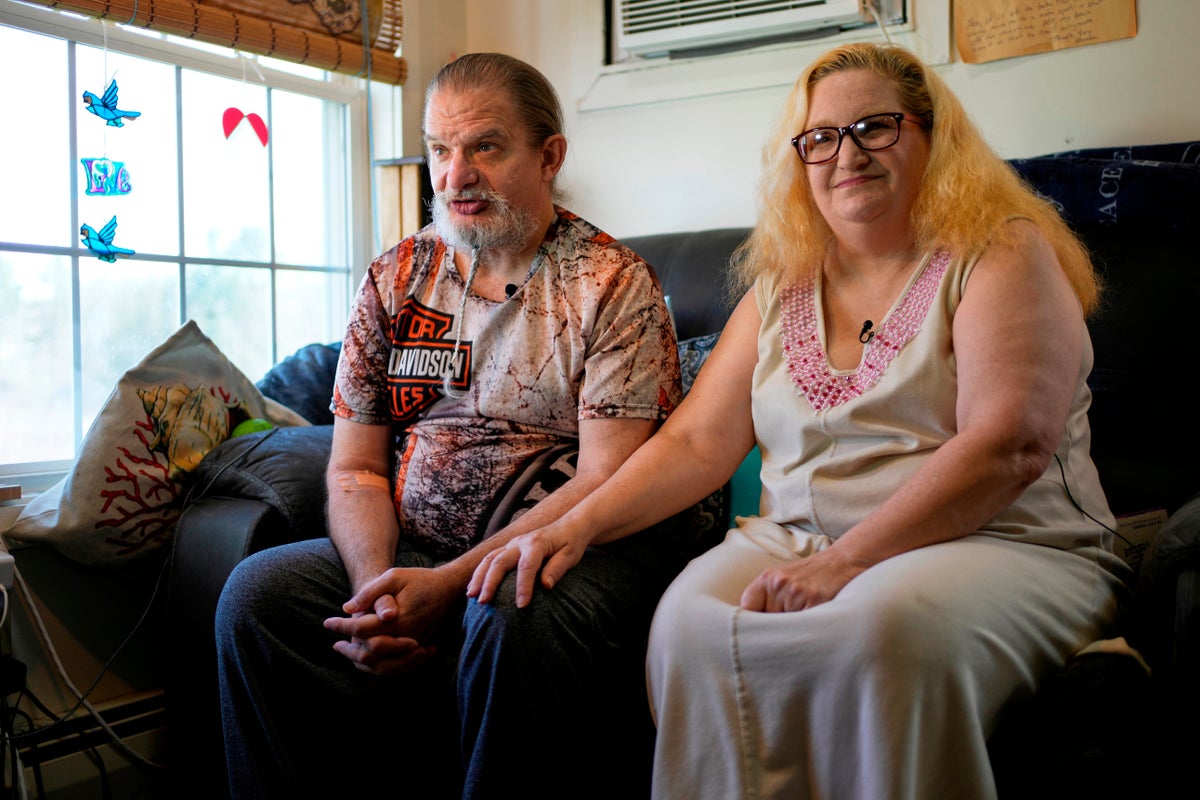
After outliving Booker T. Bones, their second service dog, Brenda and Brian Marquis still needed help with some of the more difficult parts of daily life.
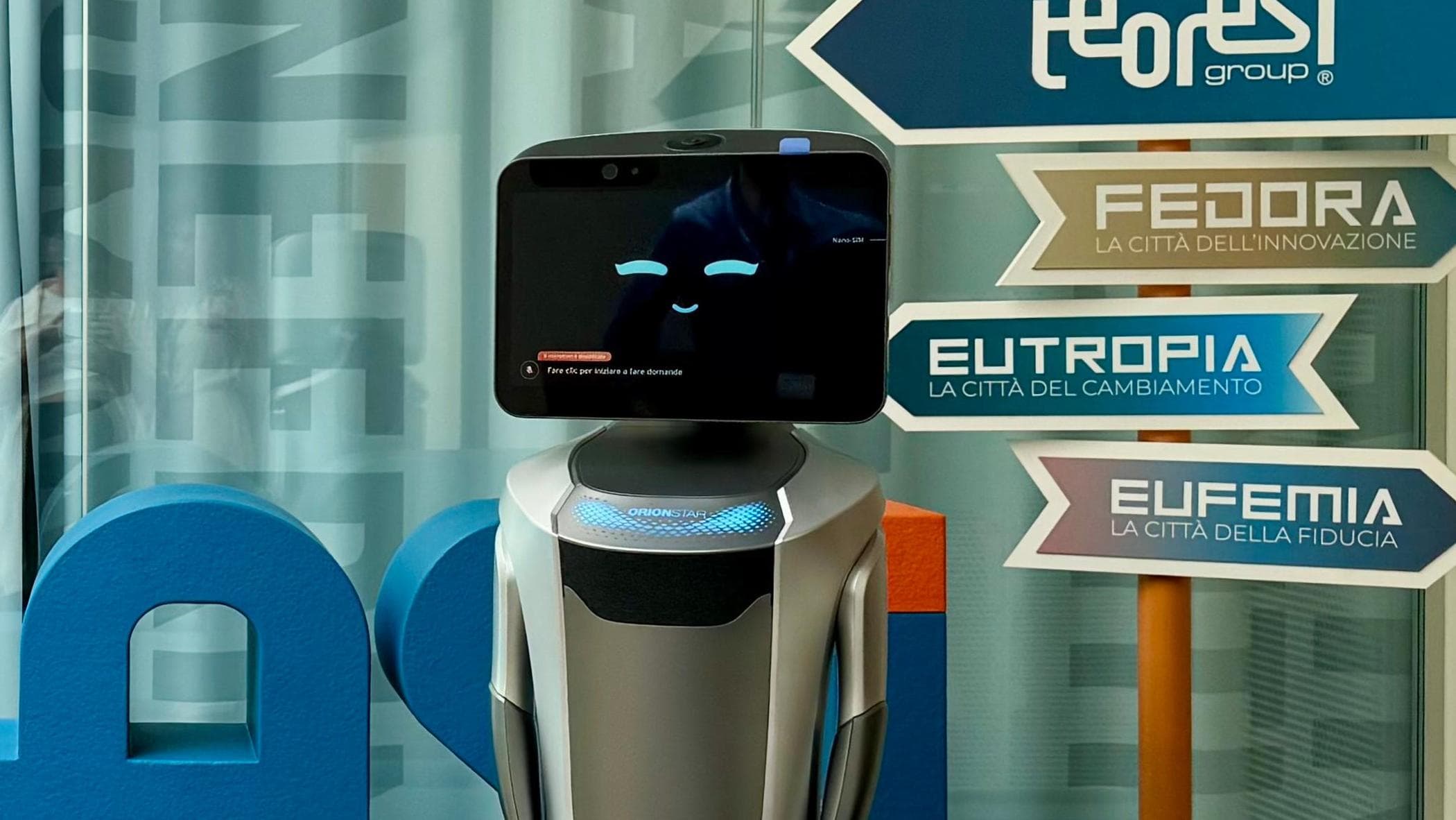
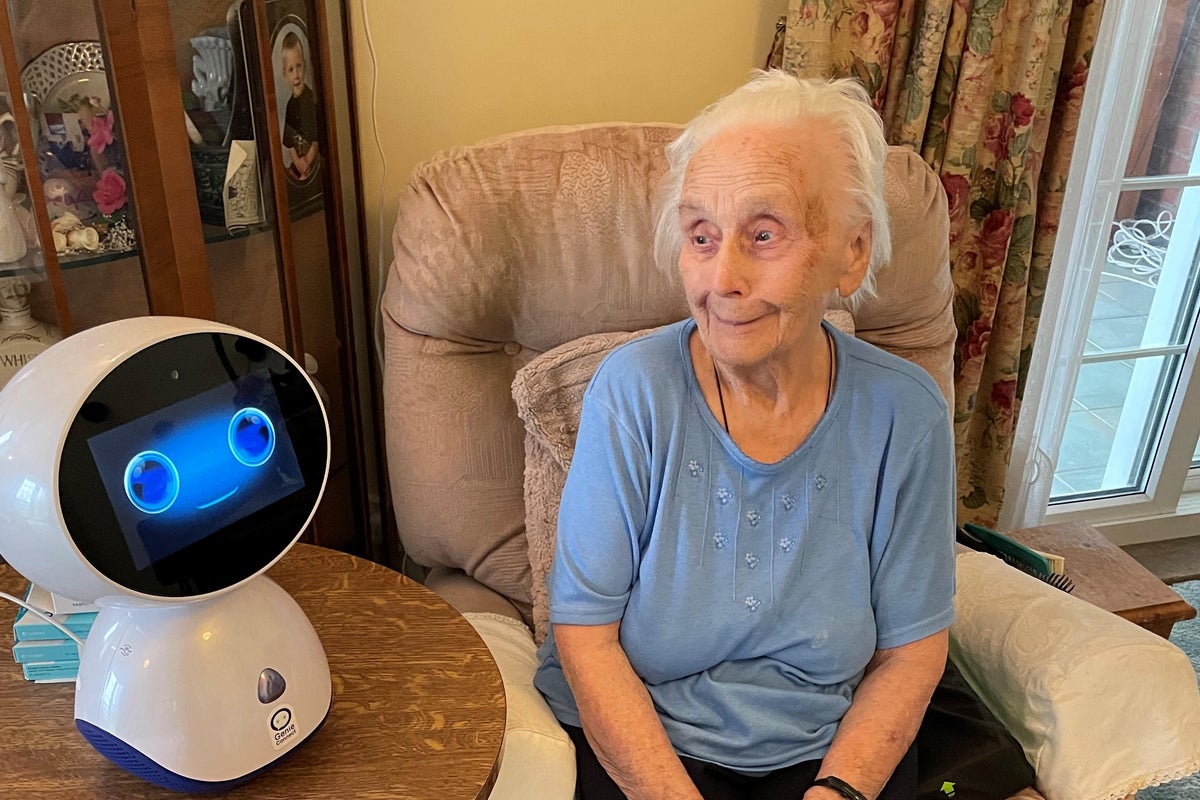
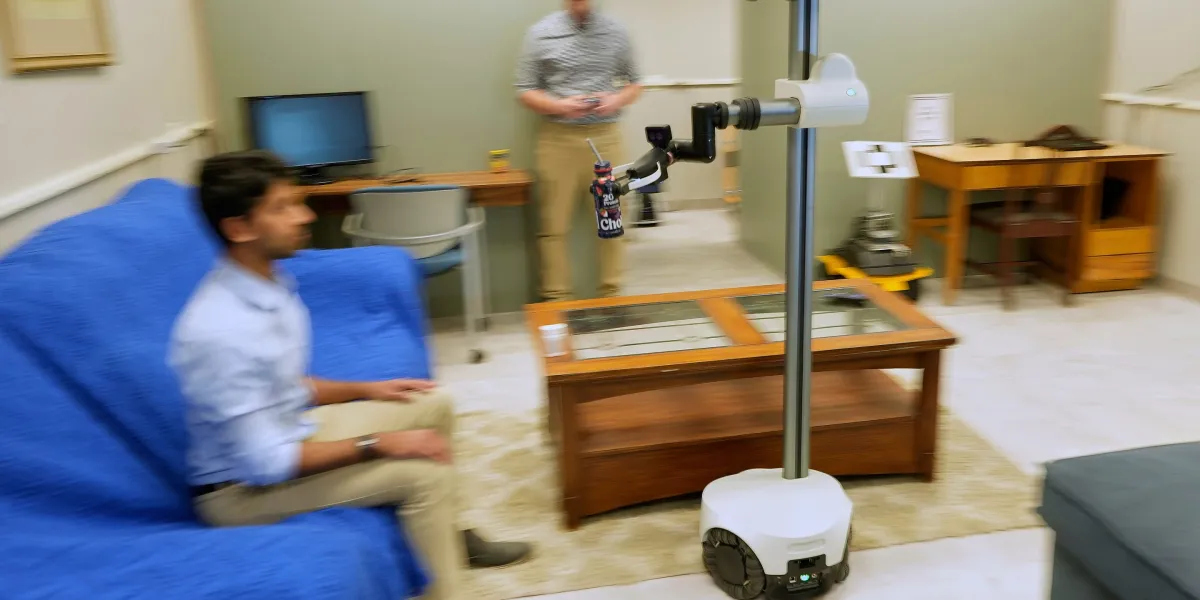
They found Robbie, a robot that rolls out of a hallway into their living room several times a day.
“Do you want to exercise now? Please answer yes or no,” the caregiver robot asks 59-year-old Brian Marquis, who has been living with a traumatic brain injury since a 2012 car crash.
“Yes,” he responds. Then he stands up as the robot’s googly-eyed digital screen “face” morphs into an exercise video that guides him through an afternoon workout.
The decades-long quest to build home robots that are both helpful and lifelike — spurred on by fictional machines like The Jetsons’ humanoid maid Rosie —- is still mostly a pipe dream. That’s despite growing appeal as the oldest baby boomers are turning 80 this year and the United States faces a deepening shortage of home care aides, driven by low wages, high turnover and demanding workloads.