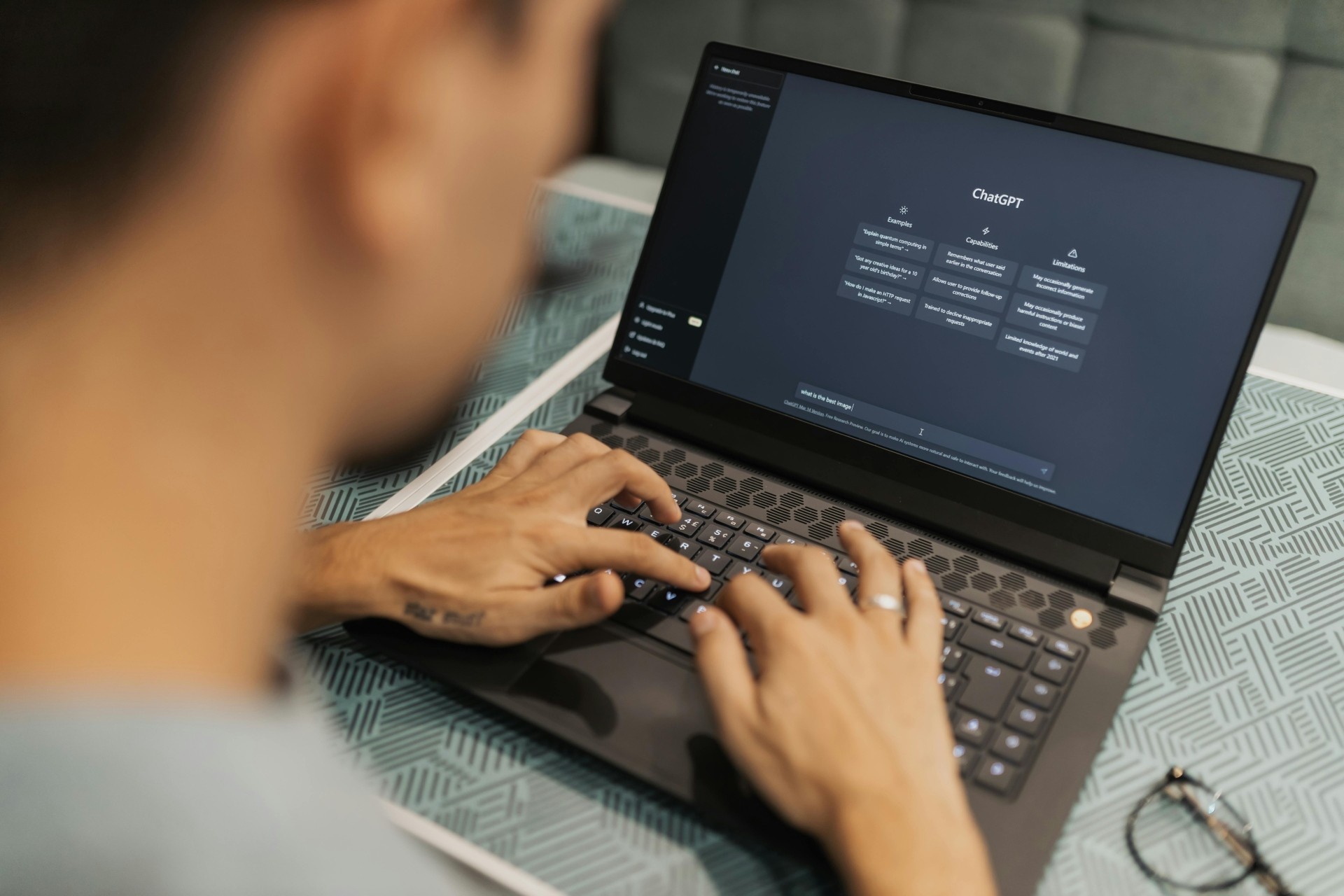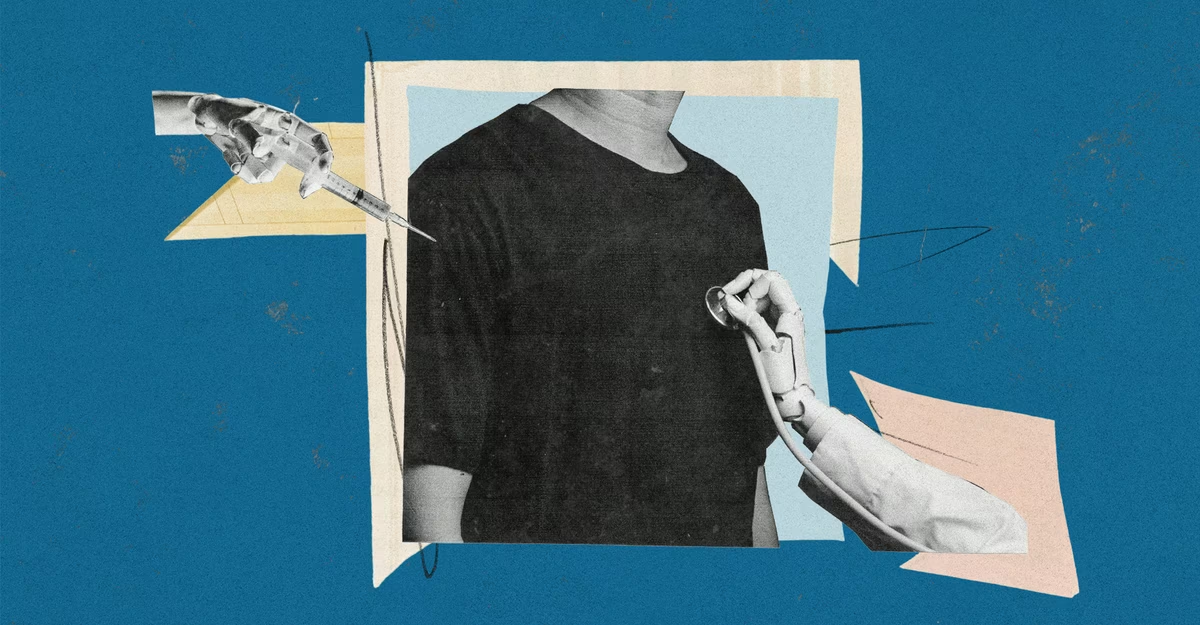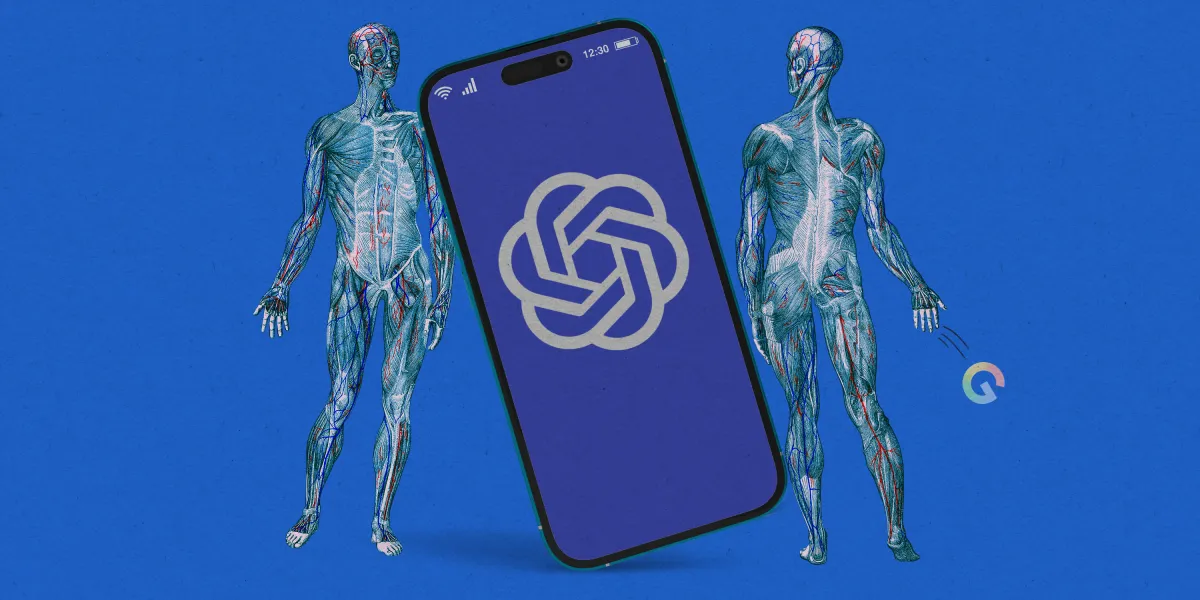
Dr. ChatGPT is getting remarkably good at diagnosing health problems -- but actual doctors are still better at weighing treatment options. File Photo by Wu Hao/EPA
A father is worried about his toddler, who has been running a fever for two days and pulling at one ear. A 65-year-old woman has been getting winded on her morning walks and feeling more fatigued than usual. Both reach for their phones and type their symptoms into an AI chatbot.
"Your child likely has an ear infection," the father learns. "Your symptoms could indicate a cardiac condition," the woman reads.
Those are helpful answers -- and there's a good chance they're correct. Artificial intelligence is approaching, and in some cases exceeding, doctors' ability to make accurate diagnoses. An April 2026 study found OpenAI's o1 model had a 78% accuracy rate on complex diagnostic cases published in the New England Journal of Medicine and also outperformed experienced doctors when diagnosing actual emergency room patients. Similarly, ChatGPT, working on its own, outperformed physicians in diagnosing complex cases, a 2024 study found -- even when the physicians were able to use ChatGPT themselves.
Making a correct diagnosis, though, is only half a doctor's job. The other half is knowing what to do about it -- in other words, deciding how to manage a patient's health condition.