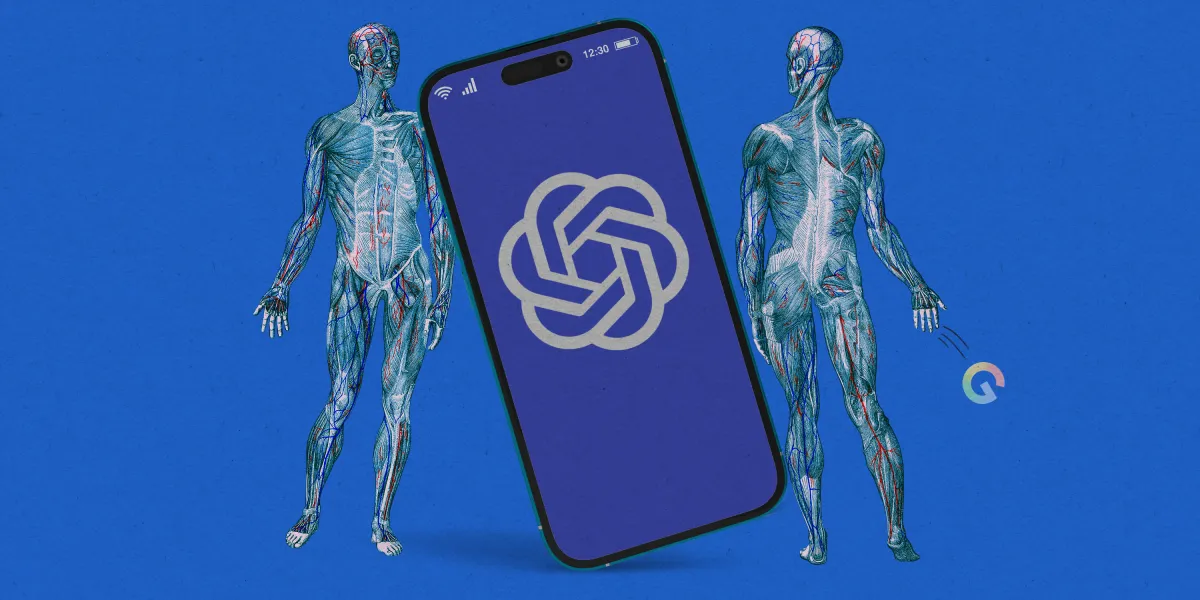
For the past two decades, there’s been a clear first step for anyone who starts experiencing new medical symptoms: Look them up online. The practice was so common that it gained the pejorative moniker “Dr. Google.” But times are changing, and many medical-information seekers are now using LLMs. According to OpenAI, 230 million people ask ChatGPT health-related queries each week. That’s the context around the launch of OpenAI’s new ChatGPT Health product, which debuted earlier this month. It landed at an inauspicious time: Two days earlier, the news website SFGate had broken the story of Sam Nelson, a teenager who died of an overdose last year after extensive conversations with ChatGPT about how best to combine various drugs. In the wake of both pieces of news, multiple journalists questioned the wisdom of relying for medical advice on a tool that could cause such extreme harm. Though ChatGPT Health lives in a separate sidebar tab from the rest of ChatGPT, it isn’t a new model. It’s more like a wrapper that provides one of OpenAI’s preexisting models with guidance and tools it can use to provide health advice—including some that allow it to access a user’s electronic medical records and fitness app data, if granted permission. There’s no doubt that ChatGPT and other large language models can make medical mistakes, and OpenAI emphasizes that ChatGPT Health is intended as an additional support, rather than a replacement for one’s doctor. But when doctors are unavailable or unable to help, people will turn to alternatives. Some doctors see LLMs as a boon for medical literacy. The average patient might struggle to navigate the vast landscape of online medical information—and, in particular, to distinguish high-quality sources from polished but factually dubious websites—but LLMs can do that job for them, at least in theory. Treating patients who had searched for their symptoms on Google required “a lot of attacking patient anxiety [and] reducing misinformation,” says Marc Succi, an associate professor at Harvard Medical School and a practicing radiologist. But now, he says, “you see patients with a college education, a high school education, asking questions at the level of something an early med student might ask.”
“Dr. Google” had its issues. Can ChatGPT Health do better?
OpenAI’s newest product is no replacement for a doctor. But it might be better than searching the web for your symptoms.
1,504 words~7 min read