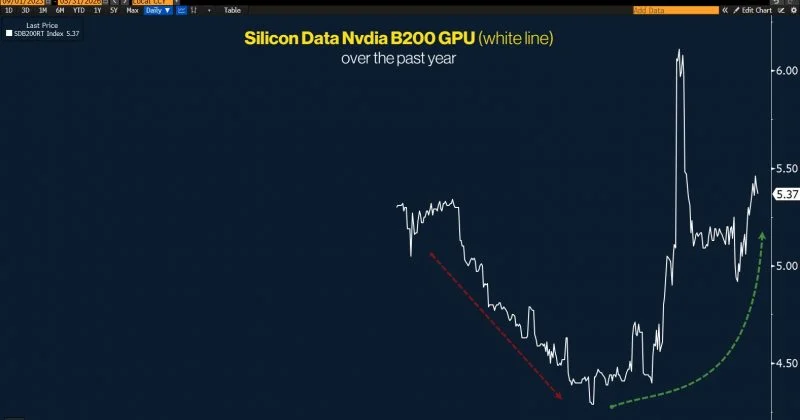
The AI trade has been the gift that keeps on giving. Stocks tied to artificial intelligence have powered the S&P 500 to all-time highs, minted trillion-dollar market caps like participation trophies, and convinced an entire generation of investors that we’re living through the next industrial revolution. But what if the metrics propping up this rally are, to put it politely, misleading?
That’s the argument trader Kevin Muir laid out in a June 1 Substack post that takes a scalpel to the $8 trillion rally in AI-related equities. His thesis: the growth in reported AI usage, often measured in tokens processed by large language models, could be artificially inflating perceived demand. The result is something he frames as a kind of measurement illusion, where rising token counts look like booming adoption but may not translate into actual productivity or durable revenue.
The token mirage, explained
Here’s the thing about tokens. In the context of large language models, a token is a chunk of text, roughly three-quarters of a word, that the model processes. When companies report surging token usage, it sounds impressive. More tokens equals more AI activity equals more demand for chips, cloud compute, and everything in between.