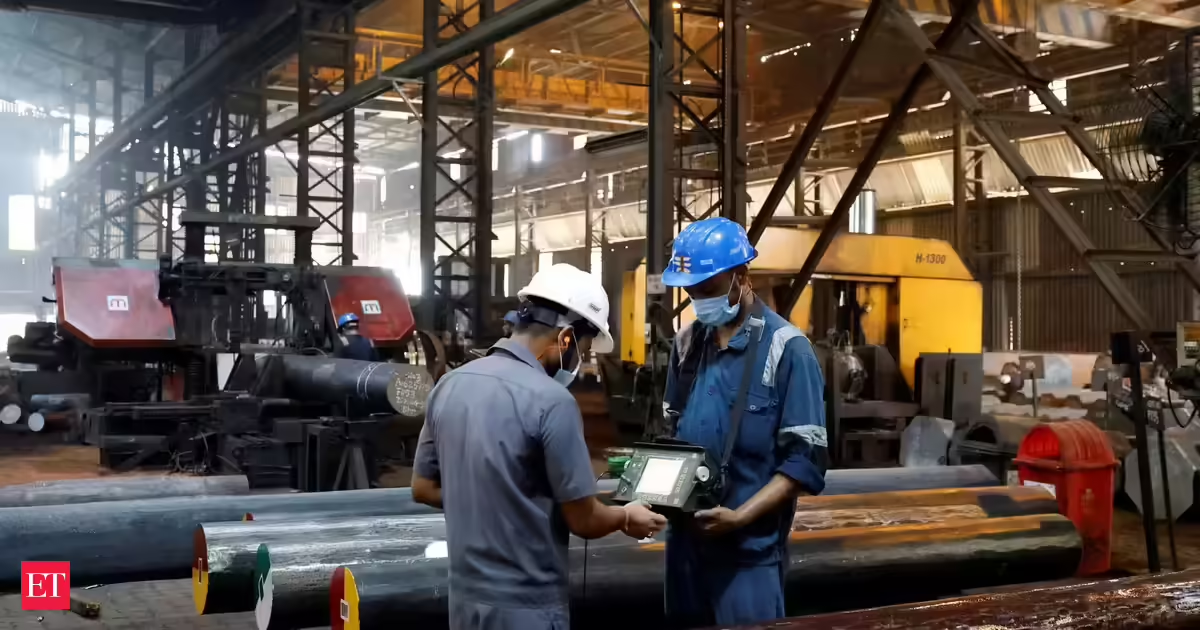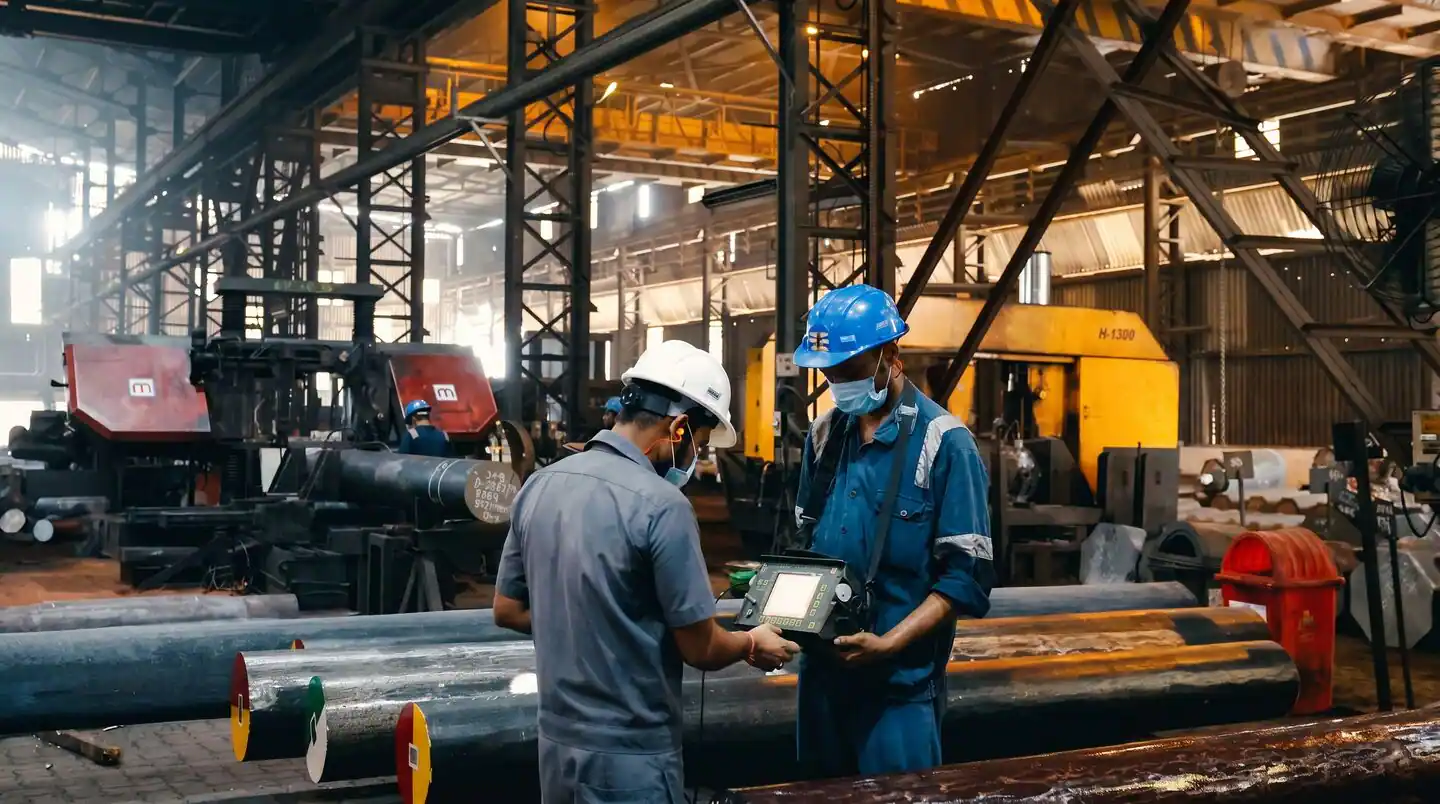
The growth in new orders and output reflects not only a strong domestic market but also a sustained optimism among manufacturers, despite rising input costs impacting profit margins.
Pushed by domestic demand strength, Purchasing Manager’s Index (PMI) for manufacturing rose to a three-month high of 55 in May, S&P Global reported on Monday. The April reading was 54.7.“India’s final manufacturing PMI points to another month of possible precautionary stockpiling as West Asia conflict remains unresolved. Output growth accelerated, while purchasing activity and stocks of finished goods rose at a faster pace,” said Pranjul Bhandari, Chief India Economist at HSBC.PMI is derived from responses of 400 executives of various companies. Index above 50 means expansion, while below 50 means contraction.PMI is a gauge of overall conditions derived from measures of new orders, output, employment, supplier delivery times and stocks of purchases.Goods producers reported the fastest expansions in new orders and output since February and cited factors like demand strength, infrastructure projects, and new business gains as the main reasons behind the upturn. Underlying data showed that the domestic market provided impetus to growth, as new export orders rose at a softer pace.On the price front, the war in West Asia continued to exert pressure on cost burdens. Panel members signalled greater outlays on energy, fuel, materials and transportation. “Input cost inflation eased slightly on the month, and output price inflation slowed more sharply, suggesting a potential squeeze on manufacturers’ margins,” Bhandari said.Notwithstanding sharp increases in input costs, goods producers purchased more materials in May. Moreover, the pace of growth in buying levels was sharp, the quickest in three months and above the historical trend. Underpinning the rise were attempts to raise contingency stocks.Meanwhile, greater production requirements induced another round of job creation across India‘s manufacturing industry. The rate of expansion was solid, despite slowing from April. Business confidence remained positive, with companies hoping that cost pressures will fade later in the year. Advertising and strong order pipelines also supported optimism towards growth prospects.Published on June 1, 2026