For more than a century, biology has been guided by the principles of inheritance first described by Gregor Mendel through his famous pea plant experiments. While those rules explain how many genetic traits are passed from parents to offspring, scientists have also known that DNA sequences are not the whole story.
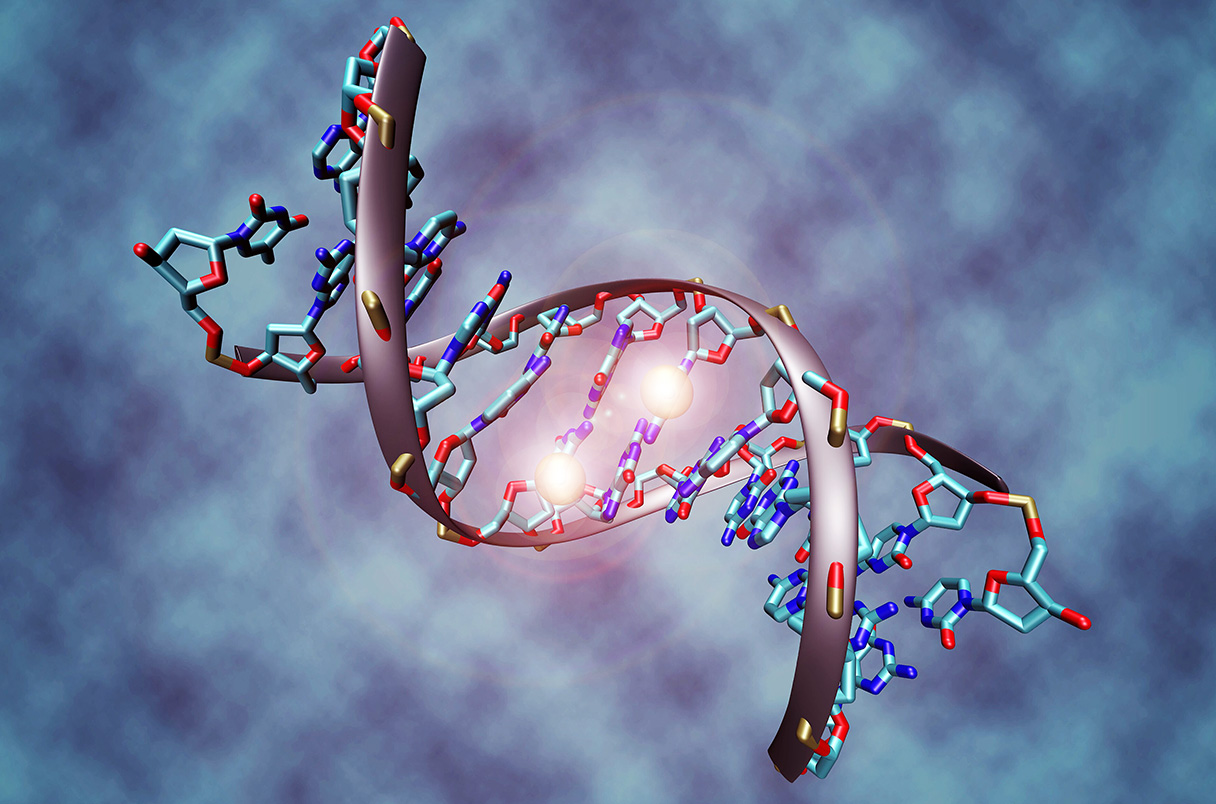
In addition to genes themselves, parents can pass along epigenetic changes. These are chemical modifications that affect how genes function without altering the underlying DNA code.
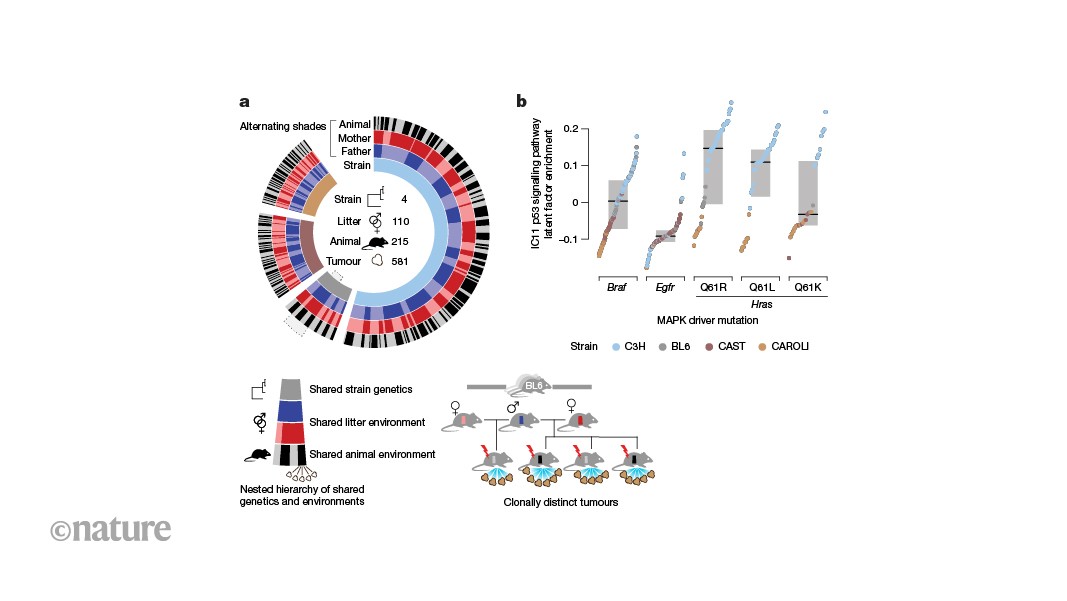
Now, a new federally funded study in mice suggests that some of these inherited epigenetic marks do not follow Mendel's classic laws. Researchers found that about 7% of the epigenetic inheritance patterns they examined behaved in unexpected ways. The study also uncovered rare forms of inheritance previously seen in plants and flies but not in mammals.
"Non-Mendelian patterns of inheriting epigenetics could be a faster way to acquire diverse or new traits than alterations in the genomic sequence itself, especially in response to environmental pressures," says Andrew Feinberg, M.D., Bloomberg Distinguished Professor in the Johns Hopkins University School of Medicine, Whiting School of Engineering and Bloomberg School of Public Health, and co-leader of the research with colleagues at Texas A&M University.