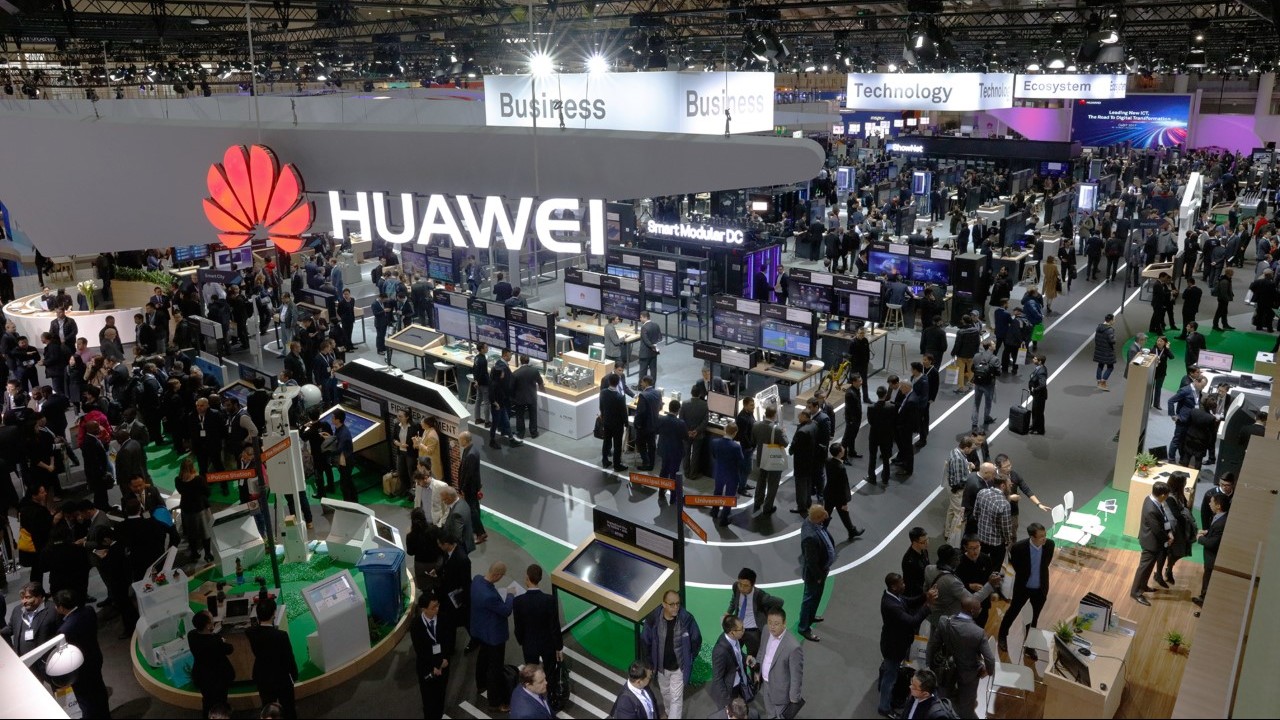
TL;DRUS export controls are pushing China’s AI chip industry away from general-purpose GPUs and toward custom ASICs. Huawei leads with 62% projected market share, while Alibaba and Cambricon pursue alternative architectures that may create a structurally different ecosystem from the Nvidia-dominated West.
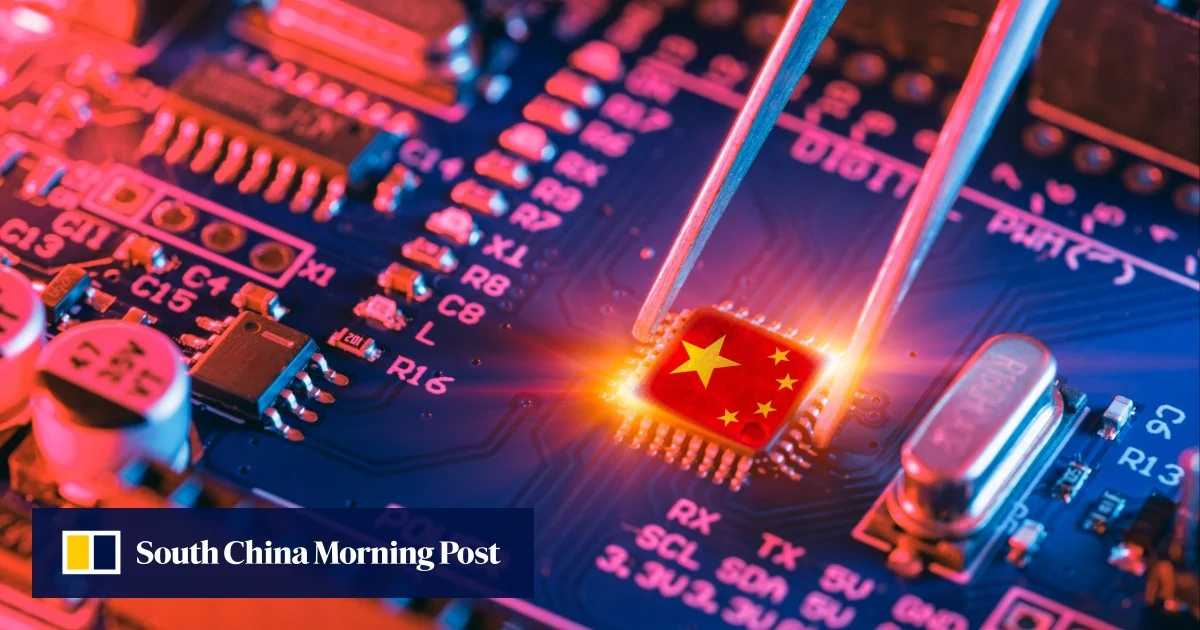
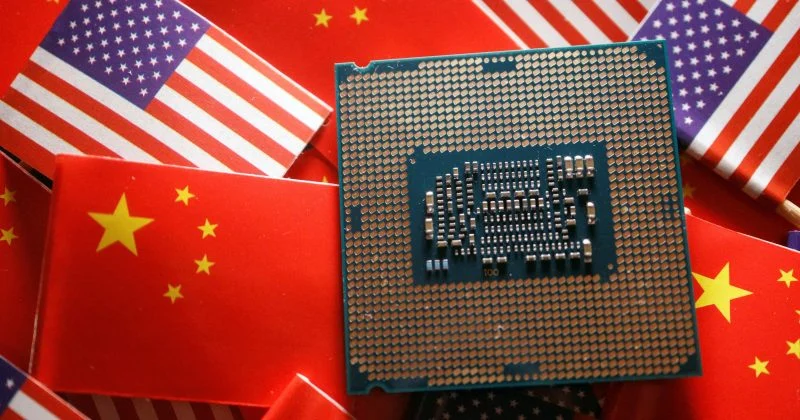
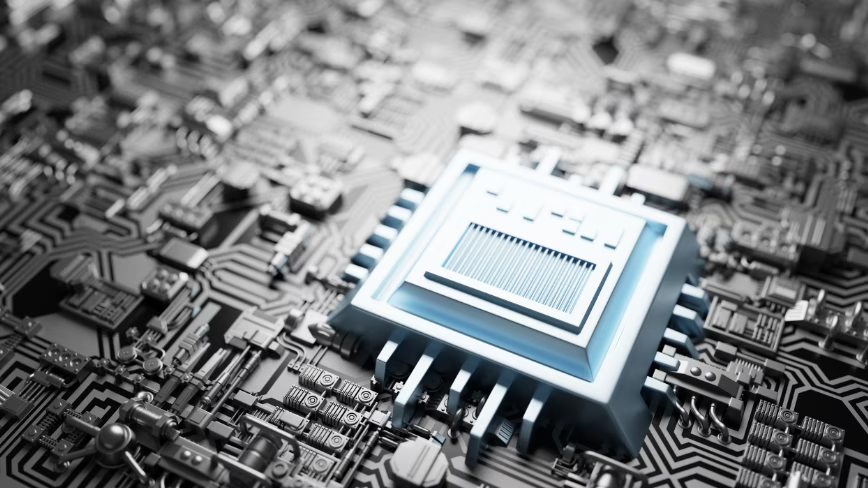
China’s AI chip industry is no longer trying to build an Nvidia clone. Under sustained US export controls that block access to the most powerful general-purpose GPUs, the country’s largest technology companies are pivoting toward application-specific integrated circuits, custom chips designed to do one thing extremely well rather than handle any workload. The shift is creating a domestic semiconductor ecosystem that may end up architecturally distinct from the Nvidia-dominated model that powers AI in the West.
At the centre of this divergence is a design choice that export controls have accelerated. General-purpose GPUs, the kind Nvidia sells, are flexible and programmable, making them ideal for the fast-moving research phase of AI development where model architectures change constantly. ASICs sacrifice that flexibility for raw efficiency, delivering faster performance at lower power consumption for specific AI tasks. In a market where the best Nvidia hardware is unavailable, the economics of custom silicon become far more compelling.