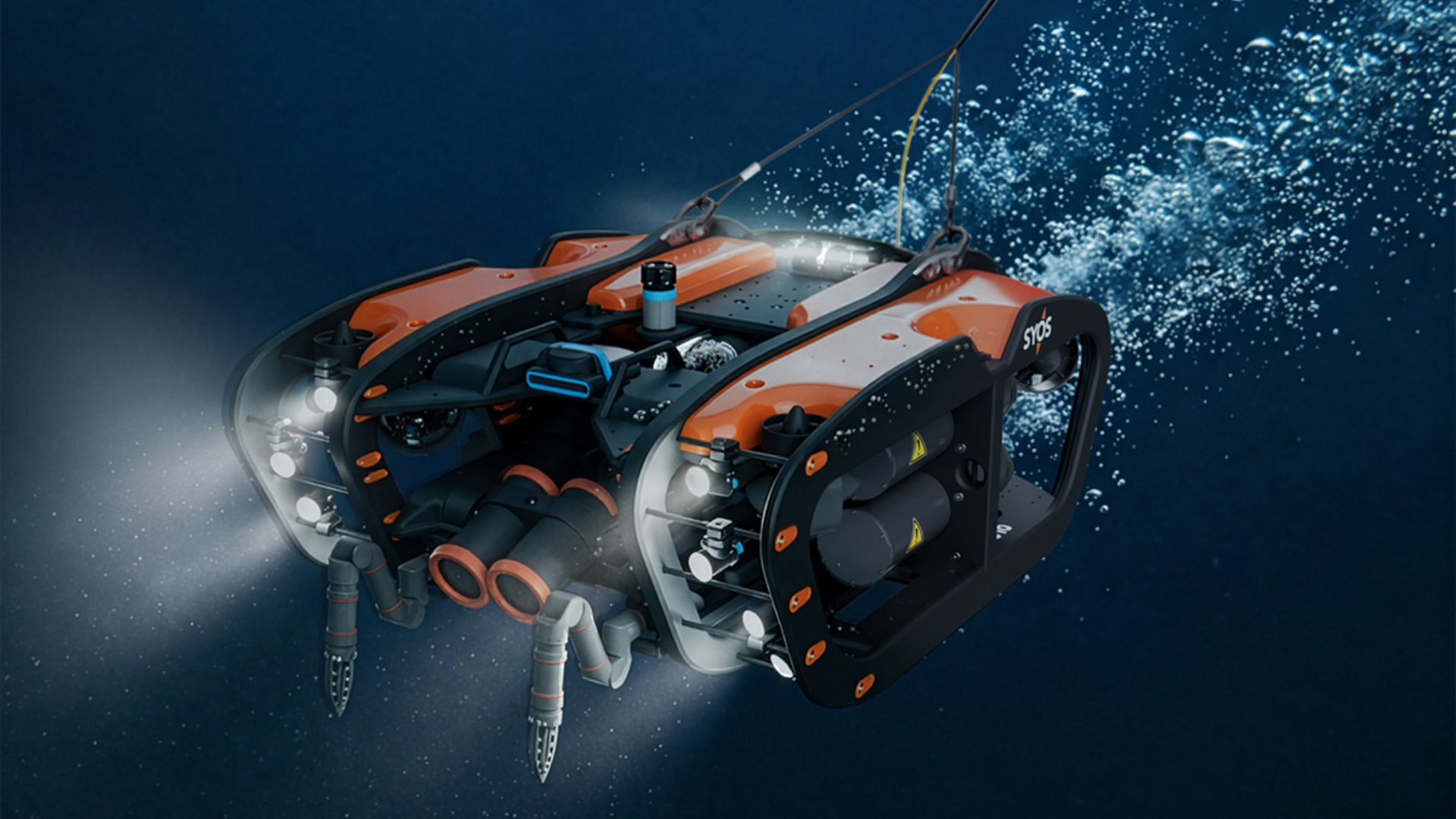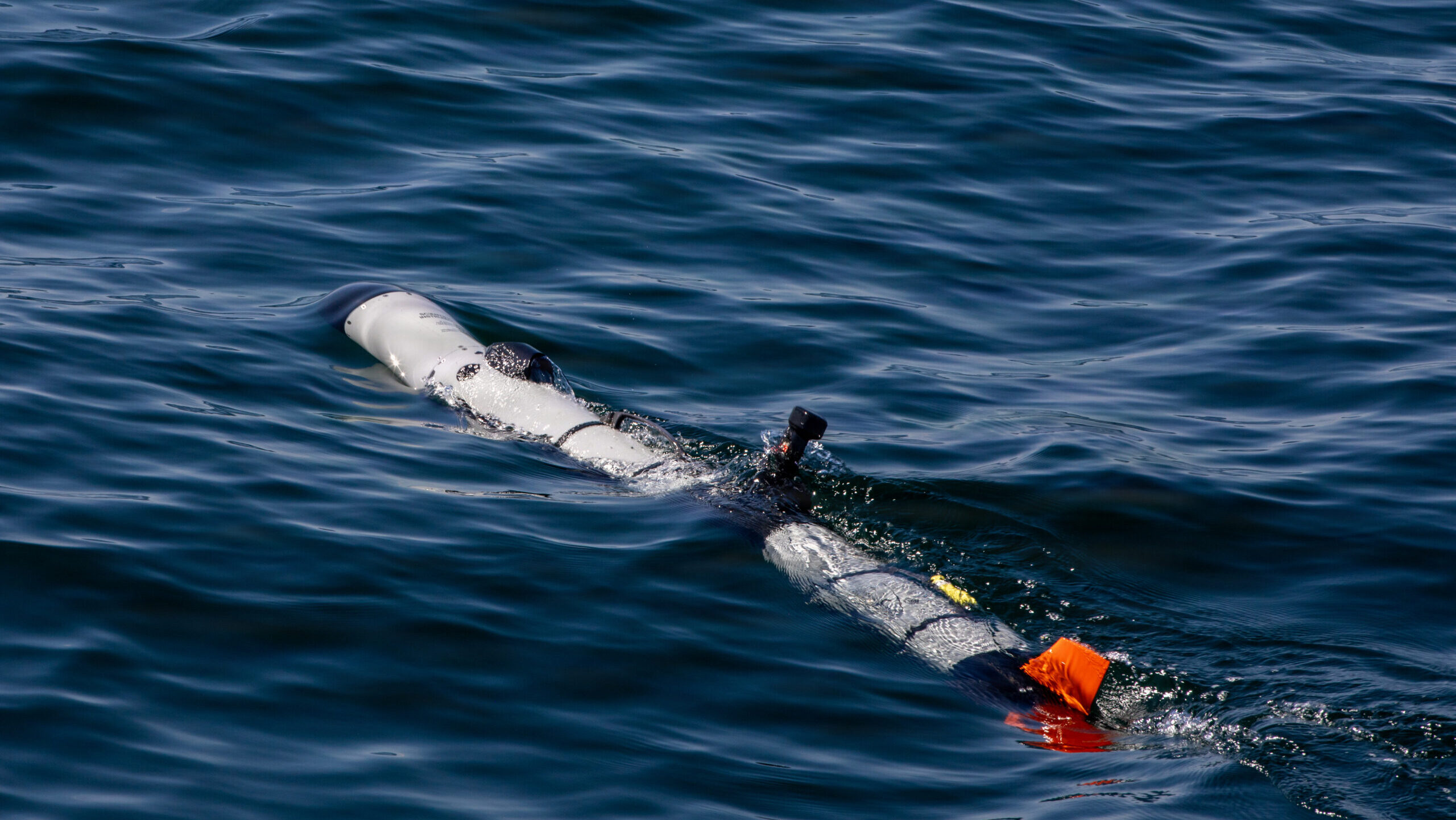
An underwater drone, powered by a highly specialized lithium-ion battery, plied the depths of Narragansett Bay off Rhode Island last summer. Its mission: to search for targets mimicking explosive sea mines like those recently deployed by Iran. It is a uniquely demanding and dangerous task that requires specialized battery cells to operate safely for longer duration and at higher power densities than conventional batteries.
At strategic locations across the United States and overseas, from ports of entry and border crossings to high-profile events like the Super Bowl and World Cup, radiation detectors with a unique optical warning and location technology scan for nuclear material that could be smuggled by terrorists. Its distinct advantage over other systems: the capability to reject alarms from naturally occurring radioactive material, while detecting real threats, even when highly concealed or masked.
These critical technologies – the cells powering the Navy’s Barracuda Mine Neutralization System and the spectroscopic gamma detection systems that make up part of the nation’s nuclear trip wire – were not just plucked off the shelf. Nor were they brought to market by Silicon Valley start-ups that commonly seek to quickly turn innovative ideas into products they can sell on the commercial market at a massive scale.