(Image credit: SYOS)
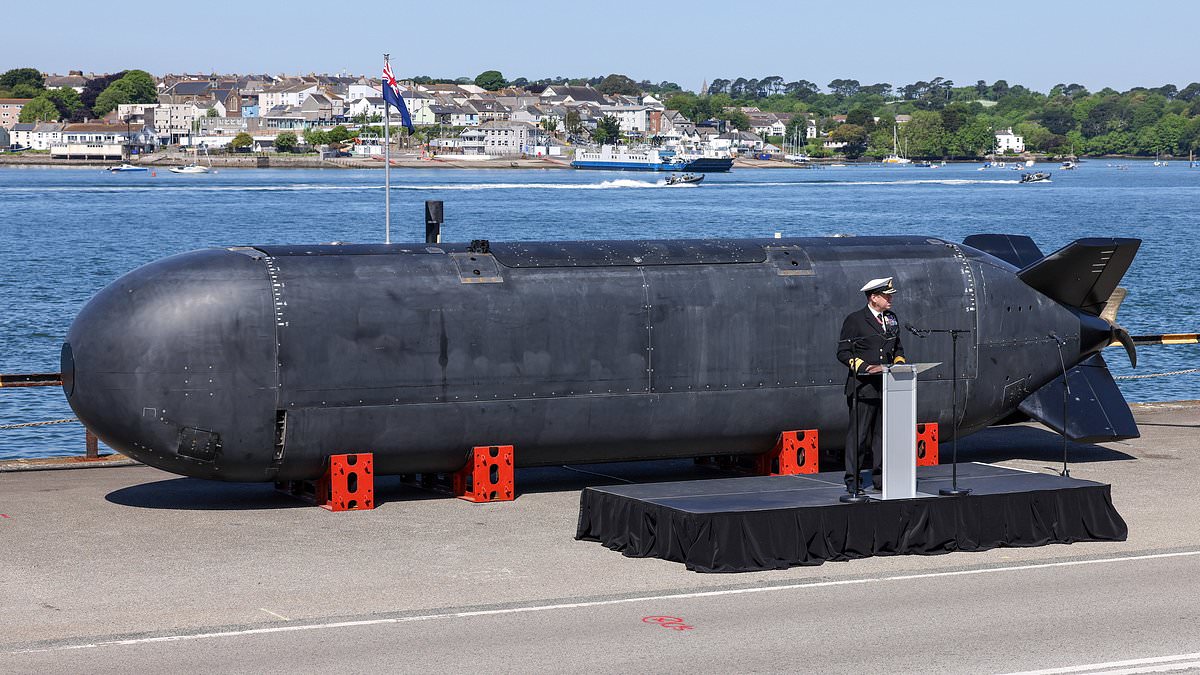
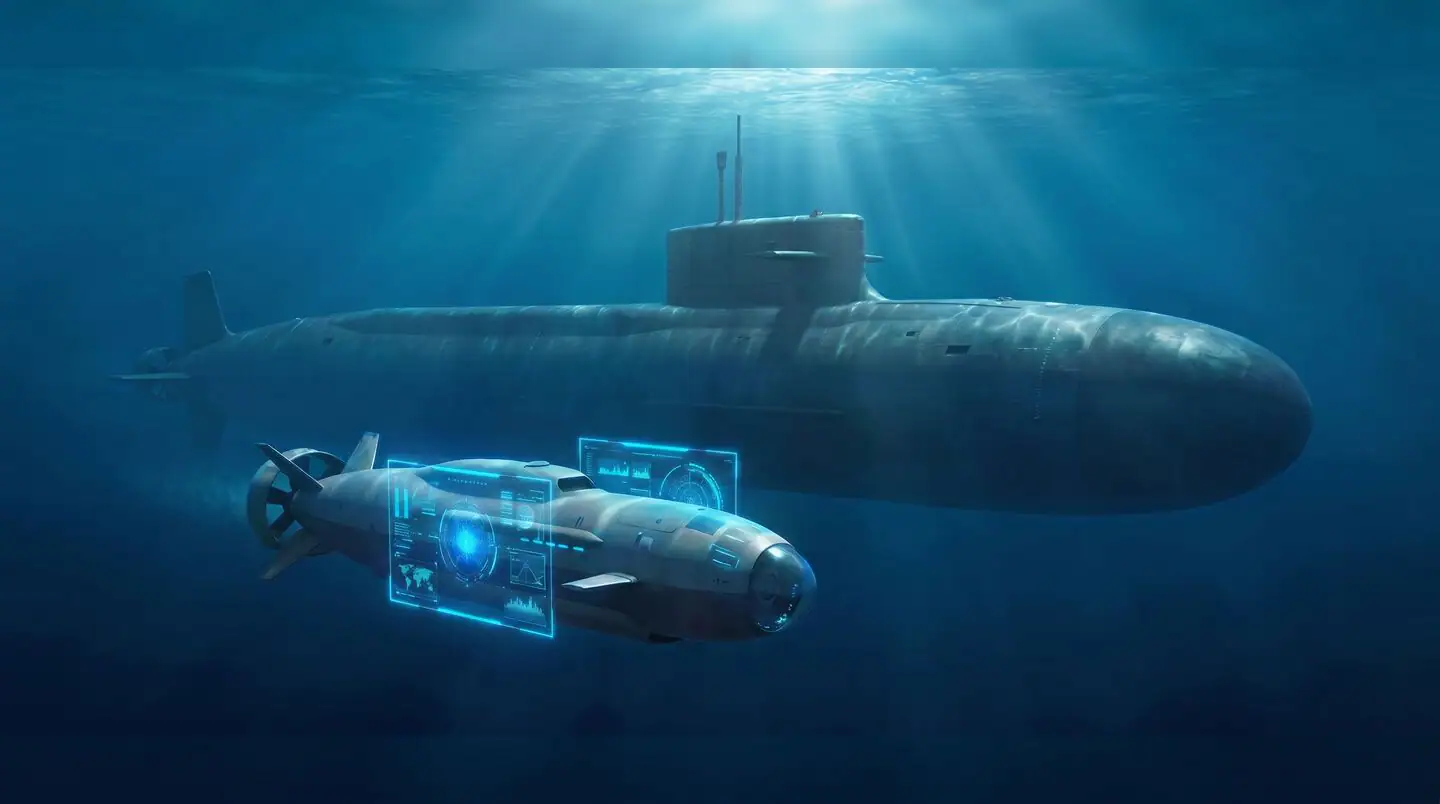
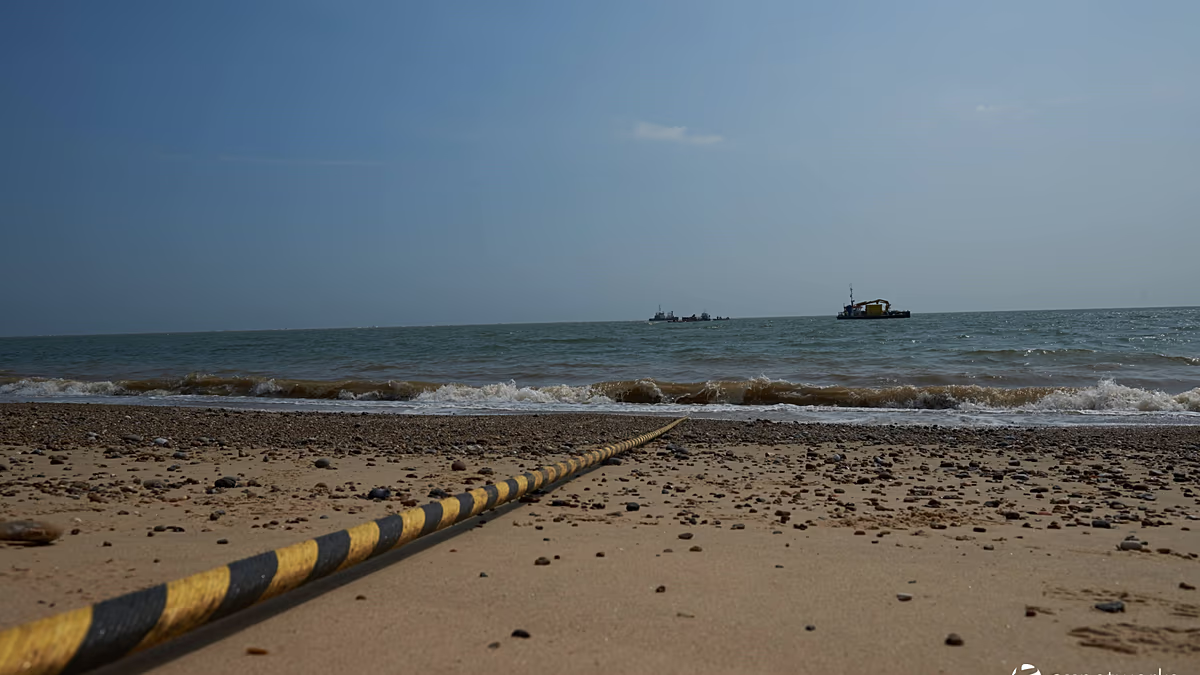
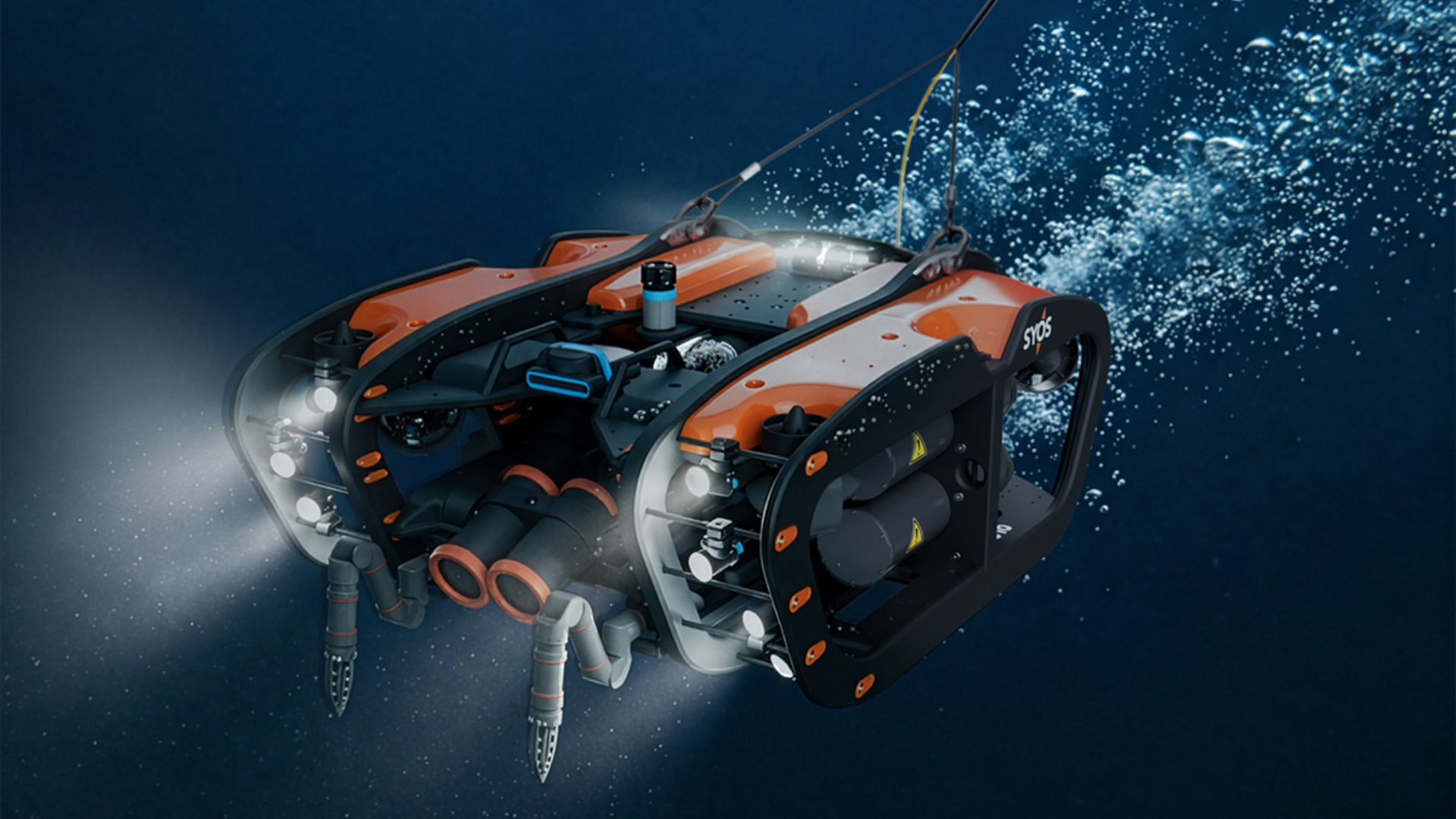
A startup just revealed an AI-powered uncrewed underwater vehicle (UUV) designed to operate at depths of up to 1,640 feet (500 meters) and come with a 22-pound (10-kilogram) payload. According to Marine Technology News, this undersea drone is capable of subsea infrastructure protection, inspections, and intervention. It can operate independently for up to four hours, but can extend indefinitely if tethered to a power source from the surface.This drone, called the SU10 and built by SYOS, can launch directly from shore, through a crewed mothership, or via a larger uncrewed surface ship built by the same company, with a launch-and-recovery system that’s connected to the company’s autonomous software. This UUV has a rather short battery life of just four hours, which seems like it isn’t enough for patrolling undersea cables. However, the option to operate it connected to a larger vessel on the surface should allow it to extend its mission for as long as necessary. AutoNotion says that the tether doesn’t just carry power — it also has an ultra-slim fiber-optic line that transfers data and a live feed, allowing an operator to control it manually as needed.While the SU10’s various mission packages and control schemes offer governments and navies multiple capabilities as a standalone unit, it’s actually the company’s proprietary autonomous AAIM software stack and hardware ecosystem that gives it an advantage over other drones. SYOS has already been building uncrewed drones for the air, land, and surface of sea, and AAIM combines the capabilities of all these platforms into a single coordinated unit. This allows for complicated operations and a more dynamic response to whatever situation that an operator may encounter. This is similar to the drone wolf pack that China developed for the PLA, but with capabilities that go beyond the land or the sea.The SU10 could potentially excel at monitoring and protecting undersea cables. The UUV could potentially loiter underwater while tethered to a surface ship through a long cable. If it detects a disruption, it could immediately alert the operator, who can then take over to verify that information. From there, they could deploy additional resources as necessary (and even do it automatically if they have other SYOS drones on hand). An operation like this is said to be more affordable compared to a similar one that uses crewed vessels, allowing governments, even those with limited budgets, to protect crucial infrastructure.