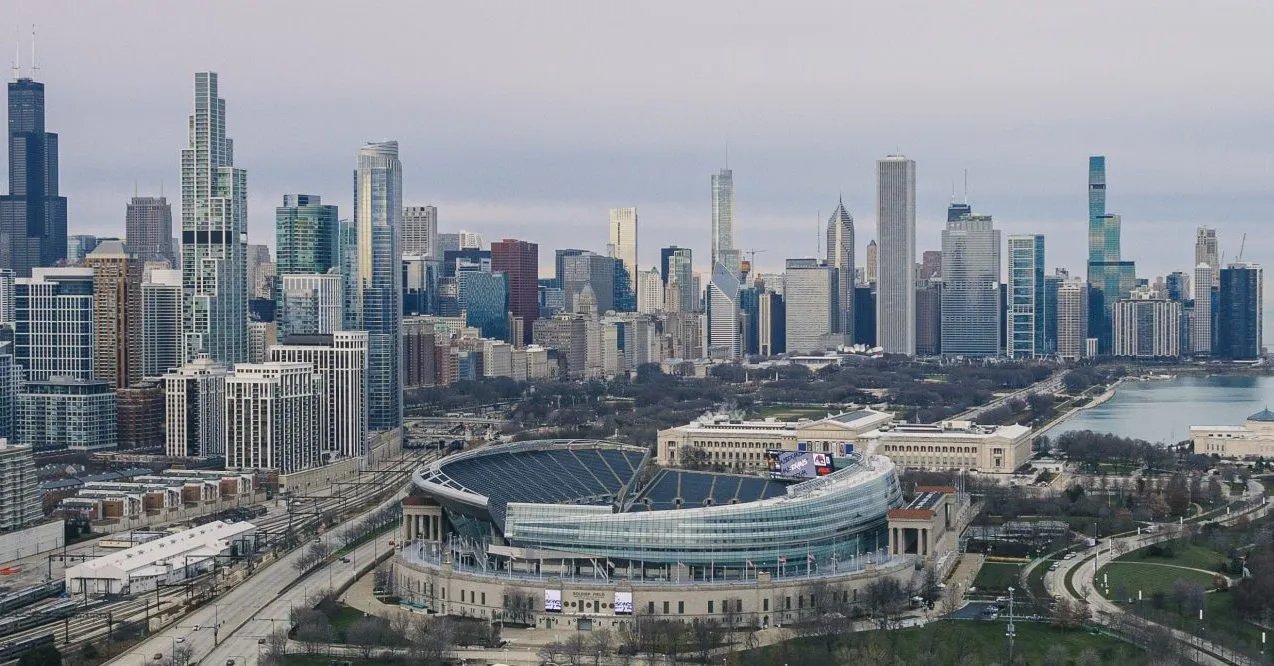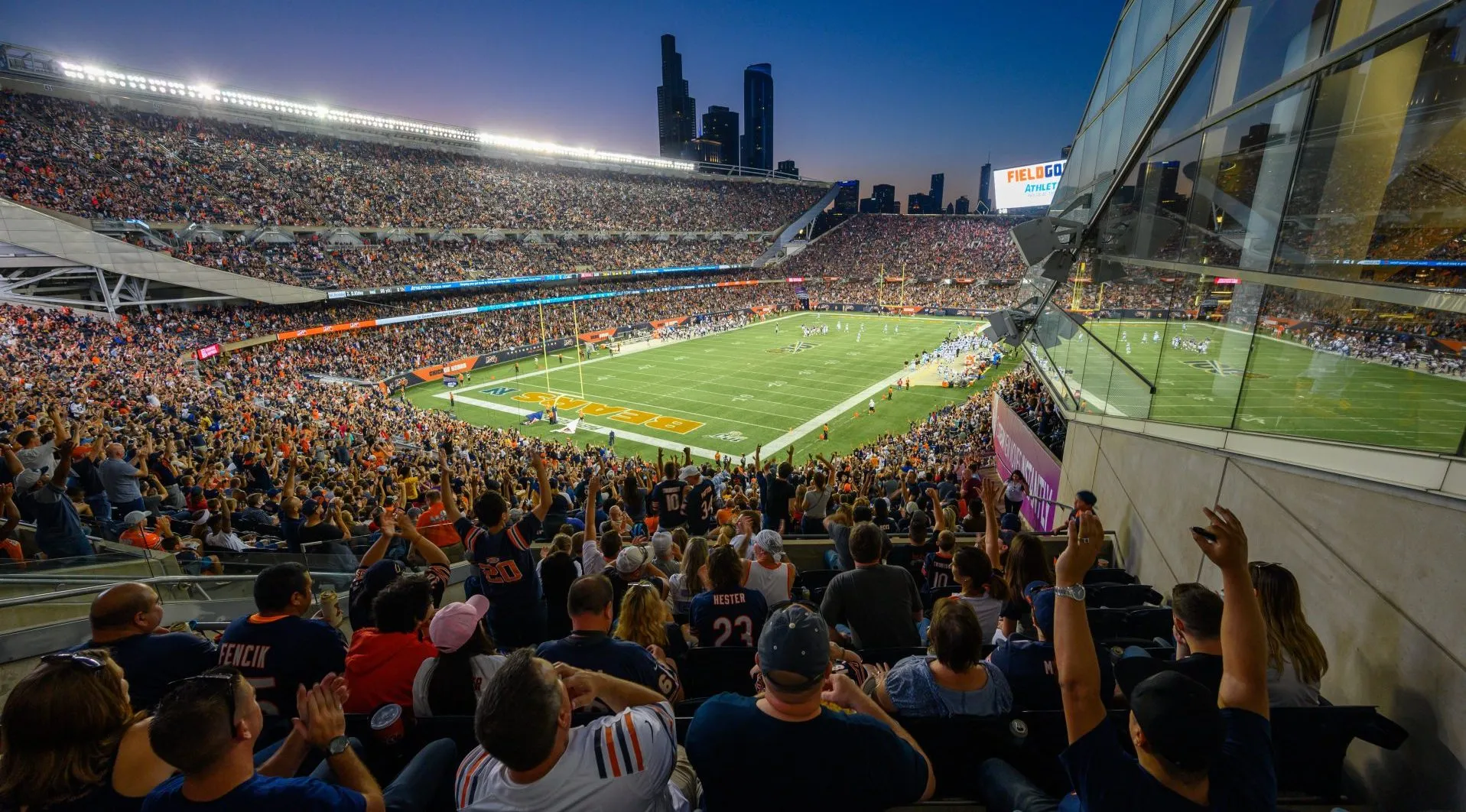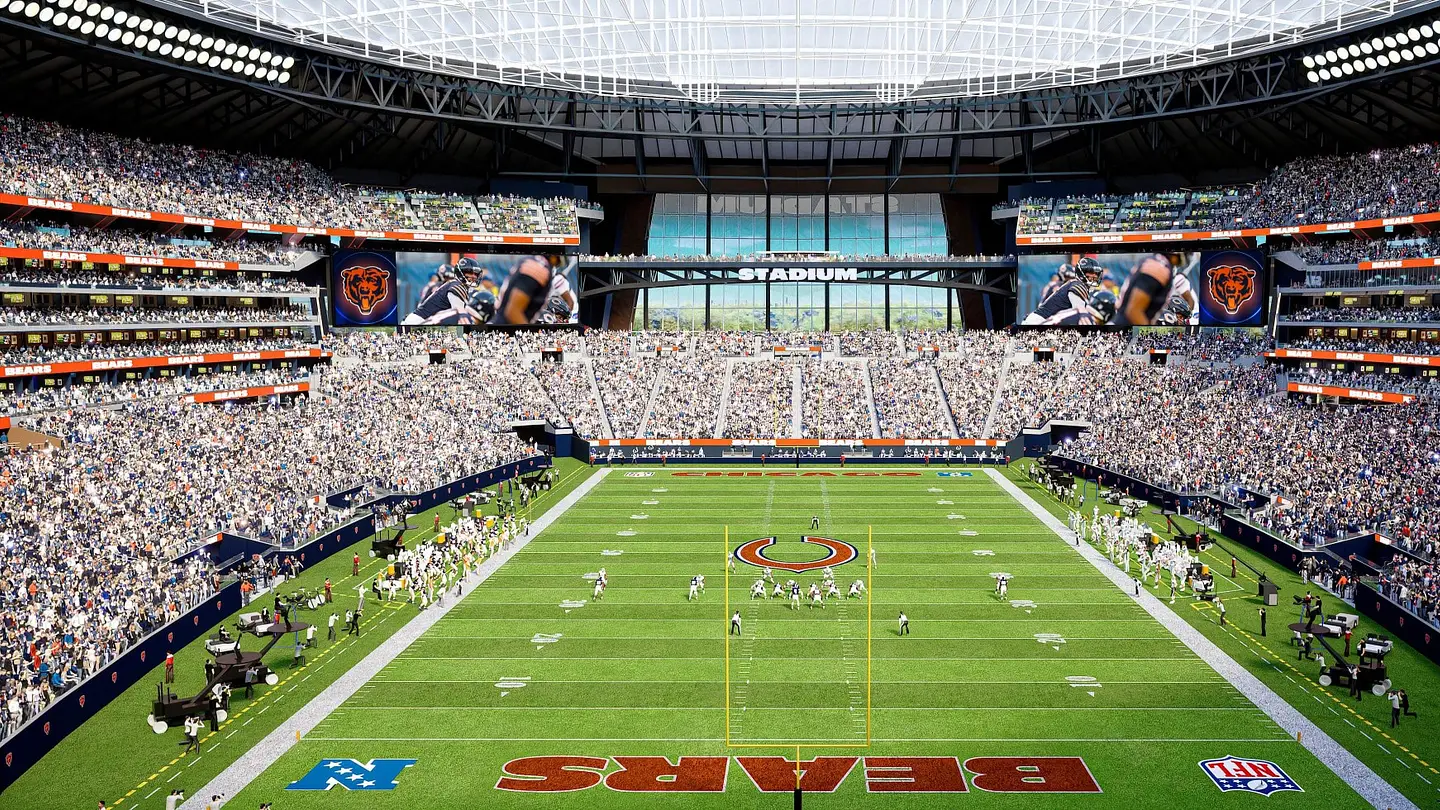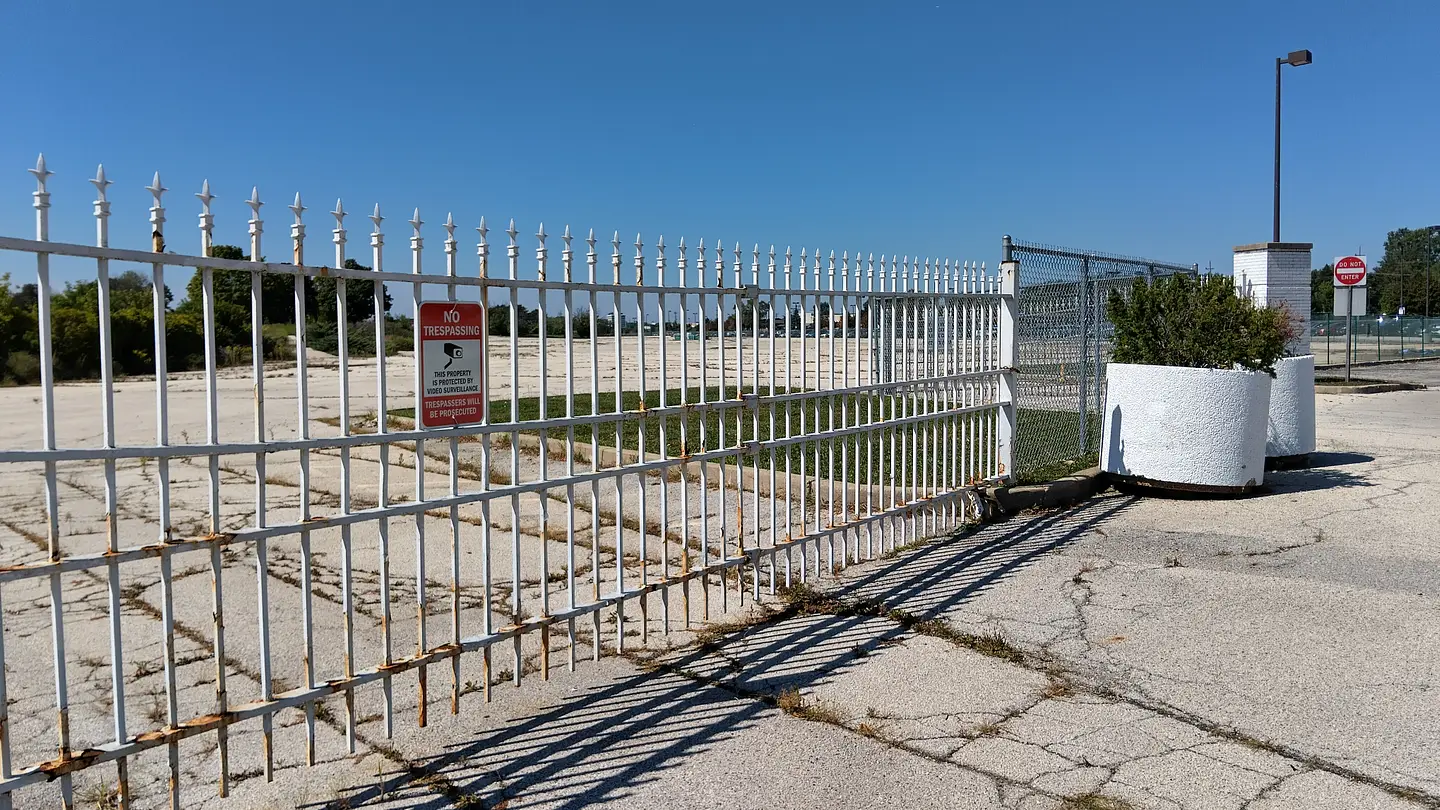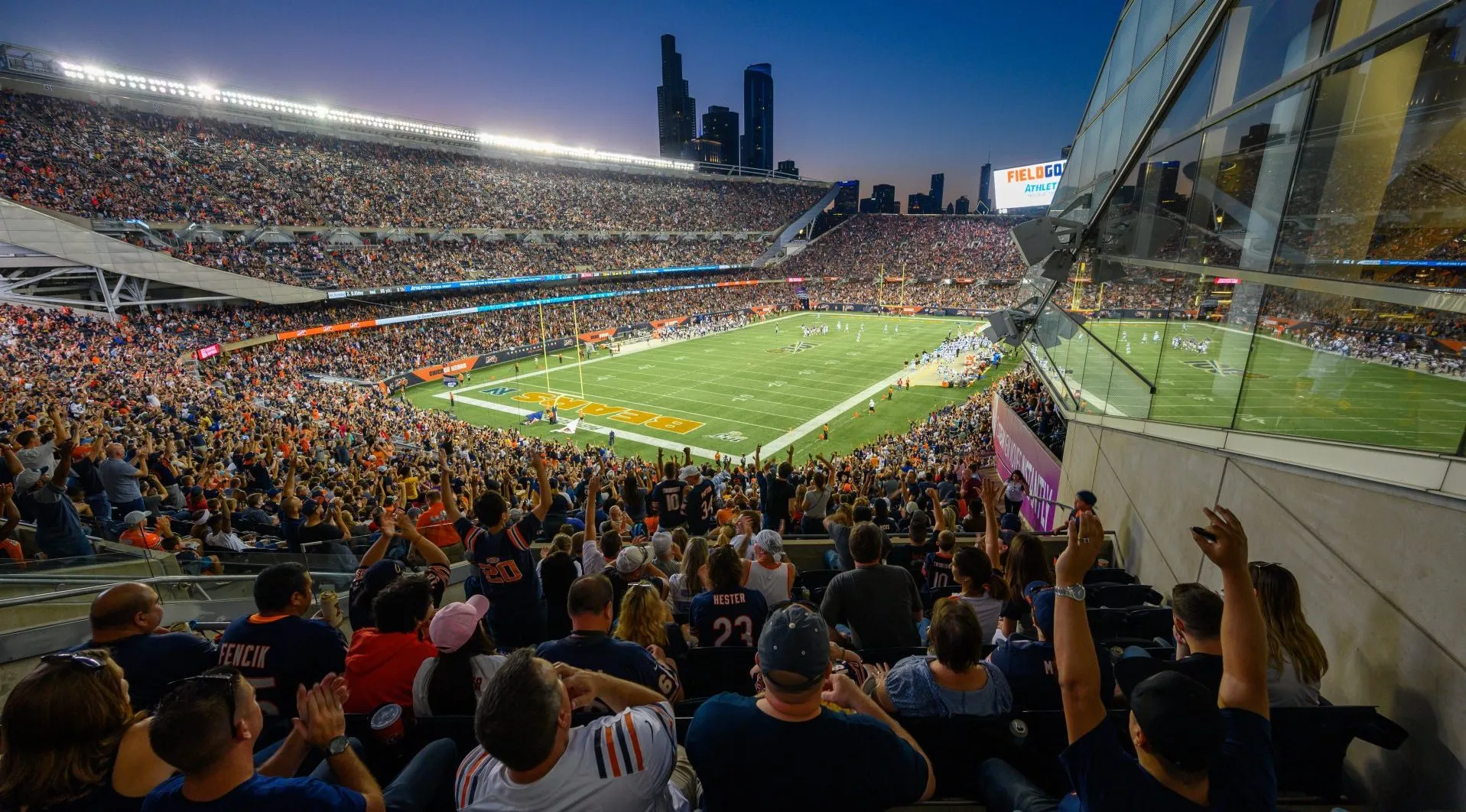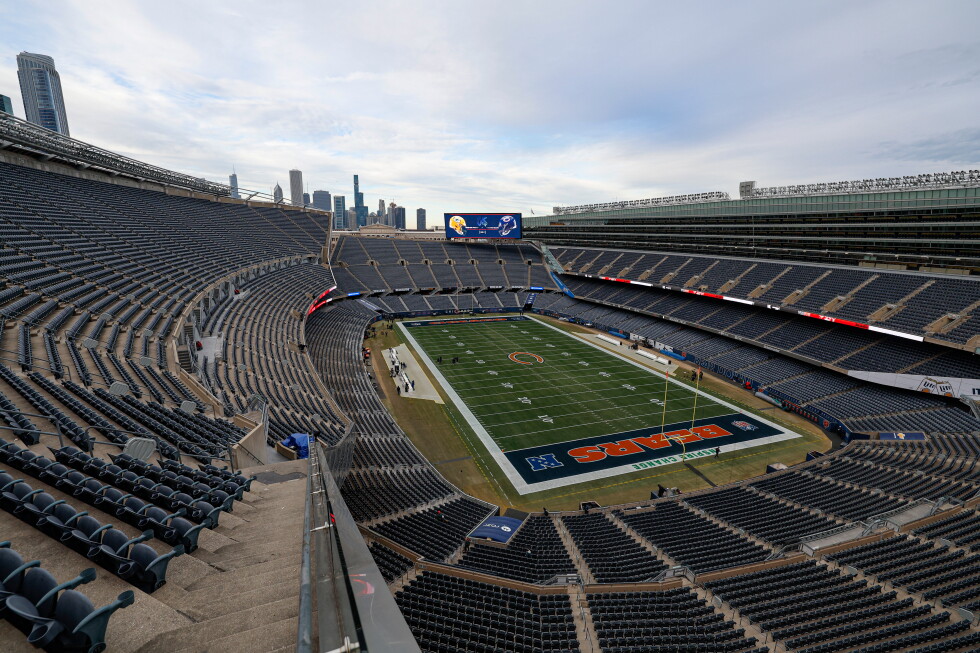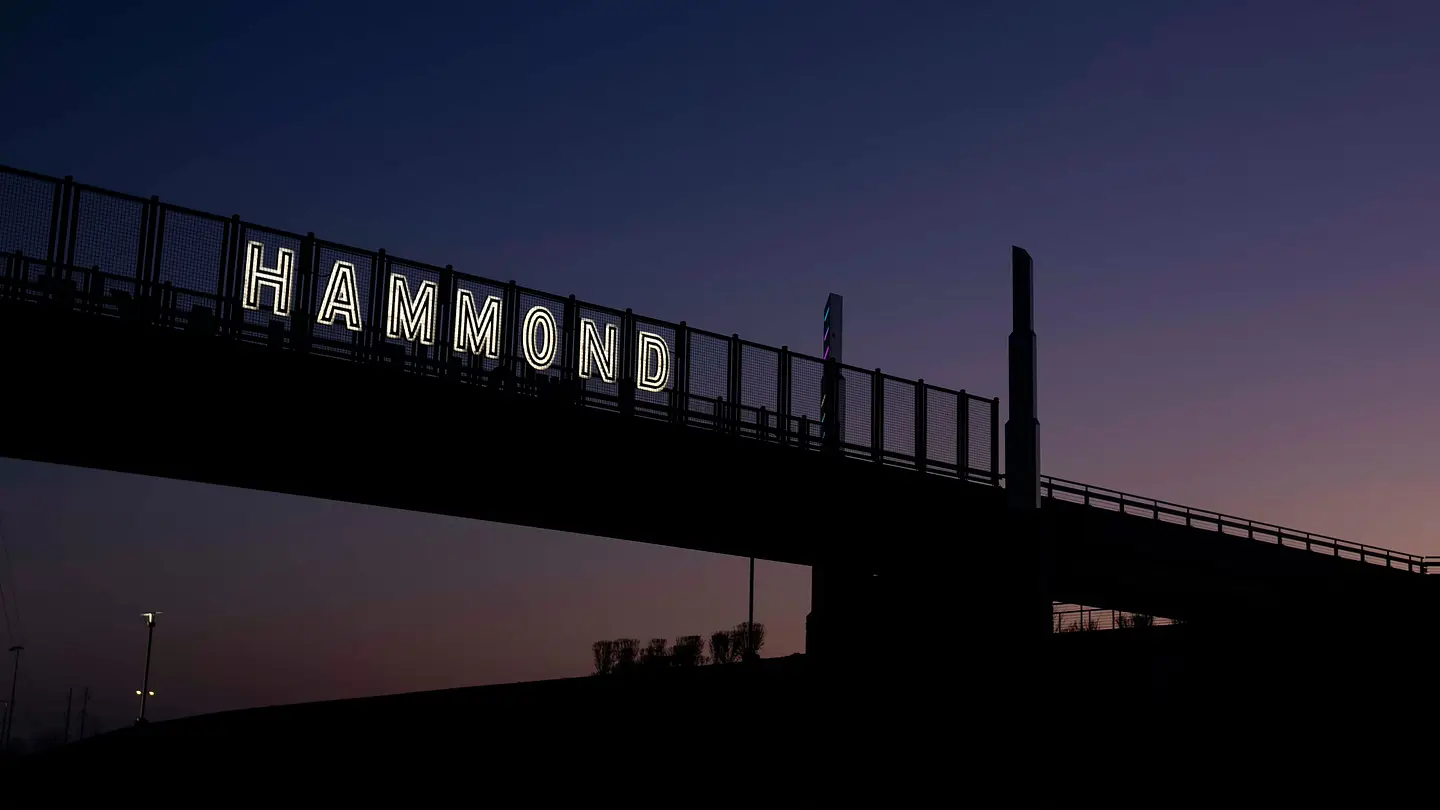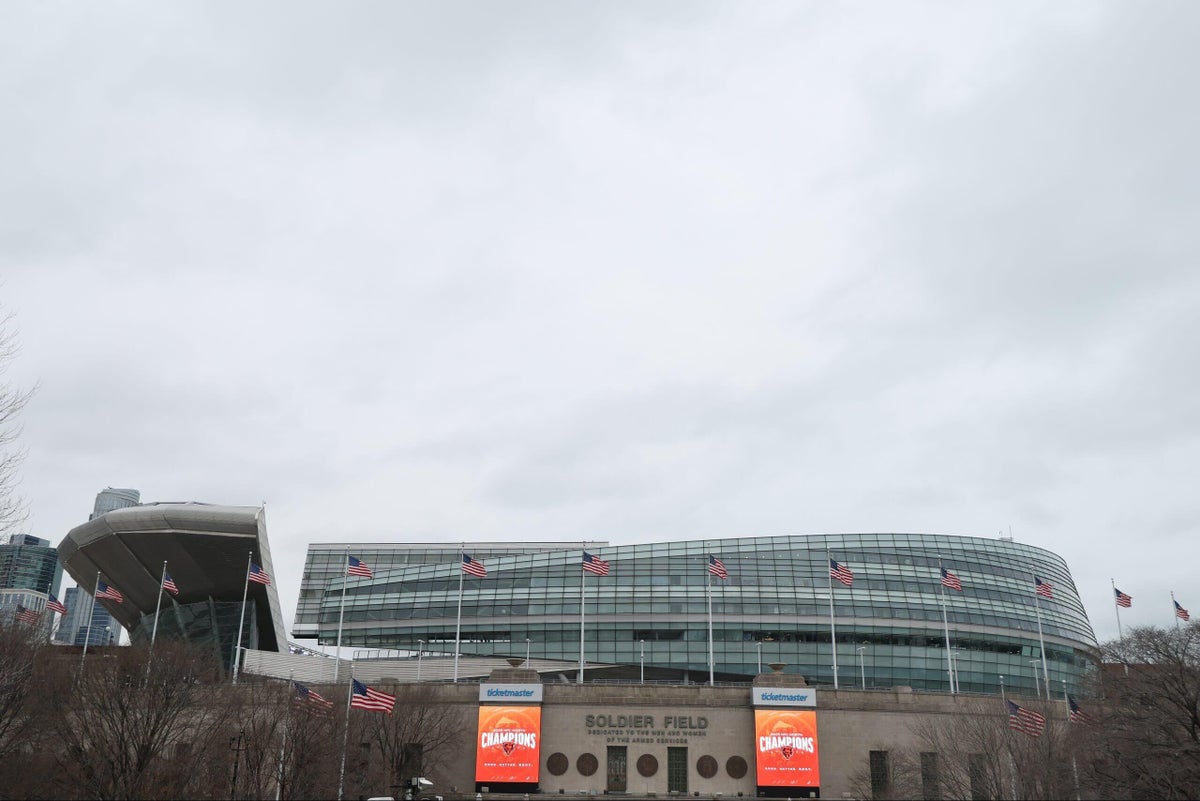
The Illinois Senate introduced and approved a bill Monday morning in the final hours of the spring legislative session designed to pave the way for the Chicago Bears to keep their next stadium in the state as originally desired, rather than taking the project to Indiana. But the Municipal Stadium Authority Act then stalled inside the House of Representatives, leaving the Bears without legislation to get the stadium project launched in their home state.Rather than vote on that bill, which was crafted late Sunday to allow for certain Cook County municipalities to create a governing body to own the stadium the Bears plan to build, the House adjourned shortly before 5 a.m. CT.Barring a summer special session in Springfield, Ill., the state legislature won’t return until November.Bears leaders now face serious deliberations that will significantly test their patience after both chairman George McCaskey and president and CEO Kevin Warren asserted in March their goal to have a stadium site selected by late spring or early summer.Suddenly, the possibility of the Bears taking their project to Hammond, Ind., is more real than ever, as dysfunction inside the Illinois legislature forced yet another detour. The Bears issued a statement early Monday after the legislative session closed in Springfield.“We will finalize our evaluation of both Arlington Heights and Hammond, and remain on the late spring/early summer timeline that we have previously communicated,” the team said. “We will provide an update when we have a decision to share.”The Bears’ quest to build a new stadium has been a bumpy journey for nearly five years since the team, under former team president and CEO Ted Phillips, first made its bid in 2021 to purchase the land that was the former home of the horse racing track at Arlington Park. The team paid $197.2 million for the land and closed on the property in February 2023, during the time period between the hiring of Phillips’ successor, Kevin Warren, and Warren’s official start in April of that year.One of the team’s major missteps at the time was entering into that purchase agreement without clarity on all the funding obstacles and governmental hurdles it would encounter in actually getting a project launched, particularly as it relates to the tax situation on the property.Asked about the rush of that bid at the NFL owners meetings in March, McCaskey said, “Well, we didn’t control the timing of the acquisition of Arlington Park. Churchill Downs was in a position where they were ready to sell. So they largely determined the timing.”The frantic activity in Springfield on Sunday and Monday, with new legislation introduced, reviewed and voted on by the Senate before stalling in the House at the last minute, followed the collapse over the weekend of a megaprojects bill championed by the Bears in the hopes of providing property tax certainty for the desired stadium project in Arlington Heights.That P.I.L.O.T. (Payment in lieu of Taxes) legislation would have allowed the Bears to freeze their property tax rate on the stadium for up to 40 years while negotiating with local officials on an annual P.I.L.O.T. payment that would have helped with, among other things, property tax relief for community homeowners, plus appropriate tax flow for school funding and other municipality needs.The alternative bill proposed instead would free the Bears from paying property taxes altogether. But with political strain between the Senate and House, the future of that act quickly became iffy at best.Bears leaders have consistently emphasized this year that Arlington Heights and Hammond are the only two potential sites on their radar, despite continued assertions from Chicago officials that the Bears staying in the city remains a viable option. In recent weeks, NFL officials and Illinois Governor J.B. Pritzker have further emphasized Arlington Heights as the only Illinois option in play for the Bears.Yet Chicago-based lawmakers have continued fighting to keep a city stadium on the table — even at the potential expense of pushing the Bears toward Indiana instead.The Bears have envisioned a new stadium and a multi-use development on the 326-acre property in Arlington Heights, which they pounced on when it originally came up for sale. But finding the most financially beneficial means of launching the project has been problematic, with a legislative obstacle course prompting multiple detours.The team spent ample time and resources exploring a possible stadium site near Soldier Field on the museum campus in downtown Chicago, and later introduced Indiana — with a site near Wolf Lake in Hammond — as a serious contender. Lawmakers in that state ultimately approved a bill that would significantly subsidize a new stadium with bonds backed by locally generated tax revenue.The Bears’ current lease at Soldier Field, where they have played their home games since 1971, runs through 2033, with the team facing a significant but manageable penalty payment for leaving early.The Bears have vowed to pledge $2 billion of private funding toward construction, with McCaskey asserting in March that the family is willing to take on a major risk of borrowing that money, a gamble he and his family aren’t accustomed to making.“Well,” McCaskey said, “I have George Halas’ blood coursing through my veins. So the family is risk-averse, debt-averse. But we feel this is a necessary step to secure the Bears’ future.”The Bears have long framed their new stadium project as a potential economic stimulant for Illinois and Cook County, highlighting potential job creation and the benefits of new streams of local and state tax revenue. But collecting the needed support from lawmakers to receive tax clarity, aid with infrastructure and other backing has been a demanding chore for years.In March, Warren expressed the urgency the Bears have felt to find a resolution.“We have to get this right,” he said. “As George has mentioned, this will impact our franchise for decades to come. So this is not ‘Where do you move training camp to?’ This is a decision that will have ramifications for 30, 40, 50 years. So you want to make sure you get it right.”Now the ball is back in the Bears’ hands, but without any of the assistance in Illinois they had hoped to receive.
Bears Indiana stadium remains possibility as last-minute Illinois bill stalls
The Bears' stadium plans remain cloudy after a setback early Monday morning in the Illinois state legislature.
1,020 words~5 min read