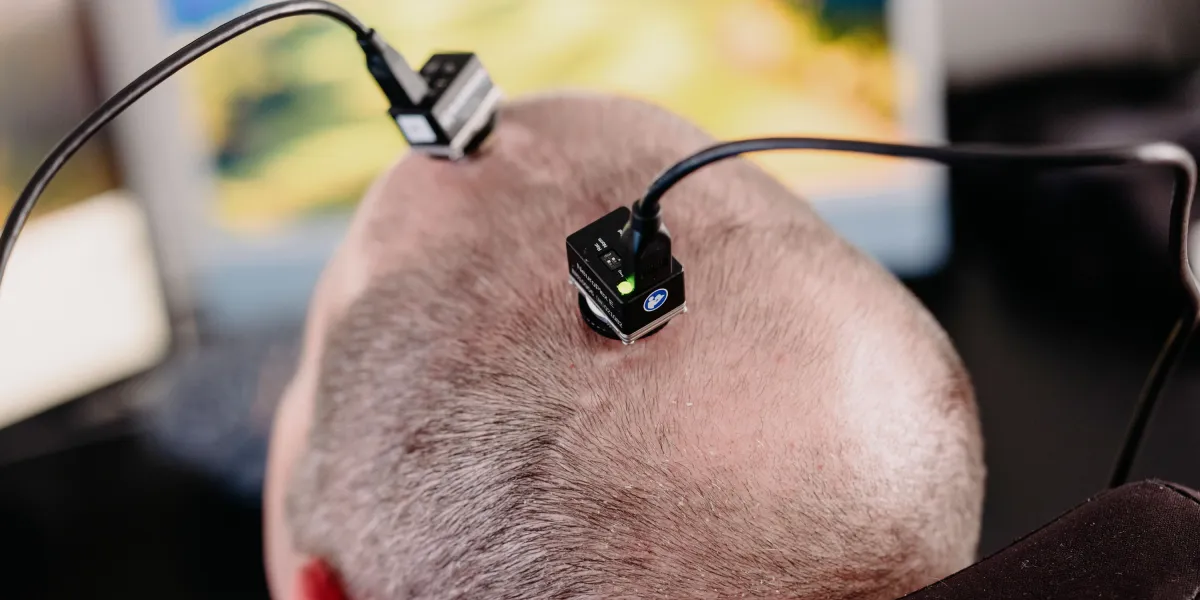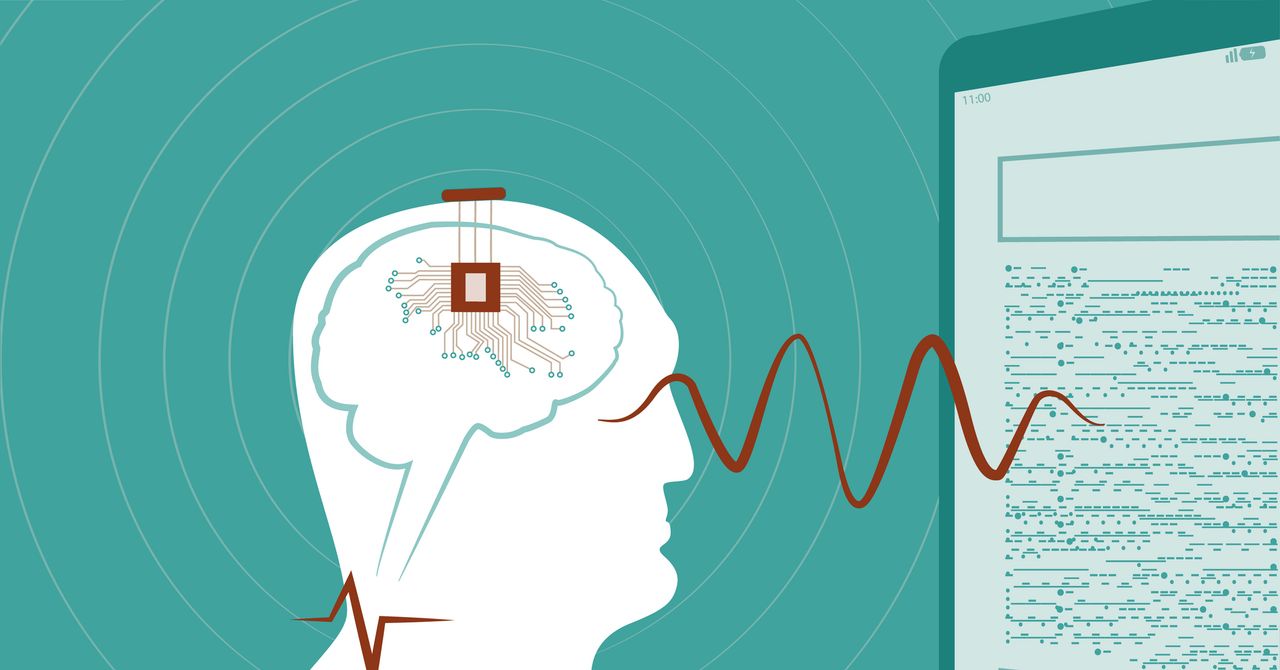
This is today's edition of The Download, our weekday newsletter that provides a daily dose of what's going on in the world of technology. China has approved the world’s first invasive brain-computer chip—here’s what’s next Sitting in the courtyard of his house in China’s Henan province last October, Dong Hui decided to try holding a pen. Six years after a car accident left him paralyzed from the neck down, he slowly wrote his name, “Thank you,” and the date. The breakthrough was made possible by a brain implant called NEO. In March, it became the world’s first invasive brain-computer interface approved for use beyond clinical trials. The approval is expected to accelerate China’s push to become a global leader in brain implants. Read the full story on how China reached this milestone—and what it means for the future of brain-computer interfaces.
—You Xiaoying The must-reads
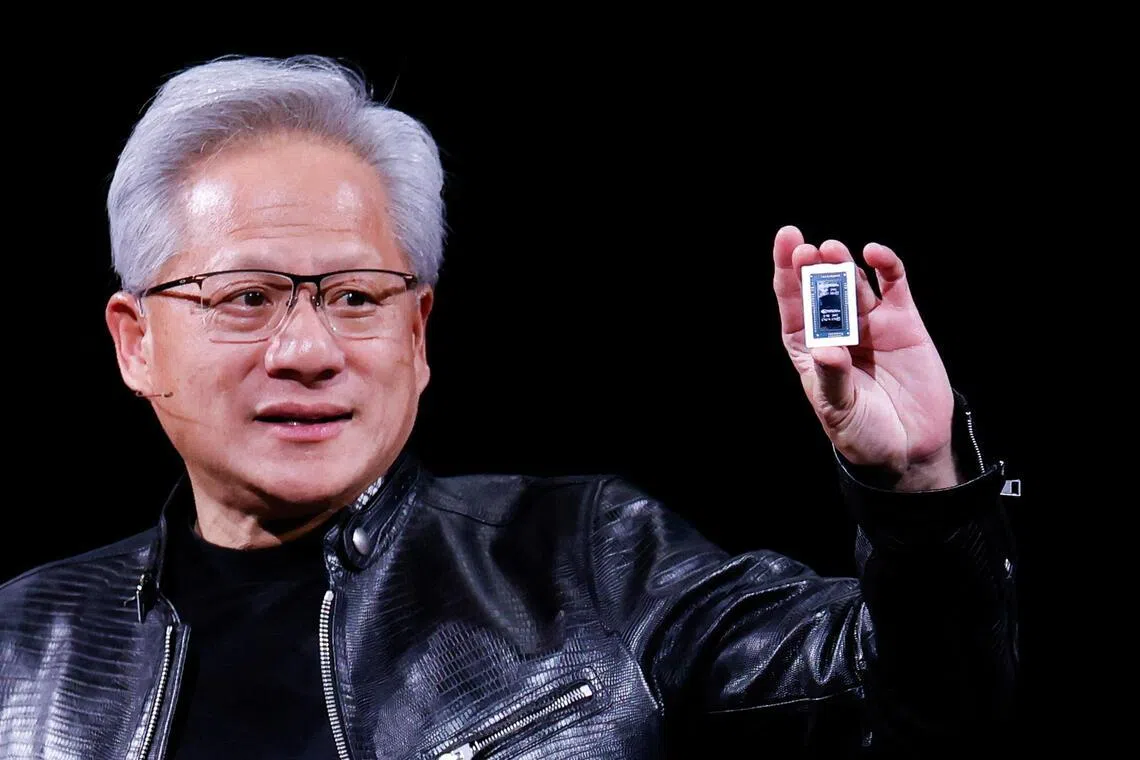
I’ve combed the internet to find you today’s most fun/important/scary/fascinating stories about technology. 1 Nvidia is launching its first AI chip for personal computersThe RTX Spark will power laptops from Dell, HP, Microsoft, and others. (BBC)+ They’re being designed specifically to run AI agents. (WSJ $) + The first devices are set to launch on Windows PCs in the fall. (CNBC)+ The move marks a challenge to Apple and Intel. (FT $) 2 The US is stopping exports of AI chips to Chinese firms abroadIt’s closed a loophole allowing exports to Chinese subsidiaries. (Reuters $)+ Which may have enabled unlicensed access to Nvidia chips. (Al Jazeera)+ Export curbs have led China to redesign its chip industry. (MIT Technology Review) 3 Surgeons have transplanted pig liver and kidneys into a living personThe clinically dead recipient’s organs worked for almost five days. (Nature)+ Pig organs could ease transplant shortages. (Guardian)+ Putin says organ transplants could grant immortality. (MIT Technology Review) 4 The US, Australia, and UK will defend seabed cables with underwater dronesThey’re developing the vehicles via the trilateral AUKUS defense pact. (CNN)+ Undersea internet cables face growing threats. (BBC) 5 A new study has revealed chatbots’ manipulative ‘dark patterns’ It found they prey on emotions to encourage harmful behavior. (404 Media)+ They can also sway voters better than political ads. (MIT Technology Review) 6 Apple plans to disrupt the traditional glasses marketIts smart glasses target the broader spectacles industry. (Bloomberg $)+ Smart glasses are also gaining traction in warfare. (MIT Technology Review) 7 AI super PACs are dueling over the midtermsSplit between Anthropic and OpenAI, they’re fighting to shape AI regulation. (NYT $)8 SoftBank has overtaken Toyota as Japan’s most valuable companyThe AI boom pushed SoftBank’s market value above $305 billion. (Bloomberg $)