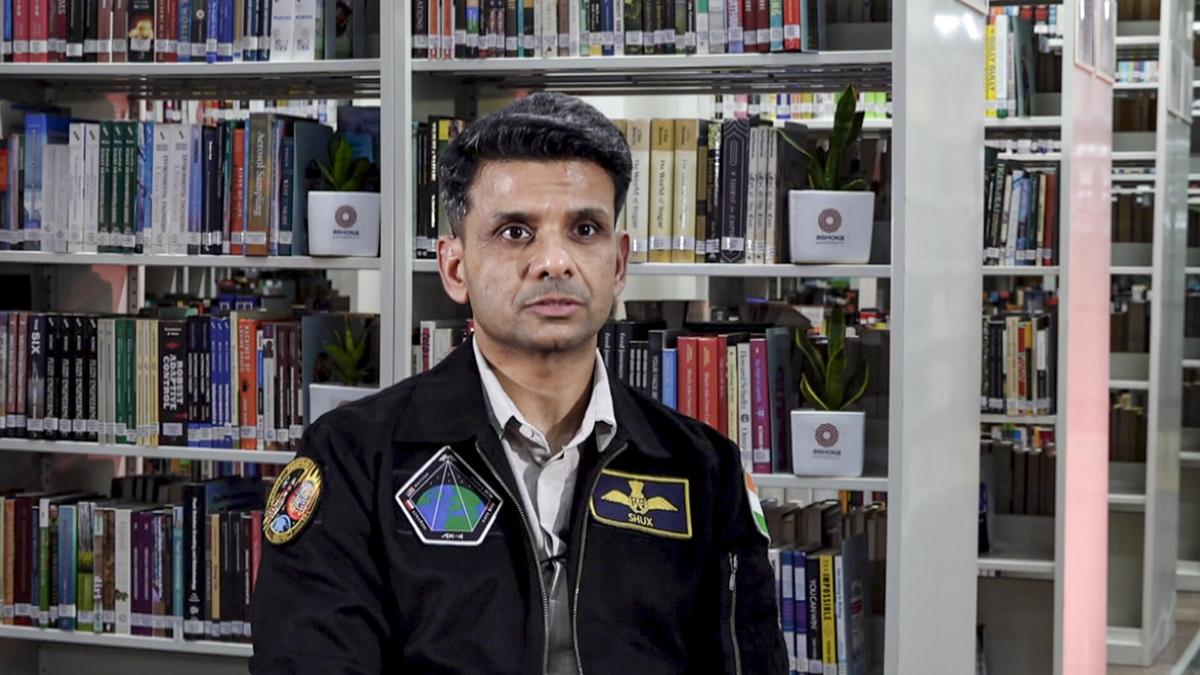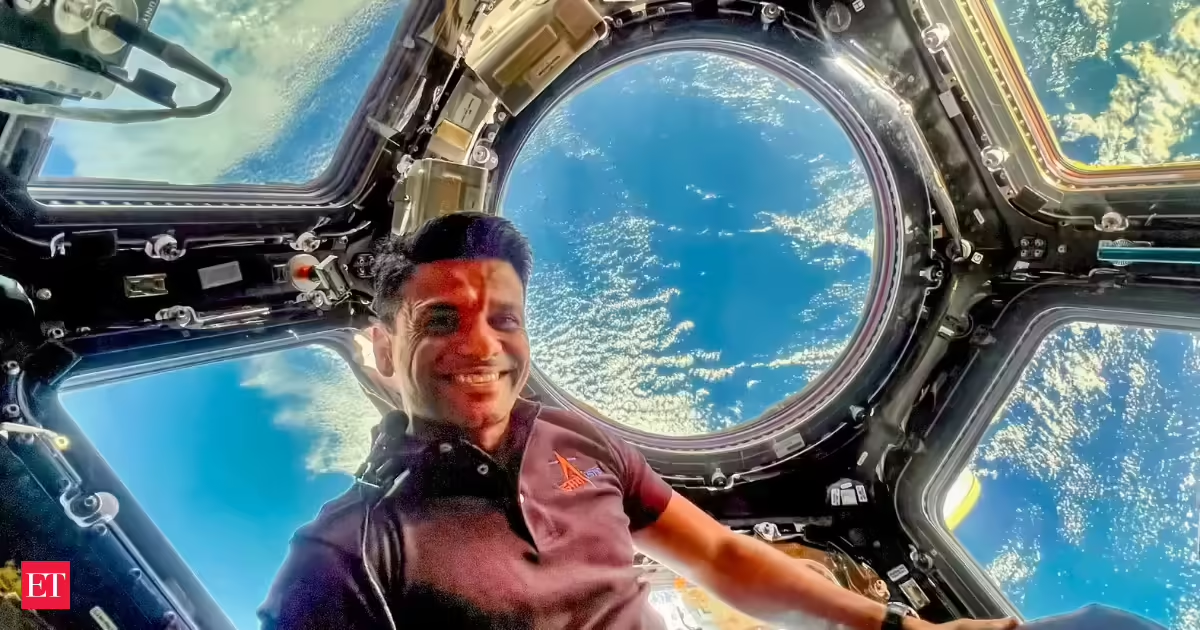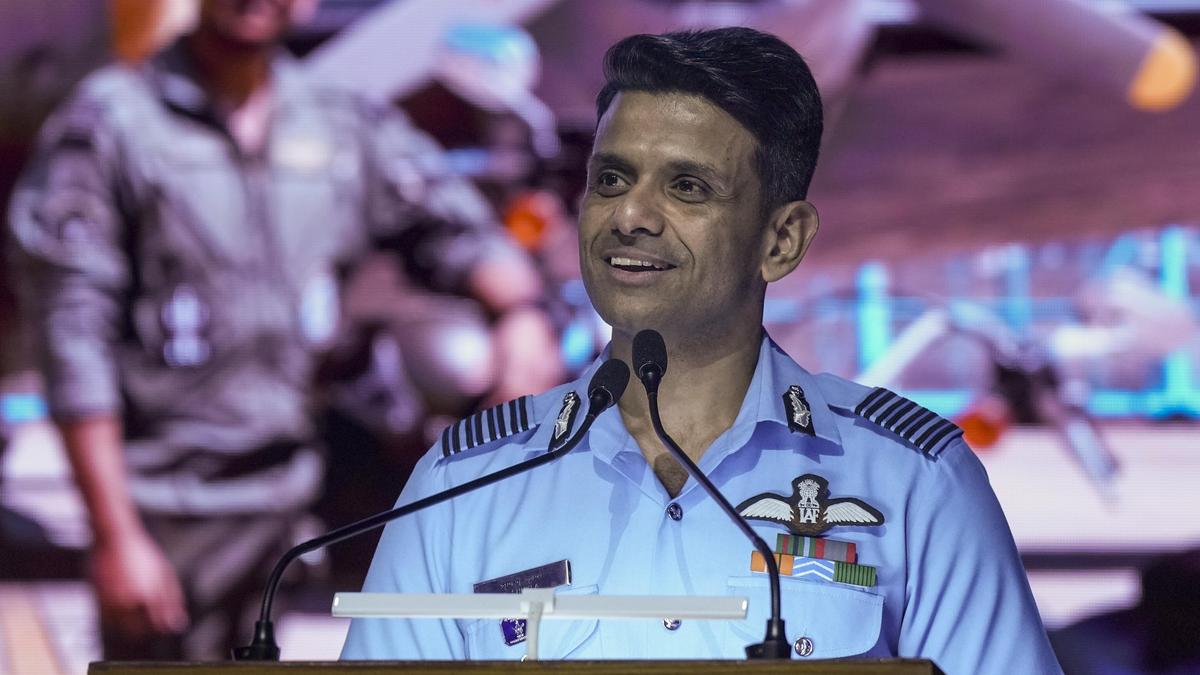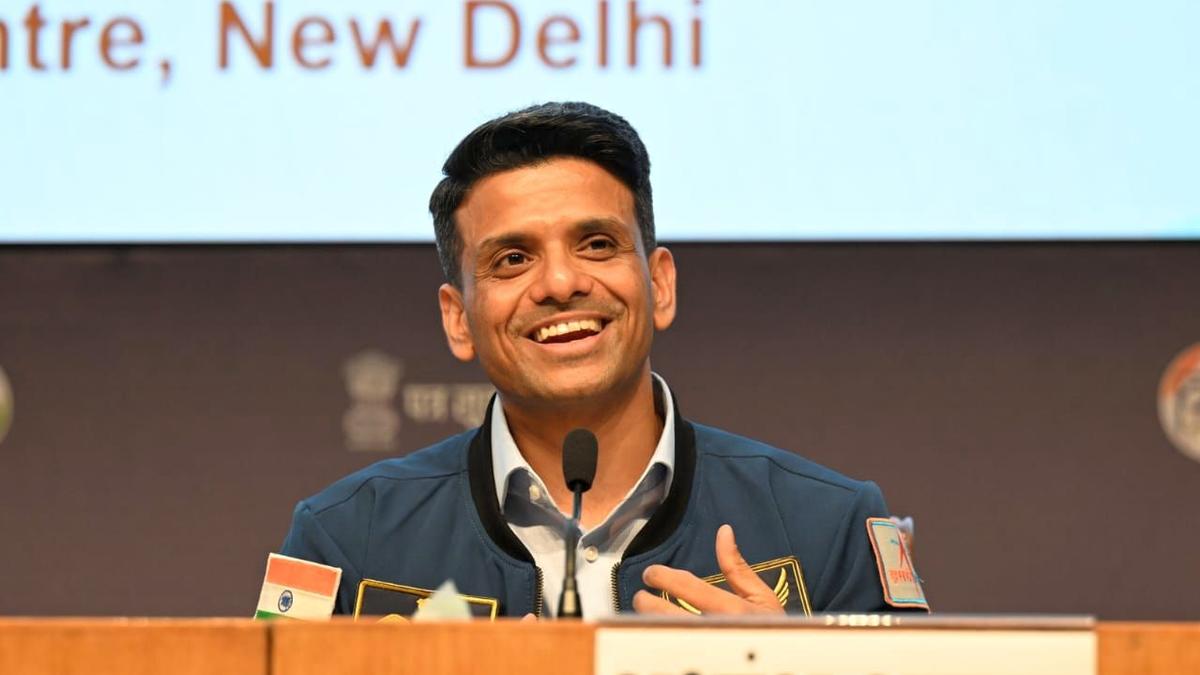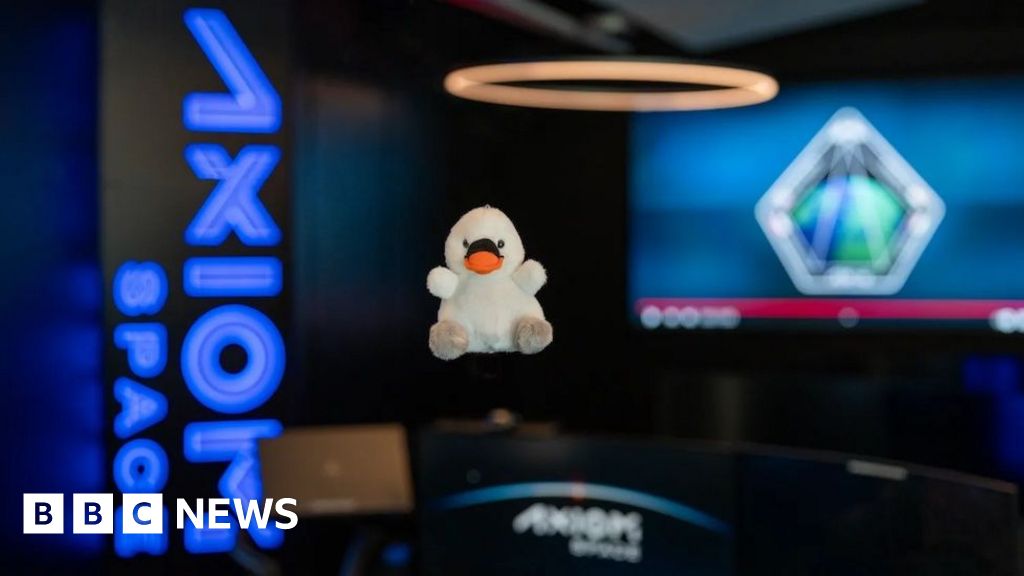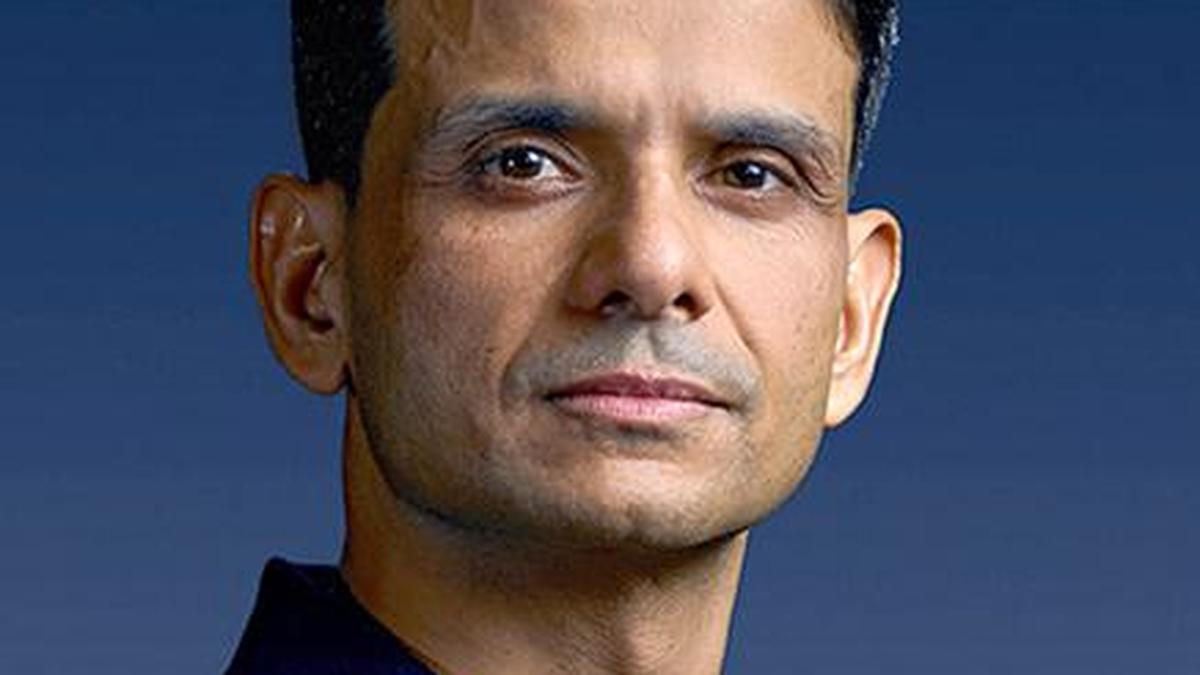
SynopsisShubhanshu Shukla, the first Indian astronaut to visit the International Space Station, recently shared a thoughtful message about dealing with distractions in today's fast-paced world. Drawing inspiration from the swan chosen as the zero-gravity indicator for Axiom Mission 4, he explained that staying focused requires more than discipline—it requires discernment, or the ability to identify what truly matters and filter out unnecessary noise.Astronaut Shubhanshu Shukla explains the secret to avoiding distractions (Image Source: iStock-L, X/@gagan_shux-R)In a world where notifications, algorithms and endless content compete for attention every minute, staying focused has become harder than ever. According to Indian astronaut Shubhanshu Shukla, the answer may not lie in forcing discipline but in learning how to identify what truly matters.Shukla, who became the first Indian astronaut to visit the International Space Station (ISS), recently shared a thoughtful message on X, using an experience from his space mission to explain how people can deal with distractions in daily life.A lesson from space that applies on EarthIn his post titled “Discernment in the Age of Distraction,” Shukla reflected on a long-standing tradition followed during space missions. Every mission carries a zero-gravity indicator, usually a small toy that begins floating once the spacecraft enters a weightless environment.For Axiom Mission 4, the crew selected a swan.Explaining the choice, Shukla wrote, “I've worked with machines most of my life. The biggest lesson they taught me? How to be more human.”He noted that the swan held significance for all three countries represented on the mission — India, Poland and Hungary. In Indian culture, the swan is associated with Saraswati, the goddess of knowledge.According to Shukla, the swan is also linked to the idea of distinguishing truth from confusion. He wrote, “And it holds a rare ability: to separate milk from water. To find what's real inside what's mixed.”Why focus is more important than disciplineThe astronaut revealed that the swan was named “Joy,” a name chosen deliberately to reflect a different way of looking at focus. “Because I think that's what focus actually feels like when you find it, not rigid or mechanical, but Joyful,” he wrote.The message stood out because it moved beyond the usual conversation around productivity. Rather than treating focus as something achieved through strict routines alone, Shukla suggested that modern life requires discernment, the ability to separate meaningful things from constant noise.He pointed out that younger generations face an unprecedented amount of information every day. “Today's generation has more to filter than any before them. Distraction isn't accidental anymore, it's designed, optimised, and delivered at scale. To stay focused now takes something deeper than discipline. It takes discernment.”He concluded the post with a simple message: “Know what matters. Float above the rest.”— gagan_shux (@gagan_shux) The astronaut behind the adviceShubhanshu Shukla's words carry weight because they come from someone who has spent years training in environments where concentration can have life-or-death consequences.Born in Lucknow in 1985, Shukla was inspired to join the armed forces after witnessing the impact of the 1999 Kargil War. He graduated from the National Defence Academy with a degree in Computer Science and later earned a Master of Technology in Aerospace Engineering from the Indian Institute of Science (IISc), Bengaluru.He was commissioned into the Indian Air Force in 2006. In 2019, he entered India's astronaut selection process and was later chosen as one of the four astronaut-designates for ISRO's Gaganyaan programme.In June 2025, Shukla made history as the mission pilot of Axiom Mission 4, becoming the first Indian to visit the International Space Station and only the second Indian to travel to space after Rakesh Sharma's landmark flight in 1984. During the mission, the international crew carried out nearly 60 microgravity experiments involving scientific research from dozens of countries.Now based in Bengaluru with ISRO's Human Space Flight Centre, Shukla is preparing for India's ambitious Gaganyaan mission, which is tentatively scheduled for 2027. The mission aims to send Indian astronauts into low-Earth orbit and safely bring them back, a milestone that could make India the fourth nation capable of independently carrying out human spaceflight missions.Read More News on...morelessRead More News on...moreless
How to stay focused in a world full of distractions? Astronaut Shubhanshu Shukla says the answer is not 'discipline'
Shubhanshu Shukla, the first Indian astronaut to visit the International Space Station, recently shared a thoughtful message about dealing with distractions in today's fast-paced world. Drawing inspiration from the swan chosen as the zero-gravity indicator for Axiom Mission 4, he explained that staying focused requires more than discipline—it requires discernment, or the ability to identify what truly matters and filter out unnecessary noise.
678 words~3 min read