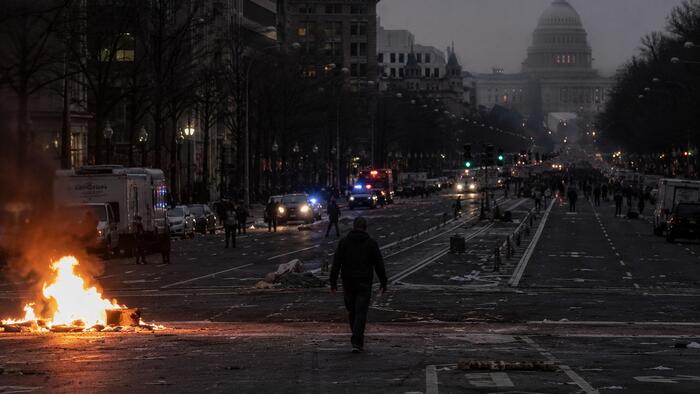
The story of the internet’s reconnection and the broken revival of businesses resembles a city that has survived a devastating storm. Although the storm has ostensibly passed, the streets remain cluttered with debris, and people emerge from their shelters with caution and hesitation. The narrative we see today surrounding the reopening of the internet is not one of growth and rejuvenation. Businesses have reopened not because conditions have returned to an ideal state, but because staying halted was synonymous with certain death. They have learned to navigate ambiguity and move along the edge of a precipice.
Trust Has Been Lost
The internet was cut off on the very first day of the war. In those initial days, the atmosphere was a blend of numbness and confusion; digital shutters were pulled down. For small businesses operating on social media networks, this situation felt like a mandatory lockdown with no end in sight. Direct messages went unread, orders hung in limbo, and economic gears ground to a sudden halt. At this stage, hope for a quick recovery gave way to the anxiety of survival. Businesses could not afford to wait for a miracle.
During this period, forced adaptation took place. Businesses migrated to domestic platforms like Bale, Eitaa, and Rubika, reinforced their SMS infrastructure, or attempted to keep their websites alive using traditional methods. However, these solutions functioned more like artificial respiration than normal business operations. The cost of customer acquisition skyrocketed, and user trust in these new intermediaries fell to a minimum.