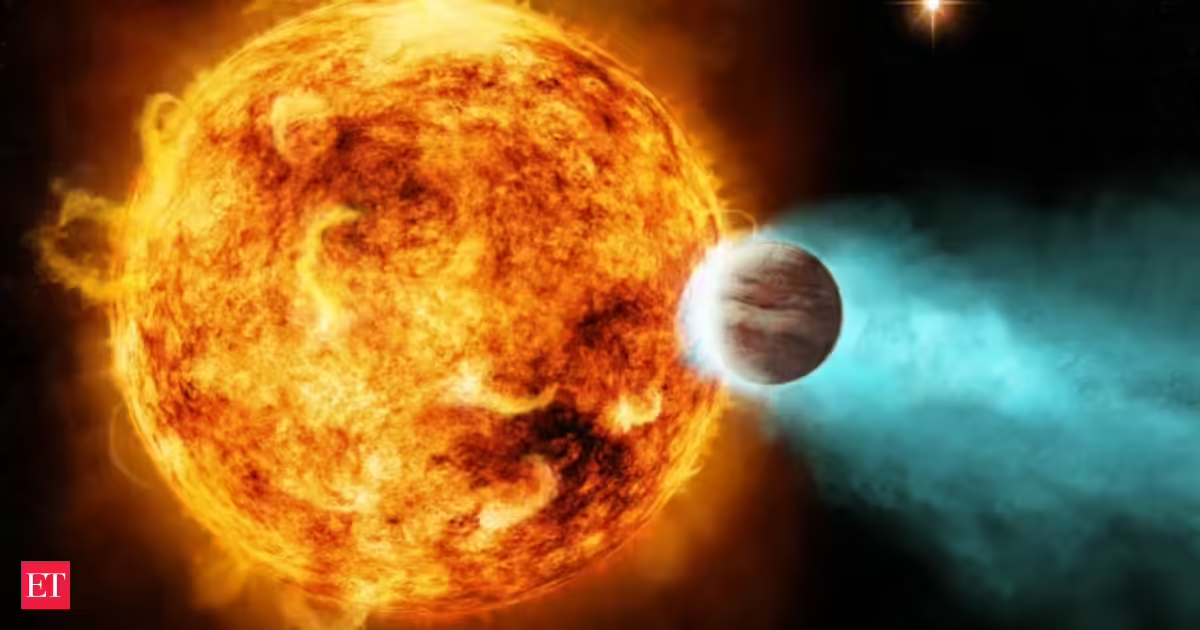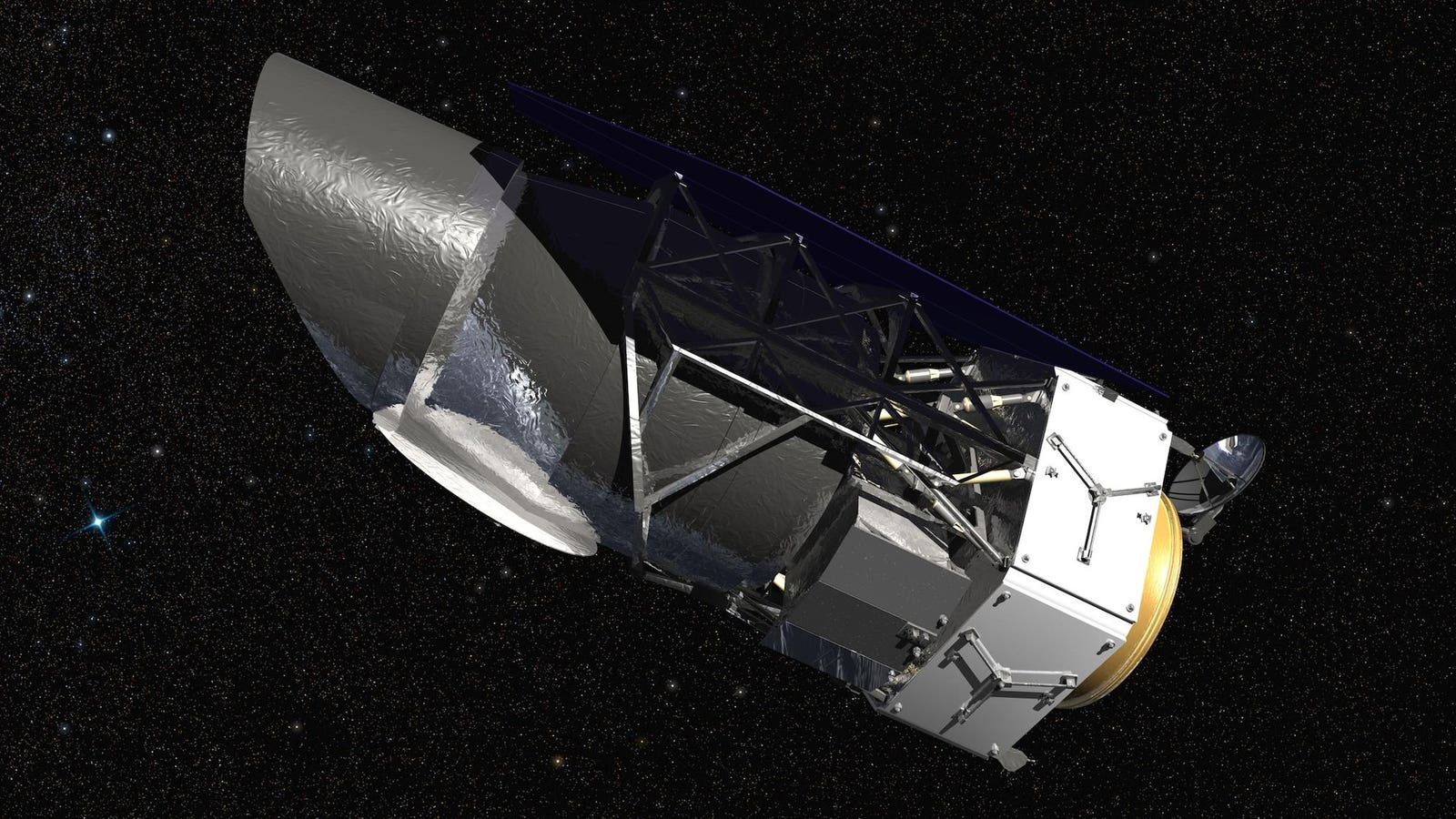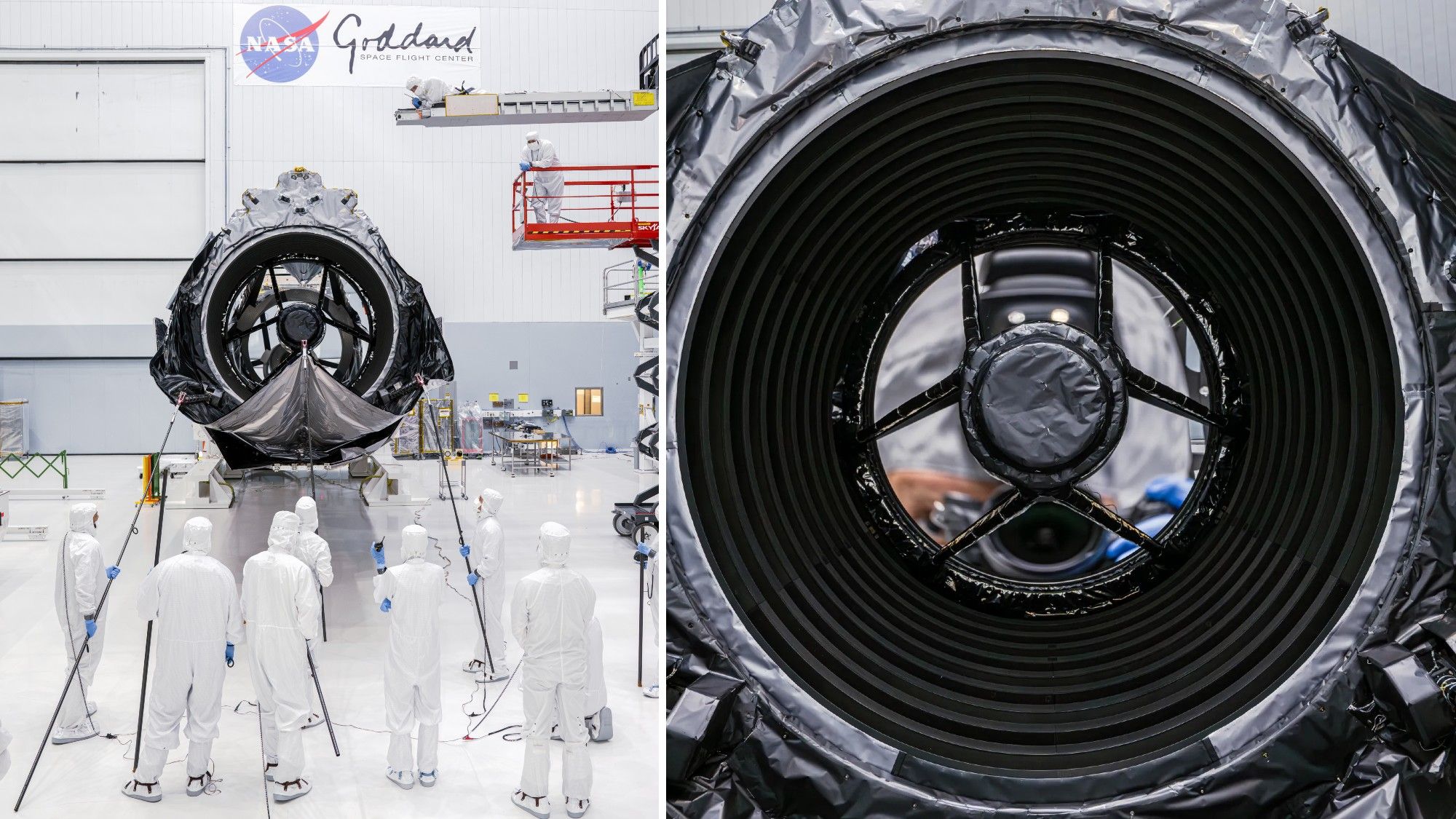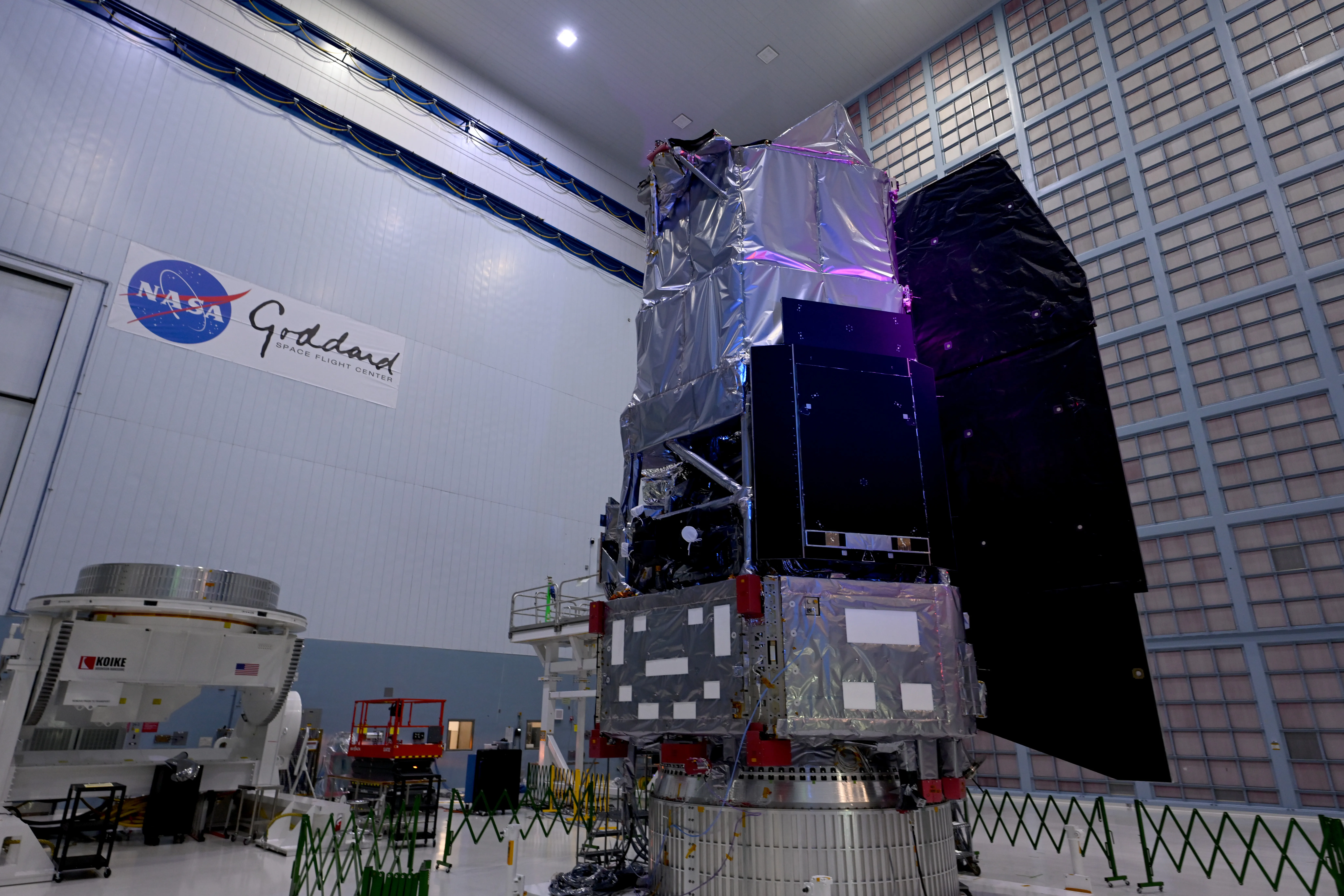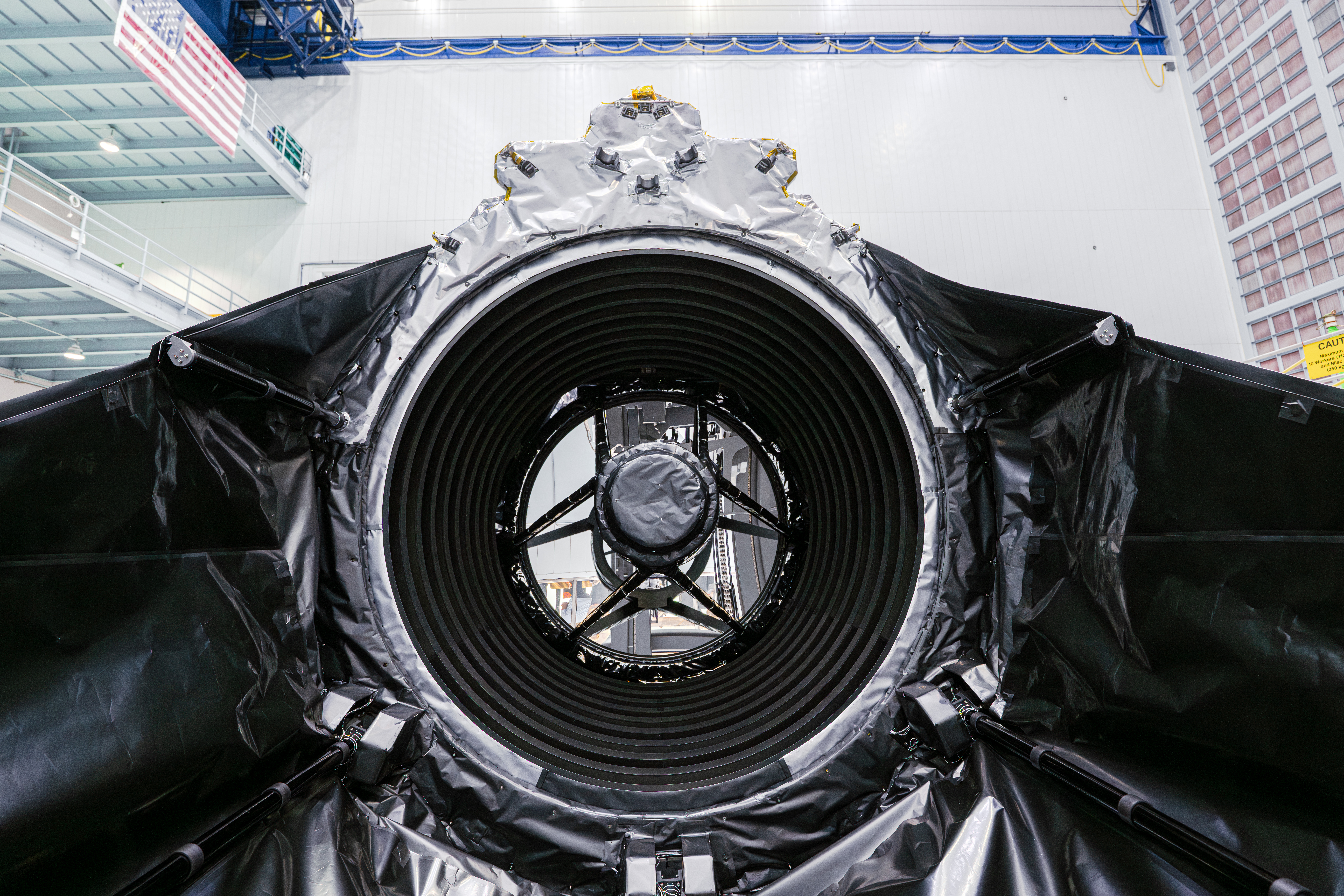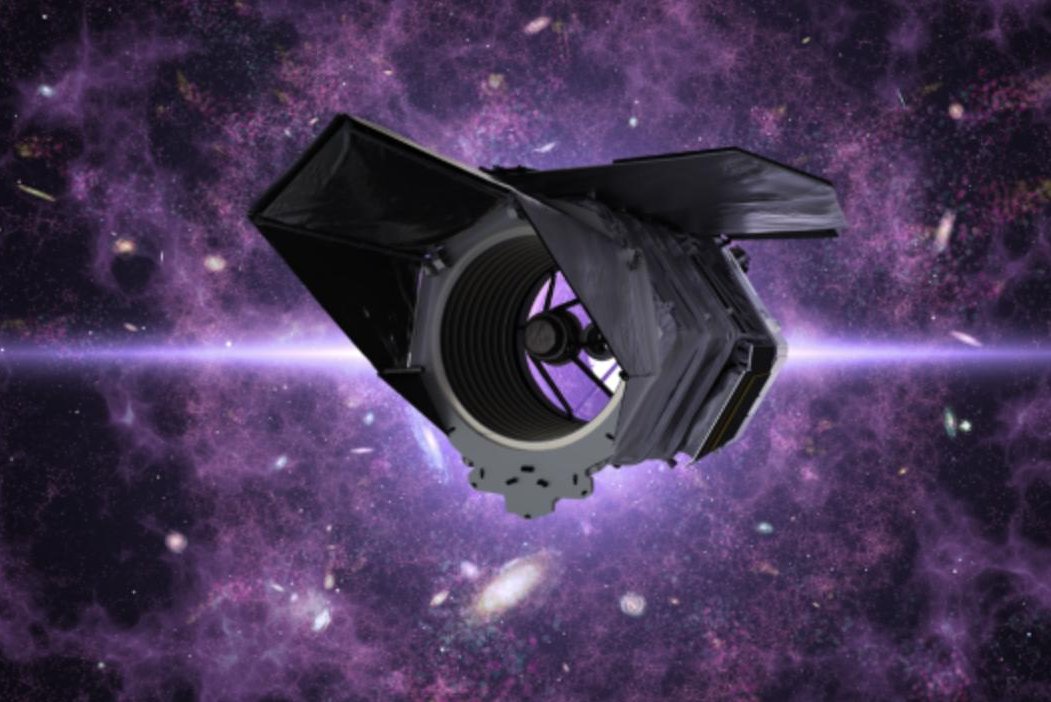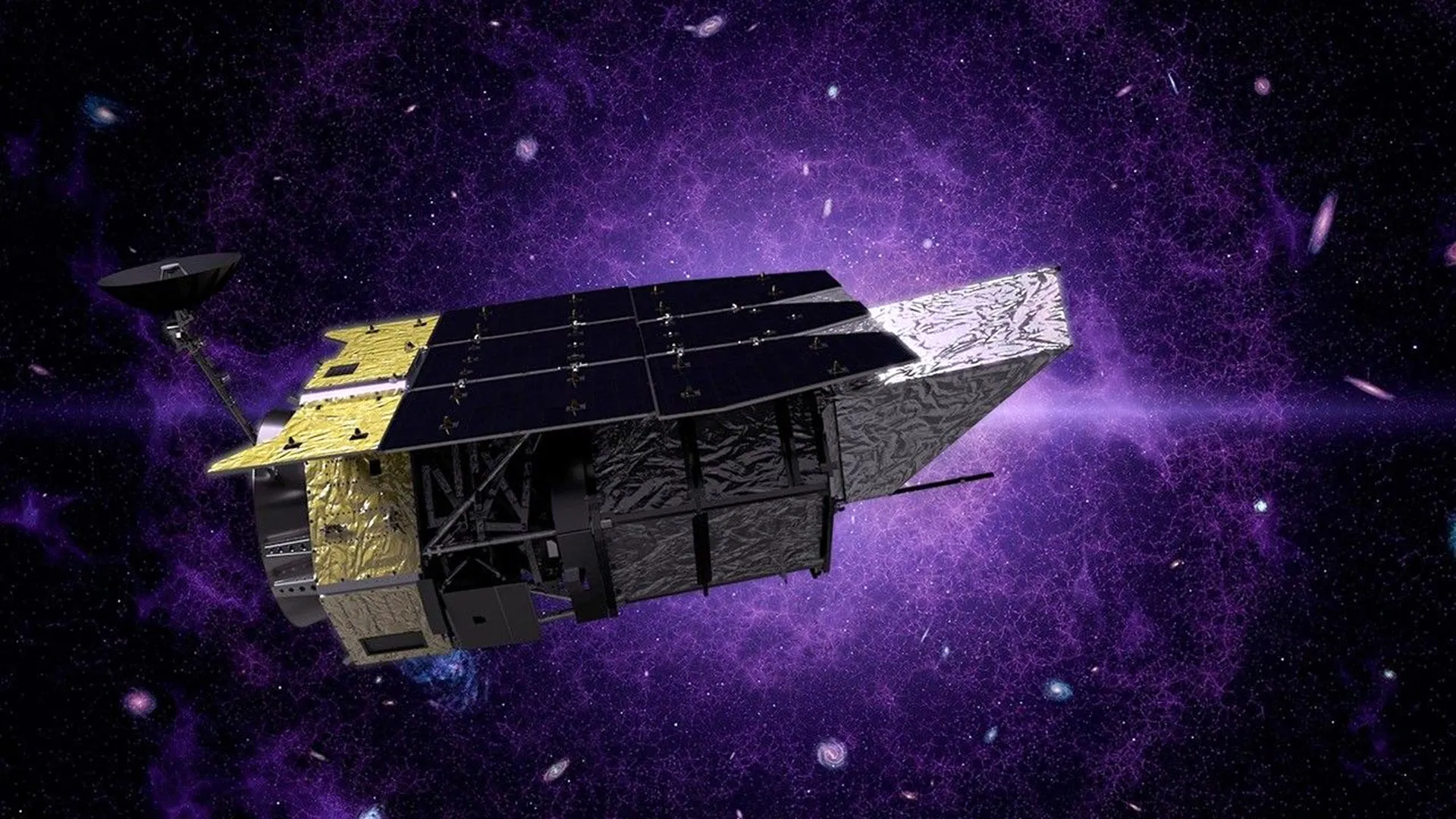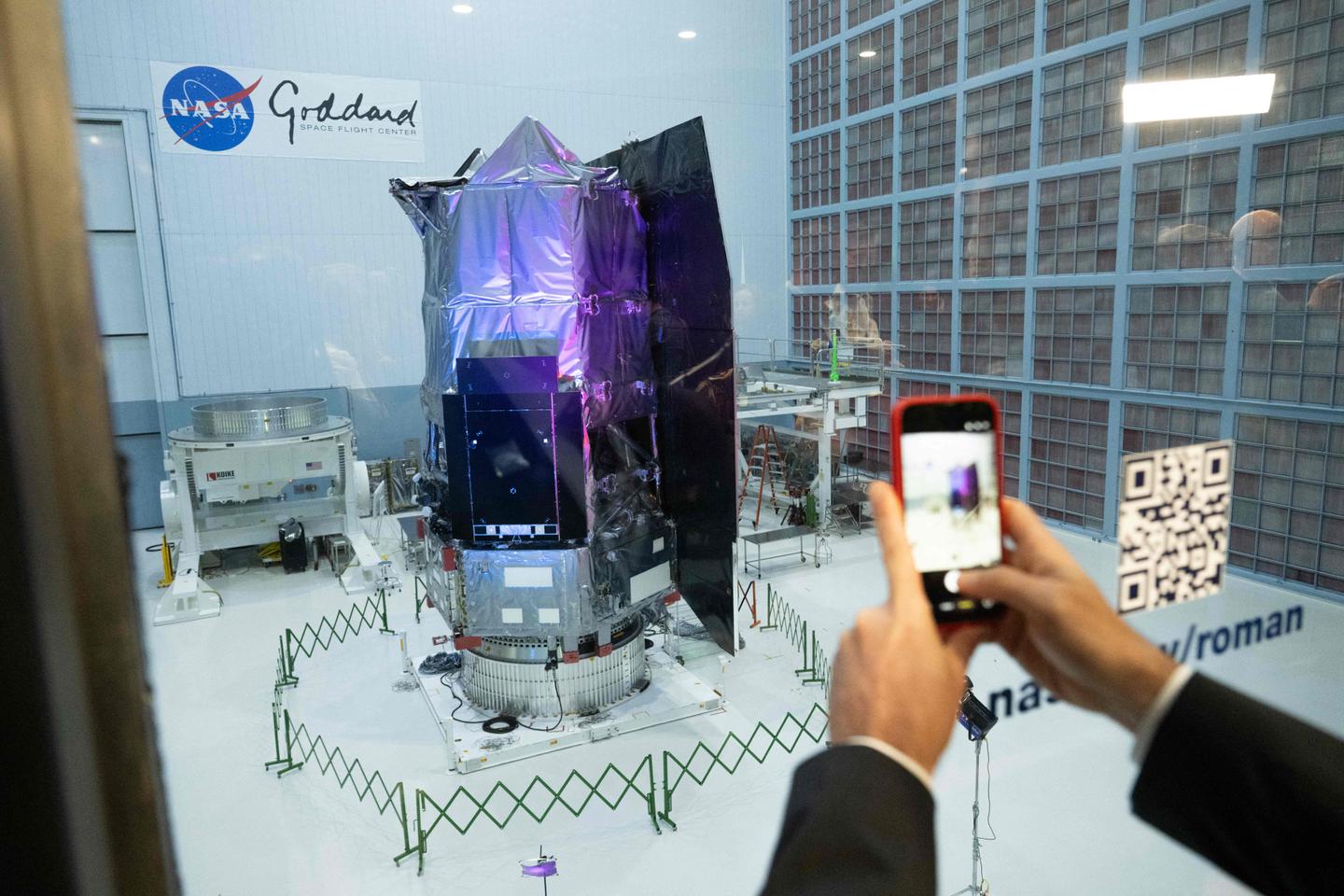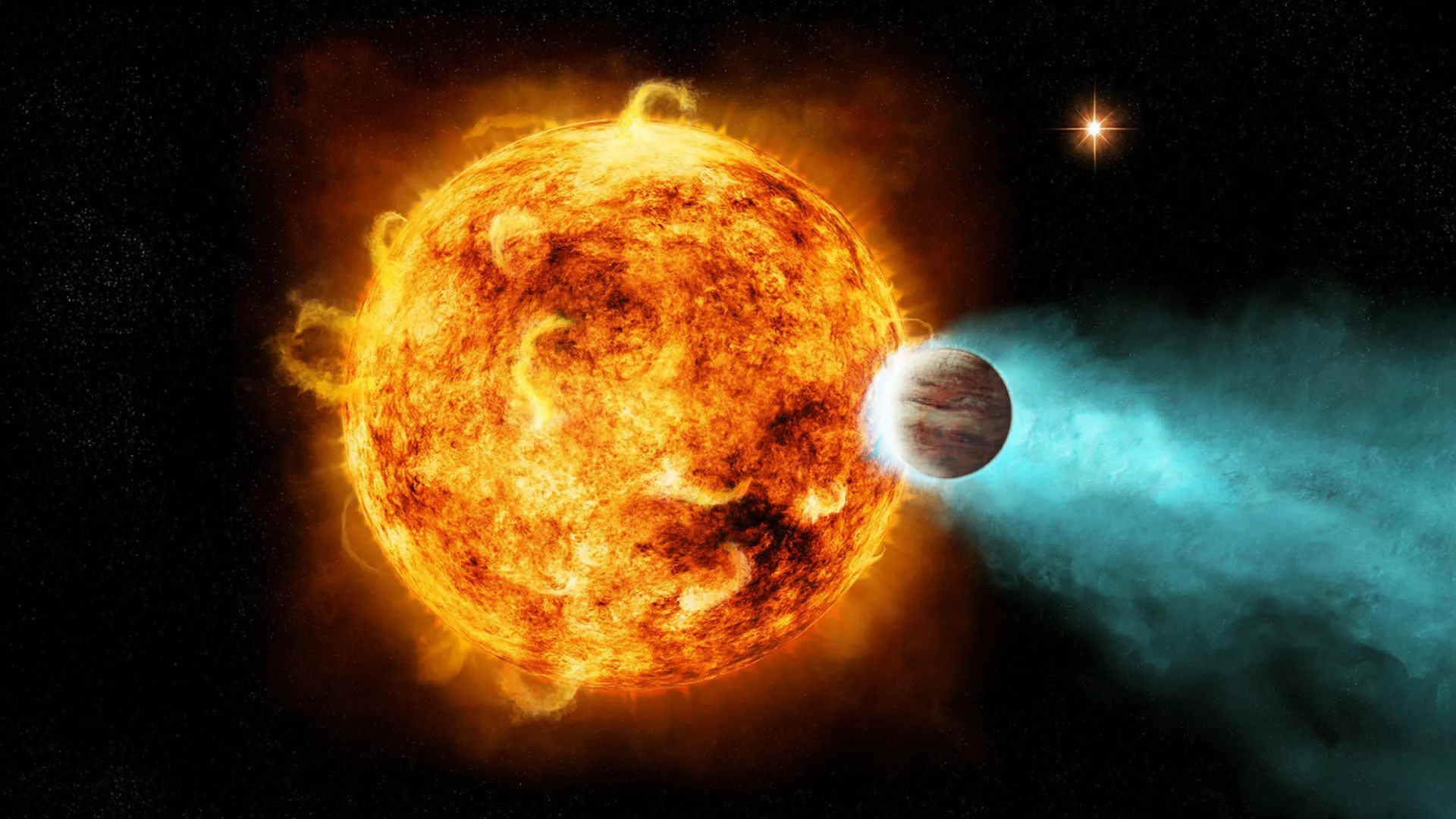
NASA's Nancy Grace Roman Space Telescope is expected to dramatically expand the search for planets beyond our solar system, known as exoplanets. Scientists estimate the mission could uncover about 100,000 previously unknown worlds, a remarkable increase compared to the nearly 6,300 exoplanets discovered so far through NASA missions and other observatories.
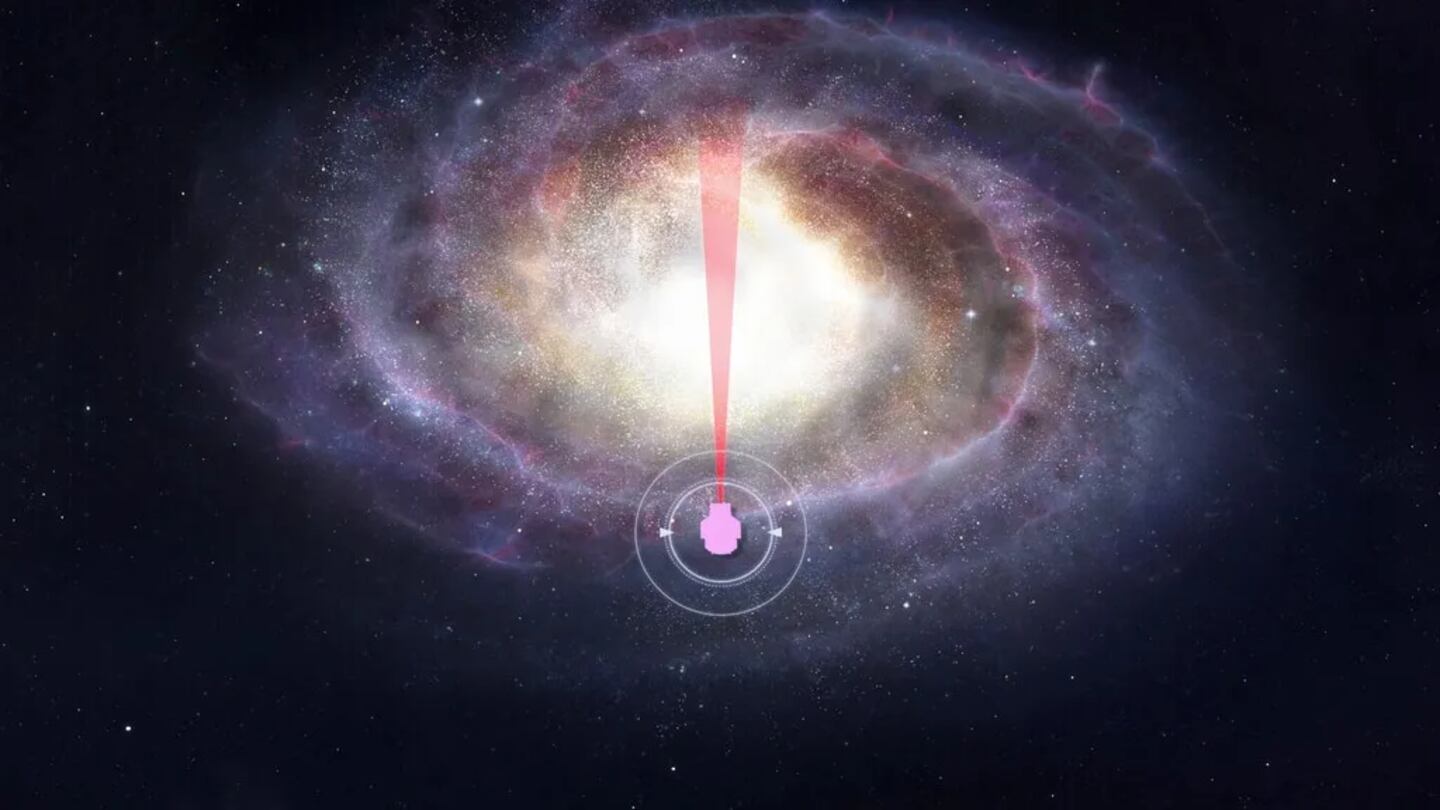
What makes Roman especially exciting is where it will look. Most exoplanet discoveries to date have come from relatively nearby regions of the galaxy. Roman, however, will search largely unexplored areas of the Milky Way, offering a much broader view of planetary systems across our galaxy.
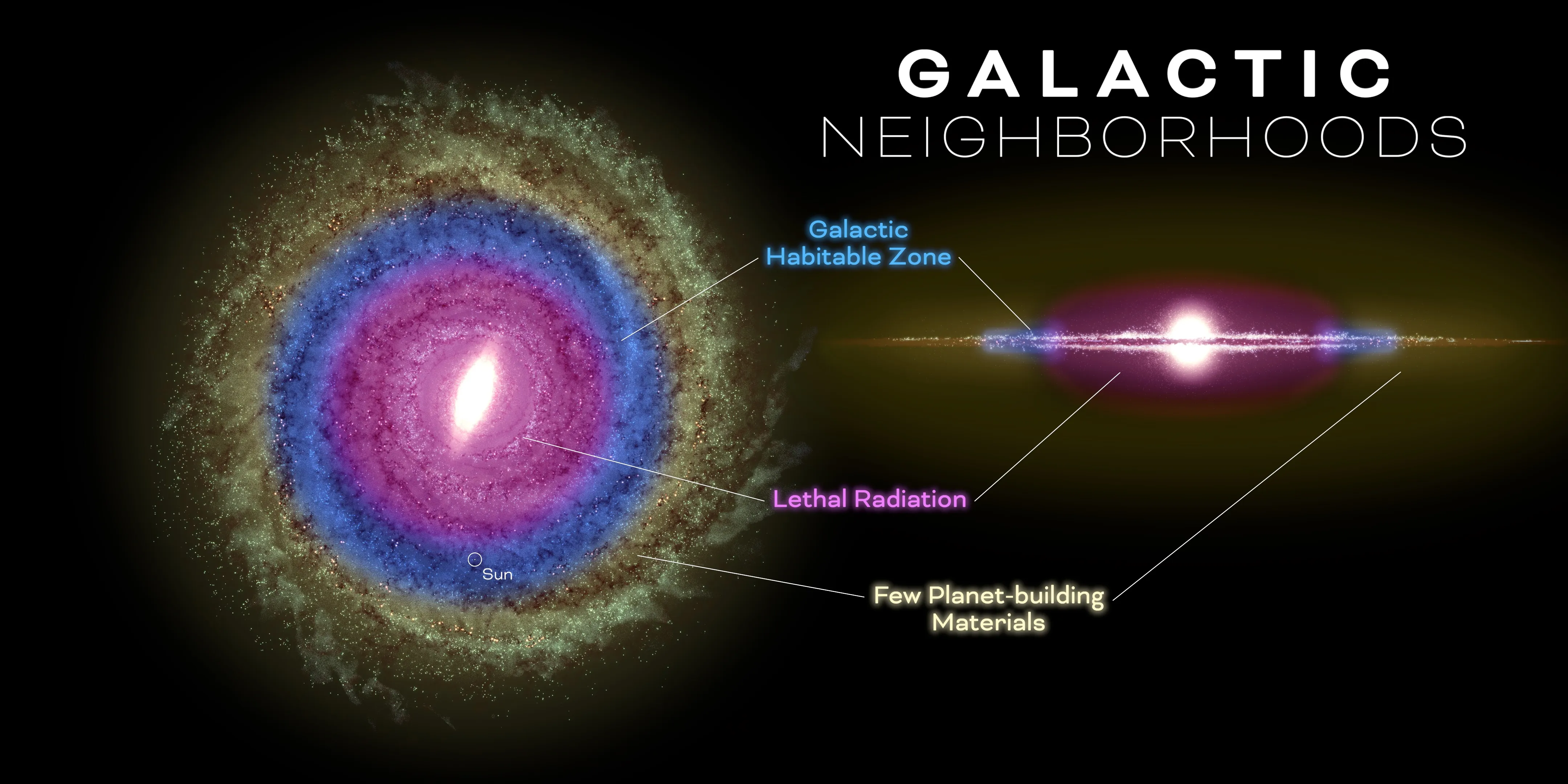
"Our galaxy is home to a variety of different environments, but when it comes to hunting for exoplanets, we've really only explored one: our own neighborhood," said Elisa Quintana, an exoplanet researcher at NASA's Goddard Space Flight Center in Greenbelt, Maryland. Quintana leads a team focused on building software and simulations to help prepare for Roman's exoplanet transit observations. "Roman will extend the search far enough to encompass other galactic habitats, which could help us learn how planet formation varies across different regions of the Milky Way."