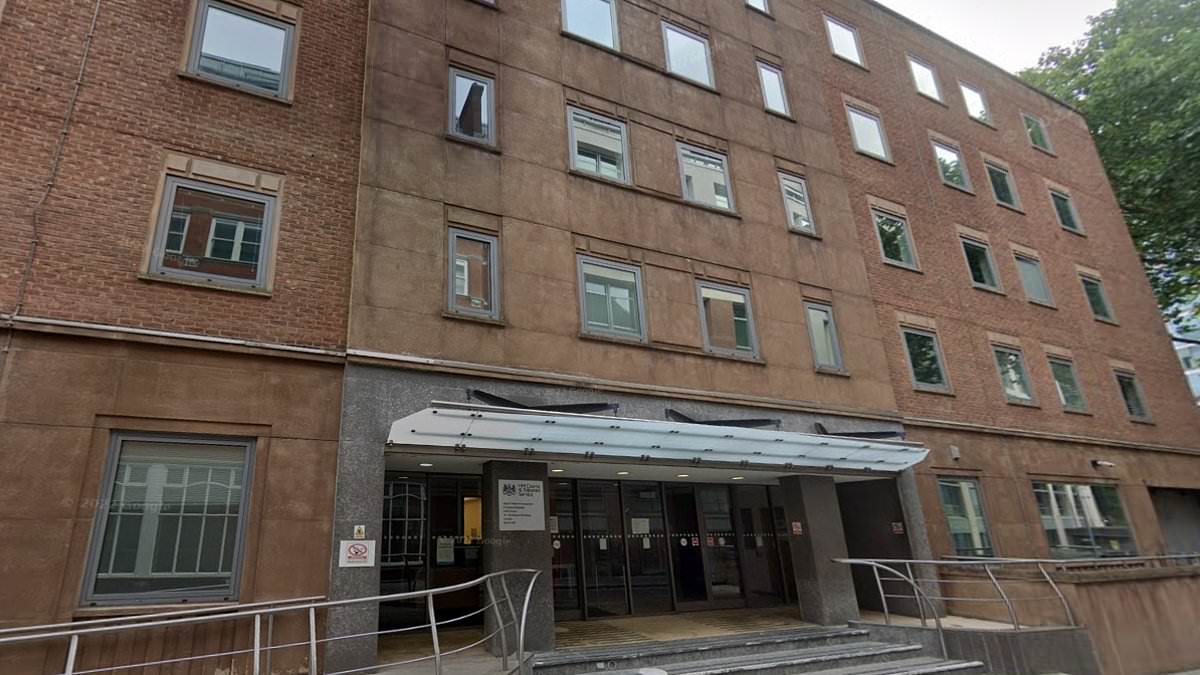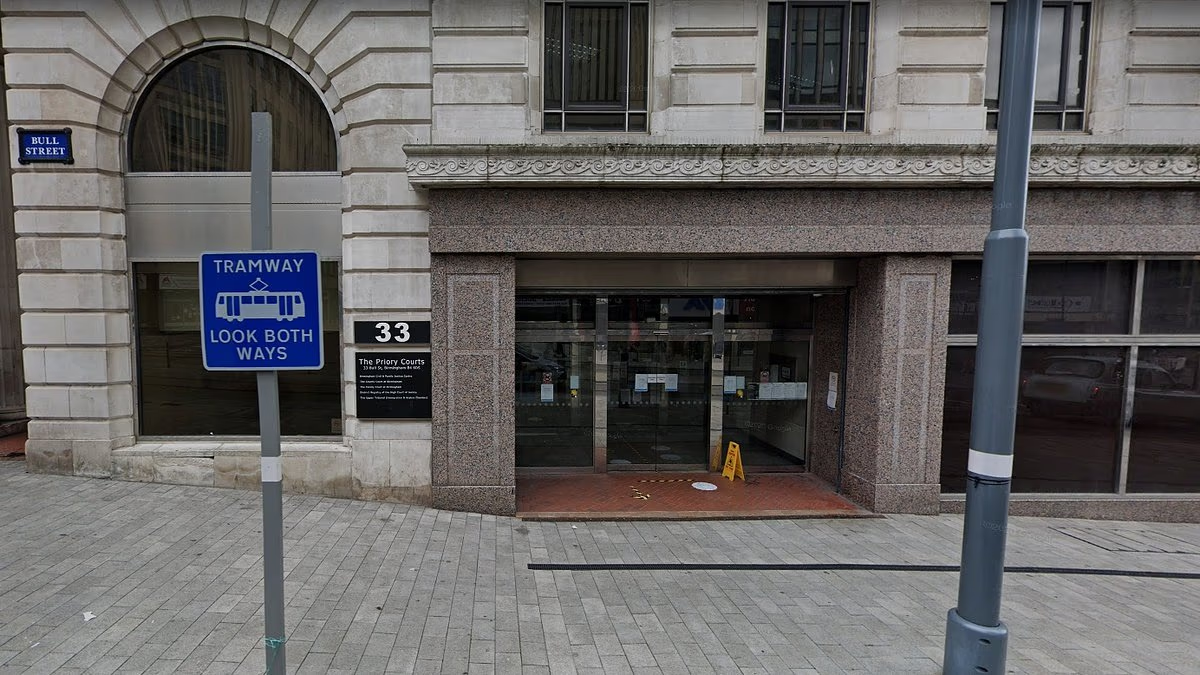
A migrant has won an asylum reprieve because British immigration officials couldn't decide if he was from Syria, Iraq, or Turkey.The Home Office rejected the unnamed asylum seeker's claims that he was from Syria and instead insisted he was from Turkey or Iraq.But then an immigration judge ruled that the migrant was most likely a Syrian Kurd.The man - who arrived in the UK after being taken across Europe by an 'agent' paid by his uncle in Turkey - has now won an appeal hearing as a result of this confusion.He will have his immigration case reheard and argue that he should be granted asylum in Britain.The judge presiding over the appeal hearing found there were several legal errors made by the immigration judge who oversaw the migrant's initial hearing.The migrant - who was granted anonymity - claimed he was held captive in Iraq by ISIS for three years, but the judge doubted his story. He then said he lived in Turkey for 18 months before travelling across Europe to the UK.The judge from the initial hearing was found to have made a legal error in saying that the migrant could return to Turkey.The case was sent back to be reconsidered by a different judge to the First-tier Tribunal of the Upper Tribunal of the Immigration and Asylum Chamber - where legal disputes on immigration are settled.The migrant left Syria at the age of 10 in 2015, arriving in the UK in 2021 aged 16, the Upper Tribunal heard in Birmingham. The rehearing will be held here at the Birmingham Immigration and Asylum Chamber. The migrant claims he was held captive by ISIS for three years but the inital judge doubted his story, saying it could have been from a 'script'The Home Office initially disputed his age, but an age assessment was done by the local authority, which they then accepted, the hearing was told.His ethnicity was thought to be Kurdish, and the Home Office refused to accept that he was from Syria.The undocumented migrant, who speaks Kurdish Kurmanji, said he was from a tribe called the Kocher tribe.But the Home Office believed it was likely he was from either Turkey or Iraq.The First-tier Tribunal judge, who was not named, doubted the migrant's claims that he had been held captive by ISIS for three years in Iraq before moving to Turkey for 18 months and travelling to Europe. He lost his initial immigration case at the First-tier Tribunal.The judge said it was very likely he was a Syrian Kurd. The hearing was told that 'he appears to be illiterate in Kurdish and without other languages, and that he states to have problems with his memory.'The Judge also acknowledged that his account contained clearly traumatic details.'On the claims about ISIS, the judge said there were 'many discrepancies which may no doubt be due to a poor memory (or his young age) but which also might reflect the script dictated to him by the agent who took him across Europe after payment by his uncle'.During the three years he was supposedly held by ISIS, the judge found that 'either the period of captivity was far shorter than claimed or it never occurred'.The judge found that the migrant could relocate outside the UK, either to a different part of Syria, or to Istanbul, where his uncle lived.However, the migrant took his case to the Upper Tribunal, arguing that there was no evidence the First-tier Tribunal judge had considered his vulnerability when considering if he could relocate within Syria.He also claimed that there was no evidence that he would be admitted to Turkey as a Syrian national.Upper Tribunal Judge Sarah Pinder found that the First-tier Tribunal judge did not consider how the migrant's vulnerabilities might have impacted or related to his evidence.She said: 'The [migrant] is not a national of Turkey. That is a fact on the Judge's own findings.'It is correct that the [migrant] travelled through Turkey from Syria to the UK but with the [migrant] not being a national of Turkey, there was no evidence before the Judge that the [migrant] would otherwise be admitted into Turkey from the UK nor that the [Home Office] would be able to assist him with the same.'Judge Pinder found that the judge made a legal error in saying that the migrant could return to Turkey, and in failing to consider the migrant's vulnerabilities.As legal errors were made, the asylum claim has been sent back to the First-tier Tribunal to be reconsidered by a different judge.
Migrant gets reprieve to stay in UK after confusion where he came from
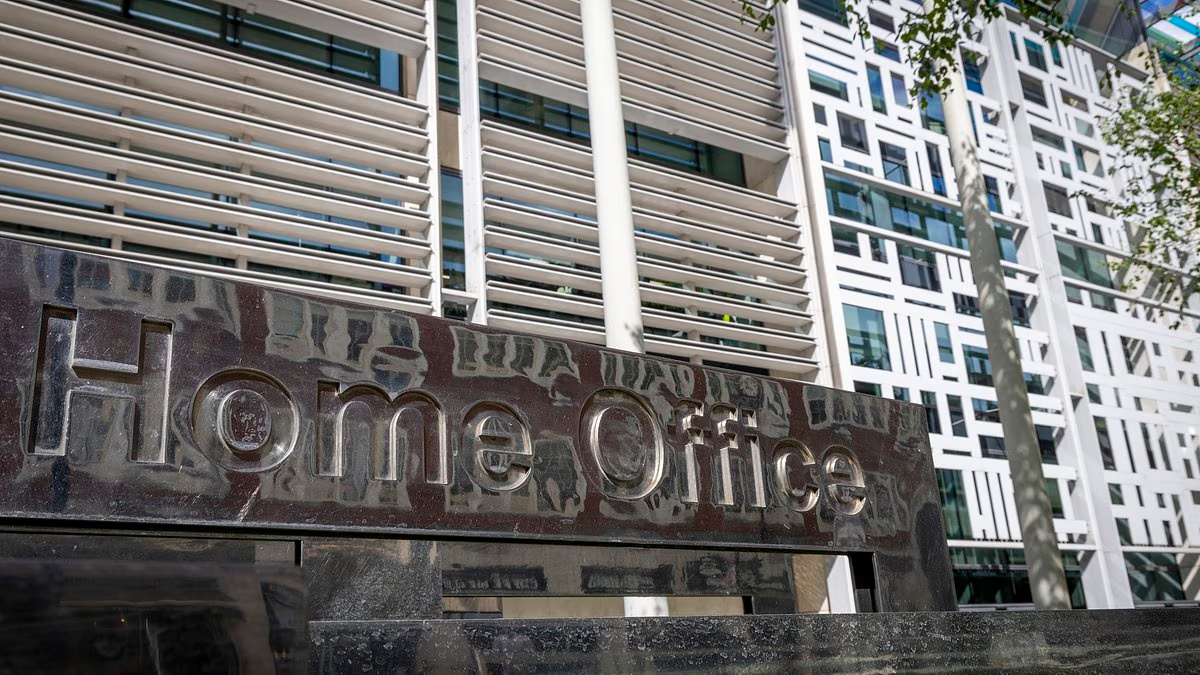
The Home Office rejected the unnamed asylum seeker's claims that he was from Syria and instead insisted he was from Turkey or Iraq.
750 words~3 min read