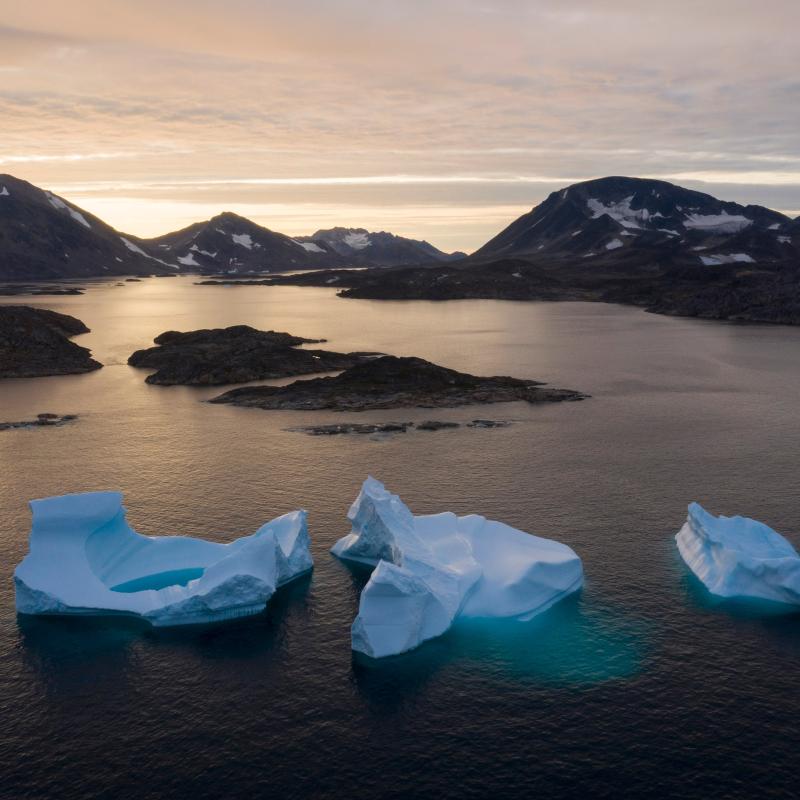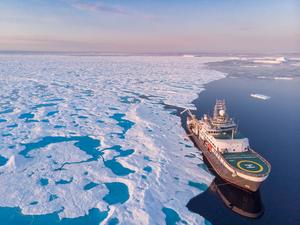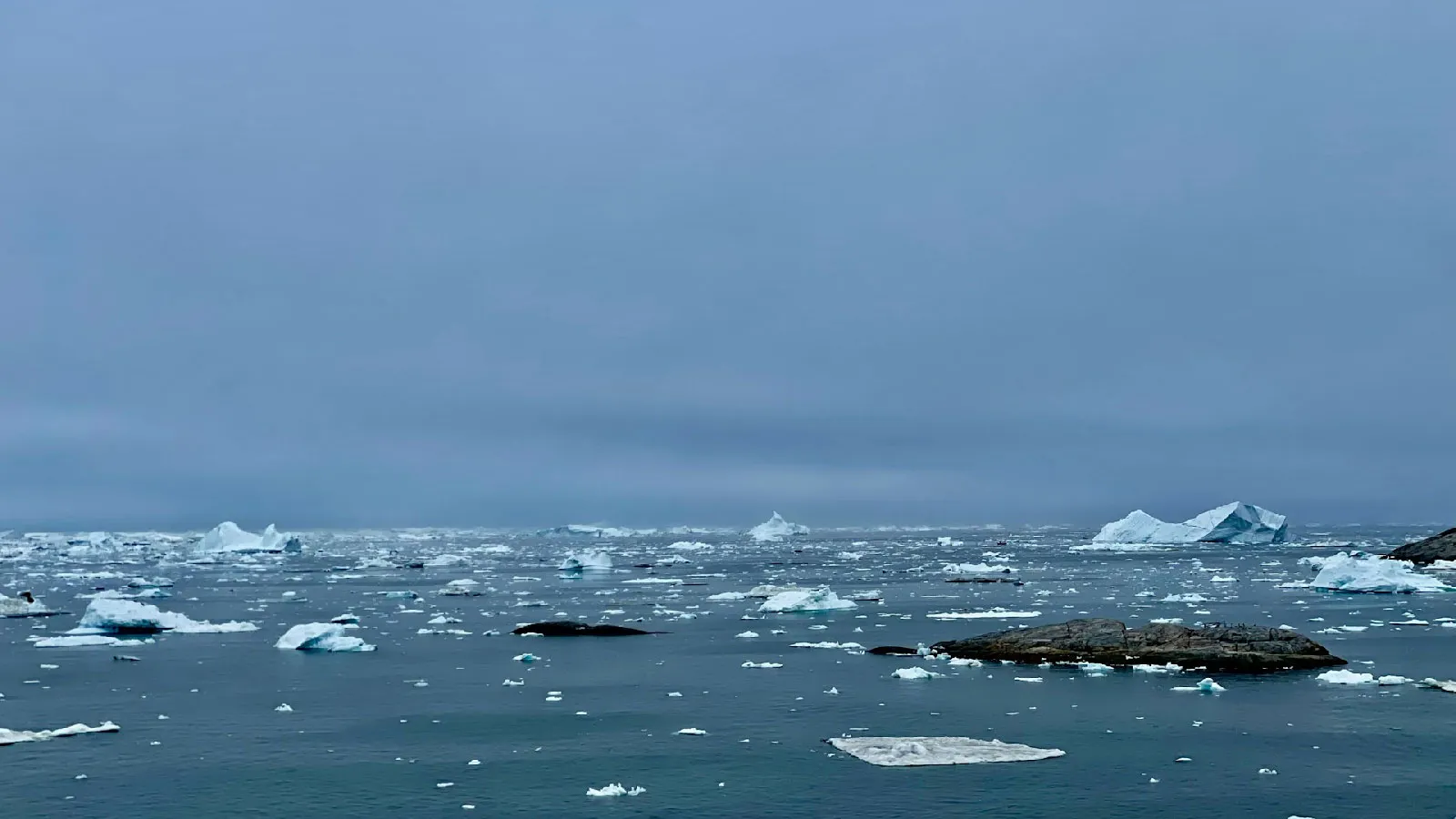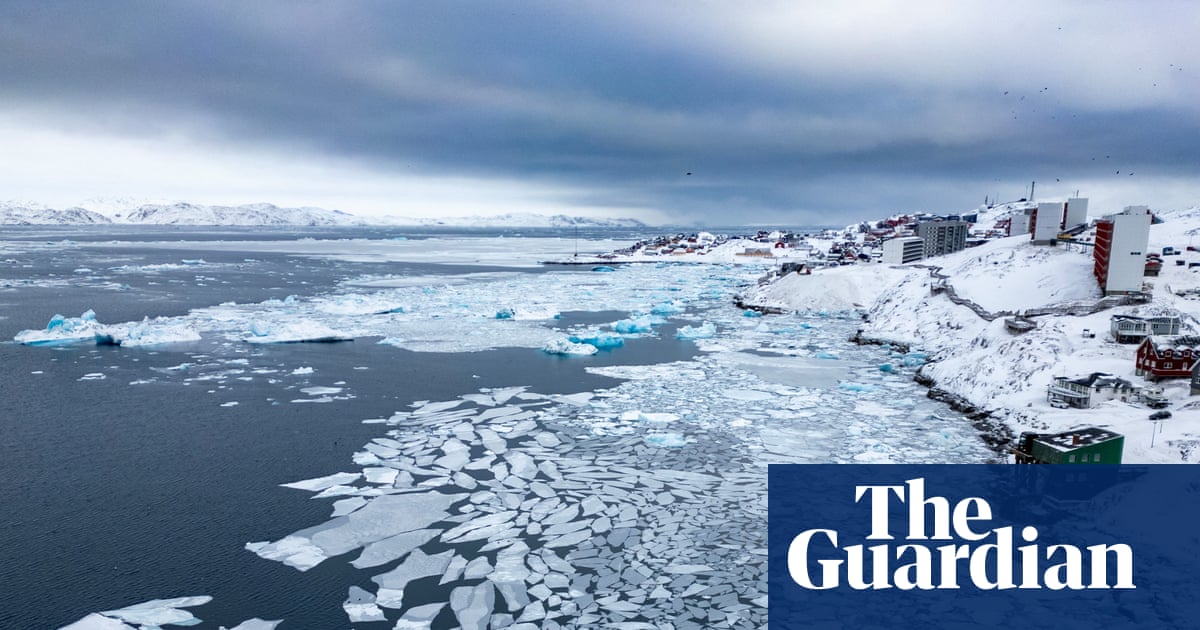
ARKHANGELSK, June 2. /TASS/. Arctic archipelagos, such as Novaya Zemlya or Greenland, may act as "refrigerators" where cold-loving species of animals and plants can remain even in significant climate warming, Director of the Laverov Federal Research Center for Integrated Arctic Studies (the Urals Branch of the Russian Academy of Sciences, Corresponding Member of the Russian Academy of Sciences Ivan Bolotov told TASS.
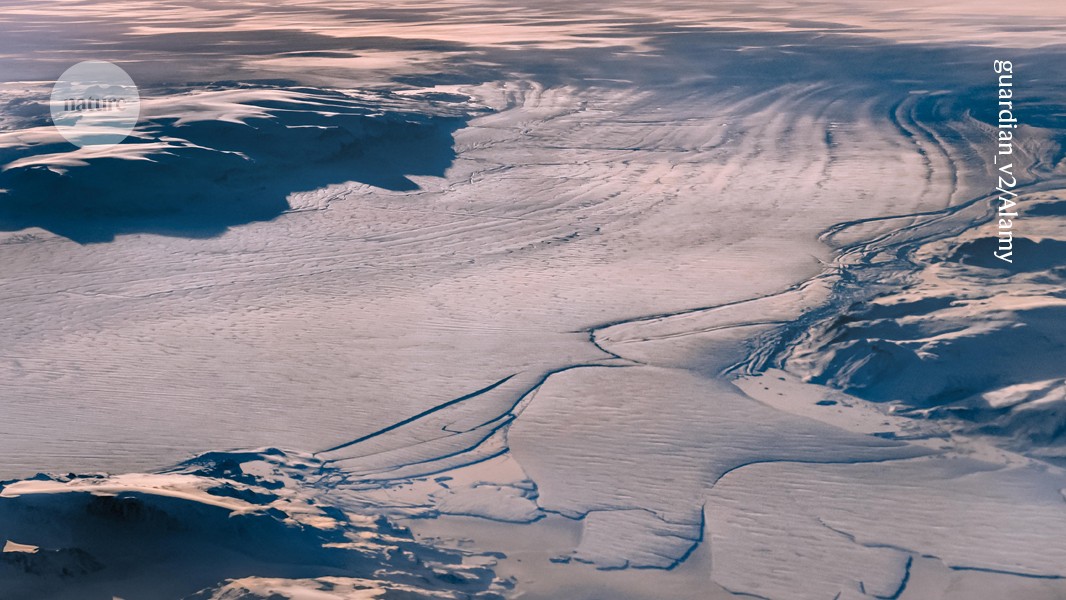
"The planet has seen such warming, and it was even more powerful. The cold-loving species in the Arctic somehow were able to survive, like, for example, on Novaya Zemlya. Arctic archipelagos have certain buffering properties, and they may be working like a giant refrigerator. The climate is warming, forests are approaching the ocean coast, and the cold-loving fauna on the mainland is disappearing. But in places like Novaya Zemlya or Greenland, if the ice sheets remain there, as well as in the mountains, will anyway remain conditions for the existence of high-latitude fauna," he said.
Presently, the high-latitude Arctic is represented mainly by islands, he continued. The planet now is in a relatively warm period - the Holocene, which is the modern geological epoch that replaced the previous one - the Pleistocene - about twelve thousand years ago. Our time is characterized by less development of ice sheets, unlike it used to be in some periods of the Pleistocene, which continued for about 2.5 million years. At that time, on the Earth dominated the so-called megafauna, and the mammoth was its prominent representative.