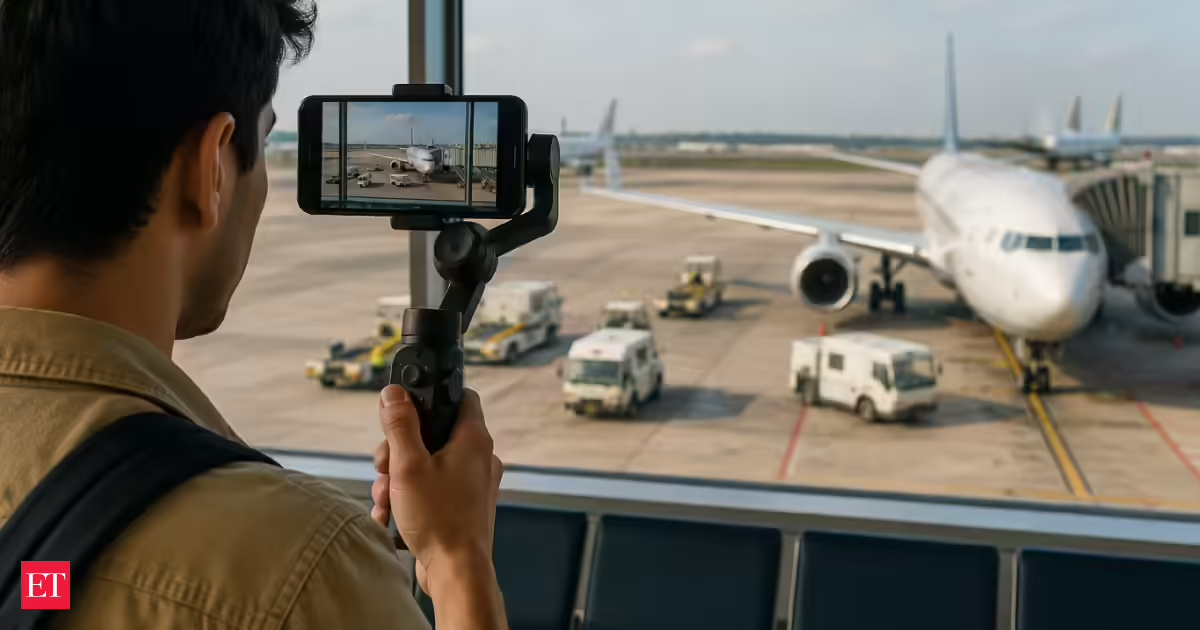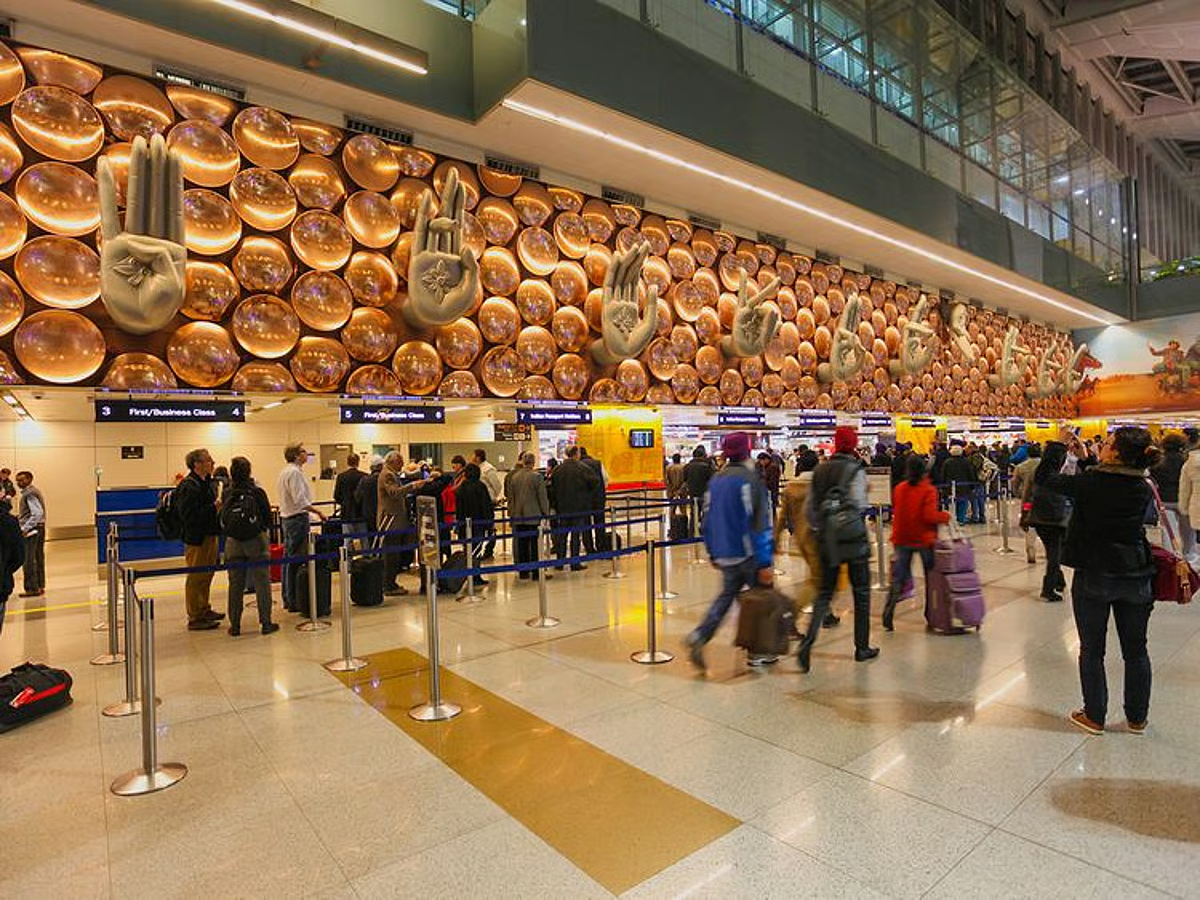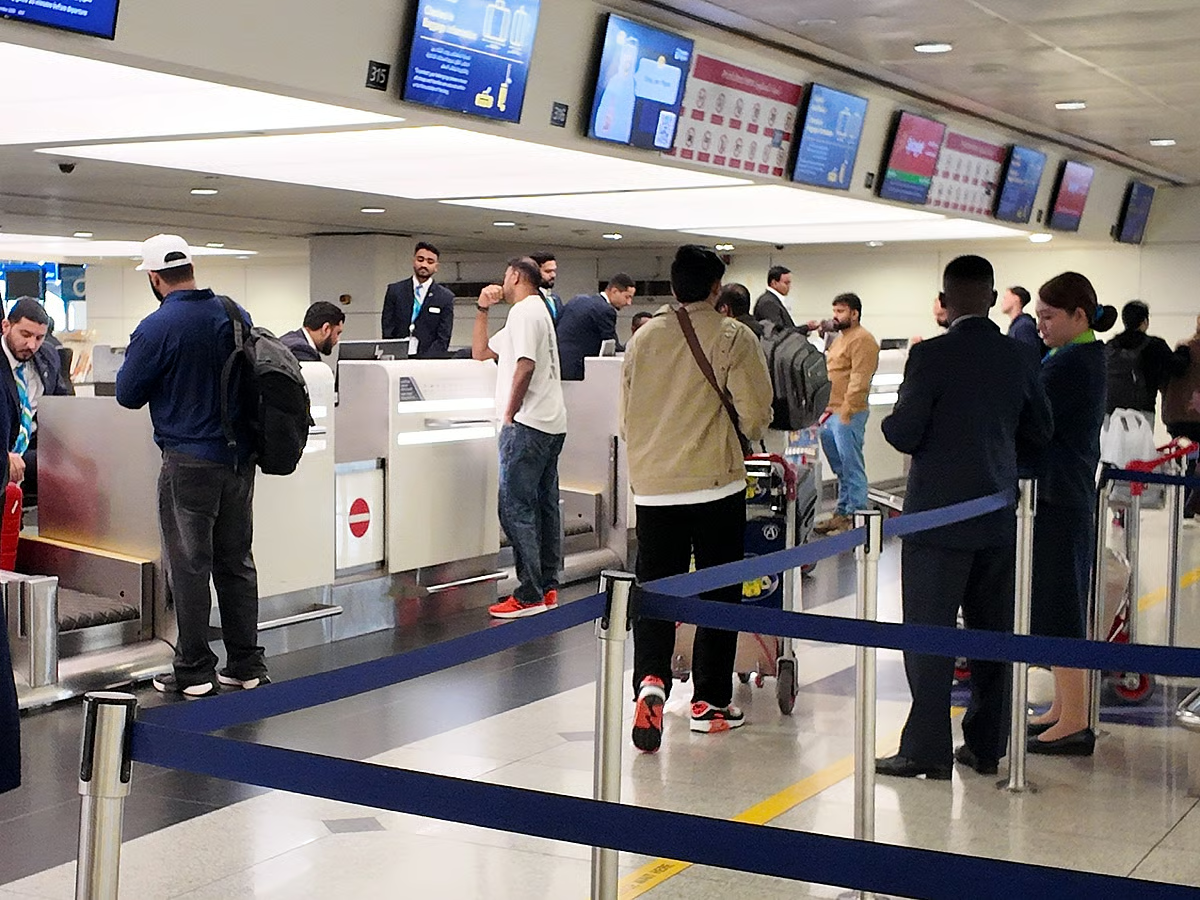
Dubai: For UAE residents travelling to India, that quick airport selfie or travel vlog could now carry stricter consequences. The Directorate General of Civil Aviation (DGCA) has introduced stricter rules on photography and videography at airports across India, warning that unauthorised filming in restricted zones could lead to fines, device confiscation and, in serious cases, placement on the no-fly list, according to media reports.The move comes amid a surge in social media content being created inside airports, including reels, vlogs and livestreams that authorities say may unintentionally expose sensitive operational and security information.Penalties can range from fines and device confiscation to, in serious cases, inclusion on the no-fly list.What UAE travellers should knowFrequent UAE–India flyers, including tourists, business travellers and those visiting family, should be aware that filming is now strictly prohibited in restricted airport areas unless prior permission is obtained.While photography is still allowed in public spaces such as terminals and lounges, authorities are urging caution as even brief unauthorised recordings in operational zones could lead to enforcement action.What has changed under DGCA rules?Passengers are barred from taking photos or videos in sensitive areas, including:Security checkpointsBoarding gatesRunway busesAircraft parking and handling zones (aprons)Other restricted operational areasThe aim is to prevent accidental capture of surveillance systems, security layouts and operational procedures.What penalties can apply?Violations may lead to:Immediate deletion of contentConfiscation of mobile phones or camerasFinancial penaltiesDevice investigation in serious casesRecommendation for inclusion on the no-fly listCan travellers be banned from flying?In serious or repeated violations, passengers may be placed on the DGCA’s no-fly list.Under civil aviation rules:Level 1: up to 3 monthsLevel 2: up to 6 monthsLevel 3: minimum 2 years or moreAs per media reports, officials say security-related violations are treated as serious offences rather than minor social media mistakes.Strict rules for foreign crewsNo foreign crew shall be engaged in photography. However, if foreign nationals are involved, it must be ensured that they are security-cleared by the relevant agencies before undertaking photography at any aerodrome.Records of all photography activities must be maintained for a period of three years and shall be made available for inspection to the Directorate General of Civil Aviation upon demand.Why are the rules being tightened?Authorities cite a surge in airport content on platforms like Instagram and YouTube, where even harmless videos have sometimes captured sensitive operational details such as:Surveillance camera positionsStaff movement patternsAirport layout and security systemsWhere photography is still allowedFilming is permitted in general public areas, including:Check-in hallsFood courtsArrival and departure concourses (outside restricted zones)Passengers must still follow all airport signage and staff instructions.What about influencers and commercial shoots?All commercial filming — including brand content, documentaries and professional social media shoots — requires prior approval from airport authorities and security agencies. No exemptions are allowed without formal permissions.Key takeawayWhile airport selfies and travel content remain common, UAE travellers heading to India are being urged to avoid filming in operational zones, as even brief violations could now trigger strict penalties or travel restrictions.
UAE to India travellers warned: Airport selfies and reels could lead to no-fly list action
Planning a trip from UAE to India? Know the new DGCA rules on airport selfies and reels, where filming is banned and how violations can lead to no-fly list action.
488 words~2 min read