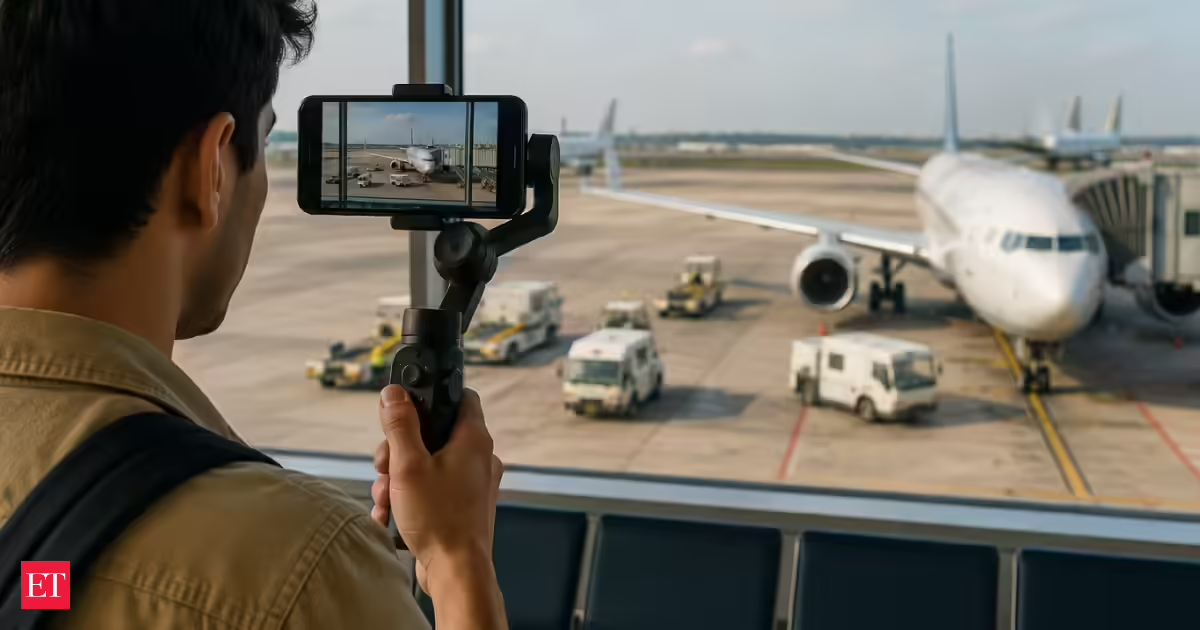
Thinking of filming a travel vlog, Instagram reel or YouTube short at the airport? You may want to think twice. The Directorate General of Civil Aviation (DGCA) has introduced strict rules against unauthorised photography and videography in sensitive airport areas across India. The move comes amid a growing trend of passengers creating social media content while travelling, sometimes unintentionally capturing security-related information.Under the new guidelines, travellers who break the rules could face penalties, confiscation of devices and, in serious cases, even a ban on flying.What Has The DGCA Changed?The aviation regulator has prohibited passengers and visitors from taking photos or videos in several restricted areas of airports without prior approval.These include:Security checkpointsBoarding gatesRunway busesAircraft handling zonesAirport apronsOther sensitive operational areasAuthorities say the aim is to prevent security arrangements, surveillance systems and airport operations from being recorded and shared online.Yes. According to the guidelines, passengers who repeatedly violate the rules or record sensitive security-related content could face serious consequences.In severe cases, airport authorities may recommend that the traveller's name be added to the DGCA's No-Fly List. Depending on the nature of the violation, this could result in a temporary or even permanent flying ban.Why Is The DGCA Taking Action?Airport officials say the decision follows a sharp rise in social media content being created inside airport premises.Travel reels, vlogs and behind-the-scenes videos have become increasingly popular. However, some of these uploads have unintentionally exposed security infrastructure, staff operations and surveillance arrangements.Even when the content appears harmless, authorities believe it could create security risks if sensitive information becomes publicly accessible.What Happens If You Break The Rules?Security personnel have been given the authority to act immediately against anyone violating the regulations.Depending on the situation, action may include:Asking passengers to delete the content immediatelyIssuing penaltiesConfiscating mobile phones, cameras or recording devices for investigationRecommending further action in serious casesOfficials have warned that repeat offenders are likely to face stricter consequences.Are Photos Allowed Anywhere At Airports?Photography is still allowed in certain public areas of airports.However, passengers are expected to follow instructions issued by airport staff, airline personnel and security agencies at all times.If an area is marked as restricted or if officials ask travellers not to record, those directions must be followed.What About Commercial Shoots And Influencer Content?The DGCA has made it clear that anyone planning to shoot advertisements, films, documentaries or commercial social media content inside airport premises must obtain prior permission.Approval must be secured from airport authorities as well as relevant security agencies before filming begins.Without the required permissions, no commercial filming activity will be allowed.What Travellers Should Keep In MindFor many passengers, recording travel memories has become a routine part of flying. However, the latest DGCA guidelines serve as a reminder that airport security takes priority over social media content.Before filming a reel or vlog, travellers should ensure they are not recording in restricted zones. A few seconds of unauthorised footage could lead to far bigger consequences than a viral video.Inputs from TOI
Your next airport selfie or reel could get your phone confiscated or even put you on the no-fly list: DGCA's new rule every traveller should know
New DGCA guidelines prohibit unauthorised photography and videography in sensitive airport areas. Passengers caught recording in restricted zones without permission may face penalties, confiscation of devices and, in serious cases, even flying bans. The move comes amid a rise in social media content that has inadvertently exposed security-related information. Individuals or organisations wishing to film advertisements, documentaries or commercial content at airports must obtain prior approval from the relevant authorities.
489 words~2 min read